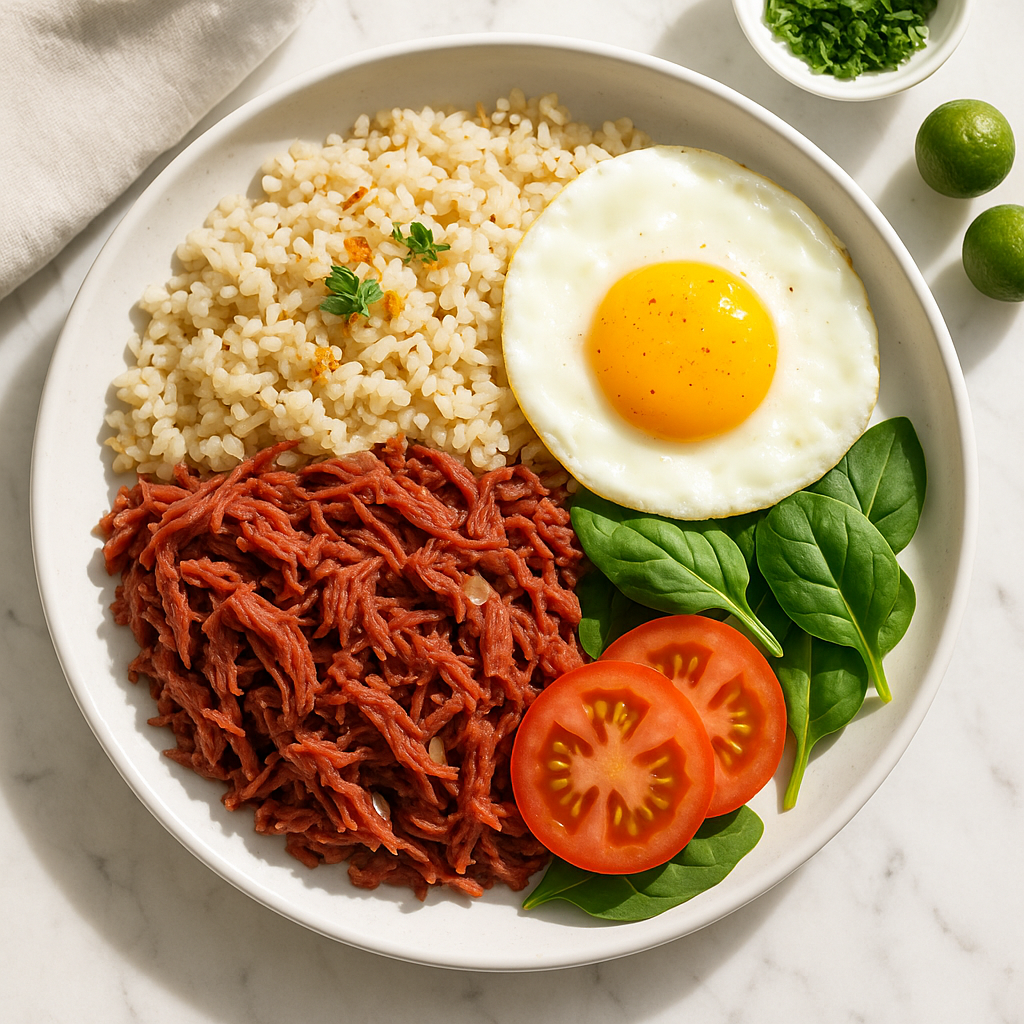
Tortang Talong Eggplant Omelette Low Calorie Filipino Breakfast
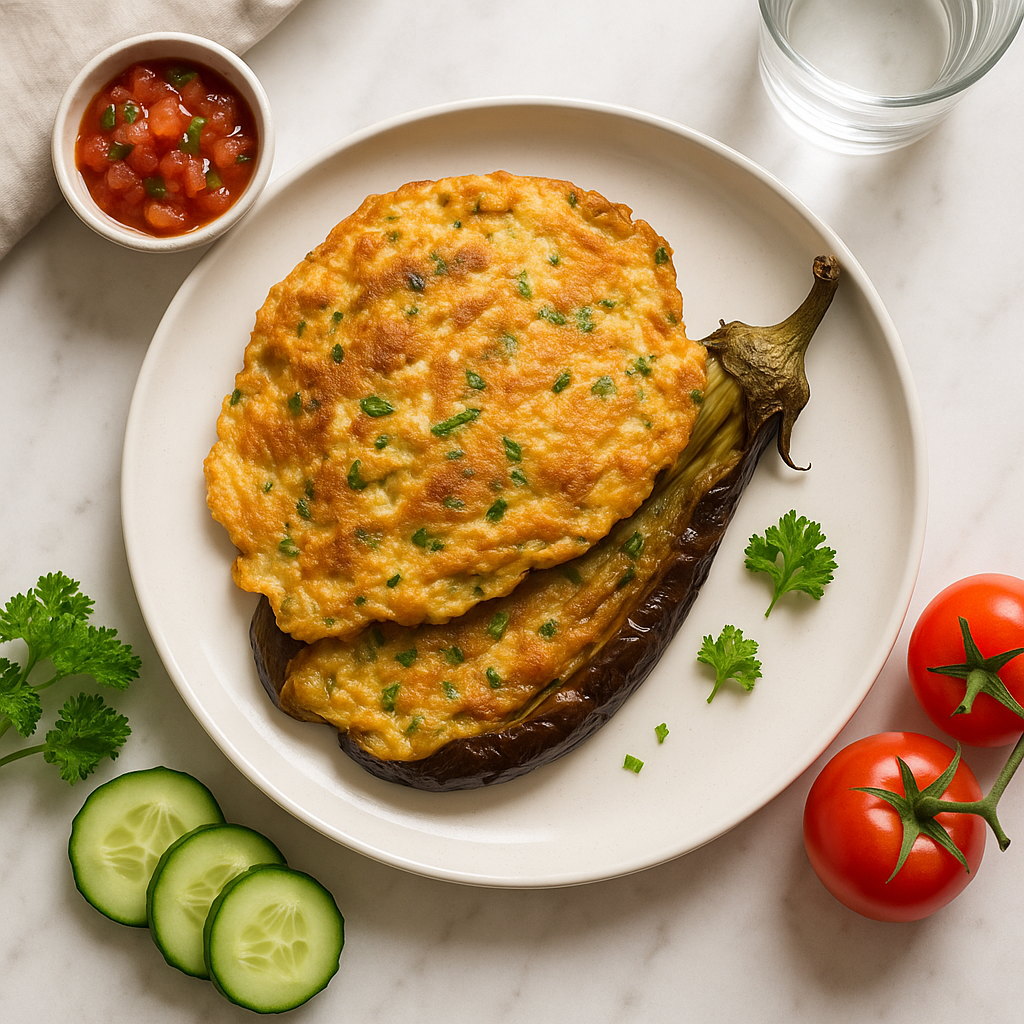
Tortang Talong Eggplant Omelette Low Calorie Filipino Breakfast is the kind of recipe that earns a permanent spot in your weekly rotation once you make it the first time. The traditional Filipino tortang talong is a beloved comfort food, but most versions call for multiple whole eggs fried in generous amounts of oil, which pushes the calorie count up quickly. This lighter version keeps everything that makes the dish so satisfying, the smoky charred eggplant, the savoury egg coating, the fragrant garlic and spring onion, while trimming the fat significantly by using a mix of whole eggs and egg whites alongside cottage cheese. The result sits under 180 calories per serving with 17 grams of protein and only 4 grams of fat. That is a substantial, filling breakfast that costs you very little calorically. For anyone who grew up eating this dish or has discovered Filipino breakfast food and wants a version that fits a calorie target without feeling like a compromise, this recipe is exactly that.
The ingredient list here is doing a lot of nutritional work. The two Filipino eggplants, sometimes called talong, are the centrepiece, and they bring 4 grams of fibre to the dish, which slows digestion and keeps hunger at bay for hours. Eggplant is also a good source of nasunin, an antioxidant found in the skin. The combination of two whole eggs and four egg whites is deliberate. Whole eggs contribute fat-soluble vitamins including B12, D and choline, which supports brain function, while the egg whites pile on lean protein without extra fat. The 3 tablespoons of low fat cottage cheese are the quiet addition that makes this recipe work so well. Cottage cheese blends seamlessly into the egg mixture, adding extra protein and a slight creaminess without changing the flavour profile noticeably. Garlic provides allicin, which has well-documented anti-inflammatory properties. Calamansi, the small citrus fruit native to Southeast Asia, adds a bright acidic note and a small hit of vitamin C. Spring onion and tomato round things out with colour, freshness and trace minerals.
Before you cook this, you need to char the eggplant directly over a flame or under a grill until the skin blackens and the flesh turns completely soft. This step is non-negotiable. It creates the smoky depth that defines tortang talong. Once the eggplant cools, you peel back the charred skin and press the soft flesh flat with a fork, keeping the stem intact so it fans out like a wide paddle. The egg and cottage cheese mixture gets seasoned with soy sauce, black pepper, salt, garlic and spring onion, then the flattened eggplant is coated in it and laid into a pan lightly misted with olive oil spray. The exterior sets into a thin, golden crust while the interior stays tender and just barely custardy from the cottage cheese. The tomato, added either into the egg mix or served fresh alongside, gives a juicy, slightly acidic contrast. The squeeze of calamansi at the end cuts through the richness and wakes everything up. The smell when the garlic hits the pan is genuinely hard to resist.
This recipe supports several specific health goals. At 9 grams of carbohydrates and 4 grams of fat, it fits comfortably within a ketogenic framework, and since every ingredient is naturally gluten-free, it works for anyone managing coeliac disease or gluten sensitivity without any substitutions needed. The high protein content of 17 grams per serving supports muscle retention and satiety, making this useful for people managing their weight or following a body recomposition plan. The fibre from eggplant aids gut health and contributes to the feeling of fullness that protein alone does not always achieve. Athletes doing morning training who need a real meal before or after a session will find this hits those requirements efficiently. People managing blood sugar levels will appreciate that the low sugar content of 5 grams, combined with the fibre and protein, makes for a low glycaemic breakfast. Older adults who need nutrient density at lower calorie counts will also find this recipe particularly practical. It is not a diet food in the deprivation sense. It is a genuinely nutritious meal that happens to be light.
For meal prep, the eggplants can be charred, peeled and stored flat in the fridge for up to two days, which cuts the morning cook time down considerably. The egg and cottage cheese mixture can also be whisked and refrigerated overnight in a sealed container. The assembled omelette keeps in the fridge for up to three days in an airtight container. Reheat it in a dry non-stick pan over low heat for a couple of minutes on each side rather than microwaving, which can make the egg rubbery. If you want to freeze it, wrap individual portions tightly and freeze for up to a month, then thaw overnight in the fridge before reheating. For variations, try adding a small amount of diced bell pepper into the egg mixture for extra colour and vitamin C. A tablespoon of grated low fat cheese on top during the final minute of cooking adds flavour without much extra fat. You can also swap calamansi for regular lime if calamansi is not available locally, and it works very well. Check the full recipe card below for exact timings and step by step instructions.
Ingredients
- 2 medium long Filipino eggplants (aubergines) (or 1 large regular eggplant, about 300g total)
- 2 whole large eggs (free range if possible)
- 4 whole egg whites (from 4 large eggs, or carton egg whites)
- 3 tablespoons low fat cottage cheese (blended smooth)
- 2 cloves garlic (finely minced)
- 3 stalks spring onions (scallions) (thinly sliced, divided)
- 1 small ripe tomato (finely diced, for topping)
- 0.3 teaspoon ground black pepper
- 0.3 teaspoon sea salt (adjust to taste)
- 1 teaspoon low sodium soy sauce (or fish sauce for authenticity)
- 2 sprays olive oil cooking spray (one per omelette)
- 1 whole calamansi or lime (cut into wedges, to serve)
Instructions
- 1
Char the eggplants by placing them directly over a medium gas flame on your hob, turning every 2 to 3 minutes with tongs until the skin is completely blackened and the flesh feels very soft when pressed, about 10 to 12 minutes total. If you have an electric hob, place them on a foil-lined baking tray under a high broiler for 12 to 15 minutes, turning halfway.
The eggplant should feel almost collapsed when fully charred. Do not rush this step as it creates the signature smoky flavour.
- 2
Transfer the charred eggplants to a colander and allow them to cool for 5 minutes. Once cool enough to handle, carefully peel away and discard all the blackened skin, keeping the stem intact if possible. Pat the flesh gently with a paper towel to remove excess moisture.
Removing moisture is key to getting a crisp, golden omelette rather than a soggy one.
- 3
Place the peeled eggplant on a flat plate or board. Using a fork, gently press and fan out the flesh so it forms a flat oval shape. The stem can stay on for presentation. Set aside.
- 4
In a small blender or with a hand whisk, combine the 2 whole eggs, 4 egg whites, blended cottage cheese, minced garlic, half the sliced spring onions, black pepper, sea salt and soy sauce. Whisk vigorously until completely smooth and slightly frothy.
Blending the cottage cheese before adding it ensures no lumps and gives the egg mix a silkier texture.
- 5
Heat a medium non-stick frying pan over medium heat. Spray lightly with olive oil spray. Pour half the egg mixture into the pan, spreading it gently to roughly the size of your eggplant.
- 6
Immediately lay one flattened eggplant on top of the egg mixture in the pan, pressing it down lightly so it sits flat. Allow the omelette to cook undisturbed for 2 to 3 minutes until the edges look set and golden.
Keep the heat at medium. Too high and the egg will brown before it sets through.
- 7
Carefully slide a wide spatula under the omelette and flip it in one confident motion. Cook for a further 1 to 2 minutes on the second side until golden and fully cooked through. Slide onto a plate with the eggplant side facing up.
If your omelette tears slightly during flipping, do not worry. Press it back together gently and it will look perfect on the plate.
- 8
Repeat with the second eggplant and remaining egg mixture. Serve each omelette topped with fresh diced tomato and the remaining spring onions, with lime or calamansi wedges on the side. A small drizzle of fish sauce is optional but adds wonderful authentic flavour.
Nutrition per serving
175kcal
Calories
17g
Protein
9g
Carbs
4g
Fat
4g
Fibre
5g
Sugar
340mg
Sodium
Pro Tips
- ✓
Using Filipino long eggplants gives you the best flat shape for this dish, but a regular medium eggplant works just as well when fanned out.
- ✓
Blending your egg whites with whole eggs gives a fluffier, more substantial omelette than whole eggs alone.
- ✓
Always dry your charred eggplant well before adding it to the egg mixture. Excess water is the main reason omelettes turn rubbery.
- ✓
A non-stick pan is non-negotiable here. It allows you to use minimal oil without anything sticking.
- ✓
For extra smoky flavour, add a tiny pinch of smoked paprika to the egg mixture.
- ✓
Serve immediately for the crispiest texture. These omelettes do soften as they sit.
Frequently Asked Questions
Variations
- •
Turkey Giniling Tortang Talong
Add 60g of cooked and seasoned lean ground turkey to the egg mixture per serving. This boosts the protein content to over 25 grams per omelette while keeping calories under 230. Season the turkey with garlic, onion and a pinch of black pepper before mixing in.
- •
Spicy Tortang Talong
Add one small red chilli, finely minced, or a quarter teaspoon of chilli flakes to the egg mixture. This adds heat and a metabolism-boosting kick without any extra calories.
- •
Vegetable Packed Tortang Talong
Fold a small handful of finely chopped spinach and diced red capsicum into the egg mixture before cooking. This adds extra fibre, iron and vitamin C, making the omelette even more nutritionally complete.
- •
Dairy Free Tortang Talong
Simply omit the cottage cheese and replace it with an extra egg white. The omelette will be slightly less creamy but still delicious, fully dairy free, and the calorie count drops by around 15 calories per serving.
Substitutions
- •Low fat cottage cheese → Plain low fat Greek yogurt (Use the same quantity. Greek yogurt adds a similar creamy protein boost and blends just as smoothly into the egg mixture.)
- •Egg whites → Carton liquid egg whites (Use 120ml of liquid egg whites to replace 4 egg whites. This is a convenient time-saving swap with identical nutritional value.)
- •Filipino long eggplant → Regular medium eggplant or Japanese eggplant (Any variety works well. Regular eggplant may need slightly longer charring time due to its thicker flesh. Japanese eggplant is closest in size and texture to the Filipino variety.)
- •Low sodium soy sauce → Coconut aminos (Coconut aminos is naturally lower in sodium and slightly sweeter. It is a great option for those monitoring salt intake.)
- •Calamansi → Fresh lime or lemon (Calamansi is the traditional Filipino citrus used here. Fresh lime is the closest flavour match, though a small squeeze of lemon also works nicely.)
🧊 Storage
Store any leftover cooked omelettes in an airtight container in the refrigerator for up to 2 days. Reheat in a dry non-stick pan over low heat for 2 to 3 minutes per side, or in a microwave for 60 seconds. Note that reheated omelettes will be slightly softer in texture than freshly cooked ones.
📅 Make Ahead
You can char and peel the eggplants up to 24 hours ahead. Store them covered in the refrigerator. The egg mixture can also be whisked and stored in a sealed jar in the fridge overnight. When ready to cook, simply bring both to room temperature for 5 minutes before cooking.
You might also like
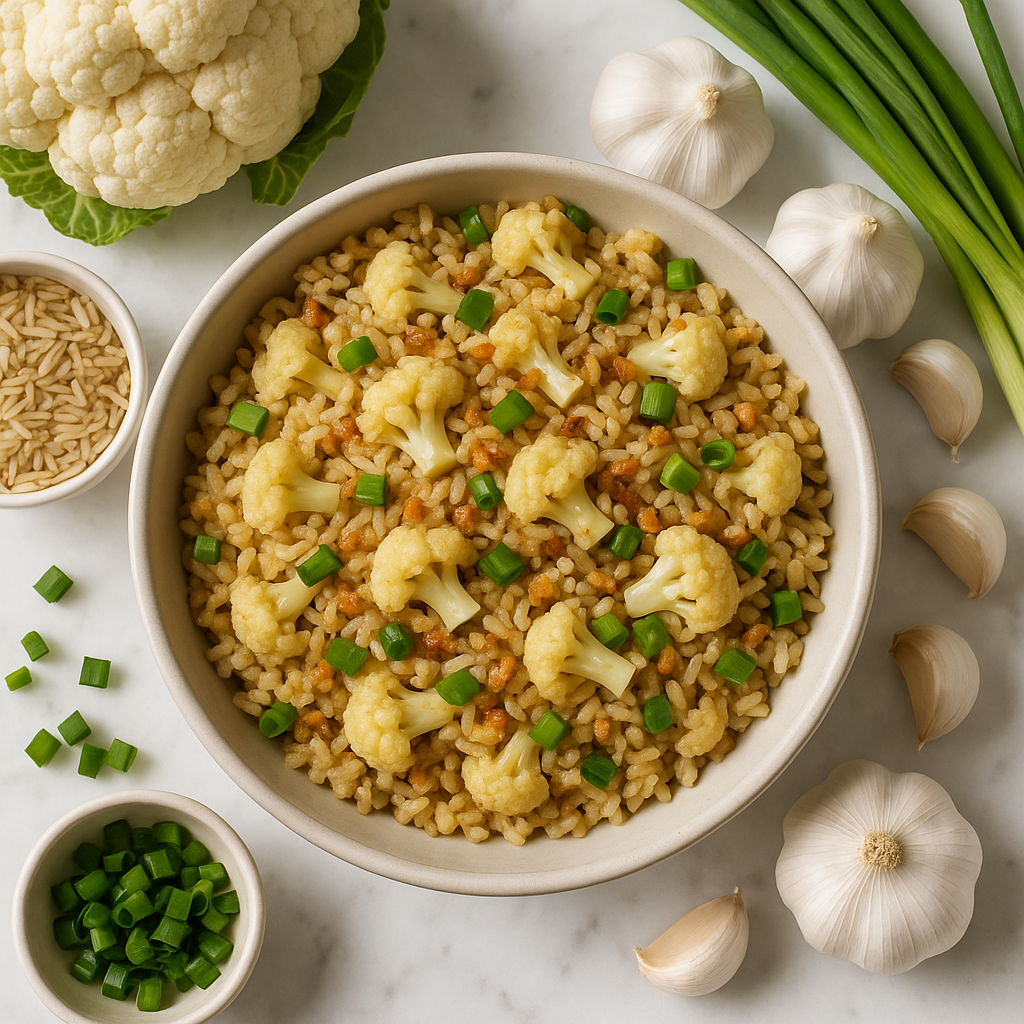
Healthy Sinangag Garlic Fried Rice Recipe Filipino Style with Cauliflower and Brown Rice
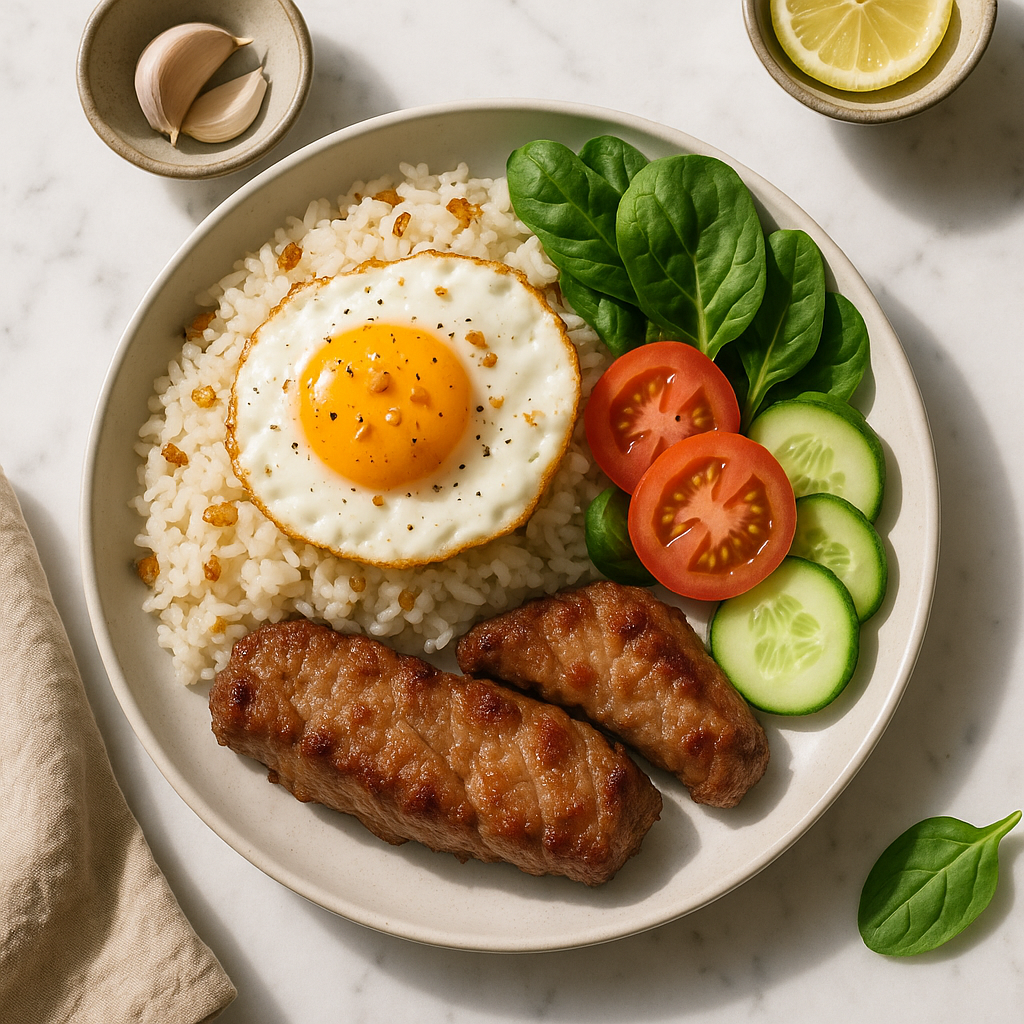
Sinangag Garlic Fried Rice with Egg Silog (Healthy High-Protein Filipino Breakfast)