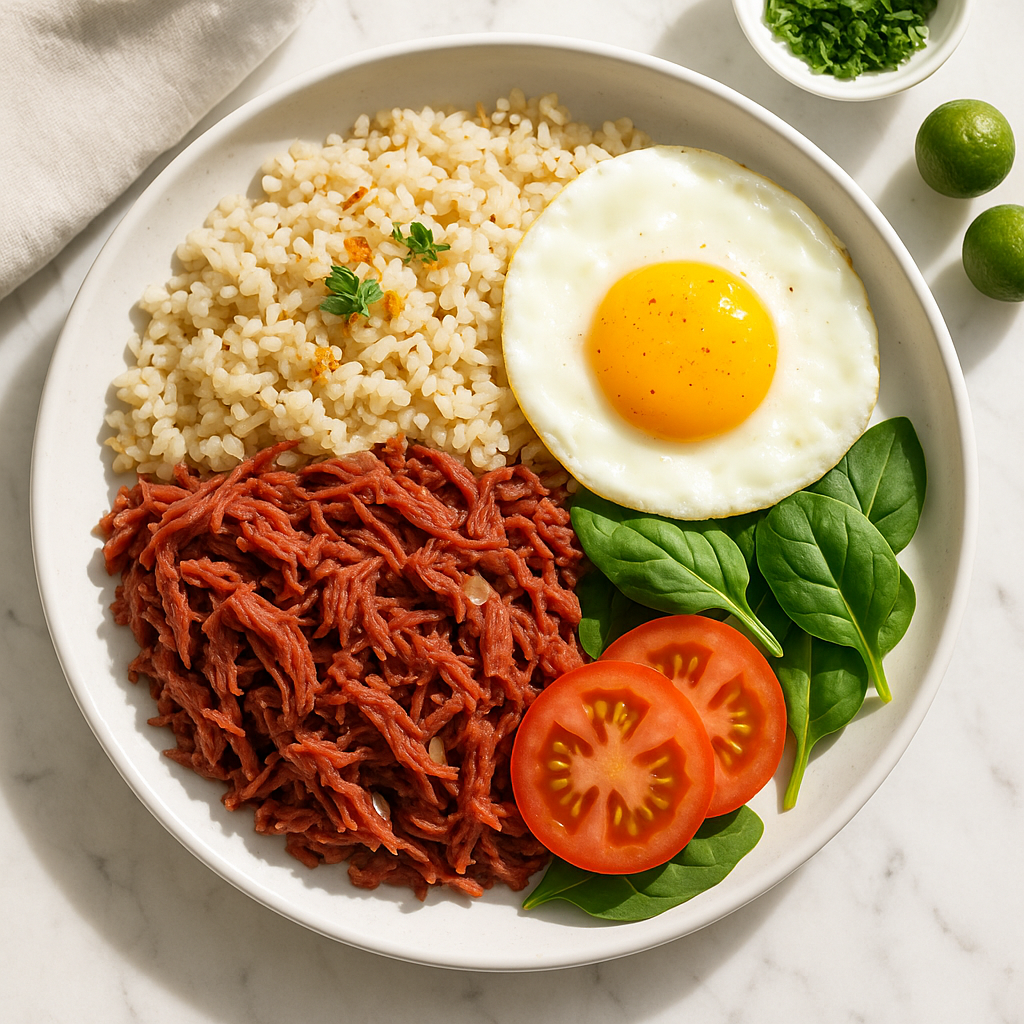
Sinangag Filipino Garlic Fried Rice Recipe with Cauliflower and Brown Rice
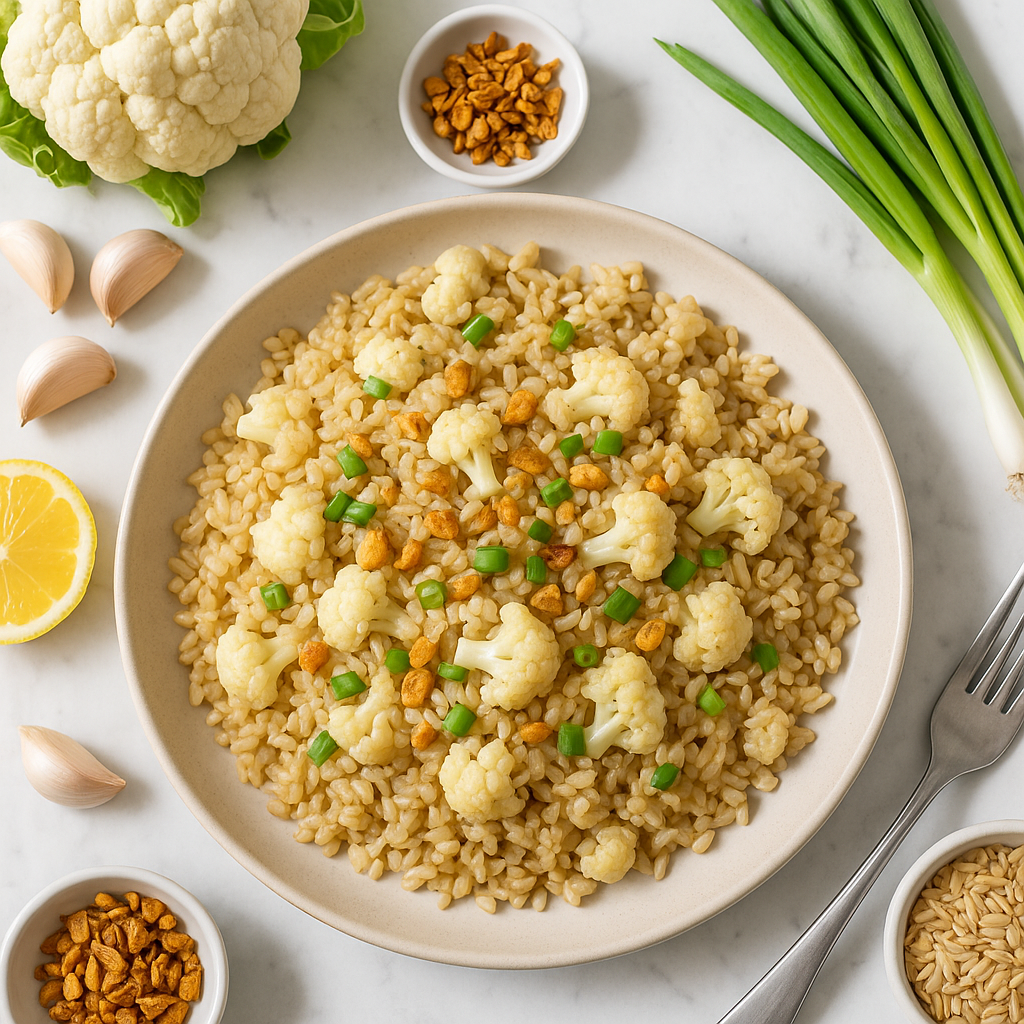
Sinangag Filipino Garlic Fried Rice Recipe with Cauliflower and Brown Rice takes a beloved Filipino breakfast staple and builds on it in a way that makes nutritional sense without stripping out any of the character that makes sinangag worth eating in the first place. Traditional sinangag is already a smart morning meal, using leftover rice fried with generous amounts of garlic to create something aromatic and satisfying. This version goes further by folding in riced cauliflower alongside brown rice, which pushes the fibre content to 6 grams per serving while keeping the carbohydrate load moderate at 38 grams. At 310 calories with 14 grams of protein, it sits in a range that genuinely fuels a morning without leaving you sluggish. Compared to a standard white rice sinangag, this recipe offers more staying power because of the higher fibre and the retained nutrients in brown rice. It is also dairy-free, which makes it accessible to a broad range of eaters, and it qualifies as a meal prep recipe since the components hold up well when made ahead and reheated quickly on busy mornings.
The ingredient list here is short but each item earns its place. The 1.5 cups of cooked brown rice provide complex carbohydrates, B vitamins, and meaningful amounts of magnesium, which supports muscle function and energy metabolism. Brown rice also has a lower glycaemic index than white rice, meaning blood sugar rises more gradually after eating it. The 0.75 cup of riced cauliflower blends almost invisibly into the rice once cooked, adding volume, vitamin C, and choline, which supports brain health. Six cloves of fresh garlic are not decorative here. Garlic contains allicin, a compound with anti-inflammatory and antimicrobial properties, and when it is cooked in fat it releases fat-soluble sulphur compounds that give sinangag its defining aroma. The two large eggs contribute an additional 12 grams of protein between them, along with vitamin D and lutein. Coconut oil is the cooking fat of choice, offering a mild flavour that complements the garlic without competing with it. Low-sodium soy sauce adds depth and umami while keeping sodium manageable, and rice vinegar provides a small acidic lift that brightens the whole dish at the end.
The cooking process is straightforward but timing matters. You start by heating coconut oil in a wok or wide non-stick pan until it shimmers, then add the garlic slices or minced garlic in a single move. Within seconds the kitchen smells like a Filipino household at six in the morning, warm and pungent and deeply savoury. The garlic needs to be watched closely because the line between golden and burnt is narrow, and bitter garlic will carry through the entire dish. Once the garlic reaches a pale golden colour, the riced cauliflower goes in first since it needs slightly more time to cook down and lose its raw edge. Then the brown rice follows, and you press it into the pan with the back of a spatula to let some grains catch a little colour. The eggs are scrambled directly into the rice and folded through rather than cooked separately, which means they coat the grains in fine curds rather than sitting in chunks. White pepper goes in next, followed by soy sauce, and the whole thing is finished with spring onions, coriander, and a small pour of rice vinegar. The result is a rice that is fragrant, slightly chewy, a little crisp at the edges, and packed with flavour.
This recipe suits several health goals at once. The combination of protein, fibre, and complex carbohydrates makes it useful for anyone managing blood sugar levels, including people following a low glycaemic eating pattern. At 14 grams of protein per serving, it supports muscle maintenance and recovery, which matters for people who train in the morning before eating. The dairy-free status makes it suitable for people with lactose intolerance or those following a paleo-adjacent approach, though it is worth noting the soy sauce means it is not strictly gluten-free unless a tamari substitute is used. People following a Mediterranean-style diet will find the vegetable content and healthy fat profile align reasonably well with those principles. For anyone trying to increase vegetable intake at breakfast, the riced cauliflower is genuinely undetectable in terms of texture once cooked, making this a practical way to get more brassica vegetables early in the day. Filipino food is sometimes overlooked in the conversation about nutritious global breakfasts, and this recipe demonstrates why that is worth reconsidering.
Meal prep for this recipe is genuinely easy. Cook a large batch of brown rice the night before or over the weekend, since day-old rice actually fries better than freshly cooked rice because it is drier and less likely to clump. The full recipe can be cooked, cooled, and stored in an airtight container in the refrigerator for up to four days. To reheat, use a pan with a small amount of oil over medium heat for two to three minutes, which restores some of the texture that a microwave cannot. Freezing is also an option, with portions holding well for up to one month. Thaw overnight in the fridge before reheating. For variations, swap the eggs for firm tofu crumbled into the pan for a plant-based version with comparable protein. A handful of frozen peas or edamame stirred in at the end adds colour and extra protein. For a spicier version, a small amount of chilli garlic sauce mixed through with the soy sauce works well. Scroll down to the recipe card for full measurements and step-by-step instructions.
Ingredients
- 1.5 cups cooked brown rice (day-old and refrigerated works best)
- 0.8 cup riced cauliflower (fresh or frozen and thawed)
- 6 cloves fresh garlic (thinly sliced)
- 1.5 tbsp coconut oil (or light olive oil)
- 2 large eggs (lightly beaten)
- 1.5 tbsp low-sodium soy sauce (or coconut aminos for gluten-free)
- 3 stalks spring onions (thinly sliced, whites and greens separated)
- 0.3 tsp white pepper (freshly ground if possible)
- 0.5 tsp sea salt (adjust to taste)
- 2 tbsp fresh coriander leaves (to garnish, optional)
- 1 tsp rice vinegar (for a light chilli vinegar drizzle on the side, optional)
Instructions
- 1
If using frozen riced cauliflower, thaw it completely and press it between a clean tea towel to remove as much moisture as possible. This stops the pan from steaming and keeps your fried rice nicely dry and separate.
Skipping this step is the number one reason cauliflower fried rice turns soggy. A quick press takes 30 seconds and makes a huge difference.
- 2
Heat the coconut oil in a large wok or wide non-stick skillet over medium-low heat. Add the sliced garlic and cook slowly, stirring often, for about 5 to 7 minutes until the slices turn deep golden and crispy.
Keep the heat at medium-low. Garlic burns fast and bitter garlic will ruin the whole dish. Golden and fragrant is the goal.
- 3
Using a slotted spoon, remove the crispy garlic chips from the pan and set them aside on a small plate lined with paper towel. Leave the garlic-flavoured oil in the wok.
- 4
Turn the heat up to medium-high. Add the spring onion whites to the garlic oil and stir-fry for 30 seconds until softened and fragrant.
- 5
Add the riced cauliflower to the pan and stir-fry for 2 minutes, spreading it out to let any remaining moisture evaporate. Then add the cold brown rice, breaking up any clumps with the back of your spatula.
Pressing the rice lightly against the hot pan and letting it sit undisturbed for 30 seconds before tossing helps develop those lovely toasty, slightly crispy bits.
- 6
Toss the rice and cauliflower together well, stir-frying over medium-high heat for about 3 minutes until everything is heated through and starting to pick up some colour.
- 7
Push the rice mixture to the sides of the wok, creating a clear space in the centre. Pour the beaten eggs into the centre and scramble them gently, stirring until just barely set. Then fold the soft scrambled egg through the rice mixture.
Folding the eggs in while they are still slightly underdone is fine because the residual heat of the rice will finish cooking them through. This keeps them soft rather than rubbery.
- 8
Drizzle the low-sodium soy sauce evenly over the rice. Add the white pepper and sea salt, then toss everything together well for another minute.
- 9
Remove from the heat. Taste and adjust seasoning as needed. Divide the sinangag between two bowls. Top each with the reserved crispy garlic chips, the spring onion greens, and fresh coriander leaves if using.
Serve immediately while the garlic chips are still crispy. They are the best part.
Nutrition per serving
310kcal
Calories
14g
Protein
38g
Carbs
11g
Fat
6g
Fibre
3g
Sugar
420mg
Sodium
Pro Tips
- ✓
Day-old cold rice is non-negotiable for good fried rice. Freshly cooked rice has too much steam and moisture and will clump together badly in the pan.
- ✓
Cook the garlic low and slow. The patience you give to this one step transforms the entire dish.
- ✓
If your wok or pan is not very large, fry the rice in two batches rather than crowding it. A crowded pan steams instead of fries.
- ✓
Coconut aminos is a brilliant swap for soy sauce here. It is slightly sweeter, naturally lower in sodium, and makes the whole dish gluten-free without any compromise on that savoury depth.
- ✓
This sinangag is traditionally served alongside eggs and a protein like grilled chicken or turkey sausage. A fried egg on top turns it into a complete and very satisfying breakfast plate.
Frequently Asked Questions
Variations
- •
Sinangag with Turkey Sausage
Slice two cooked chicken or turkey sausages and add them to the wok after the spring onion whites, stir-frying until lightly browned before adding the rice. This bumps the protein content significantly and makes a heartier breakfast bowl.
- •
Spicy Sinangag
Add one finely chopped bird's eye chilli or half a teaspoon of chilli flakes to the garlic oil along with the spring onion whites. The heat weaves through every grain of rice and adds a wonderful kick that many Filipinos love.
- •
Vegetable Sinangag
Toss in a handful of frozen peas, diced carrot, and baby spinach along with the cauliflower for extra vegetables, fibre, and colour. The spinach wilts down quickly and adds iron and folate to your morning bowl.
- •
Egg-Free Sinangag
Skip the eggs and fold in half a block of crumbled firm tofu seasoned with a pinch of turmeric, black salt, and a teaspoon of nutritional yeast. You still get a protein boost and that satisfying eggy richness without using any animal products.
Substitutions
- •Brown rice → White jasmine rice (Use cold day-old jasmine rice for the classic sinangag texture. The dish will be slightly lower in fibre and have a higher glycaemic index but will still taste wonderful.)
- •Riced cauliflower → Broccoli rice (Riced broccoli works just as well and adds a slightly different flavour profile along with vitamin C and sulforaphane. Press it dry just as you would the cauliflower.)
- •Coconut oil → Light olive oil or avocado oil (Both work well at the heat levels needed for this recipe. Avocado oil has the highest smoke point and a neutral flavour.)
- •Low-sodium soy sauce → Coconut aminos (Coconut aminos has a slightly sweeter, milder flavour and is lower in sodium. It also makes the dish gluten-free. Use the same quantity or add a touch more to taste.)
- •Eggs → Firm tofu (Crumble half a block of firm tofu and season with turmeric and black salt before folding through the rice. Gives a similar protein boost and richness while keeping the dish vegan.)
🧊 Storage
Store leftover sinangag in an airtight container in the refrigerator for up to 3 days. Reheat in a hot skillet with a tiny splash of water or a very light drizzle of oil to bring it back to life. Microwaving works too but the texture is better when re-fried. Do not freeze cooked fried rice with egg mixed through as the egg texture becomes rubbery once thawed.
📅 Make Ahead
Cook the brown rice up to 3 days ahead and store it uncovered or loosely covered in the fridge so it dries out a little. This actually improves the final fried rice texture significantly. You can also pre-slice the garlic and store it in the fridge overnight. The full dish itself is best made fresh to order, as the crispy garlic chips will soften if stored in the rice for too long.
You might also like
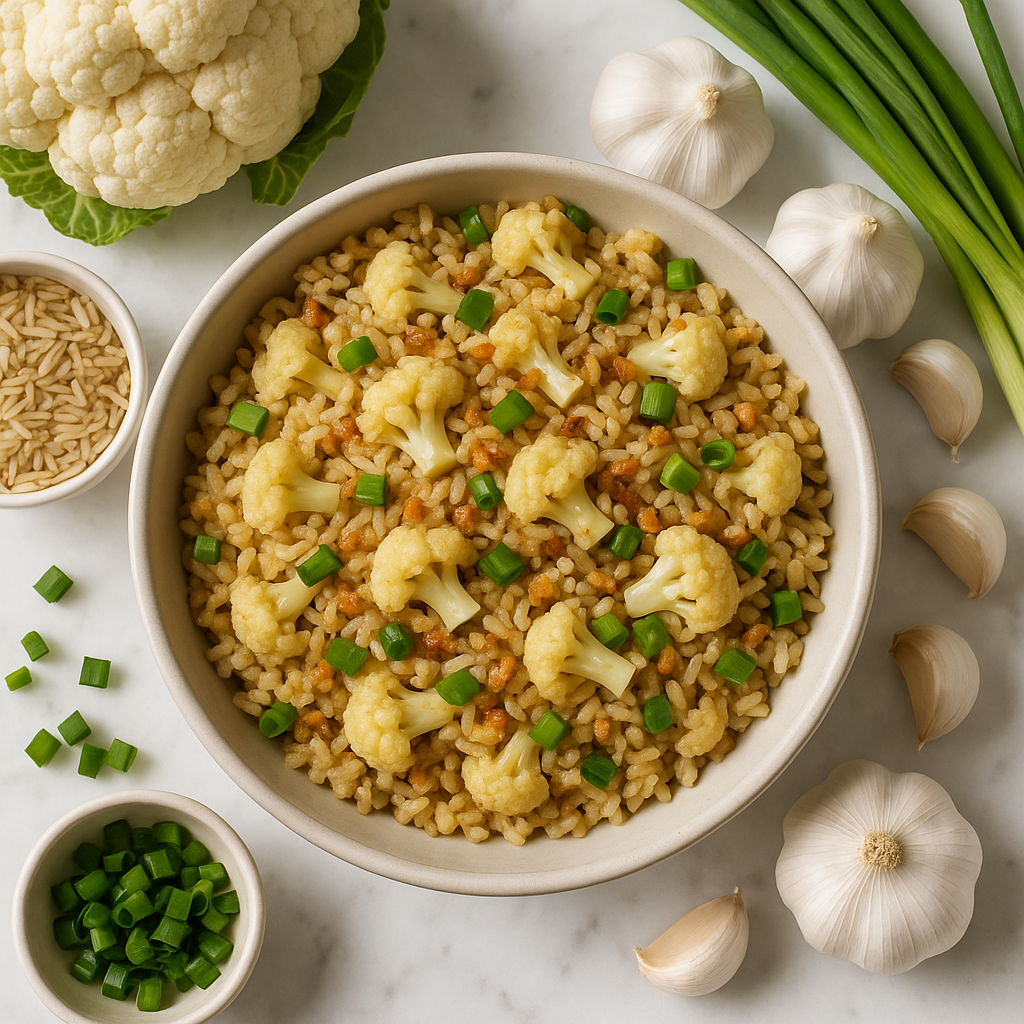
Healthy Sinangag Garlic Fried Rice Recipe Filipino Style with Cauliflower and Brown Rice
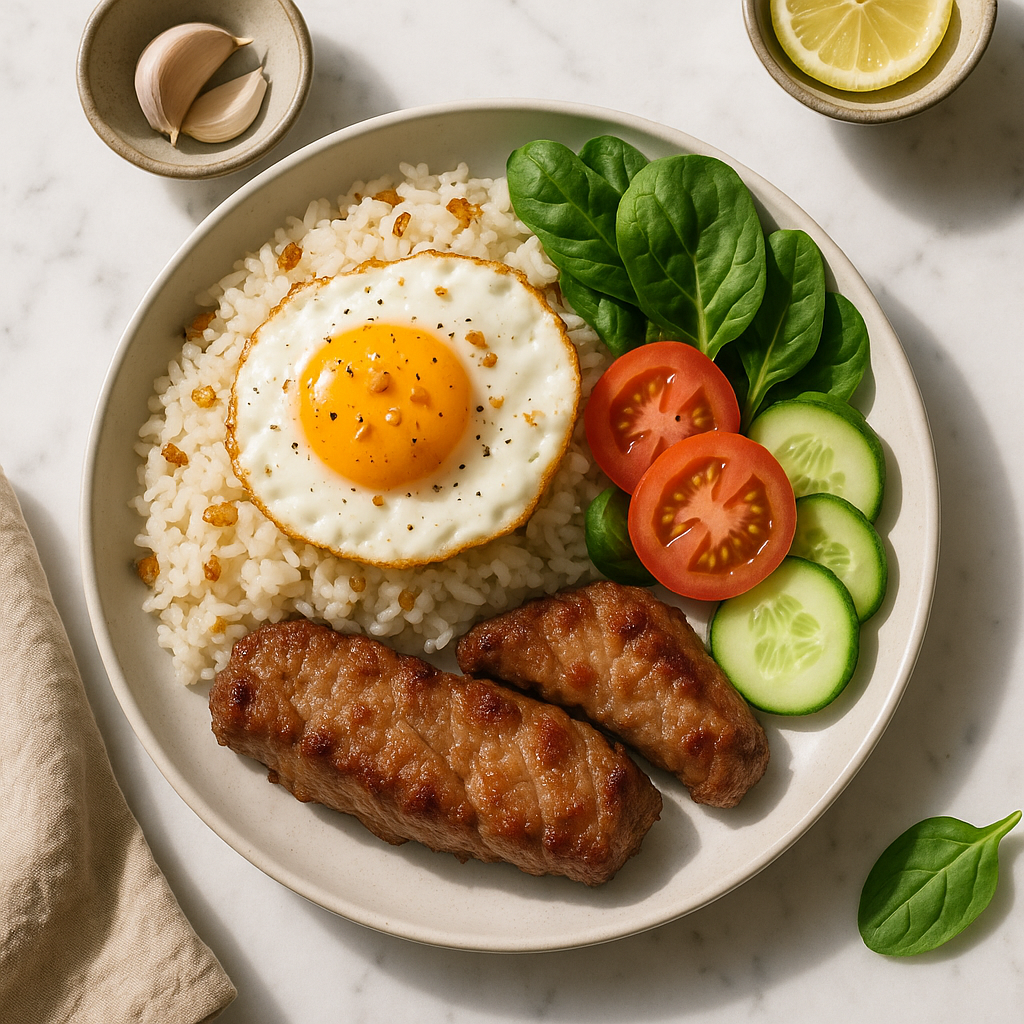
Sinangag Garlic Fried Rice with Egg Silog (Healthy High-Protein Filipino Breakfast)