Poqui Poqui Roasted Eggplant Tomato Egg Filipino Recipe with Extra Protein
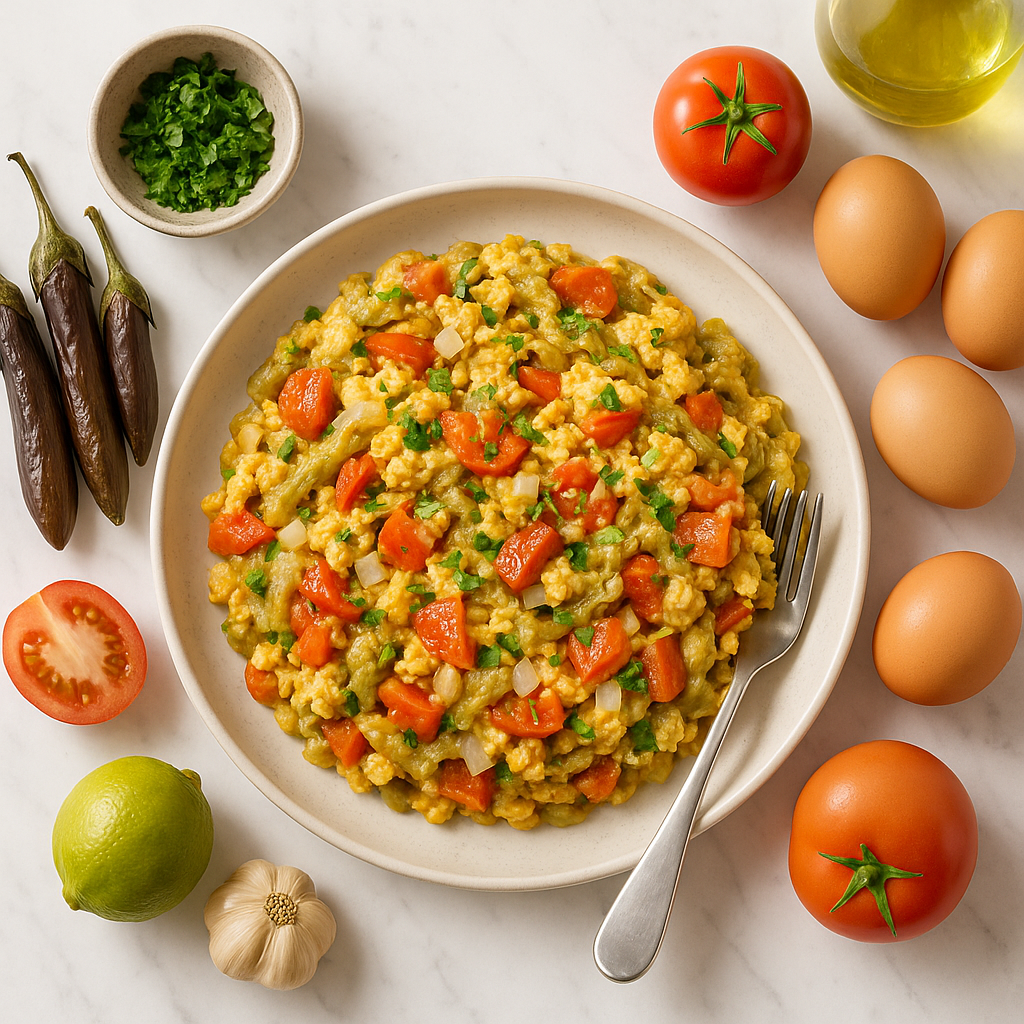
Poqui Poqui Roasted Eggplant Tomato Egg Filipino Recipe with Extra Protein is the kind of dish that earns a permanent spot in your breakfast rotation once you make it the first time. This is a high-protein, low-calorie Filipino classic from the Ilocos region of the Philippines, and this version has been built out with extra egg whites to push the protein count to 18 grams per serving without altering the soul of the dish. At only 210 calories, it gives you genuine staying power through the morning. What sets this recipe apart from other egg-based breakfasts is the layered smokiness from fire-roasted eggplant combined with the natural sweetness of ripe tomatoes, all brought together quickly in one pan. It is also gluten-free, dairy-free, and fits both paleo and whole-food eating patterns, so it works across a wide range of dietary needs. If you have had scrambled eggs and found them boring, this recipe changes that entirely. The depth of flavour here comes from a short ingredients list used with real intention.
The ingredients in this recipe each carry specific nutritional weight. Filipino or Japanese eggplants are the foundation, and they bring 5 grams of fibre per serving, which supports gut health and helps regulate blood sugar after a meal. Roasting them over an open flame or under a grill breaks down the flesh and creates the smoky base flavour the dish is built on. Three whole large eggs contribute healthy fats, choline for brain function, and a solid protein base. The two additional egg whites are where the extra protein comes from, adding roughly 7 to 8 grams of lean protein with almost no added fat or calories. Ripe tomatoes add lycopene, vitamin C, and natural sugars that balance the smokiness of the eggplant. Red onion brings quercetin, a plant compound with anti-inflammatory properties. Garlic contains allicin, which supports immune function. Fish sauce adds umami and a small amount of sodium without the gluten found in soy sauce. Extra virgin olive oil provides heart-healthy monounsaturated fats and helps carry all the fat-soluble nutrients in the dish.
The cooking process is short but creates a genuinely satisfying result. You start by roasting the eggplants directly over a gas flame or under a hot grill until the skin chars and the interior collapses. The smell at this stage is earthy and smoky, faintly sweet, and it signals the Maillard reactions happening on the skin. Once cooled, you peel off the charred skin and roughly chop or shred the flesh into soft, silky strands. In a pan with olive oil over medium heat, you saute the garlic and red onion until softened and fragrant, then add the tomatoes and cook them down until they release their juices and begin to break apart. The eggplant goes in next, soaking up those tomato juices and taking on a jammy, cohesive texture. The eggs and egg whites are beaten together and poured over the mixture, then folded gently until just set. The finished dish is soft and custardy with firm pockets of egg, golden edges where the pan is hotter, and streaks of charred eggplant running through it. Fish sauce and black pepper go in at the end, and spring onions are scattered over the top.
This recipe is built for several specific health goals. The 18 grams of protein per serving supports muscle maintenance and repair, making it a good choice after morning exercise or for anyone trying to manage hunger through the morning without relying on high-carbohydrate foods. The 14 grams of carbohydrates come largely from vegetables rather than grains, which means the glycaemic impact is low and energy release is steady. The 5 grams of fibre supports digestive health and helps maintain a healthy gut microbiome. Because it contains no gluten, no dairy, and no processed ingredients, it suits those following paleo, Whole30-style, or anti-inflammatory eating patterns. People managing type 2 diabetes or insulin resistance will appreciate the balanced macronutrient profile. Athletes in a cutting phase who need high protein with controlled calories will find this ratio useful. It is also a genuinely good option for older adults who need adequate protein to support muscle mass. The garlic and olive oil contribute to cardiovascular health, and the tomatoes add antioxidant support through their lycopene content.
This recipe is well suited to meal prep. You can roast the eggplants the night before and store the peeled, shredded flesh in an airtight container in the fridge for up to two days. The full cooked dish keeps well refrigerated for up to three days. Reheat it gently in a non-stick pan over low heat with a splash of water to loosen it, or use a microwave on medium power for 60 to 90 seconds, stirring once halfway through. Avoid high heat when reheating or the eggs will turn rubbery. For variations, you can add a small tin of flaked tuna or shredded cooked chicken breast to further increase the protein content without changing the overall flavour profile. A small chopped chilli added with the garlic gives the dish a gentle heat that works well with the smokiness. You can also swap the fish sauce for coconut aminos to make the recipe fully paleo-compliant and slightly lower in sodium. Serve it with brown rice or eat it on its own for a lighter meal. Scroll down to the recipe card for the full measurements and step-by-step method.
Ingredients
- 2 medium Filipino or Japanese eggplants (also called talong, about 200g each)
- 3 whole large eggs (free-range if possible)
- 2 large egg whites (adds protein without extra fat)
- 2 medium ripe tomatoes (roughly chopped, seeds and juice included)
- 1 small red onion (finely diced)
- 3 cloves garlic (minced)
- 1 tablespoon extra virgin olive oil
- 1 teaspoon fish sauce (use low-sodium soy sauce for a vegetarian version)
- 0.3 teaspoon freshly ground black pepper
- 2 stalks spring onions (thinly sliced, for garnish)
- 0.5 teaspoon fine sea salt (adjust to taste)
Instructions
- 1
Roast the eggplants by placing them directly over a medium gas flame or under a grill preheated to its highest setting. Turn them every 3 to 4 minutes using tongs until the skin is completely charred and blackened on all sides and the flesh feels very soft when pressed, about 12 to 15 minutes total. Transfer to a colander set over a bowl and allow to cool for 5 minutes.
The more char you get on the skin, the smokier and more flavourful the eggplant flesh will be. Do not rush this step.
- 2
Once cool enough to handle, peel away and discard all the charred skin from the eggplants. Use your fingers or the back of a spoon to pull it away from the soft flesh. Place the peeled flesh in a bowl and roughly chop or tear it into strips, keeping any smoky juices that collect.
Rinsing the eggplant under water removes the smoky flavour. Peel it dry for the best taste.
- 3
Crack the 3 whole eggs and 2 egg whites into a bowl. Add the fish sauce and black pepper, then beat together with a fork until the yolks and whites are fully combined. Set aside.
Seasoning the eggs before cooking distributes flavour more evenly than salting afterwards.
- 4
Heat the olive oil in a medium non-stick skillet over medium heat. Add the red onion and cook, stirring occasionally, for 3 minutes until softened and translucent. Add the minced garlic and cook for a further 1 minute until fragrant, being careful not to let it brown.
- 5
Add the chopped tomatoes and a small pinch of salt to the pan. Stir to combine and cook for 4 to 5 minutes, stirring occasionally, until the tomatoes have broken down and most of the liquid has evaporated. The mixture should look jammy and concentrated.
Cooking off the excess tomato liquid here prevents the finished dish from being watery.
- 6
Add the roasted eggplant flesh to the pan and stir everything together well, breaking up any larger pieces. Cook for 2 minutes so the eggplant heats through and absorbs the flavour of the tomato and onion base.
- 7
Reduce the heat to medium-low. Pour the beaten egg mixture evenly over the vegetables. Leave it undisturbed for 30 seconds so it begins to set at the edges, then use a spatula to gently fold and scramble, pushing from the outside of the pan inward. Stop while the eggs are still just slightly soft and glossy. Remove from the heat immediately as residual heat will finish the cooking.
Slightly underdone is the goal here. Overcooked eggs turn rubbery very quickly.
- 8
Taste and adjust seasoning with salt if needed. Divide between two plates, scatter generously with sliced spring onions, and serve straight away with steamed rice, wholegrain toast, or sliced cucumber.
Nutrition per serving
210kcal
Calories
18g
Protein
14g
Carbs
10g
Fat
5g
Fibre
7g
Sugar
390mg
Sodium
Pro Tips
- ✓
Long slender eggplant varieties like Filipino talong or Japanese eggplant roast faster and have thinner skin than large globe eggplants, making them ideal for this recipe.
- ✓
If you do not have a gas stove, roasting the eggplants under a very hot grill works well. Place them on a foil-lined tray and turn every few minutes for even charring.
- ✓
Allow the sautéed tomato mixture to reduce fully before adding the eggs. This is the single most important step for getting the right consistency.
- ✓
For meal prep, make the roasted eggplant and tomato base up to two days ahead and store it covered in the fridge. Scramble the eggs fresh each morning for the best texture.
- ✓
A small pinch of smoked paprika stirred into the eggs before cooking can deepen the smoky flavour if your eggplant roasting did not get fully charred.
Frequently Asked Questions
Variations
- •
Vegetarian Poqui Poqui
Replace the fish sauce with an equal amount of low-sodium soy sauce or a half teaspoon of white miso stirred into the eggs. The depth of umami stays intact and the dish becomes fully suitable for vegetarians.
- •
Spicy Poqui Poqui
Add one small red chilli, finely sliced, to the pan along with the garlic. Alternatively, stir a quarter teaspoon of dried chilli flakes into the beaten eggs before scrambling. This adds a gentle heat that plays beautifully against the smoky eggplant.
- •
Poqui Poqui with Turkey
Stir in 80 grams of diced cooked turkey breast or sliced chicken turkey sausage with the eggplant in step 6. This further increases the protein content, making it an even more filling post-workout breakfast.
- •
High-Fibre Brown Rice Bowl
Serve the finished poqui poqui over a base of cooked brown rice instead of white rice. Brown rice adds an extra 2 grams of fibre per serving and has a lower glycaemic index, which helps keep blood sugar levels more stable through the morning.
Substitutions
- •Filipino or Japanese eggplant → Globe eggplant (One large globe eggplant can replace two smaller ones. It takes longer to roast, around 20 minutes over flame, and has more seeds, but the flavour is very similar once charred.)
- •Fish sauce → Low-sodium soy sauce or coconut aminos (Use the same quantity. Coconut aminos is slightly sweeter but works well and reduces sodium further.)
- •Red onion → White onion or shallots (White onion has a sharper flavour and shallots are more delicate and sweet. Both work perfectly in this recipe.)
- •Extra virgin olive oil → Avocado oil or coconut oil (Avocado oil has a high smoke point and neutral flavour. Coconut oil adds a faint sweetness that actually complements the eggplant quite nicely.)
- •Fresh tomatoes → Canned whole peeled tomatoes (Use half a 400g tin, drained of most of its liquid first. Cook for a little longer to reduce. A solid pantry option when fresh tomatoes are out of season.)
🧊 Storage
Store leftover poqui poqui in an airtight container in the refrigerator for up to 2 days. Reheat gently in a non-stick pan over low heat with a tiny splash of water to loosen it, stirring frequently. Microwaving works too, covered with a damp paper towel on medium power for 60 to 90 seconds. The texture softens slightly on reheating but the flavour stays excellent.
📅 Make Ahead
The roasted eggplant and sautéed tomato and onion base can be prepared up to 2 days in advance and kept in a sealed container in the fridge. When ready to eat, simply reheat the base in a non-stick pan, then pour in freshly beaten eggs and scramble. This makes weekday mornings much faster.
You might also like
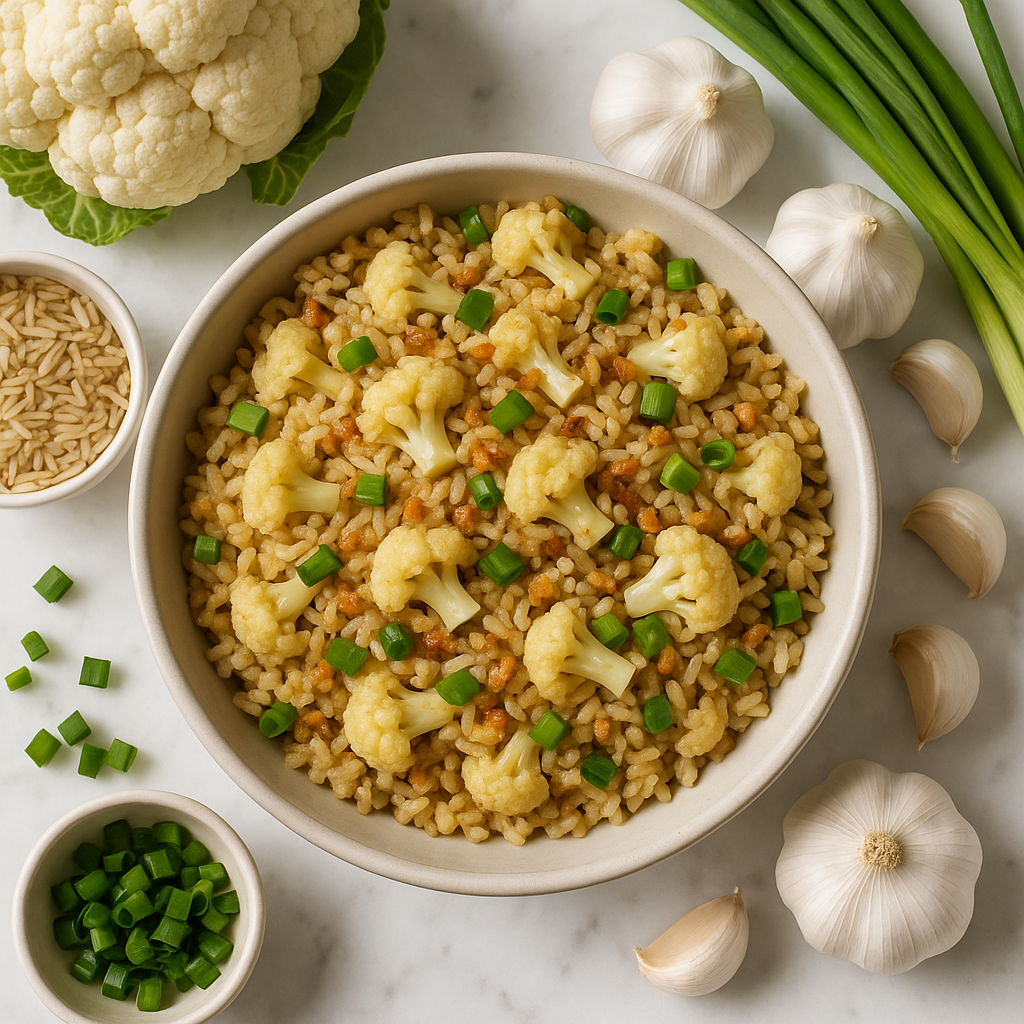
Healthy Sinangag Garlic Fried Rice Recipe Filipino Style with Cauliflower and Brown Rice
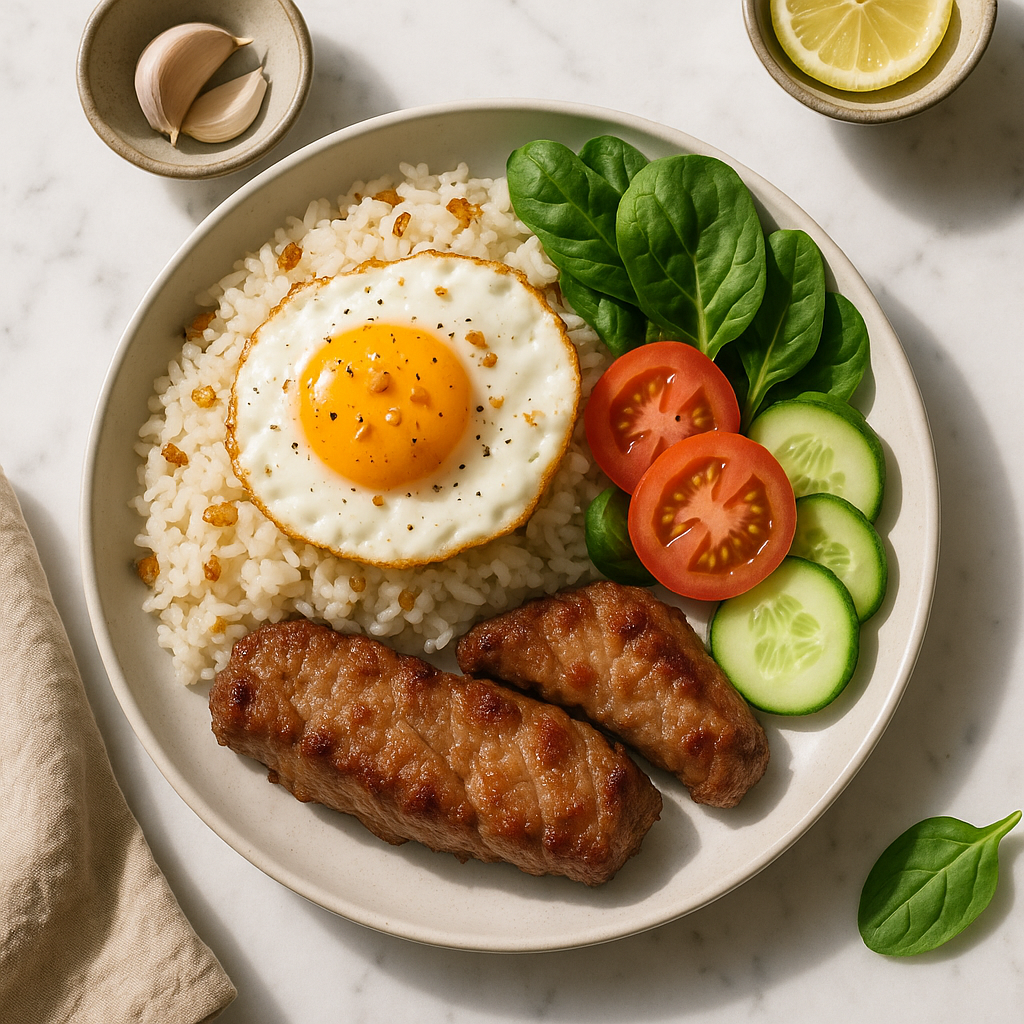
Sinangag Garlic Fried Rice with Egg Silog (Healthy High-Protein Filipino Breakfast)