High Protein Poqui Poqui Recipe with Roasted Eggplant and Eggs
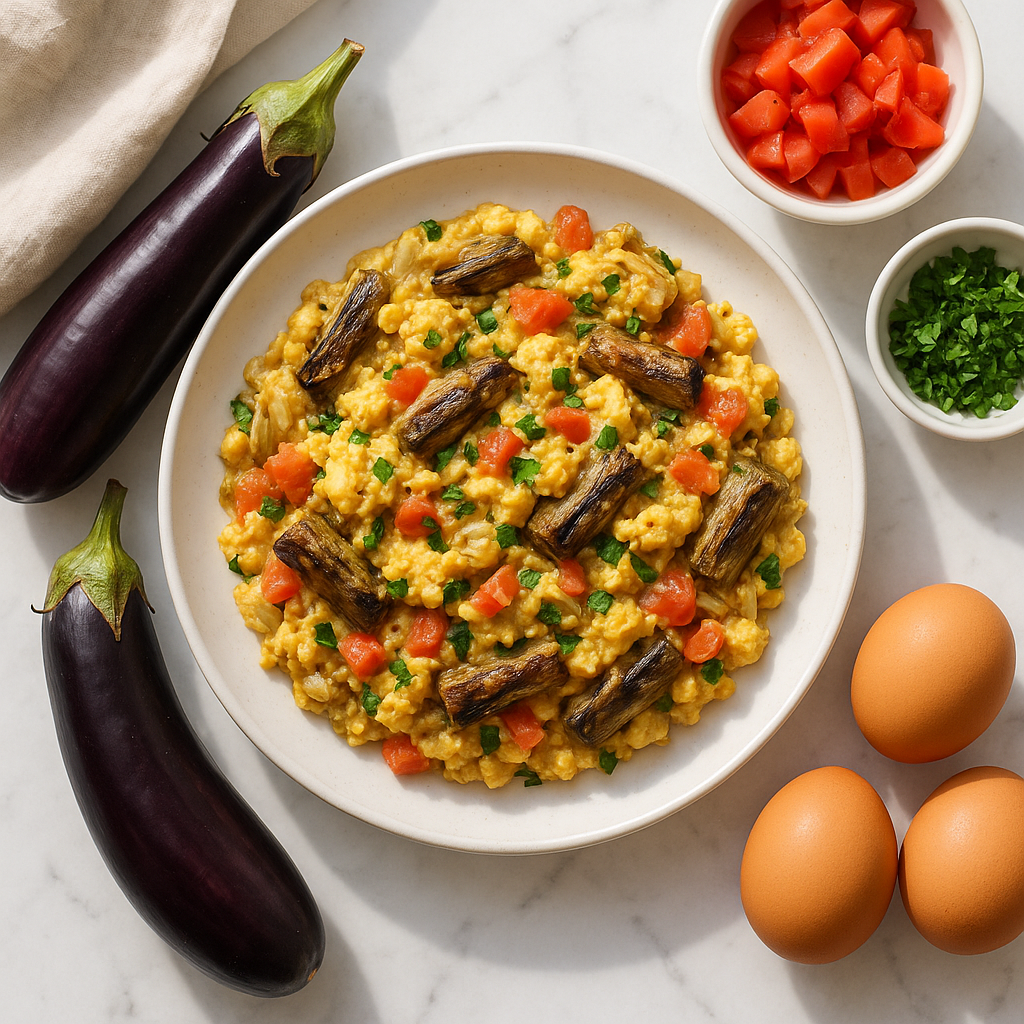
High Protein Poqui Poqui with Roasted Eggplant and Eggs is a Filipino breakfast dish that earns its place on the table through honest, satisfying flavours and a genuinely impressive nutritional profile. Most versions of poqui poqui are already a solid morning meal, but this recipe pushes the protein count to 22 grams per serving by adding egg whites alongside whole eggs, keeping the calorie count at 218. That ratio matters. You get a filling, savoury plate that supports muscle maintenance without loading up on fat or refined carbohydrates. Compared to other egg-based breakfasts that rely heavily on cheese or processed meats to hit similar protein numbers, this dish does it with whole, minimally processed ingredients. The smoky eggplant base sets it apart from a standard scramble. It has depth and body that a plain omelette cannot match, and the aromatics bring warmth that makes it feel like a proper cooked meal rather than something thrown together quickly. This is the kind of breakfast you make when you want to eat well without overthinking it.
The ingredient list in this poqui poqui recipe is short but every item pulls its weight. Asian eggplants are the foundation and they are worth seeking out specifically because their thinner skin and lower seed content means a smoother, less bitter flesh after roasting. Eggplant provides fibre, with roughly 2.5 grams per 100 grams, and contains nasunin, an antioxidant found in the skin that supports cell health. The two whole eggs contribute fat-soluble vitamins A, D, and B12 alongside their protein, while the four egg whites add approximately 14 grams of pure protein with almost no fat. Garlic and shallots are not just flavour builders here. Shallots contain quercetin, a compound linked to reduced inflammation, and garlic offers allicin, which supports cardiovascular health. Roma tomatoes bring lycopene and a gentle acidity that balances the dish. Fish sauce adds umami depth and a small hit of sodium that enhances everything around it. Calamansi juice, or lime if calamansi is unavailable, brightens the whole mixture with citric acid that keeps the flavours clean and forward.
Once you pull the roasted eggplants from the oven or off the open flame, the kitchen smells earthy and slightly sweet, with that familiar char note that makes you want to start cooking immediately. Peeling back the blistered skin reveals soft, collapsing flesh that you scrape and roughly chop before it goes into the pan. The texture of the final dish is somewhere between a loose scramble and a thick sauté. The eggplant breaks down further as it cooks with the shallots and garlic, creating a base that is almost jammy in places, soft and yielding throughout. The eggs are folded in at the end over moderate heat so they set gently rather than turning rubbery. Whole eggs add richness and colour, giving you those soft golden curds throughout the mash of eggplant. The egg whites blend into the mixture almost invisibly, thickening it slightly without changing the flavour. A scatter of flat leaf parsley or spring onion greens on top adds a fresh, slightly peppery contrast to the warm, smoky base beneath.
This recipe is a strong fit for anyone working toward body recomposition goals, meaning they want to reduce body fat while preserving or building lean muscle. The 22 grams of protein supports muscle protein synthesis when eaten in the morning, and the 6 grams of fibre help regulate blood sugar and keep appetite stable through the late morning hours. Because it contains no gluten, no dairy, and no grains, it works for people following paleo eating patterns, those managing coeliac disease, and anyone with a lactose intolerance. The fat content of 9 grams comes primarily from the olive oil and egg yolks, both sources of unsaturated or beneficial fats rather than saturated fat. At 218 calories, it also fits comfortably within calorie-controlled approaches without requiring portion adjustment for most adults. People recovering from illness or managing conditions where protein intake is a clinical concern will find this an accessible and appetising way to meet higher daily targets. It is a genuinely nourishing plate for a wide range of needs.
For meal prep, the roasted and peeled eggplant can be prepared up to two days ahead and stored in an airtight container in the fridge. The aromatics can also be pre-chopped and kept refrigerated. When you are ready to eat, the full dish takes less than ten minutes from that point. Fully cooked poqui poqui keeps well in the fridge for up to three days in a sealed container. Reheat it gently in a non-stick pan over low heat with a small splash of water to loosen the texture, or use a microwave in 45-second intervals, stirring between each. Avoid high heat on reheating or the eggs will tighten and the texture will suffer. For variations, you can add a handful of chopped prawns or tinapa flakes in with the aromatics for a more traditional Filipino flavour profile. A spoonful of gochujang or chilli garlic paste stirred through the base adds heat for those who want it. You can also swap the eggplant for zucchini if eggplant is out of season, though the smokiness will be less pronounced. The full ingredient amounts and step-by-step method are in the recipe card below.
Ingredients
- 2 medium Asian eggplants (the long, narrow variety works best for a creamy texture)
- 4 large egg whites (from fresh eggs or a carton of liquid egg whites)
- 2 whole large eggs (free range for better nutrition)
- 3 cloves garlic (minced finely)
- 3 medium shallots (thinly sliced)
- 2 medium Roma tomatoes (diced, seeds removed for less liquid)
- 1 tbsp extra virgin olive oil
- 1.5 tsp fish sauce (use low sodium fish sauce if preferred)
- 1 tsp calamansi juice or fresh lime juice (adds brightness and balances the fish sauce)
- 0.3 tsp ground black pepper
- 2 tbsp fresh flat leaf parsley or spring onion greens (for garnish, optional but adds freshness)
Instructions
- 1
Roast the eggplants by placing them directly over a medium gas flame, turning with tongs every 3 to 4 minutes until the skin is charred all over and the flesh feels completely soft when pressed. This takes about 12 minutes total. Alternatively, place them on a baking tray under a high broiler for 10 to 14 minutes, turning halfway.
Do not rush the roasting. Fully cooked, deeply charred eggplant gives you that signature smoky, creamy flesh that makes poqui poqui so special.
- 2
Transfer the charred eggplants to a bowl and cover loosely with a plate or kitchen towel. Let them steam for 5 minutes. This makes peeling much easier. Once cool enough to handle, peel away and discard the blackened skin. Place the soft flesh on a chopping board and roughly chop or gently mash with a fork, leaving some texture. Set aside.
A little char on the flesh is fine and actually adds to the smoky flavour.
- 3
In a bowl, whisk together the egg whites and whole eggs until well combined. Season lightly with a pinch of black pepper. Set aside.
Whisking thoroughly incorporates air and gives you a fluffier scramble.
- 4
Heat the olive oil in a non-stick skillet over medium heat. Add the sliced shallots and cook for 2 to 3 minutes until softened and beginning to turn golden. Add the garlic and cook for another 60 seconds until fragrant.
- 5
Add the diced tomatoes to the pan. Cook for 3 to 4 minutes, stirring occasionally, until the tomatoes have softened and released most of their juices. The mixture should look jammy and reduced.
Letting the tomatoes cook down properly builds the flavour base that carries the whole dish.
- 6
Add the mashed roasted eggplant to the pan and stir everything together gently. Drizzle in the fish sauce and calamansi juice. Stir to combine and cook for 1 minute.
- 7
Pour the whisked eggs over the eggplant mixture. Use a spatula to gently fold and stir, cooking over medium low heat until the eggs are just set and softly scrambled. This takes about 2 to 3 minutes. Remove from heat immediately so the eggs stay tender and do not overcook.
Low and slow is the key for scrambled eggs. Pulling the pan off the heat a moment before they look fully done gives perfectly soft results.
- 8
Divide between two plates and scatter over fresh parsley or spring onion greens. Serve immediately with brown rice or whole grain toast if desired.
Nutrition per serving
218kcal
Calories
22g
Protein
14g
Carbs
9g
Fat
6g
Fibre
7g
Sugar
390mg
Sodium
Pro Tips
- ✓
Asian eggplants are strongly preferred over globe eggplants here. They are naturally sweeter and have a creamier texture when roasted, with very few seeds.
- ✓
Do not skip the resting and steaming step after roasting. It makes peeling effortless and helps the flesh develop a deeper smoky flavour.
- ✓
If you want even more protein, add a third egg white to the mix or stir in two tablespoons of plain non-fat Greek yoghurt at the end for a creamy, protein-rich finish.
- ✓
Keep the heat at medium low when adding the eggs. High heat leads to rubbery, dry scrambled eggs that overpower the delicate eggplant.
- ✓
A small amount of fish sauce goes a very long way here. Start with less, taste, and adjust at the end rather than adding too much at the start.
- ✓
For a completely plant-based protein boost, swap the eggs for silken tofu scrambled with a pinch of turmeric and black salt for an egg-like flavour.
Frequently Asked Questions
Variations
- •
Spicy Chilli Poqui Poqui
Add one finely sliced red birds eye chilli or half a teaspoon of chilli flakes to the pan along with the garlic. This gives the dish a lively heat that pairs beautifully with the smoky eggplant.
- •
Turmeric Golden Poqui Poqui
Stir a quarter teaspoon of ground turmeric into the egg mixture before adding it to the pan. Turmeric adds a gorgeous golden colour, anti-inflammatory benefits, and a subtle earthy warmth to the dish.
- •
Turkey Chorizo Poqui Poqui
Brown 80 grams of sliced chicken or turkey chorizo in the pan before adding the shallots. Remove and set aside, then follow the recipe as written, stirring the chorizo back in with the eggplant. This adds even more protein and a smoky, paprika-rich depth.
- •
Plant-Based Tofu Poqui Poqui
Replace the eggs and egg whites with 300 grams of firm tofu, crumbled and seasoned with a pinch of black salt and turmeric. Cook and fold it in exactly as you would the eggs for a fully vegan, still protein-rich version of this dish.
Substitutions
- •Fish sauce → Low sodium soy sauce or coconut aminos (Use the same quantity. Coconut aminos is slightly sweeter and lower in sodium, making it a great option for those watching salt intake.)
- •Shallots → Half a medium red onion (Red onion has a slightly sharper flavour but works well here. Dice it finely and cook it a little longer until it becomes soft and sweet.)
- •Calamansi juice → Fresh lime juice or lemon juice (Both work as a bright acidic counterpoint to the savoury fish sauce. Lime is closer in flavour to calamansi.)
- •Roma tomatoes → Cherry tomatoes, halved (Cherry tomatoes are naturally sweeter and require slightly less cooking time. Use about 12 to 14 halved cherry tomatoes in place of two Roma tomatoes.)
- •Asian eggplant → Small Italian eggplant (Italian eggplants are a reasonable substitute when Asian varieties are unavailable. They are slightly denser but roast well and have a mild flavour.)
🧊 Storage
Store any leftover poqui poqui in an airtight container in the refrigerator for up to 2 days. Reheat gently in a non-stick pan over low heat with a tiny splash of water to prevent sticking. Avoid microwaving on high as it can make the egg texture rubbery. This dish is not suitable for freezing as the egg texture changes significantly after freezing and thawing.
📅 Make Ahead
Roast, peel, and mash the eggplant up to 24 hours in advance. Store it covered in the fridge. The diced tomato and sliced shallot mixture can also be prepped the night before. When morning comes, the whole dish takes under 10 minutes to finish. Whisk the eggs fresh just before cooking for the best texture.
You might also like
Healthy Sinangag Garlic Fried Rice Recipe Filipino Style with Cauliflower and Brown Rice
Sinangag Garlic Fried Rice with Egg Silog (Healthy High-Protein Filipino Breakfast)