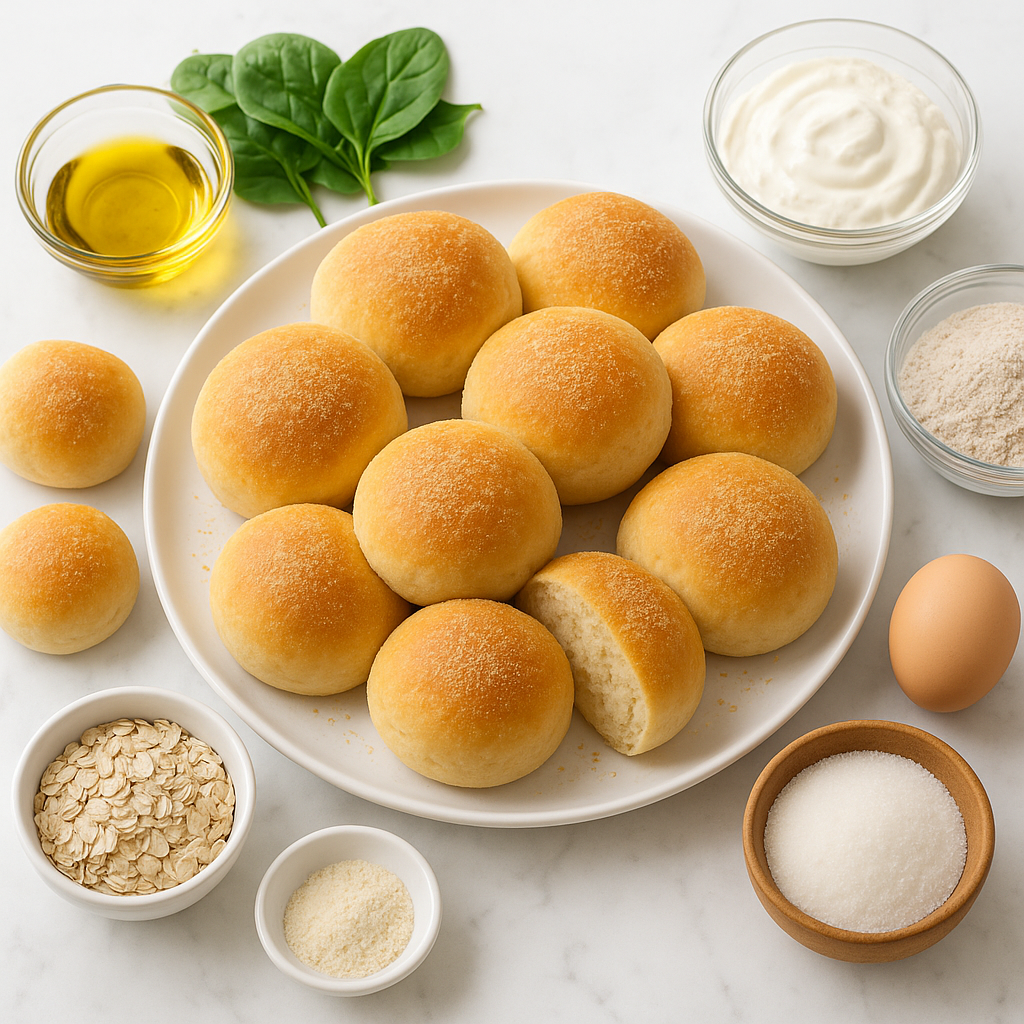
Soft Fluffy Filipino Bread Rolls: A Healthier Pandesal Recipe takes a beloved classic from Filipino breakfast tables and rebuilds it with better nutrition without losing a single bit of its soul. Pandesal is one of those breads that generations of Filipino families have eaten fresh from the bakery every morning, warm and dusted in breadcrumbs, usually alongside coffee or hot chocolate. This version keeps everything that makes pandesal worth waking up for, the pillowy crumb, the golden crust, the subtle sweetness, but it swaps in whole wheat flour, cuts the sugar significantly, and adds whey protein to push each roll to 6 grams of protein. At 138 calories per roll with 2.5 grams of fibre and only 2.8 grams of sugar, this is a bread you can eat two of without the blood sugar spike that traditional white-flour versions tend to cause. For anyone who grew up eating pandesal or who has recently discovered it, this recipe is the one to make on a Sunday so the whole week starts well.
Each ingredient in this recipe has a specific job. The combination of 200 grams of strong white bread flour and 150 grams of stone-ground whole wheat flour creates a dough that rises properly while delivering more fibre and micronutrients than an all-white loaf. Whole wheat flour contributes B vitamins, iron, and the kind of slow-digesting carbohydrates that keep you fuller longer. The 30 grams of unflavoured whey protein powder is the clever addition here. It blends into the dough without altering the taste, and it quietly lifts the protein content of every roll. Coconut sugar replaces refined white sugar. It has a slightly lower glycaemic index and brings a faint caramel note that works beautifully in an enriched dough. Raw honey feeds the yeast in the proofing stage while adding trace enzymes and antioxidants. The egg adds richness, structure, and additional protein. Olive oil, rather than butter or lard, provides healthy monounsaturated fats. The warm low-fat milk enriches the crumb without adding significant saturated fat, and the fine dry breadcrumbs give the exterior its distinctive, lightly crunchy coating.
The dough itself smells wonderful from the moment the yeast activates in warm water with honey. There is that familiar yeasty, slightly sweet smell that signals everything is working as it should. Once mixed and kneaded, the dough is smooth and elastic, a little tacky but not sticky. After its first rise it looks noticeably puffier and feels airy under your hands when you punch it down. Shaping the rolls is satisfying work. Each piece gets rolled into a smooth oval, then rolled through the fine breadcrumbs so every surface is coated. After a second rise, the rolls look plump and ready. They bake to a warm golden brown, and the breadcrumb coating sets into a thin, crisp shell that gives way to a cloud-soft interior. The taste is gently sweet and slightly nutty from the whole wheat, with a tender, pull-apart crumb that holds up to butter, cheese spread, or a fried egg tucked inside. The texture is genuinely soft rather than dense, which is the result the whey protein and proper two-stage rising provide.
This recipe supports a high-protein breakfast goal without requiring any eggs-and-meat preparation in the morning. The macros, 6 grams of protein, 22 grams of carbohydrate, and 3 grams of fat per roll, make it a reasonable base for a balanced morning meal, especially when paired with eggs or a protein-rich spread. The fibre content from the whole wheat flour supports digestive health and contributes to satiety, which matters for people managing their appetite through the morning hours. This bread fits into a balanced diet and suits those who are not following a specific exclusion diet but want to make better everyday choices. It is appropriate for people who do a morning workout and need accessible carbohydrates alongside protein for recovery. Those managing their sugar intake will appreciate that the sweetness here comes from modest amounts of coconut sugar and honey rather than refined sugar. Because it is meal prep friendly, it serves households where mornings are rushed and having something nourishing already made saves the day.
For meal prep, bake the full batch on a Sunday and store the rolls in an airtight container at room temperature for up to two days. For longer storage, refrigerate them for up to five days or freeze them in individual portions for up to three months. To reheat from the fridge, wrap a roll in a damp paper towel and microwave it for about 20 seconds, which brings back the soft texture remarkably well. From frozen, let them thaw overnight in the fridge and then warm them the same way. Variations are easy to work into this recipe. You can fold in a tablespoon of ground flaxseed with the dry ingredients for an additional fibre boost. For a savoury version, reduce the coconut sugar to half a teaspoon and mix a teaspoon of garlic powder into the dough. If you prefer a dairy-free option, oat milk works in place of low-fat milk and a plant-based protein powder can substitute for the whey without a major change to the texture. Scroll down to the recipe card for the full method and measurements.
Ingredients
- 1 teaspoon active dry yeast (check expiry date for best rise)
- 240 ml warm water (should be around 38-40 degrees C, not boiling)
- 1 teaspoon raw honey (used to activate yeast only)
- 200 g strong white bread flour (plus extra for dusting)
- 150 g stone-ground whole wheat flour (adds fibre and a subtle nuttiness)
- 30 g unflavoured whey protein powder (or use plain pea protein for a dairy-free option)
- 1.5 tablespoons coconut sugar (lower glycaemic than white sugar)
- 0.8 teaspoon fine sea salt
- 2 tablespoons extra virgin olive oil (adds tenderness without saturated fat)
- 1 large egg (room temperature)
- 60 ml warm low-fat milk (or unsweetened oat milk for dairy-free)
- 50 g fine dry breadcrumbs (for coating the rolls before baking)
Instructions
- 1
Combine the warm water, honey, and active dry yeast in a small bowl. Stir gently and leave it to sit for 8 to 10 minutes until it becomes frothy and bubbly on the surface. If it does not foam, your yeast may be old or your water too hot. Start again with fresh yeast.
Water temperature is the most common reason yeast fails. Use a kitchen thermometer if you are unsure. It should feel comfortably warm on your wrist, not hot.
- 2
In a large mixing bowl, whisk together the bread flour, whole wheat flour, whey protein powder, coconut sugar, and sea salt until evenly combined. Make a well in the centre.
Whisking the dry ingredients together first ensures the protein powder and sugar are evenly distributed throughout the dough.
- 3
Pour the activated yeast mixture, olive oil, egg, and warm milk into the well in the dry ingredients. Use a spatula or your hands to bring everything together into a shaggy dough, then turn it out onto a lightly floured surface.
- 4
Knead the dough for 10 to 12 minutes until it is smooth, elastic, and just slightly tacky. It should pass the windowpane test: stretch a small piece between your fingers and it should become thin enough to see light through without tearing. If using a stand mixer, knead on medium speed for 8 minutes with a dough hook.
Resist adding too much extra flour during kneading. A slightly sticky dough produces softer rolls.
- 5
Shape the dough into a ball and place it in a lightly oiled bowl. Cover with a clean damp tea towel or cling film and leave it to rise in a warm, draught-free spot for 60 minutes, or until doubled in size.
A cold oven with just the oven light on makes a great proving environment.
- 6
Preheat your oven to 190 degrees C (375 degrees F). Line a large baking tray with parchment paper. Spread the fine dry breadcrumbs out on a flat plate.
- 7
Punch down the risen dough gently to release the air. Divide it into 16 equal pieces, each weighing roughly 45 to 48 grams. Roll each piece into a smooth oval or log shape between your palms, then roll it in the breadcrumbs so it is lightly coated all over.
Keeping the portions equal ensures all rolls bake evenly. A kitchen scale is really handy here.
- 8
Arrange the coated rolls on the prepared baking tray with about 2 cm of space between each one. Cover loosely with a clean tea towel and leave them to rest for 10 minutes while the oven finishes heating.
- 9
Bake in the preheated oven for 16 to 18 minutes until the rolls are golden on top and sound hollow when tapped on the bottom. Avoid overbaking as they will continue cooking slightly from residual heat once removed.
For extra colour and a slight sheen, you can brush the tops with a little warm low-fat milk in the final 5 minutes of baking.
- 10
Remove from the oven and allow to cool on the tray for at least 5 minutes before serving. These are best enjoyed warm, split open and filled with your favourite topping.
The rolls will firm up slightly as they cool. This is normal and does not mean they are overbaked.
Nutrition per serving
138kcal
Calories
6g
Protein
22g
Carbs
3g
Fat
2.5g
Fibre
2.8g
Sugar
112mg
Sodium
Pro Tips
- ✓
Do not skip the windowpane test in step 4. It is the best way to know your gluten is properly developed, which directly affects how soft and fluffy the rolls turn out.
- ✓
If your kitchen is cold, place the bowl of dough near a warm stovetop or in a slightly warmed (then turned off) oven to help it prove.
- ✓
Stone-ground whole wheat flour absorbs more liquid than refined white flour. If your dough feels very stiff after mixing, add one extra tablespoon of warm water at a time until it comes together smoothly.
- ✓
Fine dry breadcrumbs give the most authentic coating. Blitz stale whole wheat bread in a food processor and toast briefly in a dry pan for a homemade version with extra fibre.
- ✓
For the softest texture, do not let the rolls over-prove after shaping. That 10-minute rest in step 8 is enough. Over-proofed rolls can collapse in the oven.
- ✓
These rolls freeze extremely well. Cool completely, then store in freezer bags. Reheat from frozen at 170 degrees C for 8 to 10 minutes.
Frequently Asked Questions
Variations
- •
Ube Pandesal
Add 2 tablespoons of ube halaya (purple yam jam) and a few drops of natural ube extract to the dough along with the wet ingredients. The rolls will turn a beautiful purple and have a mildly sweet, earthy flavour. Reduce the coconut sugar by half to balance the sweetness from the ube.
- •
Cheese-Stuffed Pandesal
Before rolling the dough portions into shape, flatten each piece and place a small cube of reduced-fat cheddar or Edam cheese in the centre. Pinch the dough closed around the cheese, then roll in breadcrumbs and bake as usual. The cheese melts inside for a gooey, savoury surprise.
- •
Pumpkin Seed Pandesal
Mix 3 tablespoons of finely chopped pumpkin seeds into the dry ingredients before combining with the wet mixture. This adds a satisfying crunch, extra zinc and magnesium, and a boost of healthy fats to every roll.
- •
Dairy-Free Oat Milk Pandesal
Replace the low-fat dairy milk with unsweetened oat milk and swap the whey protein for an equal quantity of unflavoured pea protein powder. Use a flax egg (1 tablespoon ground flaxseed mixed with 3 tablespoons water, left to gel for 5 minutes) instead of the regular egg for a fully dairy-free and egg-free version.
Substitutions
- •Whey protein powder → Unflavoured pea protein powder (Use the exact same quantity. Pea protein makes the recipe fully dairy-free and is a complete protein source. The texture is virtually identical.)
- •Coconut sugar → Monk fruit sweetener or raw cane sugar (Monk fruit keeps the rolls virtually sugar-free. Raw cane sugar works as a 1:1 swap if coconut sugar is unavailable.)
- •Bread flour → All-purpose plain flour (All-purpose flour has slightly less protein than bread flour, so the rolls may be a touch less chewy. The result is still delicious but slightly softer in structure.)
- •Extra virgin olive oil → Melted coconut oil or avocado oil (Both work as a 1:1 replacement. Coconut oil adds a very faint coconut aroma that pairs nicely with the mild sweetness of the dough.)
- •Low-fat milk → Unsweetened oat milk or almond milk (Any plant-based milk works here. Use an unsweetened variety to avoid adding unnecessary sugar to the dough.)
🧊 Storage
Store cooled rolls in an airtight container at room temperature for up to 2 days, or refrigerate for up to 5 days. To restore softness, warm in a 170 degree C oven for 5 minutes or microwave for 20 to 30 seconds before eating. Freeze fully cooled rolls in zip-lock bags for up to 2 months. Reheat from frozen at 170 degrees C for 8 to 10 minutes.
📅 Make Ahead
The dough can be made the night before and left to prove slowly in the refrigerator overnight. The next morning, allow the dough to sit at room temperature for 30 minutes before dividing, shaping, coating in breadcrumbs, and baking as directed. Cold-proved dough develops a slightly deeper flavour that many bakers prefer.
You might also like
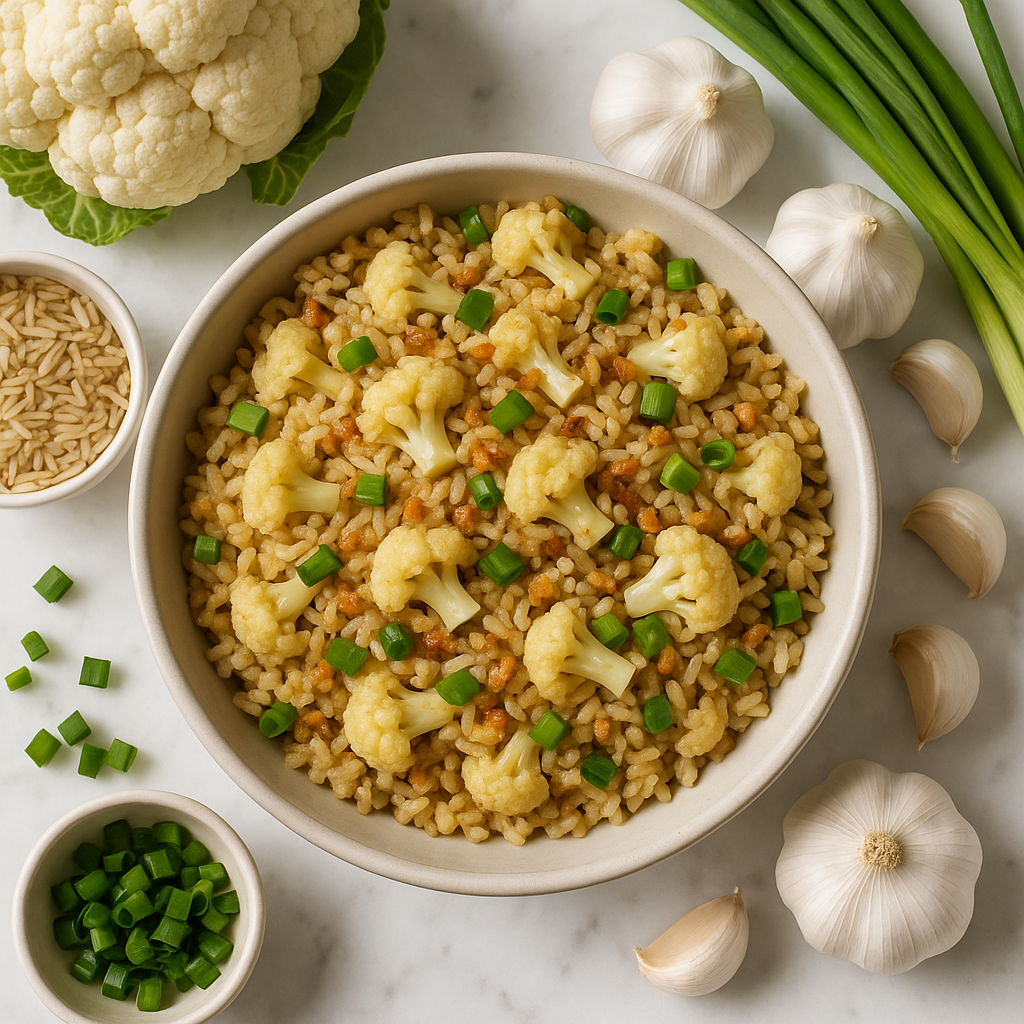
Healthy Sinangag Garlic Fried Rice Recipe Filipino Style with Cauliflower and Brown Rice
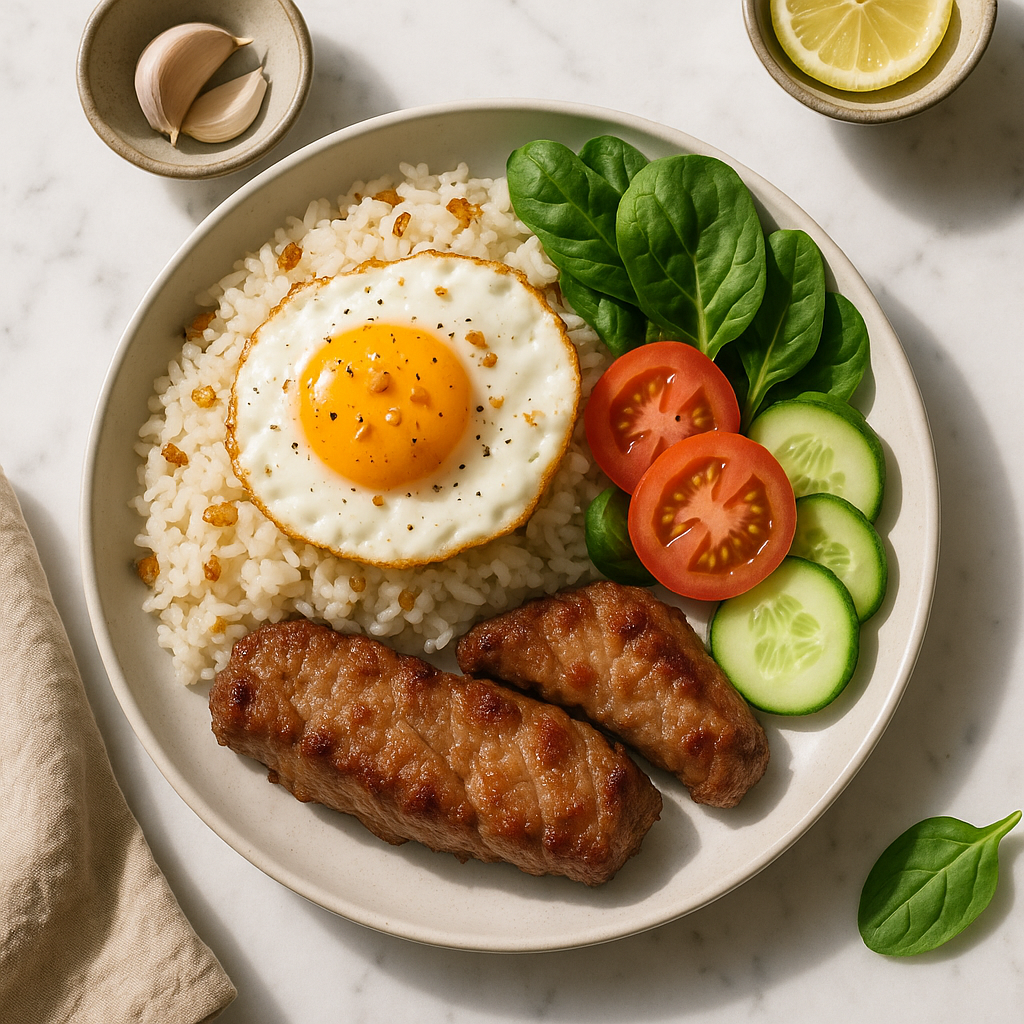
Sinangag Garlic Fried Rice with Egg Silog (Healthy High-Protein Filipino Breakfast)