Soft Filipino Pandesal Recipe with Whole Wheat and High Protein Twist
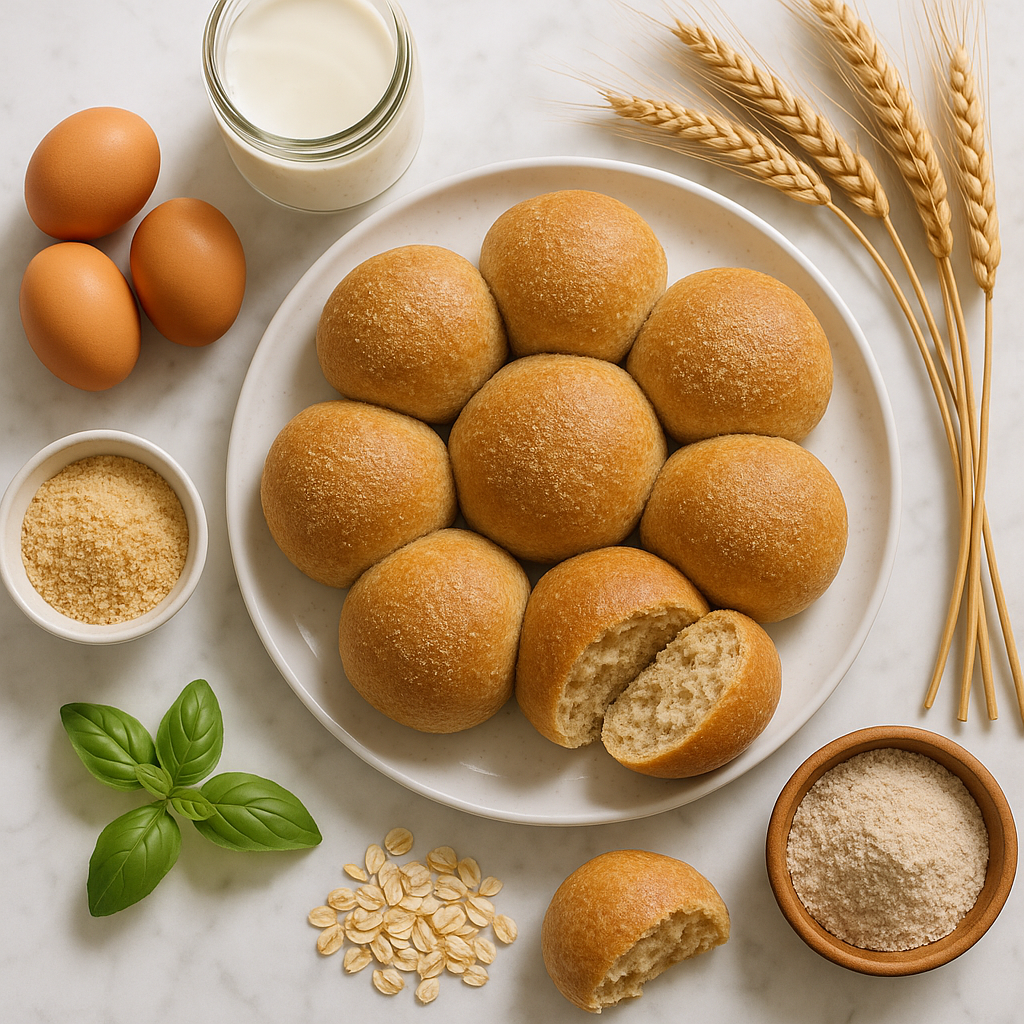
Soft Filipino Pandesal with a whole wheat and high protein twist is the kind of bread that earns a permanent spot in your weekly baking rotation. Traditional pandesal is beloved across the Philippines for its pillowy texture and lightly sweet crumb, but this version goes further by layering in nutritional value without sacrificing the soft, pull-apart quality that makes pandesal so comforting. At 148 calories per roll with 6 grams of protein and 2 grams of fibre, these rolls deliver noticeably more staying power than a standard white bread roll. The addition of Greek yogurt and whole wheat flour means you get a breakfast bread that actually keeps you full through the morning. This is the recipe to reach for when you want something baked fresh, satisfying, and genuinely nourishing rather than just another refined carbohydrate to get through until lunch. It suits households where people grab breakfast on the go, and it bakes beautifully in large batches, which makes it a strong candidate for weekend prep that carries you through the week.
The ingredient list here is carefully considered, and each component earns its place. Active dry yeast and honey work together in the blooming stage, where the honey feeds the yeast and encourages a strong, reliable rise. Bread flour forms the backbone of the dough, providing the gluten structure needed for that characteristic soft, springy crumb. Whole wheat flour, used at 150 grams alongside 300 grams of bread flour, brings in extra fibre, B vitamins, and a subtle nuttiness without making the rolls dense or heavy. Plain Greek yogurt is the protein-forward addition that sets this recipe apart. Even at 30 grams, it contributes to the total protein count while also adding a mild tang and keeping the crumb moist. Low-fat milk adds calcium and helps the dough stay tender. The egg binds everything and contributes to a richer crumb. Light olive oil keeps the fat content measured. The finish of whole grain panko breadcrumbs on the outside is not just for aesthetics. It adds a gentle crunch that contrasts the soft interior and is the defining textural signature of pandesal.
When you pull a tray of these from the oven, the kitchen fills with the warm, slightly yeasty, milky scent that is completely specific to freshly baked enriched bread. The rolls come out with a pale golden crust dusted in fine breadcrumbs, and when you tear one apart, the interior is white and pillowy with a close, even crumb. The texture is soft enough that it pulls away in clean sections rather than crumbling. The flavour is lightly sweet from the two tablespoons of honey, with a faint tang from the yogurt that keeps it from tasting sugary. The whole wheat contributes a mild earthiness that grounds the flavour without being assertive. The process follows a standard yeast dough method: bloom the yeast, combine the wet and dry ingredients, knead until smooth, allow a first rise, shape into rolls, roll in panko, and bake. Kneading develops the gluten properly, which is what gives pandesal its signature bounce. A second prove after shaping ensures the rolls puff up fully before hitting the heat.
These rolls are suited to several specific health goals. The combination of whole wheat flour and fibre supports digestive regularity, while the protein from the Greek yogurt, egg, and milk makes each roll more satiating than a standard white bread roll at a similar calorie count. The reduced sugar level compared to many traditional pandesal recipes makes them a reasonable fit for people watching their glycaemic load, though they are not low carb. They fit a vegetarian diet and can be adapted for those avoiding eggs with a flax egg substitute. People managing their weight but still wanting bread in the morning will find these useful because the protein and fibre slow digestion and reduce the likelihood of an energy crash before lunch. Families with children benefit from this recipe because the rolls are mild, approachable, and not noticeably different in taste or texture from the classic version. Athletes and active people who need carbohydrates for fuel but want those carbohydrates to come with some protein will find the macros here practical and sensible for a pre-workout or post-workout breakfast.
These rolls are genuinely well suited to meal prep. You can bake a full batch on Sunday and have breakfast bread ready for the entire week. Once cooled completely, store them in an airtight container at room temperature for up to two days, or refrigerate them for up to five days. For longer storage, freeze the baked rolls in a single layer first, then transfer to a freezer bag where they keep well for up to two months. To reheat, wrap a roll in a damp paper towel and microwave for about 20 seconds, or warm it in a low oven for five to eight minutes. Both methods restore the soft texture reliably. For variations, you can stuff each roll with a small cube of reduced-fat cheese before the second prove, which melts into the centre and adds extra protein. A savoury version works by reducing the honey to one teaspoon and adding dried herbs to the dough. You can also swap the Greek yogurt for cottage cheese blended smooth if yogurt is unavailable. Scroll down to the recipe card for the full method, quantities, and step-by-step instructions.
Ingredients
- 2 tsp active dry yeast (one standard 7g sachet)
- 1 tsp honey (to activate the yeast)
- 240 ml warm water (around 40 degrees C, not boiling)
- 240 ml warm low-fat milk (dairy or unsweetened oat milk both work)
- 300 g bread flour (plus extra for kneading)
- 150 g whole wheat flour (finely milled works best for softer texture)
- 30 g plain Greek yogurt (full fat or low fat both fine)
- 2 tbsp honey (adds gentle sweetness to the dough)
- 1 tsp fine sea salt
- 1 large egg (room temperature)
- 2 tbsp light olive oil (or avocado oil)
- 60 g whole grain panko breadcrumbs (for coating the rolls)
Instructions
- 1
Combine the warm water, warm milk, one teaspoon of honey and the active dry yeast in a large mixing bowl. Stir gently and let it sit for 8 to 10 minutes until the mixture turns foamy and fragrant. If it does not foam, your yeast may be old and you should start fresh.
Water temperature is critical. Too hot kills the yeast, too cool and it will not activate. Aim for the temperature of a comfortable warm bath.
- 2
Whisk the egg, Greek yogurt, remaining honey and olive oil into the yeast mixture until smooth and well combined.
- 3
Add the bread flour, whole wheat flour and salt to the bowl. Mix with a wooden spoon or dough scraper until a shaggy dough comes together, then turn it out onto a lightly floured surface.
The dough will feel slightly sticky at this stage. Resist the urge to add too much extra flour or the rolls will turn out dense.
- 4
Knead the dough firmly for 10 to 12 minutes by hand until it becomes smooth, elastic and just slightly tacky to the touch. Alternatively, knead in a stand mixer fitted with a dough hook on medium speed for 7 to 8 minutes.
The dough is ready when you can stretch a small piece thin enough to see light through it without it tearing. This is called the windowpane test.
- 5
Shape the dough into a ball and place it in a lightly oiled bowl. Cover with a clean damp kitchen towel or plastic wrap and leave it to rise in a warm spot for 1 hour or until doubled in size.
A great rising spot is inside an oven with just the light on, or near a warm stove.
- 6
Once risen, punch the dough down gently to release the air. Divide it into 16 equal portions, roughly 55g each. Shape each piece into a smooth oval log by rolling it gently between your palms.
- 7
Spread the whole grain panko breadcrumbs on a flat plate. Roll each shaped roll in the breadcrumbs, pressing lightly so they adhere to the surface all around.
A thin, even coating gives the classic pandesal finish. Do not pile on too many crumbs or the coating will feel heavy.
- 8
Arrange the coated rolls close together on a parchment-lined baking tray, leaving about 1 cm between each. Cover loosely and let them rest for 20 to 25 minutes for a second rise until noticeably puffed.
- 9
Preheat your oven to 190 degrees C (170 degrees C fan). Bake the rolls for 14 to 16 minutes until the tops are lightly golden and they sound hollow when tapped on the base.
Do not overbake. Pandesal should be pale golden, not deeply browned, to keep that signature soft crumb inside.
- 10
Remove from the oven and allow to cool on the tray for 5 minutes before serving. They are best enjoyed warm, pulled apart by hand in the traditional Filipino way.
Nutrition per serving
148kcal
Calories
6g
Protein
26g
Carbs
3g
Fat
2g
Fibre
4g
Sugar
162mg
Sodium
Pro Tips
- ✓
Measure your flour by spooning it into the measuring cup and levelling off rather than scooping directly. Scooping packs in extra flour and can make the dough too stiff.
- ✓
Whole wheat flour absorbs liquid more slowly than white flour. If your dough feels dry after kneading for a few minutes, add warm water one tablespoon at a time.
- ✓
For extra soft rolls, brush the tops lightly with warm milk as soon as they come out of the oven.
- ✓
Using bread flour rather than all-purpose flour gives the rolls a better chew and structure because of the higher gluten content.
- ✓
Make sure your Greek yogurt is at room temperature before adding it to the dough so it incorporates evenly.
- ✓
If your kitchen is cold, the dough may need an extra 20 to 30 minutes to rise. Be patient and let it double fully before shaping.
Frequently Asked Questions
Variations
- •
Cheese Stuffed Pandesal
Flatten each dough portion before shaping, place a small cube of reduced-fat cheese in the centre, then seal the edges and roll into a log. The cheese melts into a gooey centre during baking for an extra satisfying roll.
- •
Peanut Butter Swirl Pandesal
After the first rise, roll the dough out flat, spread a thin layer of natural peanut butter across the surface, roll it up tightly and slice into 16 rounds. Coat in breadcrumbs and bake as directed for a protein-packed sweet version.
- •
Ube Pandesal
Add 2 tablespoons of ube halaya or purple yam paste to the wet ingredients. The dough will turn a beautiful violet colour and carry a subtle sweet earthy flavour that is absolutely stunning for a weekend brunch spread.
- •
High Protein Pandesal
Replace 30g of the bread flour with unflavoured whey protein isolate or pea protein powder. This bumps the protein per roll significantly without affecting the texture much, making each roll an even more complete breakfast option.
Substitutions
- •Bread flour → All-purpose flour (The rolls will be slightly less chewy but still soft and delicious. Use the same quantity.)
- •Greek yogurt → Plain unsweetened soy yogurt (Makes the recipe fully dairy-free while still adding protein and helping with tenderness.)
- •Low-fat milk → Unsweetened oat milk or almond milk (Both work well. Oat milk gives a slightly richer crumb. Use the same quantity.)
- •Egg → One tablespoon of ground flaxseed mixed with 3 tablespoons of water, rested for 5 minutes (Suitable for egg-free bakers. The texture will be slightly less bouncy but still very acceptable.)
- •Honey → Maple syrup or agave nectar (Use exactly the same quantity. Agave has a lower glycaemic index, which is a useful option for those watching blood sugar.)
- •Whole grain panko → Regular fine breadcrumbs or crushed whole grain crackers (Fine breadcrumbs give a smoother coating more similar to traditional pandesal. Crushed crackers add extra crunch and fibre.)
🧊 Storage
Store cooled pandesal rolls in an airtight container or zip-lock bag at room temperature for up to 2 days. For longer storage, freeze in a single layer then transfer to a freezer bag for up to 2 months. Reheat from frozen in a microwave for 25 seconds or in a 170 degree oven for 6 to 8 minutes.
📅 Make Ahead
The shaped, crumb-coated rolls can be covered and refrigerated overnight after shaping. The cold slow rise actually develops a slightly more complex flavour. Remove from the fridge 30 minutes before baking and proceed with the recipe as normal. The dough can also be made up to 24 hours ahead and stored in the fridge before shaping.
You might also like
Healthy Sinangag Garlic Fried Rice Recipe Filipino Style with Cauliflower and Brown Rice
Sinangag Garlic Fried Rice with Egg Silog (Healthy High-Protein Filipino Breakfast)