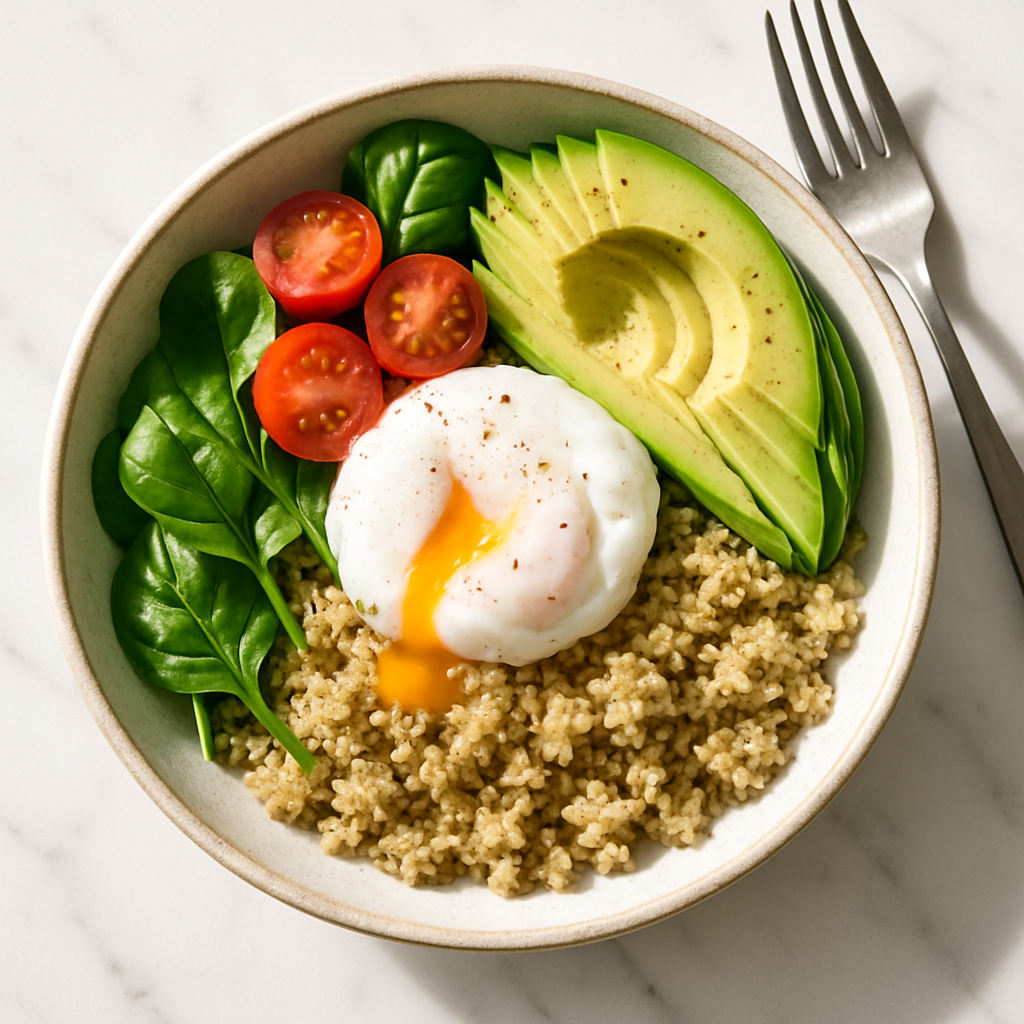
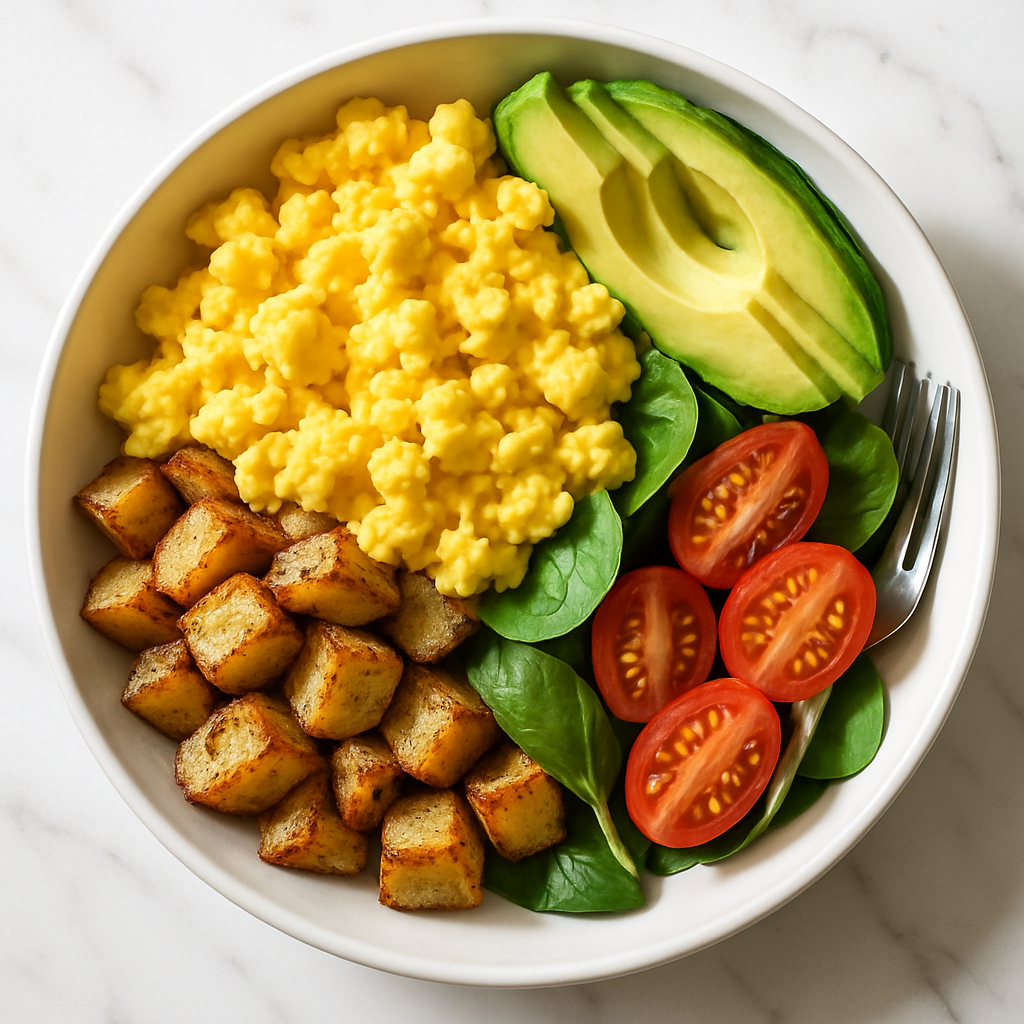
Make Ahead Freezer Breakfast Bowl with Eggs and Vegetables
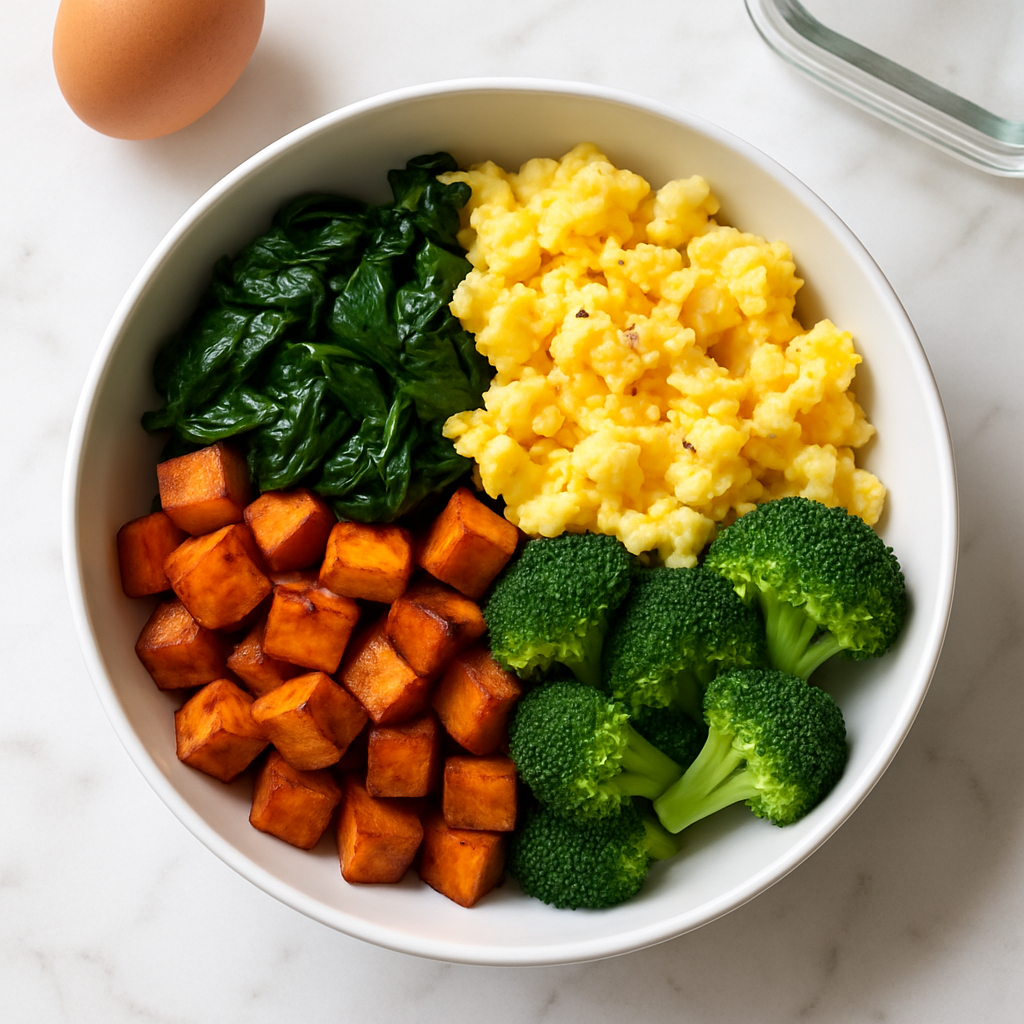
Make Ahead Freezer Breakfast Bowl with Eggs and Vegetables solves one of the most common morning problems: wanting a high protein, vegetable-packed breakfast without the time or energy to cook it every single day. At 312 calories and 28 grams of protein per serving, this bowl competes with any egg-based breakfast you could make fresh, but with none of the weekday scramble. The meal prep angle is what really sets it apart from other egg and vegetable combinations. You cook everything once, portion it into individual bowls, freeze them, and then have a genuinely nourishing breakfast ready in under three minutes on any given morning. That is a meaningful difference compared to scrambling eggs from scratch or skipping breakfast entirely when time runs short. The combination of roasted vegetables and eggs also gives this bowl more staying power than a smoothie or piece of toast, which means fewer mid-morning energy crashes and less snacking before lunch. This is a recipe built around real convenience without compromising on nutrition.
Sweet potato is the foundation of this bowl, and it earns its place. A large sweet potato brings complex carbohydrates alongside a notable amount of beta-carotene, potassium, and fibre, which helps explain why the bowl reaches 7 grams of fibre per serving. That fibre slows digestion and keeps blood sugar more stable after eating, which matters a lot at breakfast. Zucchini adds bulk and moisture without adding many calories, and it provides a small but useful amount of vitamin C and potassium. Red capsicum is one of the better vegetable sources of vitamin C available, and it also adds natural sweetness when roasted. Baby spinach contributes iron, folate, and magnesium, and it wilts down considerably during cooking, making it easy to eat a generous amount. Cherry tomatoes add brightness and lycopene. The eight eggs provide the primary protein load, while half a cup of low fat cottage cheese adds another 14 grams of protein on top, boosts the creaminess, and keeps the fat content moderate at 11 grams per serving. Olive oil, smoked paprika, cumin, and garlic powder round out the flavour without adding anything processed.
The roasting step is what transforms this from a basic egg and vegetable mix into something worth looking forward to. The sweet potato chunks develop caramelised edges in the oven, the capsicum softens and concentrates its sweetness, and the onion turns jammy and slightly charred at the tips. When you pull the tray out, the kitchen smells smoky and warm from the paprika and cumin, with a faint sweetness underneath. Once the roasted vegetables are combined with the wilted spinach and cherry tomatoes, the eggs and cottage cheese are poured over the top and everything bakes together until set. The final texture is somewhere between a frittata and a hearty grain-free bowl. The eggs are tender and just set, not rubbery, and the cottage cheese melts into them during baking, giving the egg layer a slightly creamy, soft texture rather than a dry or spongy one. The colours are vivid: orange sweet potato, deep red capsicum, flecks of green spinach, and golden egg on top.
This bowl is built to support sustained energy and muscle maintenance through the morning, two goals that often conflict in breakfast foods that lean either high carb or high protein. At 28 grams of protein, it meets a meaningful portion of most adults' daily protein targets in a single meal, which is particularly useful for people who exercise in the mornings, anyone managing their weight, or those who tend to undereat protein at breakfast. The recipe is naturally gluten-free, so it suits people avoiding gluten for any reason. The high fibre content from the vegetables supports gut health and satiety, which makes this relevant for people working on digestive health or blood sugar regulation. The low fat cottage cheese keeps total fat reasonable while still contributing to fullness. Parents looking for something they can actually eat during a busy morning without standing at the stove will find this fits their routine. The macro balance of 24 grams of carbs, 28 grams of protein, and 11 grams of fat is well-suited to a range of nutrition approaches, from higher protein diets to balanced whole food eating.
To prepare this ahead of time, make a full batch on a Sunday and divide it into individual freezer-safe containers with lids. The bowls keep well in the freezer for up to three months and in the fridge for four days. To reheat from frozen, remove the lid, cover loosely with a paper towel, and microwave for two to three minutes, stirring once halfway through. From the fridge, two minutes is usually enough. For variations, swap sweet potato for roasted butternut pumpkin if you want a slightly different flavour and similar nutritional profile. You can also add a handful of black beans to each bowl for extra plant protein and fibre, pushing the fibre content closer to 10 grams. A sprinkle of crumbled feta over the top before serving adds a salty, tangy contrast that works well with the smoked paprika base. If you prefer a spicier version, a pinch of chilli flakes roasted in with the vegetables adds a slow heat that balances nicely against the sweet potato. Scroll down to the recipe card for the full method and exact quantities.
Ingredients
- 1 large sweet potato (peeled and diced into 1cm cubes, about 400g)
- 1 medium zucchini (diced into 1cm cubes)
- 1 large red capsicum (deseeded and diced)
- 1 medium red onion (finely diced)
- 2 cups baby spinach (loosely packed)
- 1 cup cherry tomatoes (halved)
- 8 large eggs (free range)
- 1 cup low fat cottage cheese (smooth variety)
- 2 tablespoons olive oil (divided)
- 1 teaspoon smoked paprika
- 1 teaspoon ground cumin
- 1 teaspoon garlic powder
- 1 teaspoon ground turmeric (for colour and anti-inflammatory benefit)
- 1 teaspoon sea salt (or to taste)
- 1 teaspoon black pepper (freshly ground)
- 1 cup tinned black beans (drained and rinsed, for extra fibre and protein)
Instructions
- 1
Preheat your oven to 210 degrees Celsius (190 fan forced). Line a large baking tray with baking paper. Toss the diced sweet potato, zucchini, red capsicum, and red onion with one tablespoon of olive oil, smoked paprika, cumin, garlic powder, half the salt, and the black pepper. Spread in a single layer on the prepared tray.
Do not crowd the vegetables on the tray or they will steam rather than roast. Use two trays if needed.
- 2
Roast the vegetables for 25 to 28 minutes, turning once halfway through, until the sweet potato is tender and the edges are lightly golden. Remove from the oven and allow to cool on the tray for 10 minutes.
- 3
While the vegetables roast, crack the eight eggs into a mixing bowl. Add the cottage cheese, turmeric, and remaining salt. Whisk thoroughly until everything is well combined and the mixture looks uniform.
Blending the cottage cheese into the eggs with a fork or small whisk gives the smoothest texture. Do not worry if you see tiny soft curds from the cottage cheese, they cook down beautifully.
- 4
Heat the remaining tablespoon of olive oil in a large non-stick frying pan over low to medium low heat. Pour in the egg mixture and cook very slowly, stirring gently with a silicone spatula every 30 seconds. Cook for 6 to 8 minutes until the eggs are just barely set with large, soft curds. Remove from heat while they still look slightly underdone as they will continue cooking from residual heat.
Low and slow is the secret to eggs that stay tender after freezing and reheating. High heat makes them rubbery.
- 5
Stir the baby spinach and cherry tomatoes through the warm roasted vegetables. The residual heat will gently wilt the spinach. Then stir in the drained black beans and combine everything well.
- 6
Allow both the vegetable mixture and the scrambled eggs to cool completely at room temperature for at least 20 minutes before assembling the bowls. Do not assemble while hot as this creates steam inside the containers, leading to watery, soggy bowls.
Spreading the mixtures on separate trays or large plates speeds up the cooling process considerably.
- 7
Divide the vegetable and bean mixture evenly across six freezer-safe containers, then top each with an equal portion of the scrambled eggs. Seal the lids tightly.
Keeping the egg on top rather than mixed through helps maintain the best texture after reheating.
- 8
Label each container with the date and contents. Refrigerate any bowls you plan to eat within four days. Transfer remaining bowls to the freezer where they will keep for up to three months.
- 9
To reheat from frozen, remove the lid and microwave on high for 2 minutes 30 seconds to 3 minutes, stirring once at the halfway point. The bowl is ready when steaming hot throughout. Add your favourite toppings and enjoy immediately.
If reheating from the fridge, 90 seconds on high is usually sufficient.
Nutrition per serving
312kcal
Calories
28g
Protein
24g
Carbs
11g
Fat
7g
Fibre
6g
Sugar
380mg
Sodium
Pro Tips
- ✓
Cool everything completely before freezing to avoid soggy, watery bowls after reheating.
- ✓
Scramble eggs over low heat only, this keeps them soft and creamy rather than rubbery after freezing.
- ✓
Use glass or BPA-free plastic containers with tight fitting lids for the best freezer storage results.
- ✓
Cut all vegetables to a similar size so they roast evenly in the same amount of time.
- ✓
Add toppings like sliced avocado, hot sauce, or crumbled feta only when serving, never before freezing.
- ✓
For an even more filling bowl, add 2 tablespoons of cooked quinoa per serving to boost fibre further.
- ✓
If you find the eggs look a little dry after reheating, a tiny splash of water before microwaving helps restore moisture.
Frequently Asked Questions
Variations
- •
Mediterranean Twist
Swap the black beans for tinned chickpeas and add diced sun-dried tomatoes and crumbled feta to the vegetable mix. Season with dried oregano and a pinch of chilli flakes instead of cumin.
- •
Turkey Sausage and Vegetable Bowl
Brown 200g of sliced turkey or chicken breakfast sausage and add it to the vegetable mixture before assembling the bowls for extra protein and a heartier texture.
- •
Dairy Free Version
Replace the cottage cheese in the egg mixture with a tablespoon of unsweetened oat milk or simply omit it. The eggs will still be delicious, just slightly less creamy.
- •
Spicy Southwest Bowl
Add half a teaspoon of chipotle powder to the roasted vegetables and stir a tablespoon of mild salsa through the finished vegetable and bean mix before assembling. Top each bowl with a slice of jalapeno before sealing.
Substitutions
- •Sweet potato → Regular potato or butternut squash (Both roast and freeze well. Butternut squash is slightly lower in carbohydrates than sweet potato.)
- •Black beans → Tinned chickpeas or white cannellini beans (Any tinned legume works here and keeps the fibre and protein benefits. Drain and rinse well before using.)
- •Low fat cottage cheese → Plain non-fat Greek yoghurt (Greek yoghurt also adds protein and keeps the eggs soft. Use the same quantity, folded in just before cooking.)
- •Red capsicum → Yellow or orange capsicum (Any colour capsicum works. Green capsicum is fine too but has a slightly more bitter, less sweet flavour.)
- •Baby spinach → Kale or silverbeet (Remove tough stems and chop finely. Kale holds its texture slightly better after freezing than spinach does.)
- •Olive oil → Avocado oil or coconut oil (Avocado oil has a higher smoke point and is great for roasting. Coconut oil will add a mild coconut flavour.)
🧊 Storage
Store assembled bowls in airtight freezer-safe containers. Bowls keep in the refrigerator for up to 4 days or in the freezer for up to 3 months. Reheat from frozen in the microwave on high for 2.5 to 3 minutes, stirring halfway through. Reheat from the fridge for 90 seconds on high. Do not refreeze a bowl that has already been thawed.
📅 Make Ahead
These bowls are specifically designed for batch cooking. Prepare the full batch on a Sunday and you have breakfast sorted for the entire working week and beyond. The total hands-on time is only about 15 minutes, with the rest being roasting and cooling time. For maximum freshness, keep two bowls in the fridge for the first two days and freeze the rest immediately after cooling.