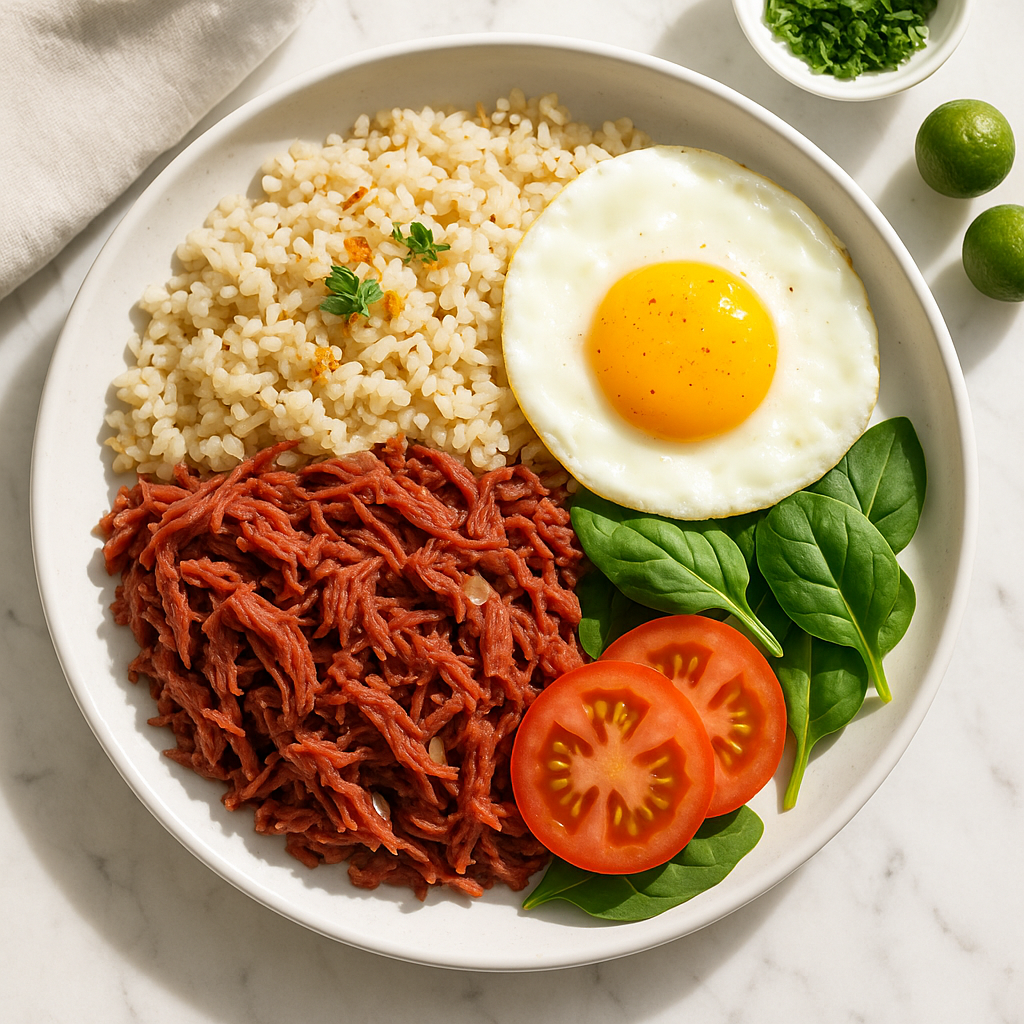
Goto Filipino Beef Tripe Rice Porridge Recipe (Healthy High-Protein Version)
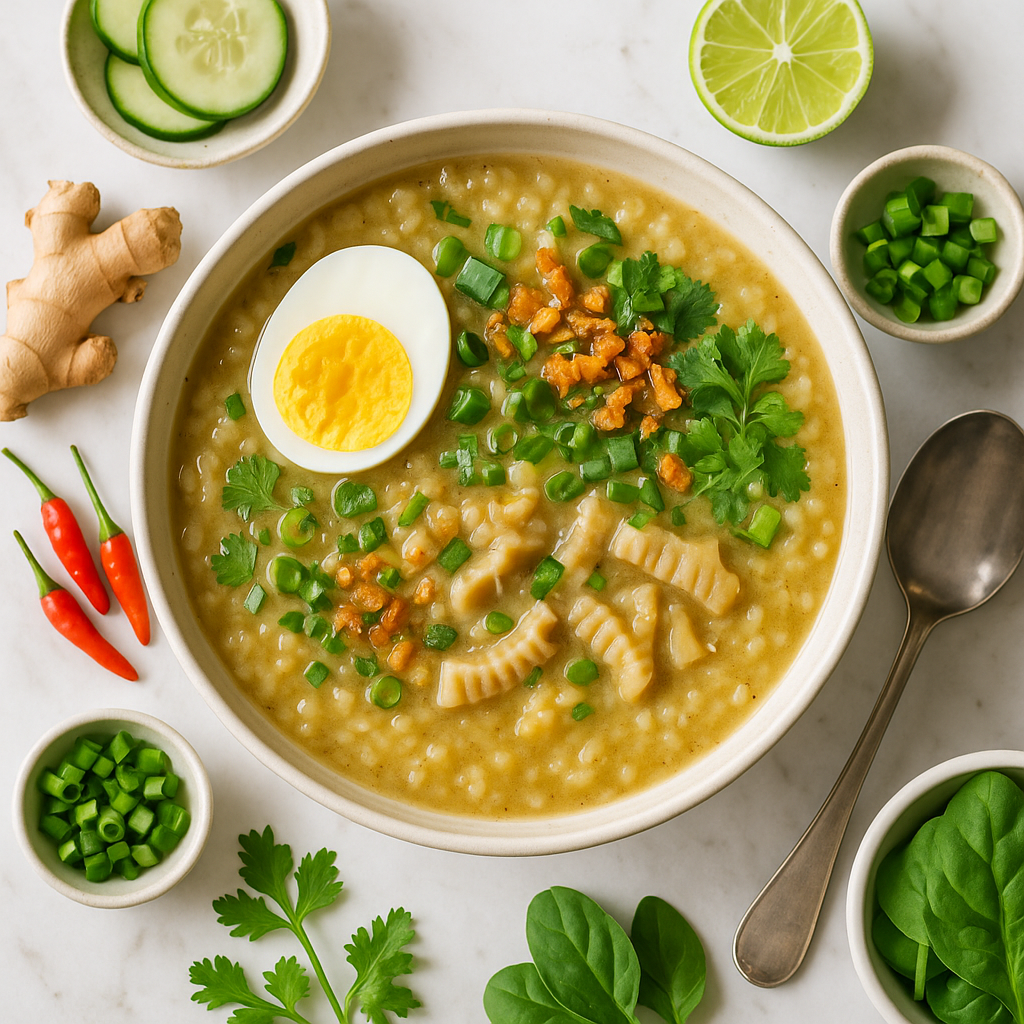
Goto Filipino Beef Tripe Rice Porridge is one of those bowls that earns its place on the breakfast table through sheer substance and warmth. The classic Filipino goto has been a staple street food for generations, traditionally sold by vendors in the early morning hours alongside tokwa't baboy and hard-boiled eggs. This version takes that beloved foundation and makes it genuinely nutritious by leaning into the high-protein potential of beef tripe, swapping plain white rice for a blend that includes brown rice and rolled oats, and keeping sodium in check with a low-sodium broth base. At 310 calories per serving with 28 grams of protein, this is a breakfast that holds you through the morning without weighing you down. It is richer in fibre than the street-side original, more gut-friendly, and still deeply comforting in the way only a slow-cooked porridge can be. If you have been wanting to bring a traditional Filipino breakfast into your weekly rotation without abandoning your nutrition goals, this recipe does exactly that.
Every ingredient in this goto pulls its own weight. The star is the 500 grams of beef tripe, either honeycomb or blanket cut, which is one of the most underrated high-protein ingredients in any cuisine. Tripe is remarkably lean, very high in protein, and loaded with collagen, a structural protein that supports joint health, skin elasticity, and gut lining integrity. The brown rice contributes complex carbohydrates and fibre, which slow glucose absorption and keep energy levels stable. White glutinous rice is included for texture rather than nutrition, giving the porridge its characteristic sticky, thick consistency. The rolled oats are a quiet addition that most people would not notice in the finished bowl, but they add soluble fibre that supports healthy cholesterol levels and contributes to satiety. Fresh ginger has well-documented anti-inflammatory properties and also aids digestion, which matters here since tripe is a protein-dense ingredient. Lemongrass brings aromatic brightness while supporting digestive comfort. Garlic adds depth and contains allicin, a compound linked to immune support. Fish sauce, used sparingly, rounds out the umami without spiking sodium too aggressively.
The smell when this cooks is the first thing people notice. There is a clean, savoury fragrance from the ginger and lemongrass that fills the kitchen before the bowl even reaches the table. The finished porridge has a pale, creamy colour from the rice breaking down slowly in the broth, with soft, yielding pieces of tripe distributed throughout. Tripe, when cooked long enough, loses any toughness and becomes tender with a slightly chewy bite that gives the bowl contrast against the smooth porridge base. The glutinous rice is what creates that characteristic sticky, almost silky texture that Filipino lugaw is known for, while the oats disappear into the background and contribute a mild creaminess without any oat flavour coming through. The taste is gently savoury, deeply warming, with layers of ginger heat and a faint citrusy note from the lemongrass. Fish sauce adds just enough salt and fermented depth to keep it from tasting flat. Ground white pepper gives a subtle sharpness at the end of each spoonful that makes the whole bowl feel alive.
This recipe is built for people who want breakfast to genuinely support their health rather than just fill space in their morning. With 28 grams of protein per serving, it supports muscle repair and maintenance, making it a strong choice for active people, those in post-workout recovery windows, or anyone following a high-protein eating pattern. The collagen content from the tripe is a real benefit for people focused on joint health, skin health, or gut integrity, since collagen is a direct building block for all three. The combination of brown rice, oats, and fibre-rich broth means the carbohydrate load is digested gradually, which is beneficial for blood sugar management. This recipe is naturally dairy-free and can be made gluten-free by confirming the fish sauce brand is gluten-free certified. It works well within Filipino traditional eating patterns and fits broadly into whole-food, higher-protein frameworks. Older adults benefit from the collagen and easily digestible format, and it is also appropriate for anyone recovering from illness who needs a warming, nourishing meal that is not heavy on the stomach.
Goto is genuinely one of the best meal-prep breakfast options in any cuisine because it keeps well and reheats beautifully. Once cooled, store the porridge in an airtight container in the refrigerator for up to four days. It will thicken considerably as it sits, so when reheating, add a splash of water or broth and stir over medium-low heat until it returns to a pourable consistency. For longer storage, freeze individual portions in sealed containers for up to two months, then thaw overnight in the refrigerator before reheating. For a variation with more vegetables, stir in a handful of baby spinach or finely sliced cabbage during the last five minutes of cooking. If you prefer a more traditional appearance, swap the brown rice portion for additional white rice, accepting a slightly lower fibre count in exchange for a smoother, whiter bowl. For a richer flavour, top with a soft-boiled egg, a drizzle of sesame oil, and sliced spring onions. The full recipe card below has all the timing, quantities, and step-by-step instructions you need to get this right the first time.
Ingredients
- 500 g beef tripe (honeycomb or blanket cut) (cleaned and cut into bite-sized strips)
- 1 cup uncooked brown rice (rinsed well)
- 1 cup uncooked white glutinous rice (adds creaminess to the porridge)
- 1 cup rolled oats (old-fashioned oats, not instant)
- 6 cups low-sodium beef broth (plus extra 1 cup if needed to adjust consistency)
- 2 cups water
- 1 stalk lemongrass (bruised and tied into a knot)
- 5 cm fresh ginger (peeled and sliced into rounds)
- 1 whole head of garlic (halved crosswise, unpeeled)
- 1 medium white onion (quartered)
- 1 tbsp fish sauce (patis) (low-sodium variety preferred)
- 1 tsp ground white pepper
- 1 tsp ground turmeric (gives the classic golden colour)
- 1 tbsp neutral cooking oil (avocado oil or light olive oil)
- 4 cloves garlic (thinly sliced, for topping)
- 4 large eggs (soft-boiled, halved)
- 4 stalks spring onions (green onions) (finely sliced, for garnish)
- 2 whole calamansi or limes (cut into wedges, for serving)
- 2 tbsp fresh ginger (extra, finely julienned for garnish)
Instructions
- 1
Start by cleaning the beef tripe thoroughly. Place it in a large pot, cover with cold water, and bring to a boil. Boil for 5 minutes, then drain and rinse the tripe under cold running water. This blanching step removes any impurities and helps neutralise any strong odour.
Do not skip the blanching step. It makes a noticeable difference to both flavour and smell in the final dish.
- 2
Return the blanched tripe to the pot. Add the 6 cups of low-sodium beef broth, 2 cups of water, sliced ginger rounds, lemongrass stalk, halved garlic head, and quartered onion. Bring to a boil over high heat, then reduce to a low simmer. Cover partially and cook for 90 minutes, or until the tripe is tender enough to pierce easily with a fork.
A pressure cooker cuts this time to about 35 minutes at high pressure, which is great for busy mornings when you are prepping ahead.
- 3
Once the tripe is tender, remove it from the broth using tongs or a slotted spoon. Set it aside to cool slightly. Strain the broth through a fine mesh sieve, discarding the spent aromatics. You should have roughly 5 to 6 cups of beautifully flavoured broth. Cut the cooled tripe into small, bite-sized strips if not already done.
Taste the strained broth at this point. If it tastes very mild, simmer it uncovered for 5 more minutes to concentrate the flavour slightly.
- 4
Pour the strained broth back into the pot and bring it to a gentle simmer over medium heat. Add the rinsed brown rice, glutinous white rice, and rolled oats. Stir well, then reduce heat to low. Cook uncovered, stirring frequently, for about 25 to 30 minutes until the grains have completely broken down into a thick, creamy porridge consistency.
Stir every few minutes to prevent the rice from sticking to the bottom of the pot. If the porridge thickens too much before the rice is fully cooked, add the extra cup of broth or water a little at a time.
- 5
Add the sliced tripe strips back into the porridge along with the ground turmeric, ground white pepper, and fish sauce. Stir everything together and taste, adjusting seasoning as needed. Simmer for a further 5 minutes so the tripe heats through completely and the flavours meld together.
Turmeric not only adds the signature golden hue but also brings anti-inflammatory benefits. Do not skip it.
- 6
While the porridge finishes, prepare the dry-toasted garlic topping. Heat 1 tablespoon of oil in a small non-stick pan over medium-low heat. Add the thinly sliced garlic cloves and cook, stirring constantly, for 3 to 4 minutes until golden and crisp. Remove immediately to a paper-towel-lined plate, as they will continue to darken slightly from residual heat.
Watch the garlic closely. It goes from golden to burnt very quickly. Remove from heat as soon as it turns light golden.
- 7
To serve, ladle the hot goto into deep bowls. Top each bowl with a soft-boiled egg halved lengthwise, a generous pinch of toasted garlic, sliced spring onions, julienned fresh ginger, and a calamansi or lime wedge on the side. Squeeze the citrus over the porridge just before eating for a bright, fresh finish.
For the soft-boiled eggs, cook them in boiling water for exactly 6 minutes 30 seconds, then transfer to an ice bath to stop cooking. Peel and halve just before serving.
Nutrition per serving
310kcal
Calories
28g
Protein
32g
Carbs
8g
Fat
4g
Fibre
2g
Sugar
480mg
Sodium
Pro Tips
- ✓
Honeycomb tripe has the most tender texture and best flavour absorption. It is worth seeking out at an Asian butcher or Filipino grocery store.
- ✓
Brown rice takes longer to break down into a porridge consistency than white rice, so be patient and keep stirring. The result is well worth it.
- ✓
Goto thickens considerably as it sits and cools. When reheating, always add a splash of water or broth and stir well.
- ✓
If you want a smoother, silkier texture, use an immersion blender to briefly pulse the porridge once or twice without fully blending it. This breaks up some of the grains while keeping a little texture.
- ✓
For a deeper, more aromatic broth, lightly char the ginger and onion directly over a gas flame or under a grill before adding them to the pot.
- ✓
Preparing the tripe a day in advance and refrigerating it overnight in the broth deepens the flavour significantly.
Frequently Asked Questions
Variations
- •
Chicken Goto
Replace the beef tripe with 500g of boneless chicken thighs. Simmer the chicken in the same aromatic broth for about 25 minutes until cooked through, shred it, and proceed with the recipe as written. This version is milder in flavour and cooks much faster.
- •
Cauliflower Rice Goto (Lower Carb)
Replace half the rice with riced cauliflower to reduce overall carbohydrates. Add the cauliflower rice in the last 10 minutes of cooking so it does not overcook and become mushy. The texture will be slightly less thick but still creamy and satisfying.
- •
Congee-Style Smooth Goto
For an ultra-smooth, silky texture, use all white jasmine rice instead of the brown rice and oat blend, and cook for a further 15 minutes until the grains completely dissolve. Finish with a brief blend using an immersion blender for a velvety, restaurant-style consistency.
- •
Spicy Goto
Add 2 to 3 sliced Thai bird's eye chillies to the porridge along with the tripe in step 5. You can also top each bowl with a drizzle of chilli oil for extra heat. A small spoonful of sambal oelek stirred in at the table is another great option for spice lovers.
Substitutions
- •Beef tripe → Beef brisket or beef tendon (Both are traditional alternatives in Filipino porridge dishes. Brisket cooks in about 90 minutes; tendon requires a similar time to tripe.)
- •Brown rice → Whole grain barley or farro (Both increase dietary fibre even further and add a hearty, nutty flavour. Adjust cooking time as barley and farro take slightly longer to break down in porridge.)
- •Fish sauce → Low-sodium soy sauce or coconut aminos (Coconut aminos keep the dish gluten-free and lower in sodium. Use the same quantity as the fish sauce called for.)
- •Calamansi → Fresh lime or lemon (Both provide the same bright acidity that lifts the flavour of the porridge. Lime is the closer substitute in both flavour and fragrance to calamansi.)
- •Low-sodium beef broth → Homemade beef bone broth (Homemade bone broth is ideal and adds extra collagen. If using store-bought regular broth, reduce the fish sauce to avoid over-salting.)
- •Rolled oats → Certified gluten-free rolled oats or millet (Millet breaks down similarly to oats in porridge and adds fibre. Use the same quantity.)
🧊 Storage
Store leftover goto in airtight containers in the refrigerator for up to 4 days. The porridge will thicken significantly when cold. Reheat on the stovetop over medium heat, stirring in a splash of water or low-sodium beef broth to restore the creamy consistency. Store toppings like toasted garlic and soft-boiled eggs separately and add fresh at serving time. Goto can also be frozen in portioned containers for up to 2 months. Thaw overnight in the refrigerator before reheating.
📅 Make Ahead
The beef tripe can be pre-cooked and stored in its broth in the refrigerator for up to 2 days before making the porridge. This is a great time-saver that also deepens the flavour of the final dish. The complete goto porridge can be made over the weekend and portioned into containers for quick weekday breakfasts. Toasted garlic keeps well in an airtight container at room temperature for up to 3 days.
You might also like
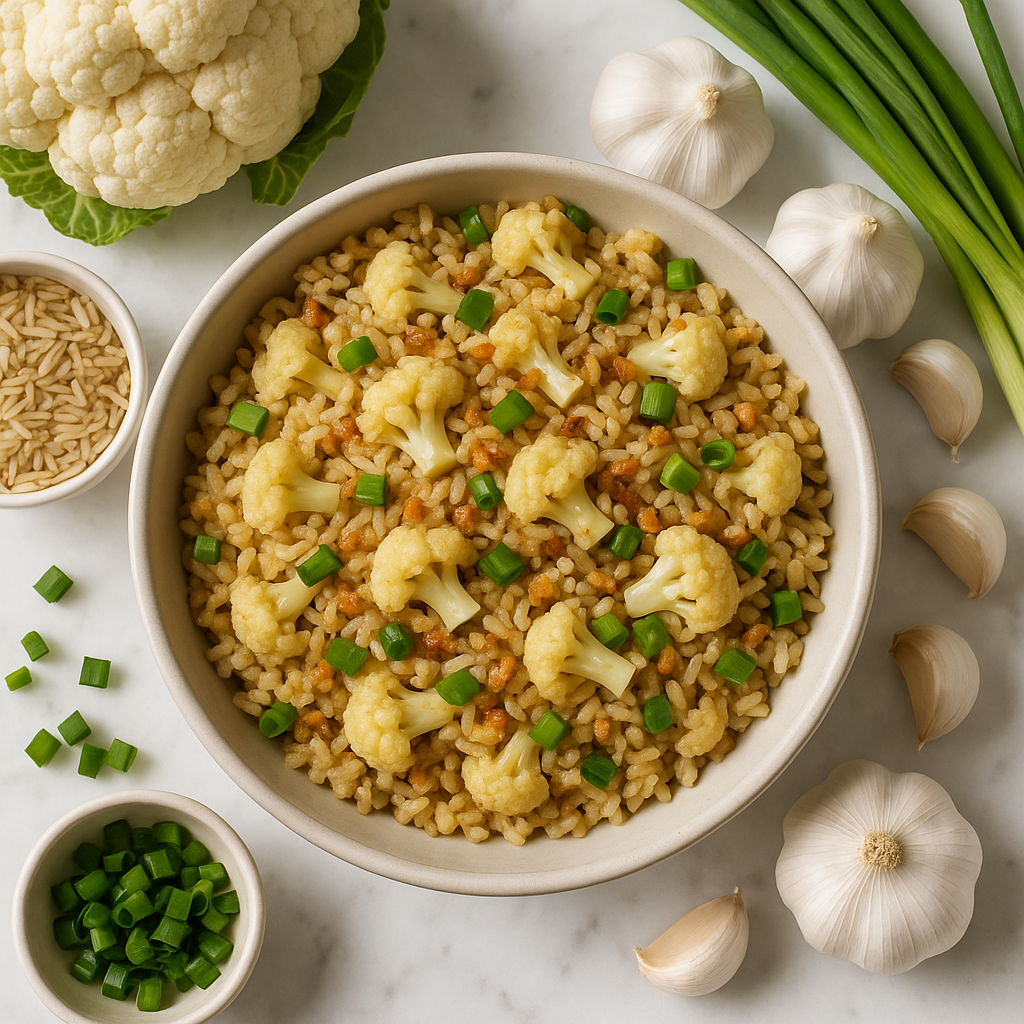
Healthy Sinangag Garlic Fried Rice Recipe Filipino Style with Cauliflower and Brown Rice
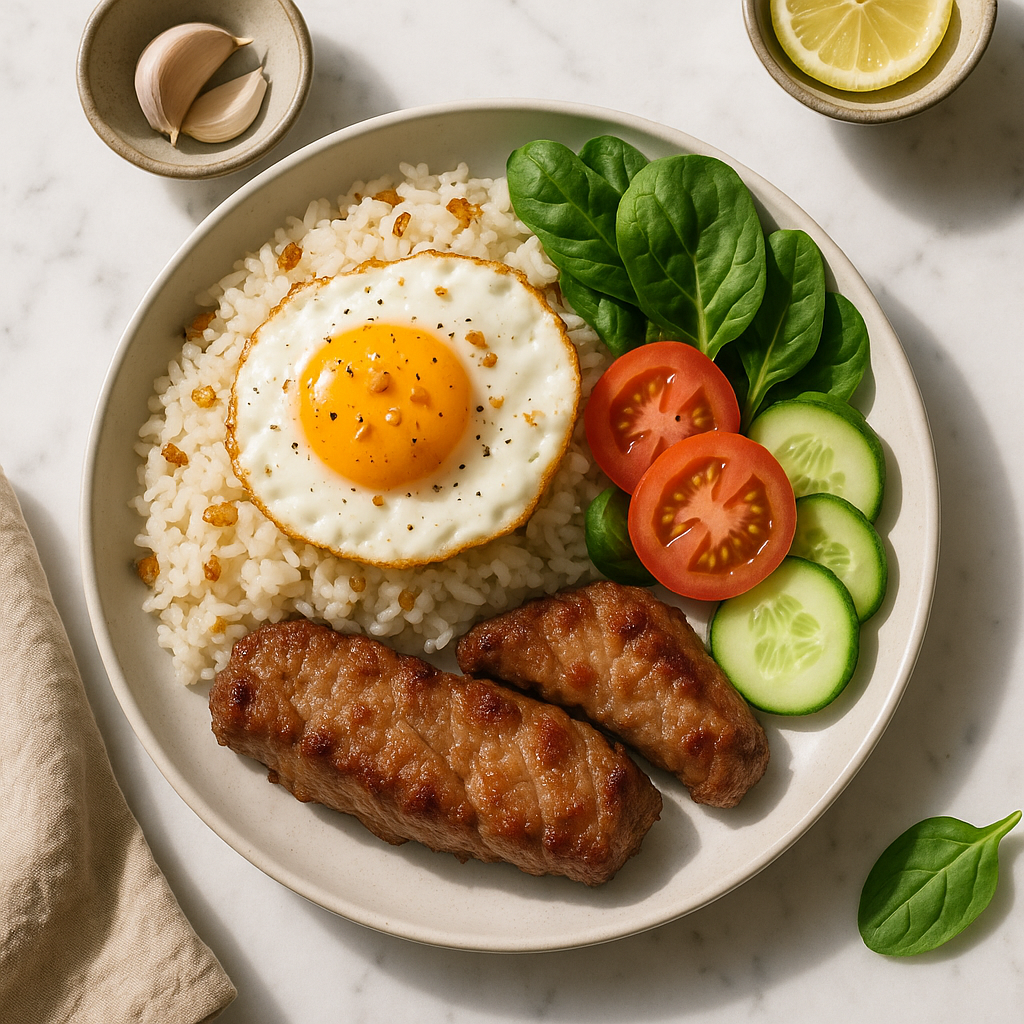
Sinangag Garlic Fried Rice with Egg Silog (Healthy High-Protein Filipino Breakfast)