Ensaymada Soft Filipino Sweet Bread with Cheese, Lighter Version
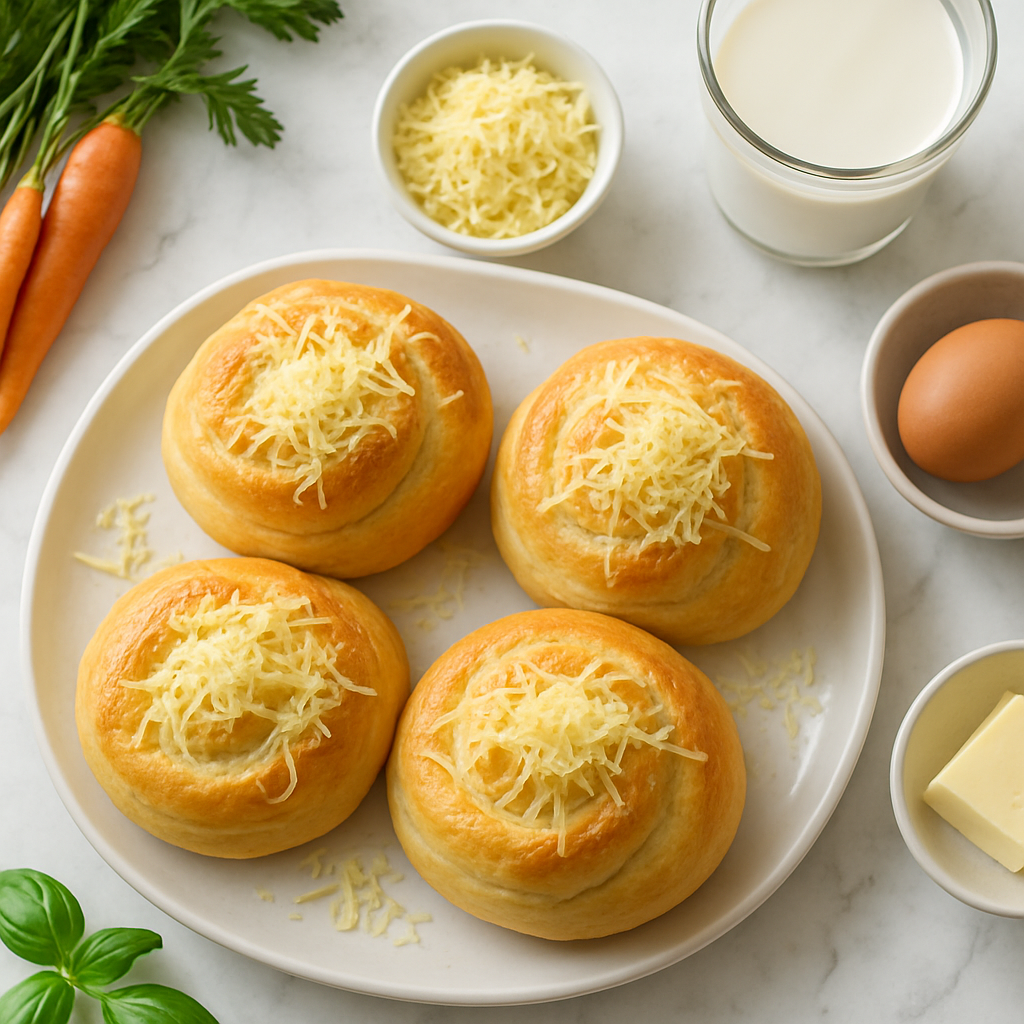
Ensaymada Soft Filipino Sweet Bread with Cheese, Lighter Version takes one of the most beloved breads in Filipino breakfast culture and rebuilds it from the ground up with better nutrition in mind. Traditional ensaymada is rich with butter, white flour, and heaps of sugar, making it a treat that is hard to justify on a regular morning. This version keeps everything that makes ensaymada worth eating, the cloud-like softness, the sweet-savoury contrast, the golden colour, and the celebratory feeling of pulling apart a freshly baked roll, but it does so with ingredients that actually contribute something useful to your day. At 198 calories per piece and 9 grams of protein, you are getting a real morning option that satisfies without the crash that comes from refined-flour pastries. The combination of bread flour and whole wheat flour gives structure and a fibre count of 3 grams per serving, which puts this well ahead of any standard bakery ensaymada. For anyone who loves Filipino food but wants to eat with more intention in the mornings, this recipe hits that balance without asking you to give up the flavour.
The ingredient list is carefully considered, and every component earns its place. Bread flour provides the high gluten content needed to create that signature stretchy, pillowy crumb that ensaymada is known for. Whole wheat flour adds 3 grams of fibre per serving and brings in B vitamins and minerals that are stripped out in refined white flour. Using a blend of the two means you get structure from the bread flour and nutrition from the whole wheat without ending up with a dense or gummy roll. The active dry yeast does the slow fermentation work that gives the bread its lift and its slightly complex, yeasty flavour. Greek yogurt is one of the more interesting choices here. It adds moisture, a gentle tang, and contributes to the protein count in a way that sour cream or butter would not. Full-fat Greek yogurt also has probiotics, which support gut health. Whole milk adds fat-soluble vitamins and helps with a tender crumb. Coconut sugar, used at 40 grams total across the dough, has a lower glycaemic index than refined white sugar and lends a subtle caramel note that works beautifully with the savoury cheese on top. Eggs provide structure, richness, and additional protein. Extra virgin olive oil replaces butter as the fat, which reduces saturated fat while keeping the dough supple and easy to work with.
The dough itself is soft, slightly tacky, and has a warm golden tone from the eggs and coconut sugar before it even goes into the oven. When you first mix everything together, the kitchen fills with the yeasty, vanilla-scented smell of bread coming to life. After the first rise, the dough feels almost alive in your hands, smooth and elastic, pulling back gently when you stretch it. The rolls are shaped by rolling each portion into a log and then coiling it into the classic ensaymada spiral shape, which creates those distinct layers and gives the top a slightly domed, swirled appearance. During baking, the tops turn a deep amber and the kitchen smells sweet and toasty with a faint dairy note from the milk and yogurt. Once out of the oven, the texture is genuinely soft. The crust is thin and gives easily, revealing a pull-apart interior with a fine, even crumb. The flavour is mildly sweet with a slight tang from the Greek yogurt and a richness from the eggs and olive oil. Topped with a little butter spread and sharp salted cheese, you get the full sweet-savoury hit that makes ensaymada so compelling in the first place.
This recipe supports several clear health goals. The protein content of 9 grams per roll makes it a meaningful contribution to daily protein intake, which is useful for muscle maintenance, satiety, and blood sugar stability after a meal. The fibre from the whole wheat flour supports digestive health and slows carbohydrate absorption, which means a more gradual energy release compared to white bread rolls of a similar calorie count. The reduced sugar content at 6 grams per serving makes this manageable for people who are mindful of their glycaemic load without being diabetic. This recipe fits well into a flexitarian or lacto-vegetarian eating pattern since it contains no meat. It is also suited to anyone following a high-protein breakfast approach, which research consistently links to better appetite control through the morning. Families with children will find this useful because it looks and tastes like a treat, so there is no negotiating at the table. People who grew up eating traditional ensaymada will recognise the character of the bread immediately, even in this lighter form.
Meal prep works extremely well here. The dough can be made the night before and left to do its first rise in the refrigerator overnight, which actually improves the flavour through slow fermentation. The next morning, you bring it to room temperature, shape the rolls, let them do a short second rise, and bake. Fully baked rolls keep at room temperature for up to two days in an airtight container, and they refrigerate well for up to five days. To reheat, wrap a roll in a damp paper towel and microwave for 20 to 25 seconds, or warm them in a low oven at 160 degrees Celsius for about eight minutes. They come back to almost fresh-baked softness either way. For variations, you can swap the whole wheat flour for spelt flour, which has a milder flavour and similar nutritional profile. A small amount of orange zest in the dough adds brightness that works well with the cheese topping. You can also skip the cheese and top with a light drizzle of honey and a sprinkle of toasted sesame seeds for a different flavour direction. The full ingredient amounts and baking times are in the recipe card below.
Ingredients
- 1.5 tsp active dry yeast (check it is fresh and active)
- 60 ml warm water (around 40 degrees C, not hot)
- 1 tsp coconut sugar (to activate the yeast)
- 200 g bread flour (plus extra for dusting)
- 150 g whole wheat flour (finely milled if available)
- 40 g coconut sugar (for the dough)
- 0.5 tsp fine sea salt
- 2 large eggs (room temperature)
- 80 g plain full-fat Greek yogurt (room temperature)
- 60 ml warm whole milk (or unsweetened oat milk)
- 3 tbsp extra virgin olive oil (divided, 2 for dough and 1 for shaping)
- 1 tsp pure vanilla extract
- 60 g plain Greek yogurt (for the topping spread)
- 1 tbsp raw honey (for the topping, adjust to taste)
- 100 g reduced-fat sharp cheddar cheese (finely grated, or use queso de bola for authenticity)
Instructions
- 1
Combine the warm water, 1 teaspoon of coconut sugar, and the active dry yeast in a small bowl. Stir gently and leave for 8 to 10 minutes until the mixture becomes foamy and fragrant. If it does not foam, your yeast may be old and you should start with a fresh packet.
Water that is too hot kills yeast. Aim for the temperature of a warm bath, comfortable on your wrist.
- 2
In a large mixing bowl, whisk together the bread flour, whole wheat flour, 40g of coconut sugar, and the sea salt. Make a well in the centre.
- 3
Add the foamy yeast mixture, eggs, Greek yogurt, warm milk, 2 tablespoons of olive oil, and vanilla extract into the well. Mix with a wooden spoon or dough scraper until a shaggy dough forms.
The dough will look rough and sticky at first. That is completely normal with this flour blend.
- 4
Turn the dough out onto a lightly floured surface and knead for 10 to 12 minutes until it becomes smooth, soft, and slightly tacky but not sticky. The dough should pass the windowpane test, stretching thin without tearing. Alternatively, use a stand mixer with a dough hook on medium speed for 8 minutes.
Resist the urge to add too much flour. A slightly tacky dough makes softer buns.
- 5
Shape the dough into a ball and place it in a lightly oiled bowl. Cover with a clean kitchen towel or cling wrap. Leave to rise in a warm spot for 90 minutes or until doubled in size.
If your kitchen is cool, place the bowl inside an unheated oven with just the oven light switched on for gentle warmth.
- 6
Once risen, gently punch the dough down to release the gas. Divide it into 12 equal portions, roughly 65g each. Roll each portion into a smooth ball, then use your hands to roll it into a rope about 30cm long.
- 7
Brush or rub each rope lightly with the remaining 1 tablespoon of olive oil. Coil each rope into a spiral, tucking the end underneath. Place onto a baking tray lined with parchment paper, leaving space between each bun. Cover loosely and allow to proof for a second time for 30 minutes until noticeably puffed.
Do not rush this second proof. It is what gives ensaymada that signature soft, airy interior.
- 8
Preheat your oven to 175 degrees C. Bake the ensaymada for 20 to 22 minutes until the tops are a light golden colour. They should sound hollow when tapped on the bottom.
Do not over-bake. Pulling them out when they are just golden keeps the crumb moist and tender.
- 9
While the buns cool for 10 minutes, stir together the 60g of Greek yogurt and the raw honey in a small bowl until smooth. This is your topping spread.
- 10
Spread a thin layer of the honey yogurt mixture generously over the top of each warm bun. Immediately shower each one with a good amount of finely grated reduced-fat sharp cheddar. The warmth of the bun will help the cheese settle nicely into the topping. Serve straight away or at room temperature.
Grating the cheese very finely gives you that characteristic cloud-like cheese layer without needing to use as much.
Nutrition per serving
198kcal
Calories
9g
Protein
27g
Carbs
6g
Fat
3g
Fibre
6g
Sugar
178mg
Sodium
Pro Tips
- ✓
Use room temperature eggs and yogurt so they incorporate smoothly into the dough without tightening the gluten.
- ✓
Whole wheat flour absorbs liquid differently to plain flour. If the dough feels dry after 5 minutes of kneading, add warm water one teaspoon at a time.
- ✓
The windowpane test is your best guide for knowing when the dough is ready. Stretch a small piece between your fingers. If it forms a thin, translucent sheet without tearing, the gluten is well developed.
- ✓
For an extra golden colour on top, brush the buns with a light egg wash before baking.
- ✓
Grate the cheese fresh from a block rather than using pre-grated cheese. Pre-grated varieties contain anti-caking agents that affect how well they cling to the topping.
- ✓
If you want a more pronounced sweet layer, add a tiny pinch of cinnamon to the honey yogurt topping. It is not traditional but it works really well with the whole wheat dough.
Frequently Asked Questions
Variations
- •
Ube Ensaymada
Add 2 tablespoons of ube halaya (purple yam jam) into the dough during mixing and reduce the coconut sugar by 10g. The dough turns a beautiful lavender and has a subtly sweet, earthy flavour that is very popular in the Philippines.
- •
Cinnamon Honey Ensaymada
Mix half a teaspoon of ground cinnamon and a teaspoon of raw honey into the olive oil used for brushing the dough ropes before shaping. This adds a warm spiced flavour running through each spiral and works beautifully with the cheddar topping.
- •
Whole Grain Seeded Ensaymada
Replace 50g of the whole wheat flour with rolled oats blended into a fine flour, and sprinkle sesame seeds or flaxseeds onto the tops before baking. This bumps up the fibre significantly and adds a pleasant nutty texture to each bun.
Substitutions
- •Bread flour → All-purpose flour (The buns will be slightly softer and less chewy but still very good. Use the same quantity.)
- •Whole wheat flour → Spelt flour (Spelt flour gives a similarly nutty flavour and good fibre content. It has a slightly sweeter taste than whole wheat.)
- •Whole milk → Unsweetened oat milk or almond milk (Either plant-based milk works well for a dairy-reduced version. Oat milk gives the richest flavour closest to dairy milk.)
- •Greek yogurt in dough → Plain coconut yogurt (Use full-fat coconut yogurt for a dairy-free dough. It contributes similar moisture and tenderness.)
- •Coconut sugar → Maple sugar or date sugar (Both are unrefined alternatives with a similar low glycaemic profile and natural sweetness depth.)
- •Reduced-fat sharp cheddar → Queso de bola or Parmesan (Queso de bola is the most traditional Filipino choice and adds an authentic salty, aged flavour. Parmesan works wonderfully for a nutty, intense topping using less quantity.)
🧊 Storage
Store cooled ensaymada in an airtight container at room temperature for up to 2 days. For longer storage, place buns in a zip-lock bag and freeze for up to 6 weeks. Reheat from frozen in the microwave for 20 to 25 seconds or in a 160 degree C oven for 8 minutes. Add the yogurt topping and cheese fresh after reheating for best results.
📅 Make Ahead
The dough can be made through the first rise, then refrigerated overnight in a covered bowl. Shape and second-proof the following morning before baking. You can also bake the plain buns ahead and freeze them without the topping, then add the honey yogurt spread and cheese fresh after warming.
You might also like
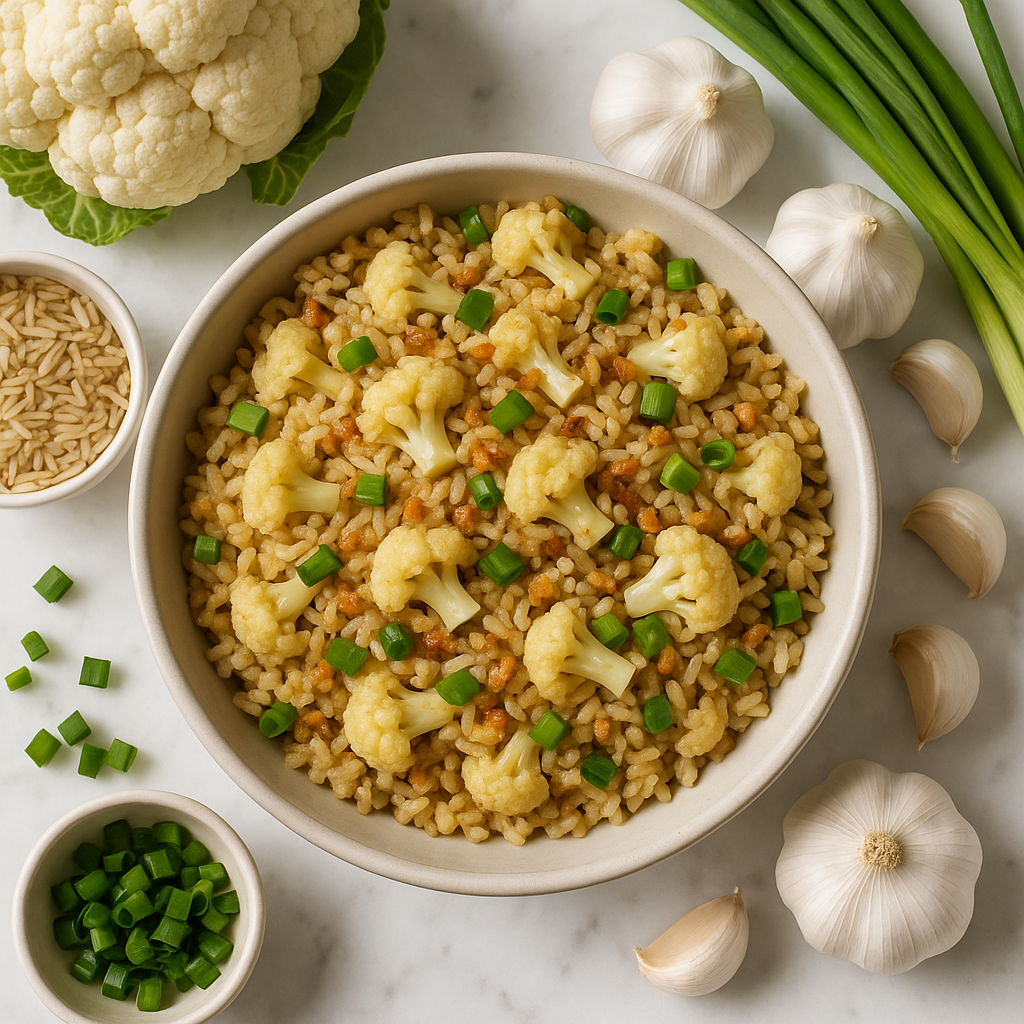
Healthy Sinangag Garlic Fried Rice Recipe Filipino Style with Cauliflower and Brown Rice
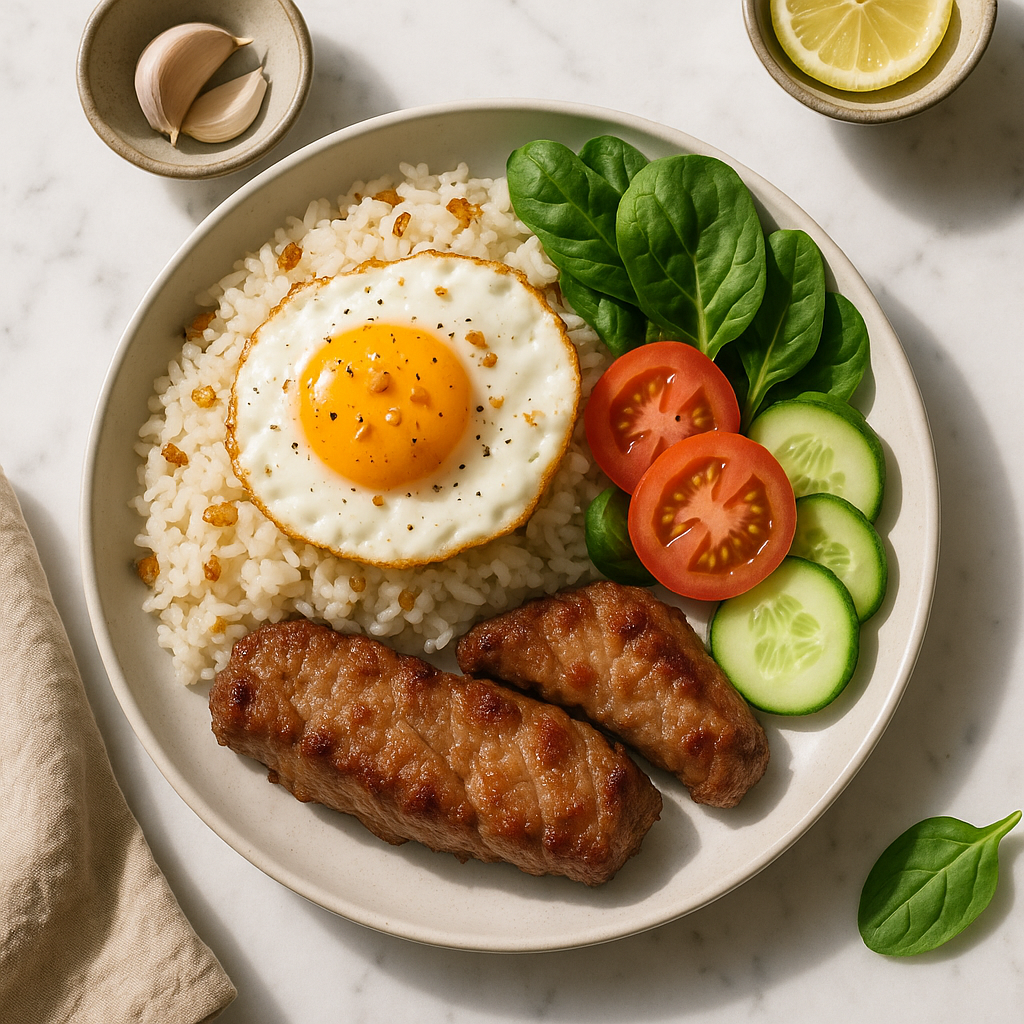
Sinangag Garlic Fried Rice with Egg Silog (Healthy High-Protein Filipino Breakfast)