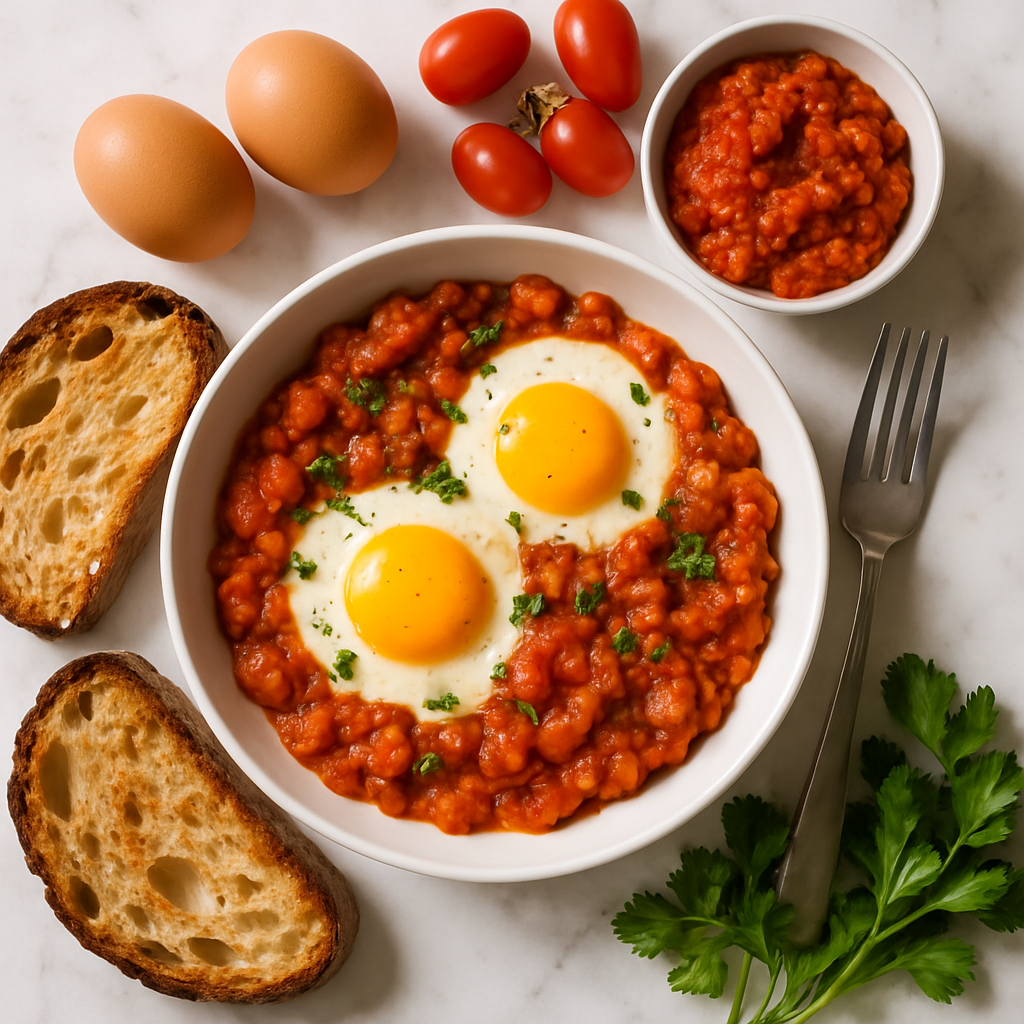
Easy Menemen Style Balkan Egg and Tomato Skillet with Feta and Roasted Peppers
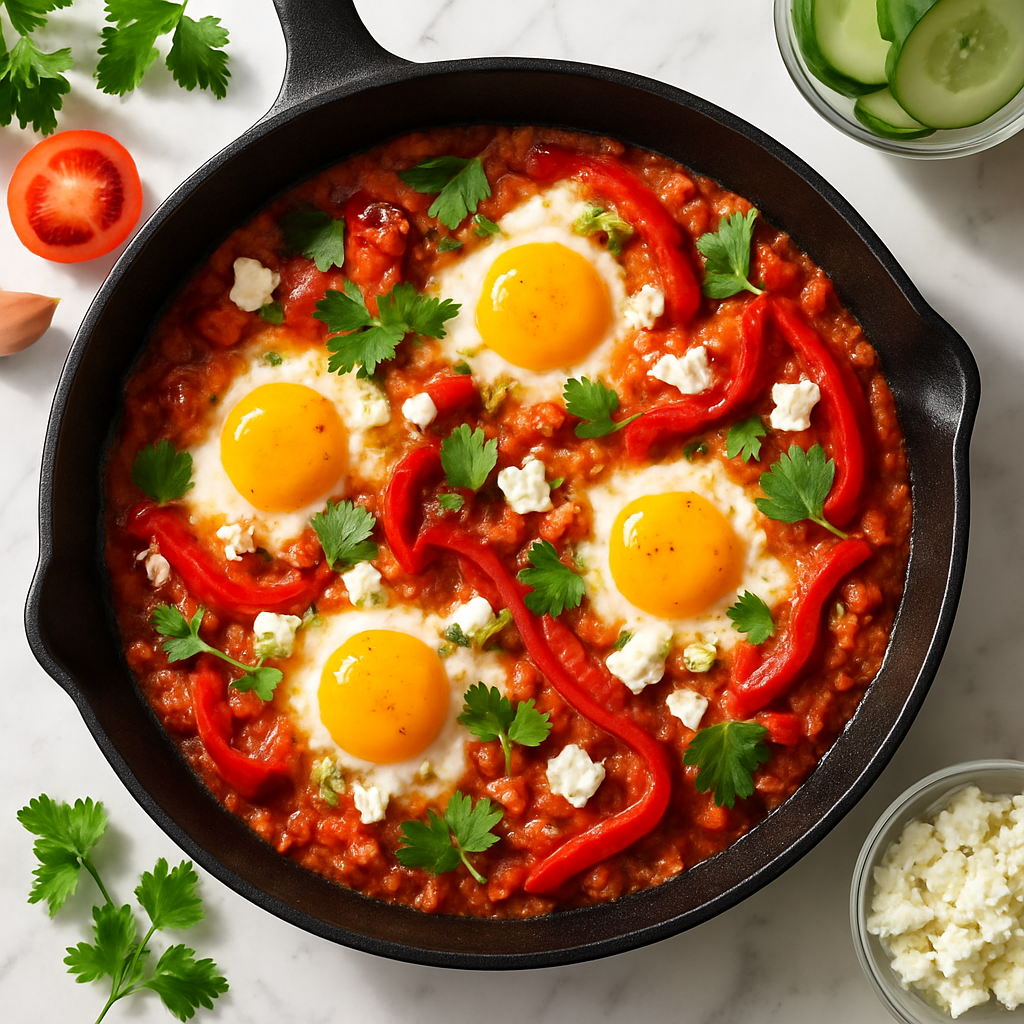
Easy Menemen Style Balkan Egg and Tomato Skillet with Feta and Roasted Peppers brings together the best of eastern Mediterranean cooking in a single pan that takes under 20 minutes from start to finish. This recipe stands out because it delivers 18 grams of protein per serving at only 280 calories, which makes it one of the more efficient high-protein breakfasts you can pull together on a weekday morning without any fuss. Most egg and tomato skillets lean heavily on one tradition, either Turkish menemen or Shakshuka, but this one draws from Balkan cooking habits, layering roasted red pepper into the base alongside fresh tomato and canned tomatoes for a depth of flavour that a single tomato source cannot provide. The feta adds a salty, creamy contrast that ties everything together. It is a recipe that earns its place in a regular rotation not because it is trendy but because it genuinely satisfies, fills you up for hours, and requires ingredients most people already have in the kitchen.
Extra virgin olive oil starts the cooking process and provides heart-healthy monounsaturated fats that help your body absorb the fat-soluble vitamins in the tomatoes and spinach. The white onion and green bell pepper form the aromatic base, contributing quercetin and vitamin C respectively, both of which support immune function. The roasted red pepper is worth singling out because roasting concentrates its natural sugars and significantly increases its antioxidant content compared to a raw pepper, and it brings a subtle sweetness that balances the acidity of the tomatoes. Garlic adds allicin, a compound with well-documented anti-inflammatory properties, and it deepens the savoury backbone of the sauce. Smoked paprika and ground cumin are not decorative here. Cumin supports digestion, while smoked paprika adds vitamin A alongside its characteristic warmth. The canned chopped tomatoes and fresh ripe tomato together provide lycopene, a carotenoid associated with cardiovascular health. Baby spinach contributes iron, folate, and vitamin K, and it wilts down to almost nothing, which means even people who are cautious about leafy greens barely notice it is there. The four free-range eggs deliver complete protein with all nine essential amino acids.
The sauce starts with a gentle sizzle as the onion and green pepper soften in olive oil, and within a few minutes the kitchen fills with a warm, smoky aroma from the cumin and smoked paprika hitting the pan. The garlic goes in briefly before the tomatoes, and at that point the smell shifts to something richer and more rounded. The canned tomatoes and fresh tomato cook down together into a thick, slightly jammy sauce, and the roasted red pepper breaks apart into soft ribbons that melt into the base. Once the spinach wilts in, the pan looks vibrant with deep reds, forest greens, and the orange-tinged sauce coating everything. The eggs go directly into wells pressed into the sauce, and cooking them this way means the whites set fully while the yolks stay just slightly runny, giving you that characteristic soft, custardy texture when you break into them. The feta, crumbled over the top at the end, softens slightly from the residual heat but holds enough texture to give each bite a creamy, salty counterpoint to the bold, spiced tomato base.
This recipe supports several specific health goals at once. The combination of high protein, moderate fat, and 4 grams of fibre makes it a strong choice for anyone managing blood sugar, because the meal slows glucose absorption and reduces the sharp insulin response that a carbohydrate-heavy breakfast can trigger. At 280 calories with 18 grams of protein, it fits comfortably into a calorie-controlled eating pattern without leaving you hungry an hour later. The recipe is naturally gluten-free, which means it works for people with coeliac disease or gluten sensitivity without any substitutions needed. It also fits a Mediterranean-style diet, which has substantial evidence behind it for cardiovascular and metabolic health. People who are actively building muscle, recovering from endurance training, or simply trying to maintain lean body mass while managing calorie intake will find the protein-to-calorie ratio here genuinely useful. The high vegetable content means it counts toward your daily micronutrient targets without requiring any extra effort, and the anti-inflammatory compounds from garlic, cumin, tomatoes, and olive oil add up meaningfully over time when this becomes a regular breakfast.
The tomato base of this skillet can be made up to three days ahead and stored in an airtight container in the fridge. When you are ready to eat, reheat the sauce in a skillet over medium heat, press in the wells, and cook the eggs fresh. This approach actually produces a better result than reheating the full dish with the eggs already in it, because freshly cooked eggs have the right texture in a way that reheated eggs never quite match. If you want to freeze the sauce, it keeps well for up to two months. There are a few genuine variations worth trying. You can swap the baby spinach for kale, though it needs an extra two minutes to soften properly. For a slightly richer version, add a tablespoon of tomato paste with the garlic and let it cook for one minute before adding the tomatoes. If you want more heat, increase the chilli flakes or add a small fresh chilli with the onion. You can also serve this with warm flatbread for a heartier meal, though that changes the gluten-free status. The full ingredient quantities and step-by-step instructions are in the recipe card below.
Ingredients
- 1 tbsp extra virgin olive oil
- 1 medium white onion (finely diced)
- 1 medium green bell pepper (deseeded and diced)
- 1 medium roasted red pepper (from a jar, drained and roughly chopped)
- 2 cloves garlic (minced)
- 1 tsp smoked paprika
- 0.5 tsp ground cumin
- 0.3 tsp dried chilli flakes (adjust to taste)
- 400 g canned chopped tomatoes (good quality, no added salt preferred)
- 1 medium ripe fresh tomato (diced)
- 60 g baby spinach (roughly chopped)
- 4 large free-range eggs
- 50 g reduced-fat feta cheese (crumbled)
- 2 tbsp fresh flat-leaf parsley (roughly chopped)
- 0.3 tsp fine sea salt (or to taste)
- 0.3 tsp black pepper (freshly ground)
Instructions
- 1
Place a medium non-stick or cast iron skillet over medium heat. Add the olive oil and let it warm for about 30 seconds. Add the diced onion and green bell pepper. Cook, stirring occasionally, for 5 minutes until the onion is soft and translucent and the pepper has started to soften.
Do not rush this step. Softening the onion properly builds the flavour base for the whole dish.
- 2
Add the minced garlic, smoked paprika, ground cumin, and chilli flakes to the pan. Stir everything together and cook for 60 seconds until the spices are fragrant. This brief bloom in the oil makes a noticeable difference to the depth of flavour.
- 3
Pour in the canned chopped tomatoes and add the fresh diced tomato and the chopped roasted red pepper. Stir well to combine. Season with salt and black pepper. Increase the heat slightly to bring the sauce to a gentle simmer, then reduce back to medium and cook for 5 minutes, stirring occasionally, until the sauce thickens slightly.
If the sauce looks too thick, add a splash of water, about 2 tablespoons, to loosen it.
- 4
Stir the baby spinach into the tomato sauce and let it wilt for about 60 seconds, folding it in gently as it softens into the mixture.
- 5
Use the back of a spoon to create four small wells in the tomato sauce. Crack one egg into each well. Scatter half of the crumbled feta over the top of the dish. Cover the skillet with a lid or a large plate and cook for 3 to 4 minutes. For soft, barely-set yolks remove at 3 minutes. For fully set yolks, go to 4 to 5 minutes.
Keep the lid on and resist the urge to stir. The steam is what gently sets the egg whites.
- 6
Remove the skillet from the heat. Scatter the remaining crumbled feta and the fresh parsley over the top. Serve immediately straight from the pan with whole grain bread or flatbreads for dipping, if desired.
Serve in the skillet at the table for a dramatic, rustic presentation that keeps the eggs warm longer.
Nutrition per serving
280kcal
Calories
18g
Protein
14g
Carbs
16g
Fat
4g
Fibre
8g
Sugar
490mg
Sodium
Pro Tips
- ✓
Use the ripest fresh tomatoes you can find. They add a brightness that tinned tomatoes alone cannot replicate.
- ✓
If your skillet does not have a lid, a large flat baking tray placed over the top works just as well to trap steam.
- ✓
Crack each egg into a small cup first before adding it to the pan. This prevents broken yolks and shell mishaps.
- ✓
For a spicier version, add a finely chopped fresh green chilli along with the garlic.
- ✓
This dish is best eaten immediately. The eggs continue to cook from residual heat, so serve as soon as you remove the lid.
- ✓
Reduced-fat feta keeps the calories in check without sacrificing the salty, creamy contrast. Full-fat feta works too if you prefer.
Frequently Asked Questions
Variations
- •
High-Protein Chicken Chorizo Version
Slice 80g of chicken or turkey chorizo into thin rounds and brown it in the skillet for 2 minutes before adding the onion and pepper. This adds extra protein and a smoky, spiced depth to the sauce.
- •
Extra Greens Skillet
Double the spinach and add a small handful of finely sliced kale along with it. This boosts the fibre and micronutrient content significantly without changing the overall character of the dish.
- •
Egg White Only Version
Use 6 egg whites instead of 4 whole eggs to reduce fat and calories further while keeping protein high. The whites set a little faster so check the pan at 2 minutes and adjust accordingly.
- •
Balkan Herb Garden Version
Stir in a teaspoon of dried oregano and a few fresh basil leaves alongside the parsley at the end. This creates a more herb-forward flavour profile that works beautifully with a slice of toasted rye bread.
Substitutions
- •Canned chopped tomatoes → Passata (Use 350ml of passata for a smoother, richer sauce. Reduce cook time slightly as passata is already more concentrated.)
- •Green bell pepper → Yellow or orange bell pepper (These are slightly sweeter and add a colourful contrast in the pan. The cook time stays the same.)
- •Reduced-fat feta → Goat cheese (Soft goat cheese crumbles and melts in a similar way to feta. It has a slightly tangier, creamier flavour that works very well with the smoky tomato base.)
- •Baby spinach → Kale or silverbeet (Strip the leaves from the stems and chop finely. Kale takes about 2 minutes longer to wilt than spinach, so add it a little earlier in step 4.)
- •Smoked paprika → Sweet paprika plus a pinch of chipotle powder (This combination recreates the smoky warmth if you do not have smoked paprika on hand. Use the same total quantity.)
🧊 Storage
Store any leftover tomato sauce base in an airtight container in the refrigerator for up to 4 days. Do not store cooked eggs in the sauce as they become rubbery when reheated. Reheat the sauce gently in a skillet and cook fresh eggs to order.
📅 Make Ahead
The tomato and pepper sauce can be made up to 4 days ahead and stored in the refrigerator. It also freezes well in portions for up to 2 months. Thaw overnight in the fridge, reheat in a skillet, then add spinach and eggs fresh when ready to serve.
You might also like
Homemade White Cheese and Cucumber Open Sandwich with Herbs and Seeds
Crispy Burek with Feta Cheese and Spinach Filling (High-Protein, Light Phyllo Version)