Chicken Tocino Sweet Marinated Chicken Filipino Breakfast (Healthy Version)
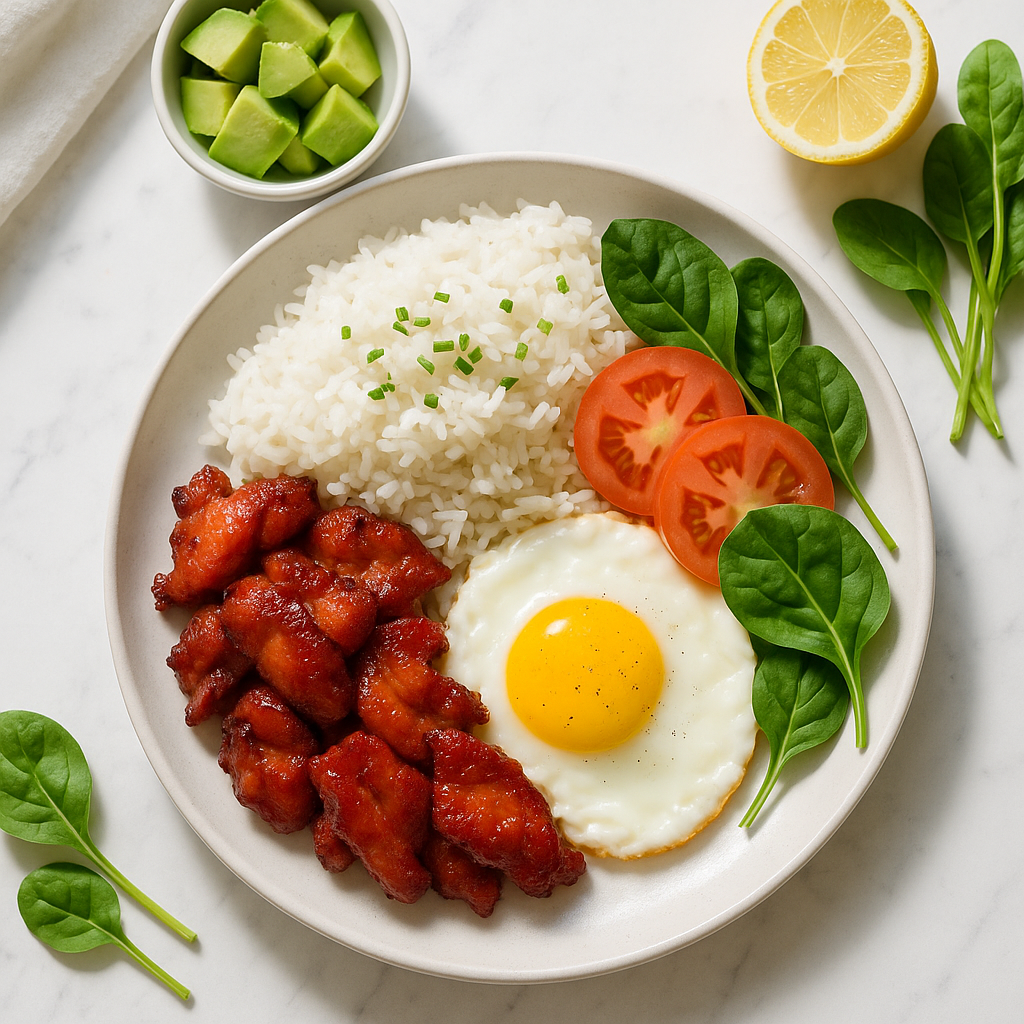
Chicken Tocino Sweet Marinated Chicken Filipino Breakfast in its healthy version is one of those recipes that earns its place on the weekly rotation fast. The standout quality here is the protein content: 34 grams per serving from lean chicken breast, with only 218 calories and 5 grams of fat. Traditional tocino, the cured sweet meat beloved across Filipino households, is typically made with pork and loaded with refined sugar, curing salts, and food colouring. This version strips all of that back without losing the soul of the dish. The marinade uses real food ingredients to achieve that signature sweet, savoury, garlicky flavour the dish is known for. What sets this apart from other high-protein breakfast recipes is that it does not taste like health food. It tastes like something your lola would make on a Sunday morning. The lower sugar count comes in at 8 grams, kept honest by using raw honey and pineapple juice rather than white sugar or syrup. For anyone building muscle, eating gluten-free, or prepping breakfasts ahead of a busy week, this recipe delivers on all fronts.
The ingredient list is short but every item is doing real work. The 600 grams of chicken breast provides all the lean protein, and because the breast is sliced thin before marinating, the flavour penetrates the meat rather than sitting on the surface. Raw honey contributes natural sweetness along with trace antioxidants and enzymes that refined sugar cannot offer, and it helps the chicken caramelise beautifully in the pan. Pineapple juice brings its own natural sweetness but also contains bromelain, an enzyme that tenderises the meat fibres, which matters a lot when you are working with breast rather than the fattier cuts traditional tocino uses. Reduced-sodium tamari replaces soy sauce here, keeping the dish gluten-free while still delivering that deep umami saltiness. Garlic, five cloves of it, provides allicin compounds with well-documented antimicrobial and cardiovascular benefits, and in this quantity the flavour is unmistakably present. Annatto powder is the ingredient that gives Filipino tocino its warm orange-red colour without any artificial dye. Apple cider vinegar adds a mild acidity that balances the sweetness and helps tenderise the meat further. Coconut oil is used for cooking, adding a subtle richness without dairy.
The first thing you notice when this hits the pan is the smell. Garlic and honey hitting hot oil creates a warm, caramel-edged aroma that fills a kitchen fast. The marinade, which the chicken has been sitting in for at least four hours or overnight, has turned the slices a deep amber with orange undertones from the annatto. The chicken goes into a lightly oiled pan over medium heat and cooks for about three to four minutes per side. Because the honey and pineapple juice contain natural sugars, the edges catch and char slightly, which is exactly what you want. That slight caramelisation creates a sticky, lacquered exterior with a tender, juicy interior. The tamari and vinegar prevent the sweetness from becoming cloying, keeping each bite balanced between savoury and sweet. The texture is nothing like dry pan-fried chicken. The bromelain from the pineapple juice and the acid from the vinegar work through the marinade time to keep the breast meat soft. The result is something closer to a sticky-glazed medallion than a plain grilled chicken fillet.
This recipe supports several specific health goals at once. With 34 grams of protein and only 9 grams of carbohydrates per serving, it fits comfortably within low-carb and high-protein eating patterns. People managing blood sugar will appreciate that the sweetness comes from honey and fruit juice rather than added refined sugars, and the overall sugar count of 8 grams per serving is significantly lower than standard tocino recipes, which can run two to three times that amount. The recipe is naturally gluten-free due to the tamari swap and dairy-free with no butter or cream involved anywhere. Athletes and active people will find this a practical breakfast option given the protein-to-calorie ratio. Families raising children on Filipino food who want to reduce processed ingredients will also find this version worth the switch. The recipe is suitable for people following paleo-adjacent eating patterns, as all ingredients are whole food based. It is not suitable for those avoiding honey or following strict low-FODMAP protocols due to the garlic content, but for most people eating a balanced whole food diet, this is a genuinely nourishing start to the day.
This recipe is built for meal prep. You can mix the marinade and slice the chicken on a Sunday, divide it into portions in zip-lock bags or airtight containers, and let it marinate in the refrigerator for up to 48 hours before cooking. Alternatively, cook all the portions at once and store the cooked chicken in the fridge for up to four days. It reheats well in a non-stick pan over low heat with a splash of water to prevent drying out, or in a microwave for 60 to 90 seconds covered. For freezing, portion the marinated raw chicken into individual servings, freeze flat, and cook straight from thawed. On variations, you can swap chicken breast for chicken thigh if you prefer a richer flavour and do not mind slightly higher fat content. A chilli flake addition to the marinade gives the dish a subtle heat that works well against the sweetness. For a citrus forward version, replace the pineapple juice with fresh orange juice for a slightly different but equally balanced flavour profile. The full recipe card below has all the timings, pan temperatures, and serving suggestions you need.
Ingredients
- 600 g chicken breast (thinly sliced against the grain, about 5mm thick)
- 3 tbsp raw honey (or coconut sugar for a lower glycaemic option)
- 3 tbsp pineapple juice (unsweetened, fresh or from a carton)
- 2 tbsp reduced-sodium tamari (or reduced-sodium soy sauce if not gluten-free)
- 1 tbsp apple cider vinegar
- 5 cloves garlic (finely minced or grated)
- 1 tsp annatto powder (for natural colour, also called achuete)
- 0.5 tsp ground black pepper
- 0.3 tsp fine sea salt
- 1 tbsp coconut oil (for cooking)
- 2 tbsp water (added to the pan while cooking to help caramelise the marinade)
Instructions
- 1
Slice the chicken breast thinly against the grain, aiming for slices around 5mm thick. Placing the breast in the freezer for 20 minutes beforehand makes slicing much easier and more uniform.
Uniform thickness ensures even cooking and better caramelisation across every piece.
- 2
In a large mixing bowl, combine the raw honey, pineapple juice, tamari, apple cider vinegar, minced garlic, annatto powder, black pepper, and sea salt. Whisk everything together until the honey has fully dissolved into the marinade.
Taste the marinade before adding the chicken. It should be noticeably sweet, garlicky, and slightly tangy. Adjust with a little more tamari for salt or honey for sweetness.
- 3
Add the sliced chicken to the marinade and toss well to coat every piece thoroughly. Transfer to a sealable container or a zip-lock bag, pressing out any excess air. Refrigerate for a minimum of 8 hours, and ideally overnight or up to 48 hours.
The longer the chicken marinates, the deeper the flavour and the more tender the texture will be. If you are in a hurry, a 2-hour marinade still produces good results.
- 4
When ready to cook, remove the chicken from the fridge and let it sit at room temperature for 10 minutes. This helps it cook more evenly. Heat a large non-stick or cast iron skillet over medium-high heat and add the coconut oil.
- 5
Add the marinated chicken pieces to the pan in a single layer, working in batches if needed. Pour about 2 tablespoons of water into the pan. Cook for 3 to 4 minutes on the first side without moving the chicken, allowing it to start caramelising.
Adding a small splash of water helps the sugar in the marinade caramelise gently rather than burn. Watch the heat carefully and lower it slightly if the pan looks too dry.
- 6
Flip each piece and cook for a further 2 to 3 minutes until the chicken is cooked through and both sides are golden with slightly sticky, caramelised edges. The internal temperature should reach 74 degrees Celsius.
Do not overcrowd the pan. Cooking in batches gives each piece proper contact with the heat, which is what creates those beautiful caramelised edges.
- 7
Transfer the cooked tocino to a plate and rest for 2 minutes before serving. Serve alongside steamed brown rice, sliced tomatoes, and a poached or fried egg for a complete Filipino breakfast.
Nutrition per serving
218kcal
Calories
34g
Protein
9g
Carbs
5g
Fat
0.2g
Fibre
8g
Sugar
390mg
Sodium
Pro Tips
- ✓
Freeze the chicken breast for 15 to 20 minutes before slicing to get even, thin pieces without any special equipment.
- ✓
Annatto powder is available in Filipino grocery stores and many Asian supermarkets. It gives the tocino its signature warm colour naturally.
- ✓
If your pan starts smoking heavily, lower the heat. The honey in the marinade caramelises fast, and you want golden edges, not burnt ones.
- ✓
Serve with sliced fresh tomatoes. The acidity cuts through the sweetness of the tocino and lifts the whole plate.
- ✓
For a lower carb breakfast, swap steamed brown rice for cauliflower rice or serve the tocino over sauteed greens.
- ✓
Double or triple the batch and freeze the marinated raw chicken in portions. Defrost overnight in the fridge for a very fast morning cook.
Frequently Asked Questions
Variations
- •
Spicy Chicken Tocino
Add half a teaspoon of chilli flakes and a teaspoon of sriracha to the marinade for a sweet-heat version that pairs brilliantly with fried eggs and tomatoes.
- •
Citrus Chicken Tocino
Replace the pineapple juice with fresh orange juice and add a teaspoon of orange zest. This gives a brighter, citrus-forward sweetness that is slightly less tropical.
- •
Low Sugar Chicken Tocino
Replace the honey with 1.5 tablespoons of coconut sugar and increase the pineapple juice to 4 tablespoons. This reduces the overall sugar load further while keeping the caramelisation intact.
- •
Air Fryer Chicken Tocino
Cook the marinated chicken in an air fryer at 190 degrees Celsius for 8 to 10 minutes, flipping halfway, for a slightly crispier finish with no added oil needed.
Substitutions
- •Raw honey → Coconut sugar or maple syrup (Use 2.5 tablespoons of coconut sugar dissolved in the pineapple juice, or 2.5 tablespoons of pure maple syrup. Both provide natural sweetness with a slightly different flavour profile.)
- •Pineapple juice → Unsweetened apple juice or fresh orange juice (Both work as tenderising fruit juices and provide natural sweetness. Apple juice is milder; orange juice adds a citrus note.)
- •Reduced-sodium tamari → Coconut aminos (Coconut aminos is naturally lower in sodium and slightly sweeter than tamari. It is a great option for those avoiding soy. Use the same quantity.)
- •Annatto powder → Smoked paprika (Smoked paprika gives a similar warm, reddish colour. It adds a subtle smoky undertone that is not traditional but works well with the other flavours.)
- •Coconut oil → Avocado oil or light olive oil (Both have a high enough smoke point for this cooking method. Avocado oil is neutral in flavour; light olive oil adds a very mild flavour that works well here.)
🧊 Storage
Store cooked chicken tocino in an airtight container in the fridge for up to 4 days. Reheat in a hot pan with a tiny splash of water to restore the caramelised texture. You can also reheat in a microwave, though the edges will be less crispy. Uncooked marinated chicken keeps in the fridge for up to 48 hours, or can be frozen for up to 2 months.
📅 Make Ahead
This recipe is ideal for meal prep. Marinate the chicken up to 48 hours in advance and keep it covered in the fridge. Alternatively, freeze the marinated raw chicken for up to 2 months and defrost overnight in the fridge before cooking. Cooked tocino can also be portioned and refrigerated for quick reheating throughout the week.
You might also like
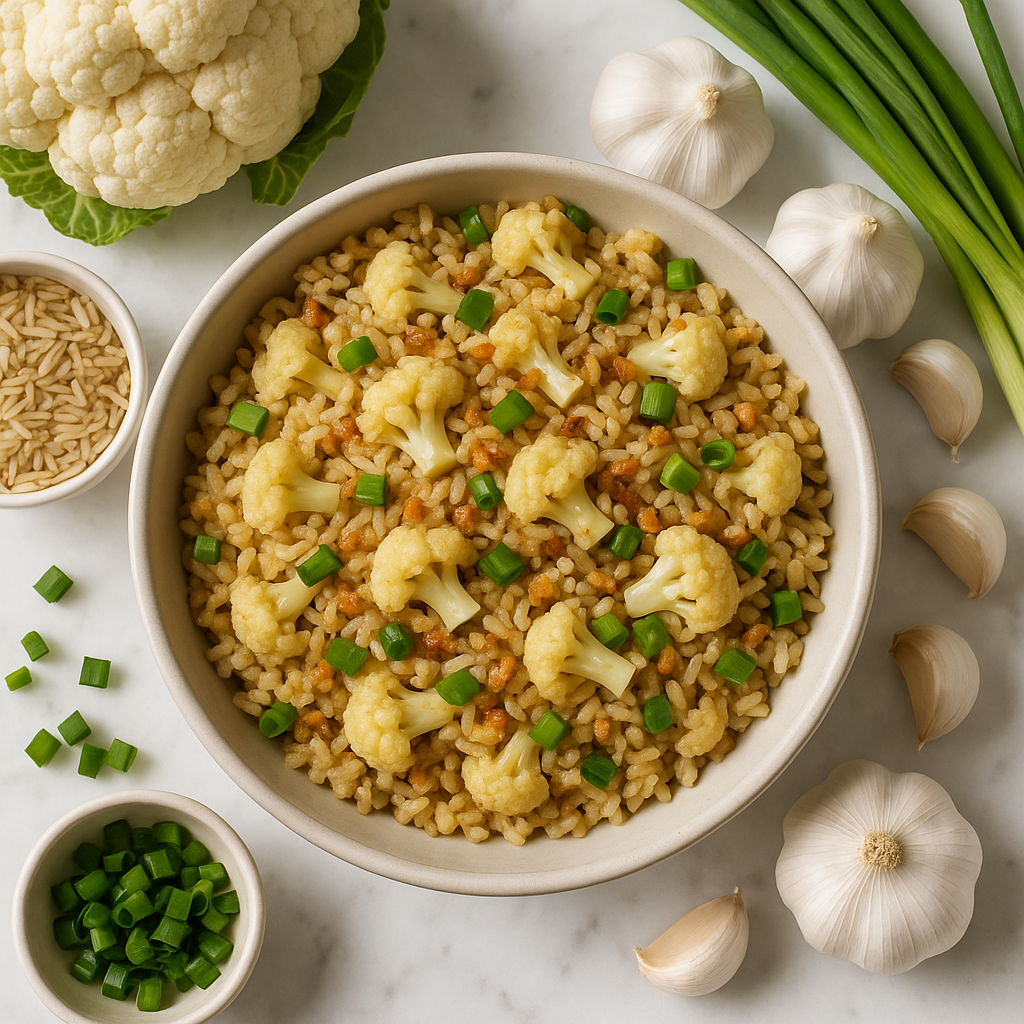
Healthy Sinangag Garlic Fried Rice Recipe Filipino Style with Cauliflower and Brown Rice
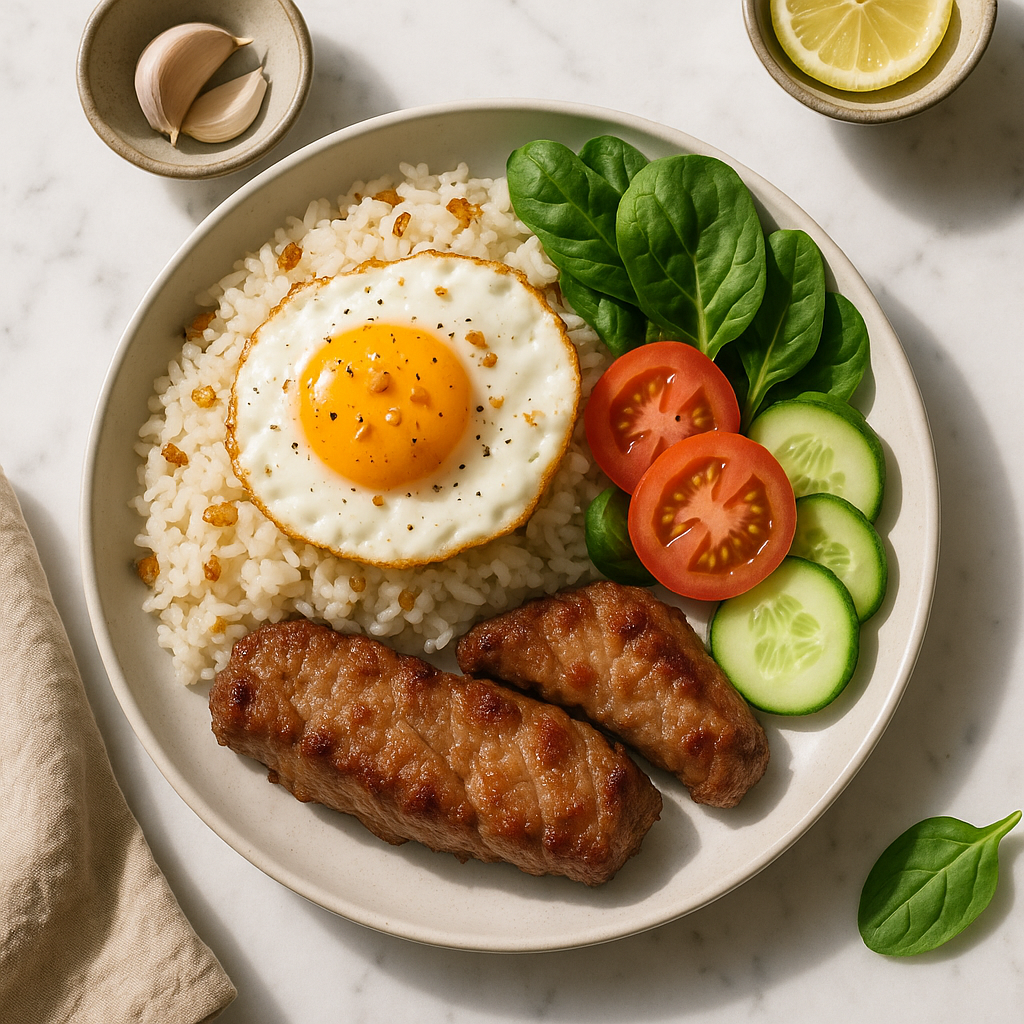
Sinangag Garlic Fried Rice with Egg Silog (Healthy High-Protein Filipino Breakfast)