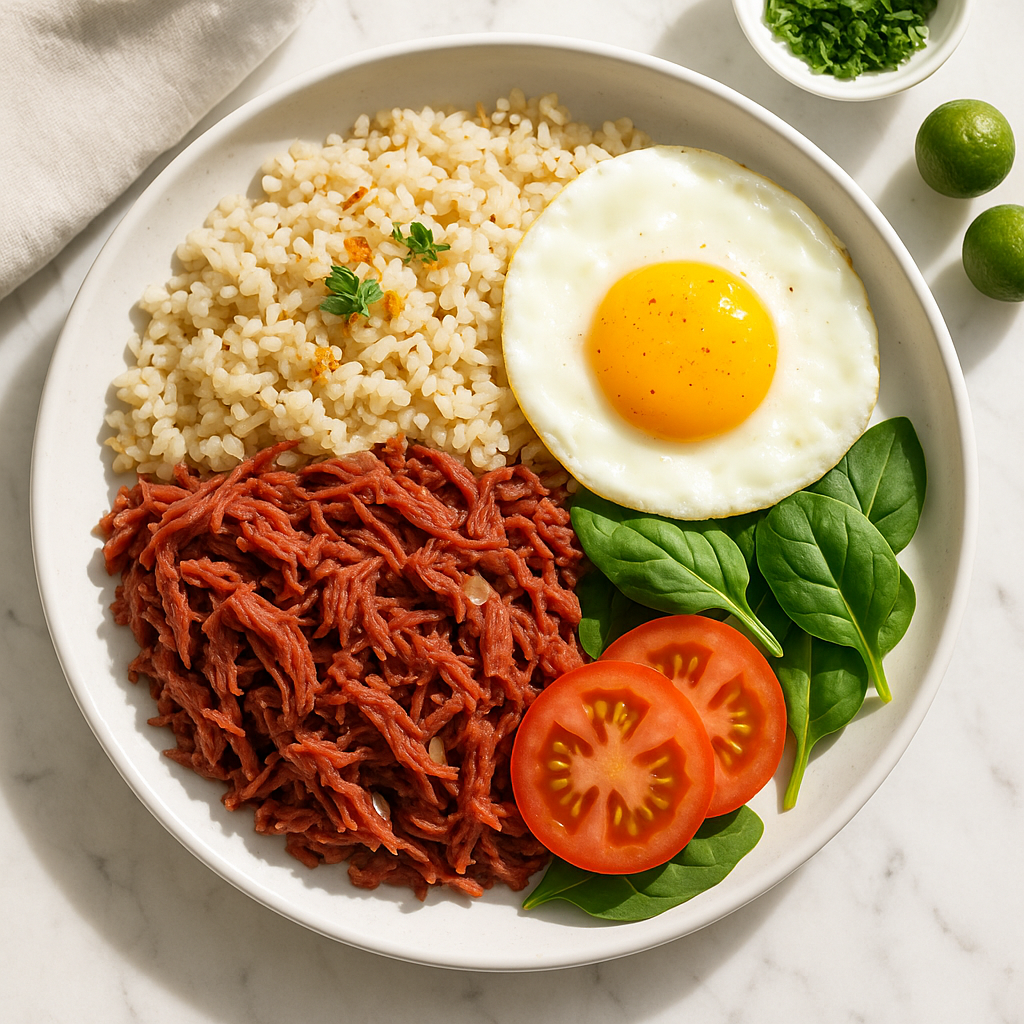
Chicken Longganisa Skinless Homemade Sweet Style (Healthy High-Protein Recipe)
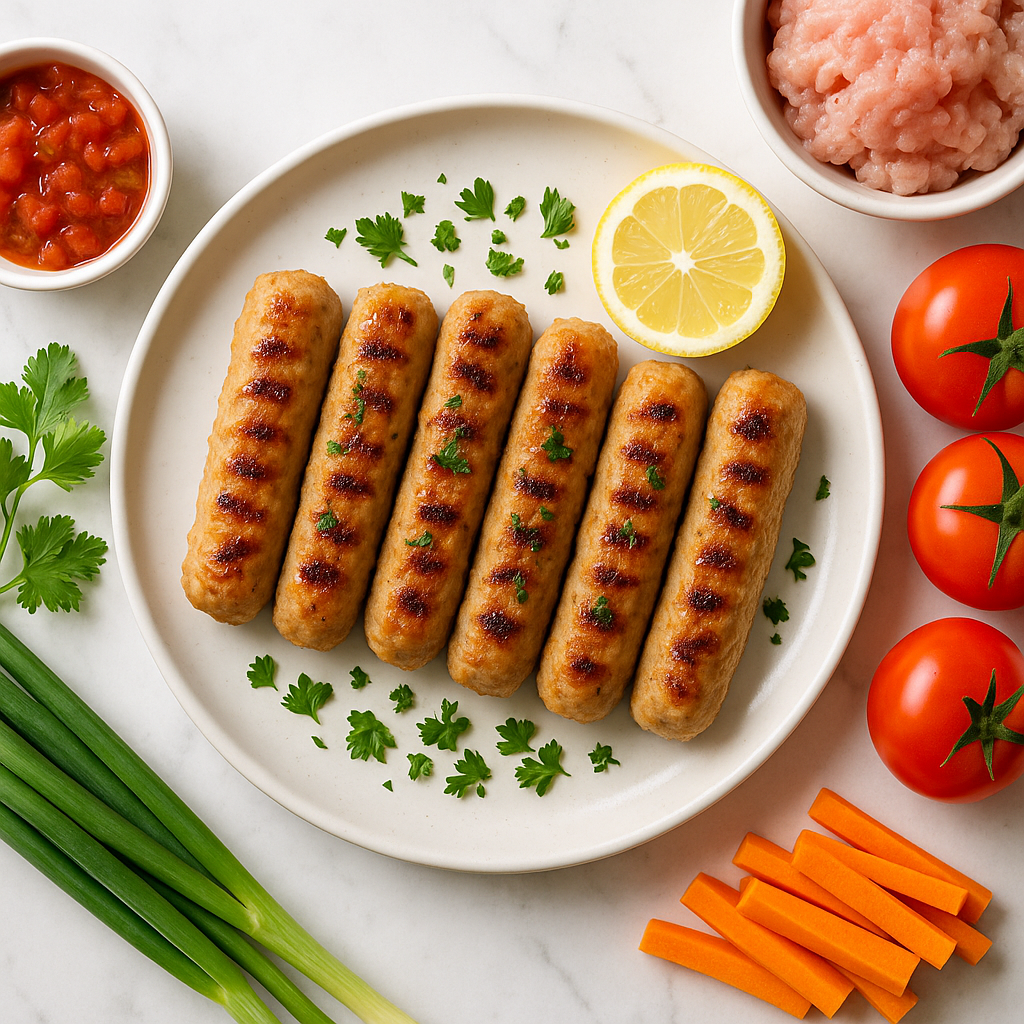
Chicken Longganisa Skinless Homemade Sweet Style brings a Filipino breakfast classic into the home kitchen with a leaner, cleaner profile than anything you will find at a traditional tindahan or supermarket chiller. The skinless format means no casing to stuff, no special equipment to source, and no waiting. You shape the mixture by hand, chill it, and cook it straight from the fridge. What sets this version apart from standard longganisa recipes is the deliberate choice to use ground chicken instead of pork, cutting saturated fat while keeping the savoury-sweet character that makes longganisa so satisfying alongside garlic fried rice and a fried egg. Each serving lands at 198 calories with 24 grams of protein, which is a genuinely high-protein result for a portion this size. The sugar sits at 4 grams per serving, noticeably lower than commercial versions that often pack in refined white sugar by the tablespoon. If you have been trying to build a meal-prep breakfast rotation that actually keeps you full through the morning, this recipe earns its place in that lineup.
The ingredient list is short but every item earns its spot. The base is a blend of 400 grams of ground chicken breast and 200 grams of ground chicken thigh. The breast provides lean protein, contributing the bulk of that 24-gram protein count, while the thigh adds enough fat to keep the sausage moist rather than crumbly when it hits the pan. Coconut sugar does the sweetening here. It carries a lower glycaemic index than refined white sugar and adds a faint caramel note that works well with the garlic. Low-sodium soy sauce brings umami depth and cuts the overall sodium load compared to standard soy sauce. Apple cider vinegar provides a small amount of acidity that brightens the whole flavour profile and acts as a natural preservative to extend fridge life slightly. Garlic powder and onion powder give that unmistakable longganisa aroma without the texture of raw minced garlic, which can burn unevenly in the pan. Smoked paprika adds colour and a whisper of warmth. The oat flour is a functional binder, replacing breadcrumbs to keep the recipe gluten-adaptable depending on the brand you use, and it adds a small amount of soluble fibre to an otherwise fibre-light mixture.
Raw, the mixture smells like a garlic-forward marinade with a faint sweetness from the coconut sugar. Once shaped into small logs and chilled for at least two hours, the texture firms up so each piece holds its form cleanly in the pan. When you add a small amount of water to the skillet and let the longganisa cook through before allowing it to brown, the outside caramelises into a deep amber crust with slightly sticky edges. That caramelisation is where the flavour concentrates. Inside, the meat stays juicy and tender rather than tight or rubbery, which is the common failure point with lean ground chicken recipes. The smoked paprika gives the sausages a warm reddish colour that looks appetising on the plate. The taste is genuinely sweet and savoury in a balanced way, with garlic carrying through from first bite to finish and a faint tang from the vinegar rounding out the back of the palate. It pairs naturally with steamed rice, but it sits equally well on top of scrambled eggs or tucked into a whole grain wrap.
This recipe supports muscle maintenance and lean mass goals because of the protein density relative to its calorie count. At 198 calories and 24 grams of protein per serving, the protein-to-calorie ratio is strong enough to be useful for people tracking macros, particularly those in a moderate calorie deficit who still want satiety at breakfast. The recipe is dairy-free without any modification, which suits people who are lactose intolerant or following a paleo-adjacent approach. The use of coconut sugar and oat flour keeps processed ingredients to a minimum. People managing blood sugar levels may find this more workable than traditional sweet longganisa because the sugar volume is controlled and the protein content slows glucose absorption. Athletes, active adults, and anyone recovering from training will benefit from the protein load at the start of the day. The low saturated fat count compared to pork longganisa also makes this a reasonable regular choice for people who have been advised to moderate their intake of animal fats. It is not a diet food in the punishing sense. It is a practical, flavour-led recipe that happens to have a strong nutritional profile.
For meal prep, mix and shape the full batch on a Sunday and store the uncooked logs in an airtight container lined with baking paper so they do not stick together. They keep well in the refrigerator for up to four days. For longer storage, freeze them in a single layer on a tray until solid, then transfer to a freezer bag where they will keep for up to two months. Cook from frozen by adding a splash of water to the pan, covering it for the first few minutes to thaw and cook through, then removing the lid to brown. If you want to vary the flavour, a small addition of fish sauce alongside the soy sauce pushes the umami further in a more traditional Filipino direction. Swapping smoked paprika for a pinch of cayenne and annatto powder shifts the colour and adds heat. You could also shape the mixture into small patties instead of logs if you want a faster cook time and a larger surface area for browning. All the details on portions, timing, and exact steps are in the recipe card below.
Ingredients
- 400 g ground chicken breast (minced or ground fine)
- 200 g ground chicken thigh (skinless and boneless, adds moisture)
- 1 tbsp extra virgin olive oil (worked into the meat mixture)
- 2 tbsp coconut sugar (lower GI than refined sugar)
- 2 tbsp low-sodium soy sauce (or tamari for gluten-free)
- 1 tsp apple cider vinegar (adds a subtle tang and helps preserve)
- 1.5 tsp garlic powder (dried, not fresh, for better texture)
- 1 tsp onion powder
- 1 tsp smoked paprika (adds colour and depth)
- 0.5 tsp ground black pepper
- 0.5 tsp fine sea salt (adjust to taste)
- 2 tbsp oat flour (use certified gluten-free oat flour if needed)
- 150 ml water (for cooking, added to the pan)
- 1 tsp olive oil (for frying, after water evaporates)
Instructions
- 1
Place the ground chicken breast and ground chicken thigh into a large mixing bowl. Add the olive oil, coconut sugar, low-sodium soy sauce and apple cider vinegar. Mix with clean hands or a fork until the liquids are evenly distributed through the meat.
Do not over-mix the meat at this stage or the texture can become too dense. Just mix until everything is combined.
- 2
Add the garlic powder, onion powder, smoked paprika, black pepper, sea salt and oat flour to the bowl. Mix again until all the seasonings are fully incorporated and the mixture holds together when pressed between your fingers.
Taste a tiny bit of the raw mixture if you are comfortable doing so, or fry a small test piece in a pan to check the seasoning before shaping all the longganisa.
- 3
Cut cling wrap or beeswax wrap into roughly 20 cm squares. Scoop about two tablespoons of the chicken mixture onto each piece of wrap. Shape into a log roughly 8 cm long and 2.5 cm wide, then roll the wrap tightly around it and twist both ends to seal.
Keeping the logs uniform in size means they will all cook evenly at the same time.
- 4
Place all the wrapped longganisa on a tray or plate and refrigerate for a minimum of two hours, or ideally overnight. This chilling step is essential as it firms up the sausages so they hold their shape during cooking.
You can prepare these the evening before for a very quick breakfast the next morning.
- 5
When ready to cook, unwrap as many longganisa as you need. Heat a non-stick pan over medium heat. Add 150 ml of water to the pan and arrange the longganisa in a single layer. Cover with a lid and let them cook for about 6 to 8 minutes, turning once, until the water is nearly fully evaporated.
The water-first method gently steams the inside of the sausage, ensuring the chicken is cooked through without burning the outside.
- 6
Once the water has evaporated, drizzle in one teaspoon of olive oil and continue cooking uncovered for 2 to 3 more minutes, turning the longganisa gently until they are golden and slightly caramelised on all sides. Serve immediately.
Watch the heat carefully during this last step. The coconut sugar can caramelise quickly, which is delicious, but it can also burn if the heat is too high.
Nutrition per serving
198kcal
Calories
24g
Protein
7g
Carbs
8g
Fat
0.5g
Fibre
4g
Sugar
390mg
Sodium
Pro Tips
- ✓
Always chill the shaped longganisa for at least two hours before cooking. Skipping this step will cause them to fall apart in the pan.
- ✓
A blend of chicken breast and thigh keeps the texture moist. Using breast only tends to produce a dry, crumbly sausage.
- ✓
Use dried garlic and onion powder instead of fresh. Fresh alliums add too much moisture to the mixture.
- ✓
The water-first cooking method is the key to juicy longganisa with a golden crust. Do not skip it.
- ✓
Double the batch and freeze half for future breakfasts. Frozen longganisa can go straight from freezer to pan with a little extra water and cooking time.
- ✓
Swap oat flour for tapioca flour if you want a slightly chewier texture and a completely grain-free version.
Frequently Asked Questions
Variations
- •
Spicy Sweet Chicken Longganisa
Add half a teaspoon of cayenne pepper and a quarter teaspoon of chilli flakes to the mixture alongside the other spices. The heat balances the sweetness beautifully and gives the longganisa an extra kick.
- •
Garlic-Forward Longganisa
Increase the garlic powder to one tablespoon for a more intensely garlicky flavour profile. You can also add half a teaspoon of garlic salt in place of the regular sea salt for an even deeper garlic taste.
- •
Annatto-Coloured Longganisa
Dissolve half a teaspoon of annatto powder in the olive oil before adding it to the meat mixture. This gives the longganisa the traditional deep orange-red colour without affecting the flavour significantly.
- •
Turkey Longganisa Sweet Style
Replace all the chicken with ground turkey using the same breast-and-thigh ratio. The flavour is slightly milder but the texture is very similar, and the nutritional profile remains high in protein and low in saturated fat.
Substitutions
- •Coconut sugar → Monk fruit sweetener or erythritol (Use a one-to-one swap for a lower-calorie, low-carb version that suits keto or diabetic-friendly diets. The caramelisation will be slightly less pronounced.)
- •Oat flour → Tapioca flour or almond flour (Tapioca flour gives a slightly chewier texture. Almond flour adds a mild nuttiness and makes the recipe lower in carbs. Both work well as binders.)
- •Low-sodium soy sauce → Coconut aminos (Coconut aminos is soy-free, slightly sweeter and lower in sodium. It is a great choice if you are avoiding soy or want a more paleo-friendly version.)
- •Apple cider vinegar → Calamansi juice or fresh lemon juice (Calamansi is the traditional Filipino citrus used in many meat dishes and adds a very authentic flavour note to the longganisa mixture.)
- •Smoked paprika → Annatto powder and a pinch of sweet paprika (Annatto is the more traditional colouring agent in Filipino longganisa. Use a quarter teaspoon of annatto powder plus half a teaspoon of sweet paprika to replicate the colour and mild flavour.)
🧊 Storage
Store shaped, uncooked longganisa wrapped individually in cling wrap inside an airtight container in the refrigerator for up to 3 days. Cooked longganisa should be refrigerated in a sealed container and consumed within 2 days. For freezing, place wrapped uncooked longganisa in a freezer-safe bag and freeze for up to 2 months.
📅 Make Ahead
These longganisa are ideal for meal prep. Shape and wrap the entire batch on a Sunday evening, refrigerate overnight and cook fresh each morning for a speedy weekday breakfast. Alternatively, freeze a full batch and cook directly from frozen throughout the week.
You might also like
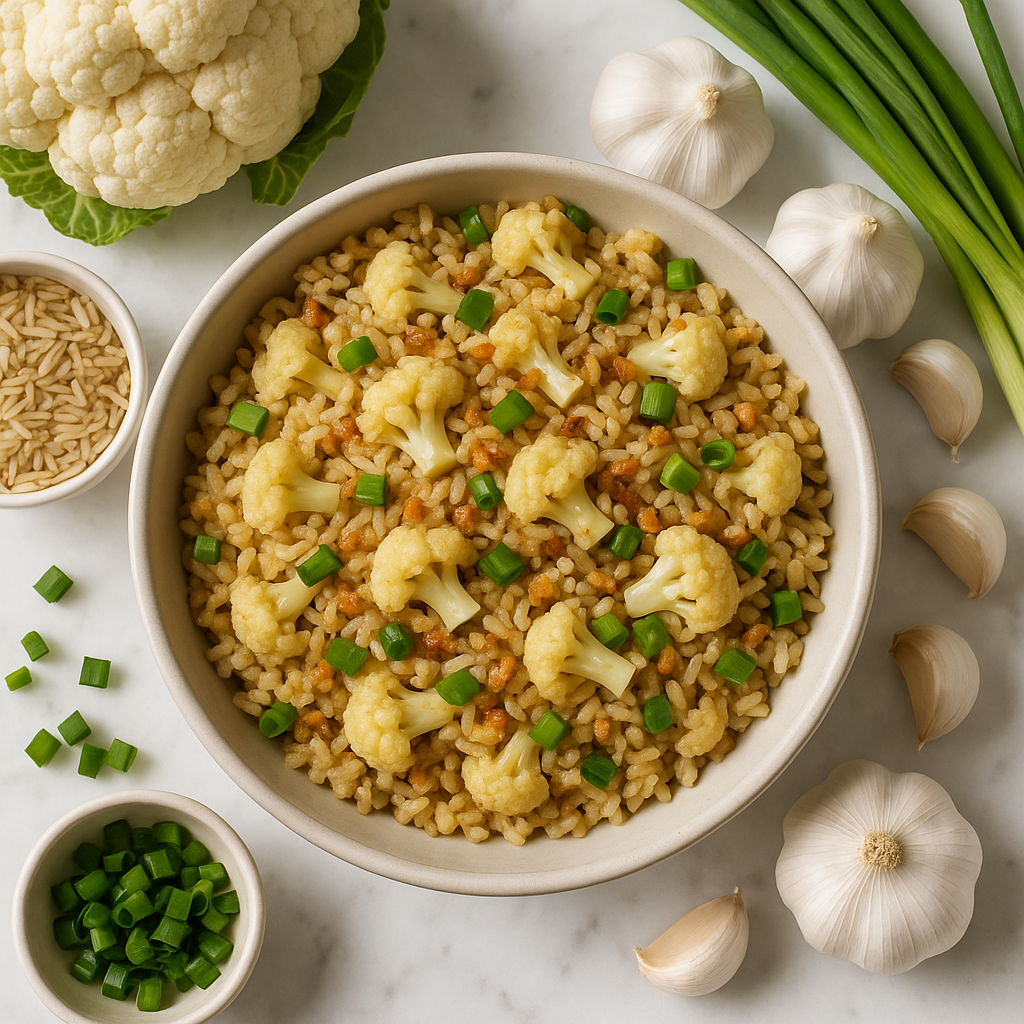
Healthy Sinangag Garlic Fried Rice Recipe Filipino Style with Cauliflower and Brown Rice
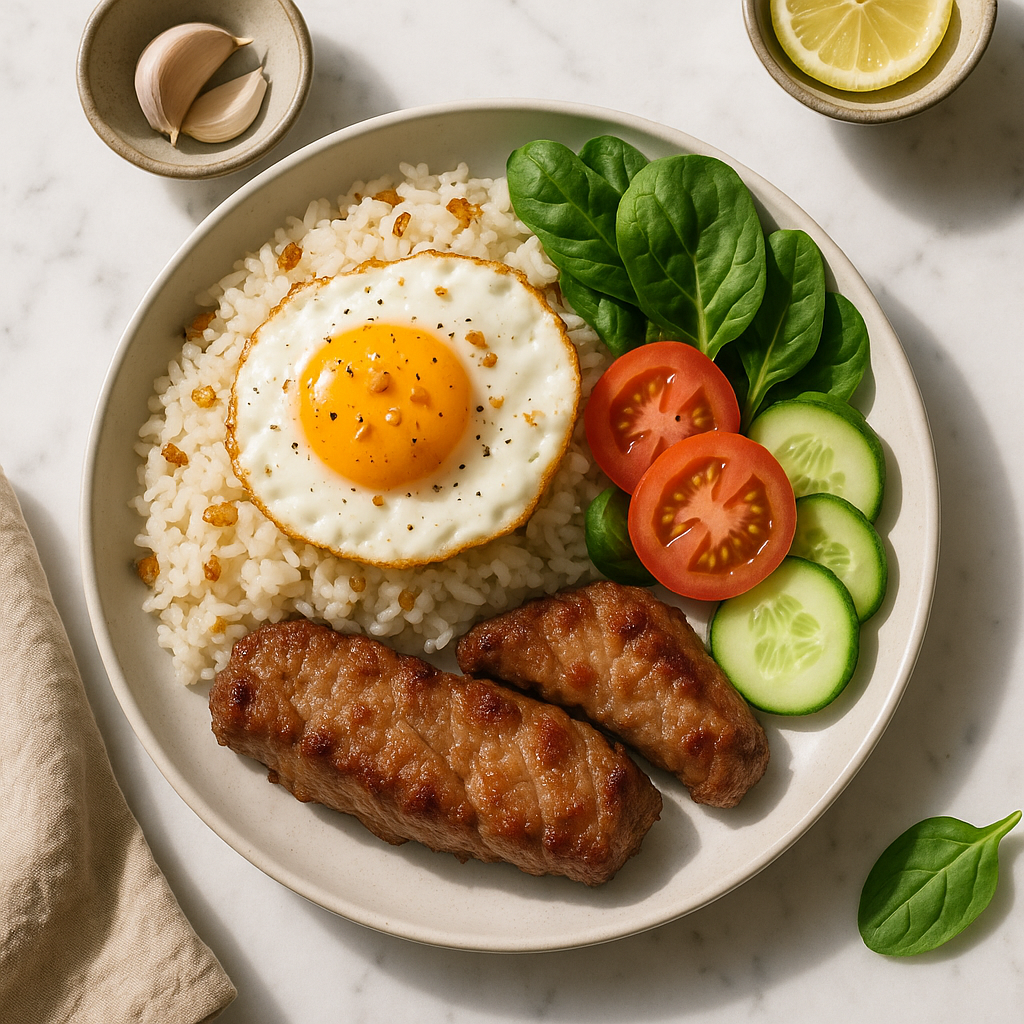
Sinangag Garlic Fried Rice with Egg Silog (Healthy High-Protein Filipino Breakfast)