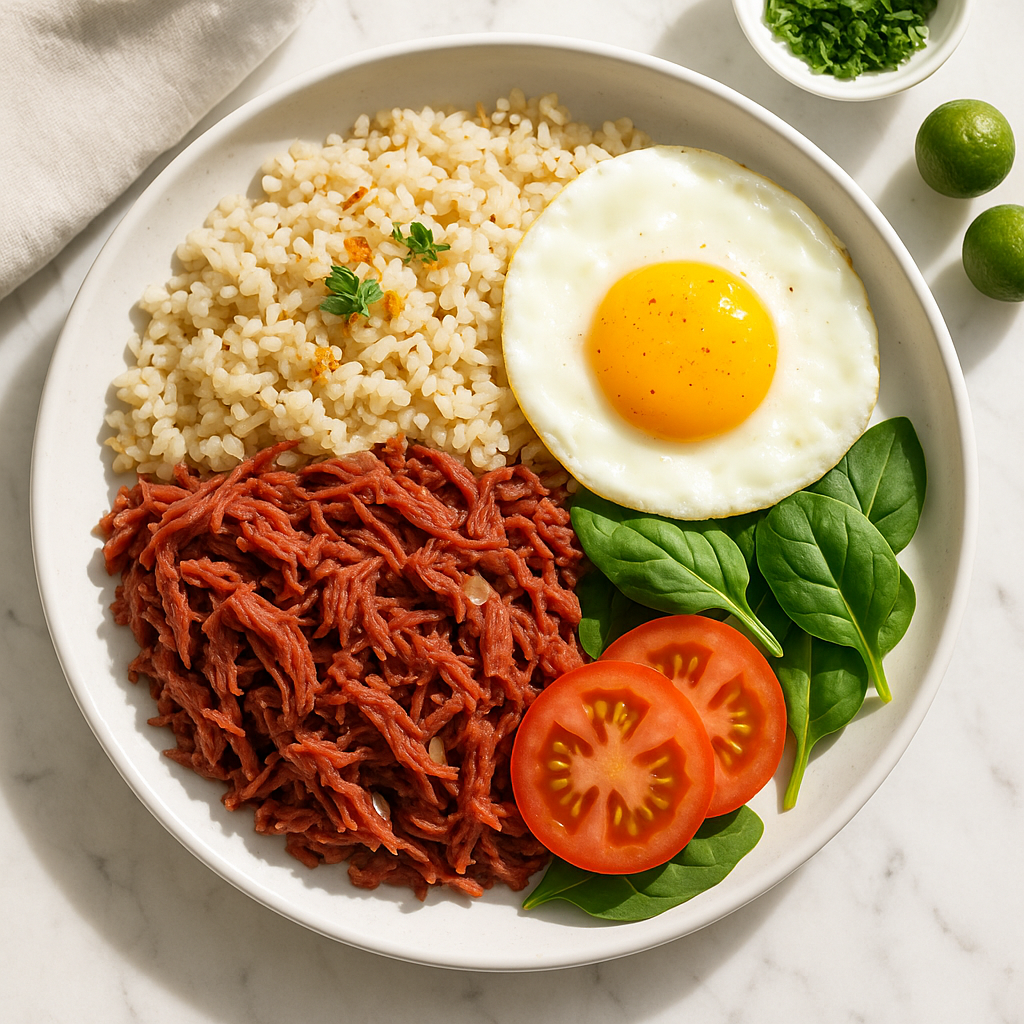
Beef Tapa Recipe: Tender and Savory Tapsilog with Cauliflower Garlic Rice
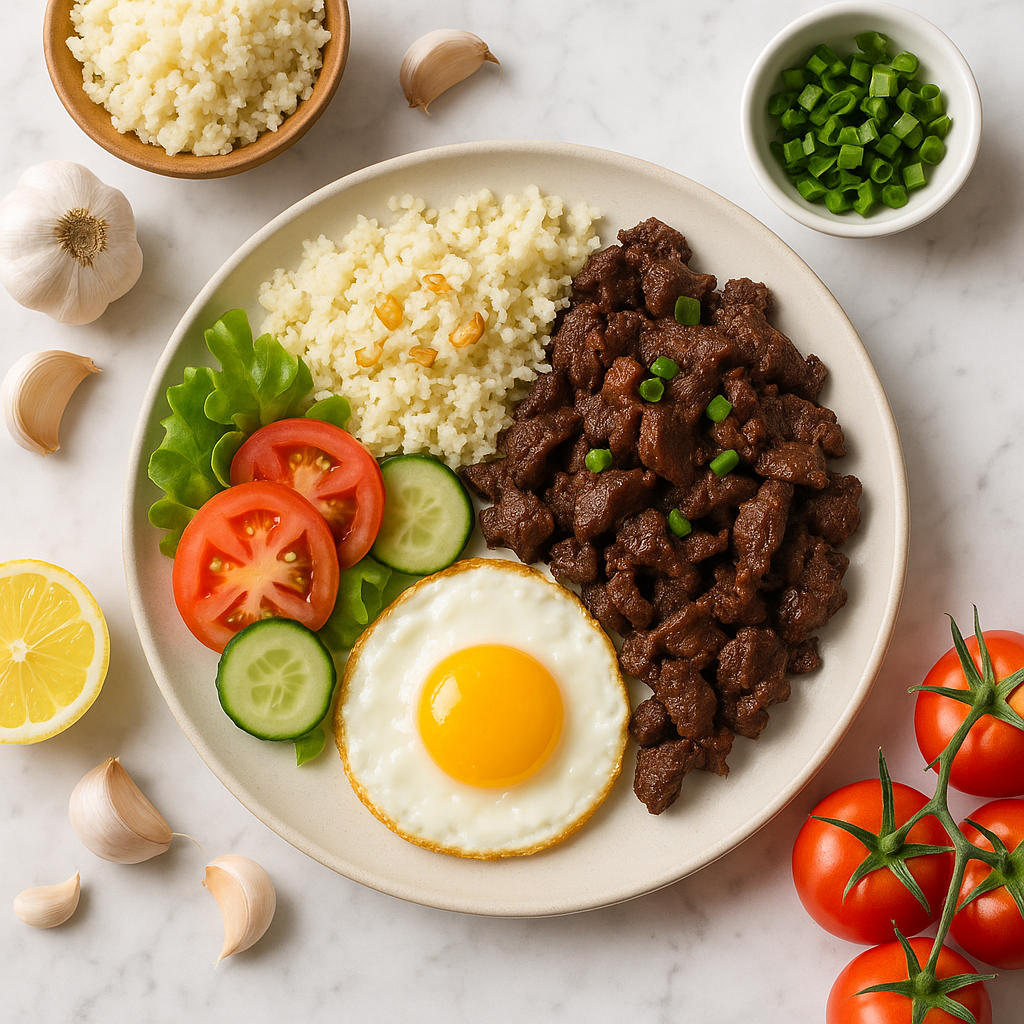
Beef Tapa Recipe: Tender and Savory Tapsilog with Cauliflower Garlic Rice is a Filipino breakfast classic that has been reworked to deliver serious protein without the heavy sugar load of traditional preparations. Most tapa recipes call for white sugar and soy sauce as the backbone of the marinade, which pushes the carbohydrate count up and leaves the dish feeling heavier than it needs to be. This version clocks in at 39 grams of protein per serving with only 6 grams of sugar and 422 calories total, which makes it a genuinely satisfying morning meal that supports muscle maintenance and steady energy through the morning. The swap of cauliflower garlic rice blended into brown rice cuts the starch without sacrificing the bulk and comfort that make tapsilog worth eating in the first place. If you have been cooking Filipino food at home and want a version that fits a higher protein lifestyle or a lower glycaemic approach, this recipe earns its place on your regular rotation. It is also gluten-free and dairy-free, so it works across a wider range of dietary needs than the original.
The ingredient list here is intentional from top to bottom. Lean beef sirloin at 450 grams is the protein anchor of the dish. Sirloin is a smart cut for this style of recipe because it is low in saturated fat compared to brisket or chuck, yet it has enough structure to hold up to the marinade without turning mushy. Coconut aminos replace soy sauce and bring that salty, umami depth while keeping the recipe gluten-free and reducing the sodium considerably. Fresh pineapple juice is not just for sweetness. It contains bromelain, a natural enzyme that actively breaks down muscle fibres in the beef, which is a key reason the meat turns out as tender as it does without a long overnight soak. Raw honey adds a small amount of natural sweetness with trace minerals intact, unlike refined white sugar. Apple cider vinegar brings acidity that balances the marinade and adds a brightness that keeps the flavour from going flat. The garlic, used both in the marinade and in the cauliflower rice, provides allicin compounds known for their anti-inflammatory properties. Riced cauliflower blended with brown rice contributes fibre, vitamin C, and vitamin K, while the brown rice itself adds B vitamins and additional fibre that white rice would not provide.
The marinade turns a deep, amber brown once the beef has been sitting in it for at least two hours, and when the strips hit the hot pan with avocado oil, they caramelise at the edges and develop a slightly charred crust that is the whole point of good tapa. The smell as it cooks is rich and garlicky with a faint sweetness underneath, and the kitchen will smell exactly the way it should when someone is making a proper Filipino breakfast. Because sirloin is lean, the cooking time is short. High heat for a few minutes per side is enough. Overcooking dries it out, so you are looking for just a little colour and char on the outside while the inside stays tender and juicy. The cauliflower garlic rice has a lighter, slightly nutty flavour from the browned garlic and a fluffier texture than plain cauliflower rice because the brown rice adds body and chew. The two together create a plate that feels substantial and comforting without the heaviness that a full white rice serving would bring.
This recipe supports a high protein breakfast goal directly, with 39 grams of protein making it one of the stronger morning meal options available in Filipino cooking. High protein breakfasts are associated with reduced hunger through the morning and better muscle protein synthesis, which matters for anyone who trains regularly or is managing body composition. The fibre content at 5 grams per serving, coming from the cauliflower and brown rice combination, supports digestive health and contributes to the satiety effect alongside the protein. Because it is gluten-free and dairy-free, it fits a paleo-adjacent eating pattern and suits anyone managing coeliac disease or a dairy intolerance. The lower sugar content compared to traditional tapa makes it compatible with a lower glycaemic diet, which is useful for people monitoring blood sugar levels. Athletes, active adults, people following a Filipino heritage diet who want a healthier weekday option, and anyone meal prepping high protein breakfasts for the week will all find this recipe genuinely useful. It is not a compromise version of tapsilog. It holds its own as a full and flavourful dish.
Meal prep is one of the strongest reasons to make this recipe. The beef can be marinated the night before and stored in a sealed container in the refrigerator, and the tapa itself keeps well cooked and refrigerated for up to four days. The cauliflower garlic rice also stores well in the fridge for three to four days in a separate container. Reheat the beef in a hot pan for two to three minutes to restore the caramelised edges rather than microwaving it, which tends to make it rubbery. The rice reheats well in a pan with a small splash of water or straight in the microwave covered with a damp paper towel. For variations, you can use flank steak instead of sirloin for a slightly richer flavour and a more traditional chew. A fully cauliflower rice version works well for a lower carb approach that brings the calories down noticeably. You can also add a fried egg on top to complete the classic tapsilog combination and push the protein even higher. The full recipe card below has all the measurements, timing, and steps laid out for you.
Ingredients
- 450 g lean beef sirloin (sliced thinly across the grain, about 3-4mm thick)
- 3 tbsp coconut aminos (lower sodium than soy sauce)
- 3 tbsp fresh pineapple juice (natural meat tenderizer, use freshly squeezed if possible)
- 1 tsp raw honey (just enough to balance the marinade without spiking sugar)
- 4 cloves garlic (minced, for the marinade)
- 1 tsp apple cider vinegar (adds gentle acidity to tenderize further)
- 0.5 tsp ground black pepper
- 0.5 tsp onion powder
- 1 tsp avocado oil (for cooking the tapa)
- 1.5 cups cooked brown rice (day-old works best for fried rice)
- 1.5 cups riced cauliflower (fresh or thawed from frozen)
- 5 cloves garlic (thinly sliced, for the sinangag)
- 1 tbsp avocado oil (for the garlic rice)
- 1 tsp sesame oil (finish the rice with this for flavour)
- 2 tsp coconut aminos (season the rice lightly)
- 0.3 tsp ground black pepper (for the rice)
- 3 large free-range eggs (fried sunny side up)
- 1 tsp avocado oil (for frying the eggs)
- 2 medium ripe tomatoes (sliced, to serve alongside)
- 1 small cucumber (sliced, to serve alongside)
- 3 tbsp coconut vinegar (for the dipping sauce)
- 1 small red chilli (sliced, optional, for the vinegar dipping sauce)
Instructions
- 1
Combine coconut aminos, fresh pineapple juice, raw honey, minced garlic, apple cider vinegar, black pepper, and onion powder in a bowl. Whisk until the honey dissolves fully.
Fresh pineapple juice works far better than canned here. The active enzymes in fresh juice are what actually tenderize the beef.
- 2
Add the thinly sliced beef sirloin to the marinade and toss to coat every slice evenly. Transfer to a zip-lock bag or airtight container, press out any air, and refrigerate for at least 8 hours. Overnight is ideal for maximum tenderness.
Do not marinate for longer than 24 hours. The pineapple enzymes will start to break down the texture too aggressively, making the beef mushy.
- 3
When ready to cook, remove the beef from the refrigerator and let it sit at room temperature for 10 minutes. This helps the meat cook more evenly.
- 4
Heat a large non-stick skillet over medium-high heat and add 1 teaspoon of avocado oil. Cook the marinated beef in a single layer for 2 to 3 minutes per side until caramelised and cooked through. Work in batches to avoid crowding the pan, which would cause the beef to steam rather than sear.
A little charring on the edges is a good thing. It adds that slightly smoky, sweet-savoury edge that makes tapa so distinctive.
- 5
While the beef rests, make the cauliflower garlic rice. Heat 1 tablespoon of avocado oil in a separate wok or wide skillet over medium heat. Add the sliced garlic and cook, stirring constantly, for about 2 minutes until golden and fragrant. Watch it closely as garlic burns quickly.
Toasting the garlic to a deep golden colour is what gives sinangag its signature aroma. Do not rush this step.
- 6
Add the riced cauliflower to the pan first and stir-fry for 2 minutes until any moisture evaporates. Then add the cooked brown rice, breaking up any clumps with a spatula. Toss everything together over high heat for 3 to 4 minutes.
Day-old brown rice has less moisture and fries up much better. Freshly cooked rice tends to clump and turn gummy.
- 7
Season the rice mixture with 2 teaspoons of coconut aminos, black pepper, and a final drizzle of sesame oil. Toss to combine and remove from the heat.
- 8
In a small clean skillet, heat 1 teaspoon of avocado oil over low-medium heat. Crack each egg in gently and fry sunny side up until the whites are just set but the yolk is still runny. Season lightly with a pinch of salt and black pepper.
Covering the pan with a lid for the last 30 seconds helps set the whites without flipping the egg.
- 9
Assemble each plate with a serving of cauliflower garlic rice, a portion of beef tapa alongside sliced tomatoes and cucumber, and one fried egg on top. Serve with a small bowl of coconut vinegar mixed with sliced red chilli as a dipping sauce.
Nutrition per serving
422kcal
Calories
39g
Protein
28g
Carbs
16g
Fat
5g
Fibre
6g
Sugar
480mg
Sodium
Pro Tips
- ✓
Slice the beef against the grain for the most tender bites. Cutting with the grain leaves the fibres long and chewy.
- ✓
Freeze the beef for 20 to 30 minutes before slicing. Partially frozen meat is much easier to cut into thin, even slices.
- ✓
If you prefer a slightly sweeter tapa, add an extra half teaspoon of honey to the marinade. Keep it minimal to stay within a lower sugar profile.
- ✓
The coconut vinegar dipping sauce is not optional in spirit. It genuinely transforms the dish and balances the rich egg yolk beautifully.
- ✓
Use a cast iron skillet if you have one. It retains heat well and gives the beef a better sear than a thin non-stick pan.
- ✓
For a fully low-carb version, skip the brown rice entirely and use all riced cauliflower in the sinangag.
Frequently Asked Questions
Variations
- •
Spicy Beef Tapa
Add half a teaspoon of chilli flakes and a teaspoon of gochujang paste to the marinade for a fiery, Korean-Filipino fusion take on the classic tapa.
- •
Keto Tapsilog
Skip the brown rice entirely and serve the beef tapa over a full portion of riced cauliflower sinangag seasoned with garlic and sesame oil. This version drops the carbs to under 10 grams per serving.
- •
Citrus Tapa
Swap the pineapple juice for freshly squeezed calamansi or lime juice for a brighter, more acidic marinade. This version is lighter and works especially well with very thinly sliced beef.
- •
Egg White Tapsilog
Replace the whole fried egg with two fried egg whites to reduce fat and calories further while keeping the protein content high. Season the egg whites well with a pinch of garlic powder and black pepper.
Substitutions
- •Coconut aminos → Low-sodium tamari (Tamari is gluten free like coconut aminos but slightly saltier, so reduce the quantity to 2 tablespoons and taste before adding more.)
- •Fresh pineapple juice → Fresh papaya puree (Papaya contains papain, another powerful natural meat tenderizer. Use 2 tablespoons of blended ripe papaya in place of the pineapple juice.)
- •Raw honey → Coconut sugar or pure maple syrup (Both work in equal amounts. Coconut sugar has a slightly lower glycaemic index than regular sugar, making it a solid choice for a healthier marinade.)
- •Lean beef sirloin → Beef eye round or top round (Both are leaner and slightly more economical than sirloin. They benefit greatly from the overnight marinade to ensure tenderness.)
- •Brown rice → Quinoa (Quinoa adds even more protein and fibre than brown rice. Use fully cooked, day-old quinoa in the same quantity for a high-protein sinangag.)
- •Avocado oil → Light olive oil or coconut oil (Both work well at medium-high heat. Coconut oil adds a very subtle tropical note that actually complements the Filipino flavour profile nicely.)
🧊 Storage
Store cooked beef tapa in an airtight container in the refrigerator for up to 4 days. Store the cauliflower garlic rice separately in a sealed container for up to 3 days. Reheat the beef in a hot skillet for 1 to 2 minutes to revive the caramelised edges. Reheat the rice in a skillet with a tiny splash of water or in the microwave covered with a damp paper towel. Fry eggs fresh each time for the best texture. The cooked tapa also freezes well for up to 2 months in a freezer-safe bag.
📅 Make Ahead
Marinate the sliced beef the night before and keep it refrigerated until morning. The cauliflower garlic rice can be fully cooked ahead of time and reheated in a hot wok for 2 to 3 minutes before serving. Having both components prepped means the full tapsilog plate comes together in under 10 minutes on a busy morning.
You might also like
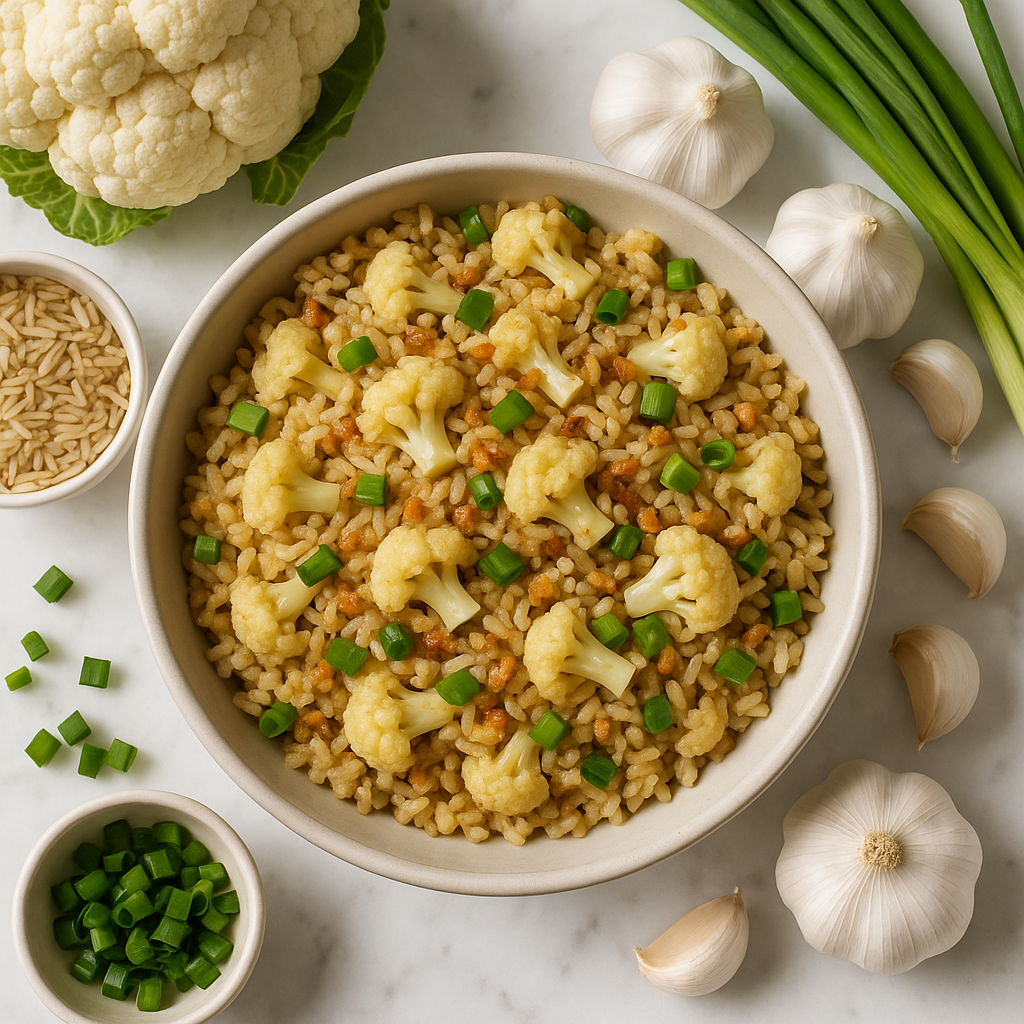
Healthy Sinangag Garlic Fried Rice Recipe Filipino Style with Cauliflower and Brown Rice
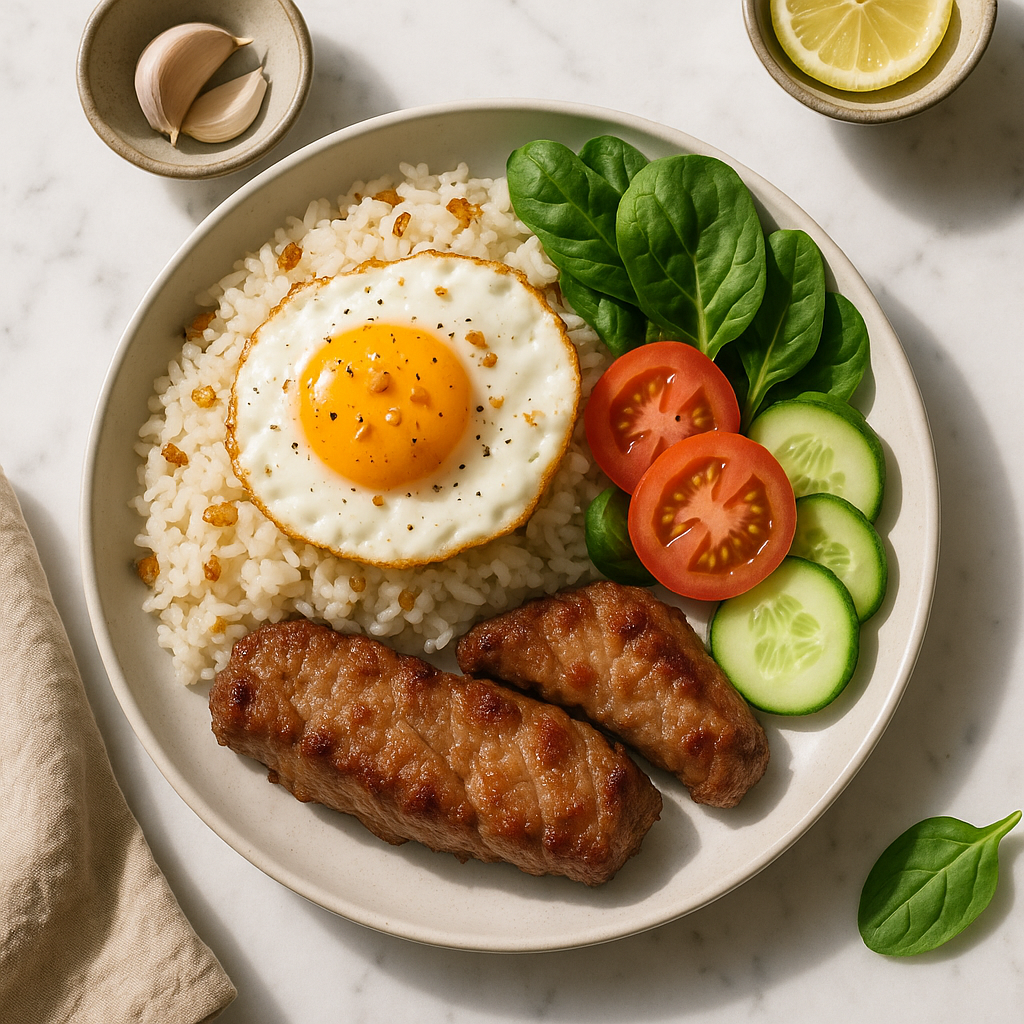
Sinangag Garlic Fried Rice with Egg Silog (Healthy High-Protein Filipino Breakfast)