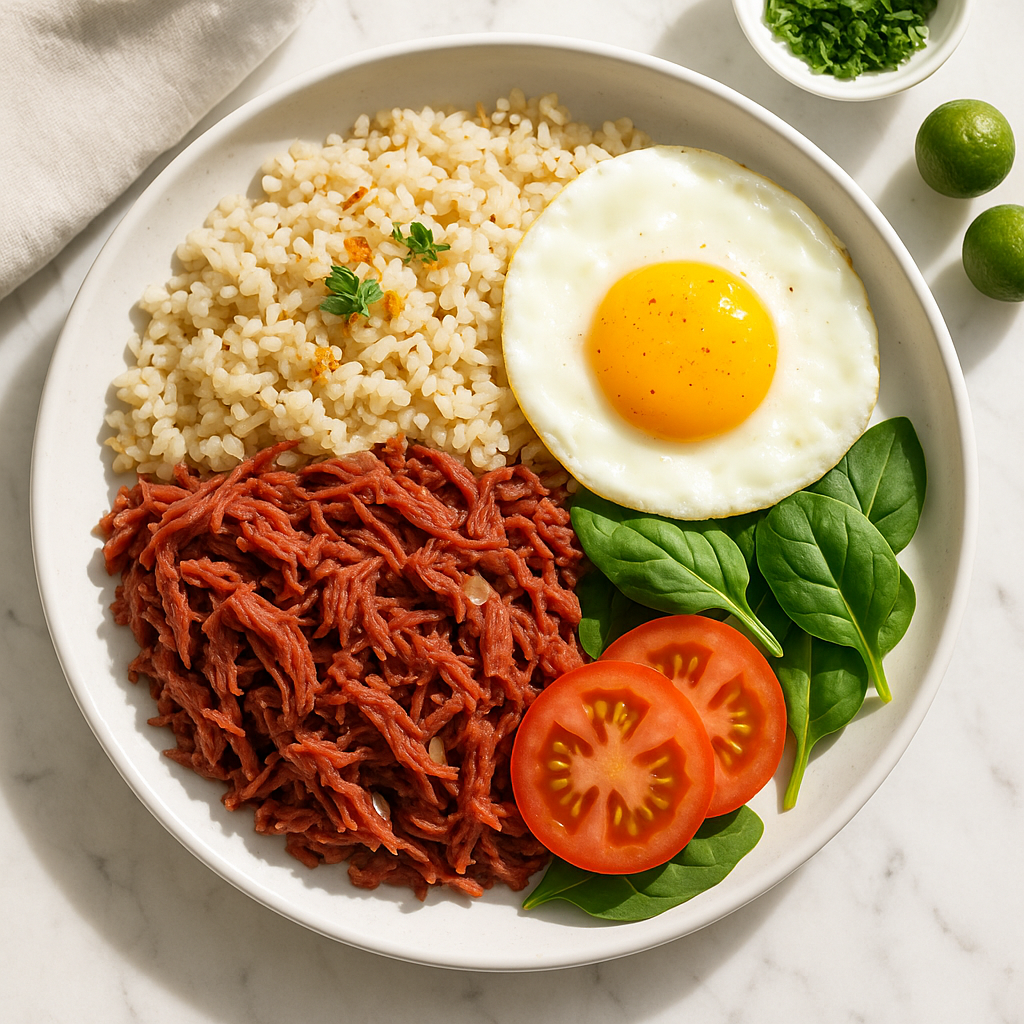
Low Sodium Garlic Marinated Beef Tapa Recipe
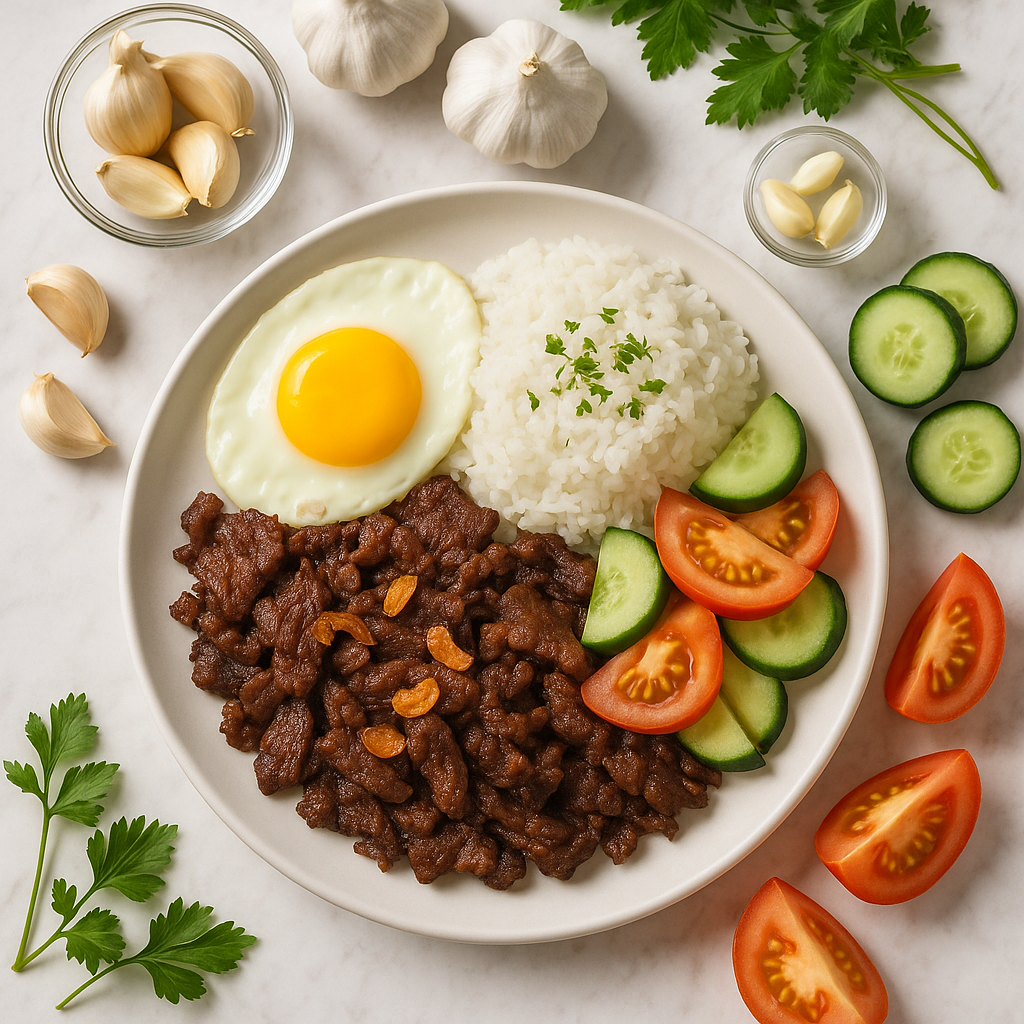
Low Sodium Garlic Marinated Beef Tapa is a Filipino breakfast classic that has been thoughtfully reworked for anyone who loves bold, savoury flavour without the heavy sodium load of traditional versions. Most store-bought or restaurant tapa recipes lean hard on soy sauce and salt, which can push sodium levels through the roof before the day has even started. This version keeps all the garlicky, slightly sweet, tangy character that makes tapa so beloved while bringing the sodium down significantly and the protein up. At 31 grams of protein per serving with only 218 calories, this is a genuinely filling morning meal that supports muscle maintenance and keeps hunger at bay for hours. The ingredient list is clean and short, with nothing processed or hard to find. For anyone tracking macros, eating keto, or following a paleo or gluten-free approach, this recipe ticks those boxes naturally without requiring any special substitutions or workarounds. It is the kind of breakfast that feels indulgent but works hard nutritionally.
The ingredient choices here are deliberate and functional, not accidental. Beef sirloin or eye of round forms the protein base, providing roughly 26 to 28 grams of protein per 100 grams of cooked lean beef along with iron, zinc, and B vitamins including B12, which supports nerve function and energy metabolism. Low sodium tamari replaces conventional soy sauce, cutting sodium by around 40 to 50 percent while still delivering that deep umami backbone the marinade needs. Coconut aminos adds a subtle sweetness and a further layer of savoury depth, and it contributes additional amino acids with far less salt than soy-based condiments. Apple cider vinegar serves a dual role: it tenderises the beef by gently breaking down muscle fibres and adds the slight tang that balances the richness of the meat. Raw honey contributes only 1 teaspoon of natural sugar, just enough to encourage caramelisation during cooking. Six cloves of fresh garlic bring allicin, a compound associated with cardiovascular and immune support, plus the sharp aromatic bite the dish is known for. Smoked paprika and black pepper round out the marinade with warmth and a gentle heat.
The raw beef, once sliced thinly against the grain, absorbs the marinade beautifully over several hours or overnight, and you can see the colour deepen from bright red to a rich, mahogany-tinged brown as the tamari and coconut aminos penetrate the meat. When you open the container after marinating, the smell is immediate and striking: garlic-forward, slightly tangy from the vinegar and lemon juice, with a quiet smokiness from the paprika. Cooking is straightforward. The beef goes into a hot pan with a tablespoon of olive oil, and because the slices are thin, they cook in under four minutes. The edges catch and caramelise from the honey and natural sugars in the coconut aminos, creating slightly crisp borders with a tender, juicy centre. The texture is firm but not chewy, provided the beef was sliced correctly and not overcooked. The finished tapa has a glossy appearance, golden-brown in places, and the garlic bits that cling to the surface toast in the pan and turn nutty and fragrant. Served alongside eggs or garlic cauliflower rice, this is a complete and satisfying plate.
The nutritional profile of this recipe makes it genuinely useful for a range of health goals. The 31 grams of protein per serving supports muscle repair and growth, which makes it a strong choice for people doing resistance training or anyone recovering from illness who needs adequate protein intake without excess calories. At only 5 grams of carbohydrates, it fits comfortably within a ketogenic framework and suits a paleo approach because every ingredient is whole-food based with no grains, legumes, or refined additives. The reduced sodium makes it more appropriate for people managing blood pressure or those who have been advised to watch their salt intake, a common concern that does not often get addressed in breakfast recipes. People with gluten sensitivities benefit from the use of tamari and coconut aminos instead of standard soy sauce, which typically contains wheat. Dairy-free eaters will have no issues here at all. Athletes, older adults looking to maintain lean muscle mass, and anyone following a whole foods eating pattern will find this recipe genuinely practical and not a compromise on flavour.
This recipe is well suited to batch cooking. You can marinate the beef up to 24 hours in advance, and the longer it sits, the more pronounced the garlic and vinegar notes become in the finished meat. Cooked tapa keeps in an airtight container in the refrigerator for up to four days, making it a reliable protein source to pull from throughout the week. For reheating, a dry skillet over medium heat for one to two minutes per side works best and revives the caramelised edges without drying out the meat. The microwave works in a pinch but softens the texture slightly. For freezing, portion the cooked tapa into individual servings and freeze for up to two months, then thaw overnight in the fridge before reheating. Variations worth trying include swapping the beef for thinly sliced pork shoulder for a slightly fattier, richer result, using chicken thighs for a lighter protein option with a shorter marinating time of two to four hours, or adding a small amount of grated fresh ginger to the marinade for a sharper, more complex flavour profile. The full measurements and cooking times are in the recipe card below.
Ingredients
- 500 g beef sirloin or eye of round (sliced thinly against the grain, about 3-4mm thick)
- 3 tbsp low sodium tamari (or low sodium soy sauce)
- 2 tbsp coconut aminos (adds natural sweetness and umami without extra sodium)
- 1 tbsp apple cider vinegar (for that classic tapa tang)
- 1 tsp raw honey (or pure maple syrup)
- 6 cloves fresh garlic (minced finely)
- 1 tsp freshly cracked black pepper
- 1 tsp onion powder
- 1 tsp smoked paprika (optional, adds depth)
- 1 tbsp olive oil (for cooking)
- 1 tbsp fresh lemon juice (added just before cooking for brightness)
Instructions
- 1
Slice the beef thinly against the grain into strips roughly 3 to 4mm thick. Using a sharp knife and chilling the beef in the freezer for 20 minutes beforehand makes this much easier.
Slicing against the grain shortens the muscle fibres and results in noticeably more tender tapa.
- 2
In a large mixing bowl, combine the low sodium tamari, coconut aminos, apple cider vinegar, raw honey, minced garlic, black pepper, onion powder, and smoked paprika. Whisk everything together until the honey has fully dissolved into the marinade.
Taste the marinade before adding the beef. It should be savoury, garlicky, and just slightly sweet with a hint of tang.
- 3
Add the sliced beef to the marinade and toss thoroughly to coat every piece. Cover the bowl with cling film or transfer to a sealed zip-lock bag and refrigerate for at least 4 hours. Overnight marinating gives the best flavour.
Massaging the marinade into the beef slices with your hands ensures every piece is evenly coated.
- 4
When ready to cook, remove the beef from the refrigerator and let it sit at room temperature for 10 minutes. Stir in the fresh lemon juice just before cooking.
- 5
Heat a cast iron or stainless steel pan over medium-high heat. Add the olive oil and swirl to coat the pan. Cook the beef in batches, making sure not to overcrowd the pan. Sear each batch for 2 to 3 minutes per side until the edges are caramelised and the beef is cooked through.
Cooking in batches keeps the pan hot and ensures you get a proper sear rather than steaming the beef.
- 6
Transfer the cooked tapa to a serving plate. Serve immediately with garlic brown rice or cauliflower rice, a fried or poached egg, sliced fresh tomatoes, and a small bowl of spiced vinegar for dipping.
Nutrition per serving
218kcal
Calories
31g
Protein
5g
Carbs
8g
Fat
0.3g
Fibre
2g
Sugar
370mg
Sodium
Pro Tips
- ✓
Freeze the beef for 20 minutes before slicing to make thin, even cuts much easier.
- ✓
Do not skip the overnight marinade if you have time. The flavour difference is significant.
- ✓
Cook in small batches over high heat to get caramelised edges rather than a grey, steamed finish.
- ✓
Coconut aminos are naturally lower in sodium than soy sauce and add a subtle sweetness that reduces the need for added sugar.
- ✓
Pair with cauliflower garlic rice instead of white rice to lower the overall carbohydrate content of the meal.
- ✓
Leftover tapa slices make a fantastic high-protein addition to a grain bowl or salad later in the day.
Frequently Asked Questions
Variations
- •
Citrus Garlic Tapa
Replace the apple cider vinegar with fresh calamansi juice or lime juice for a brighter, more tropical citrus note. Add a small amount of orange zest to the marinade for extra fragrance.
- •
Spicy Garlic Tapa
Add half a teaspoon of chilli flakes or a finely minced bird's eye chilli to the marinade for a gentle heat that pairs beautifully with the garlic and coconut aminos.
- •
Keto Garlic Tapa Bowl
Serve the cooked tapa over cauliflower rice sauteed with garlic and olive oil, topped with a fried egg and sliced avocado. This version keeps carbs very low while delivering impressive protein and healthy fats.
- •
Ginger Garlic Tapa
Add one teaspoon of freshly grated ginger to the marinade alongside the garlic. Ginger adds warmth and anti-inflammatory benefits while complementing the savoury, tangy flavour base.
Substitutions
- •Low sodium tamari → Coconut aminos (Use 4 tablespoons of coconut aminos in place of both the tamari and the coconut aminos listed if you want a completely soy-free version.)
- •Beef sirloin → Beef eye of round or flank steak (Both are lean cuts that work well here. Flank steak has a slightly more pronounced grain, so slicing against it is especially important.)
- •Raw honey → Pure maple syrup or a few drops of liquid stevia (For a lower sugar version, liquid stevia works well. Use just 2 to 3 drops as it is much sweeter than honey.)
- •Apple cider vinegar → White cane vinegar or rice vinegar (White cane vinegar is the more traditional Filipino choice and gives a slightly sharper tang. Rice vinegar is milder and slightly sweeter.)
- •Olive oil → Avocado oil (Avocado oil has a higher smoke point, which makes it slightly better suited to very high heat searing.)
🧊 Storage
Store cooked beef tapa in an airtight container in the refrigerator for up to 4 days. Reheat in a hot pan for 1 to 2 minutes per side. You can also freeze cooked tapa in a sealed bag for up to 2 months. Thaw overnight in the refrigerator before reheating. Raw marinated beef can be stored in the refrigerator for up to 24 hours before cooking.
📅 Make Ahead
The marinade can be prepared up to 3 days in advance and stored in the refrigerator. Slice and marinate the beef the night before for a quick, effortless breakfast the next morning. Simply heat the pan and cook straight from the refrigerator after a brief rest at room temperature.
You might also like
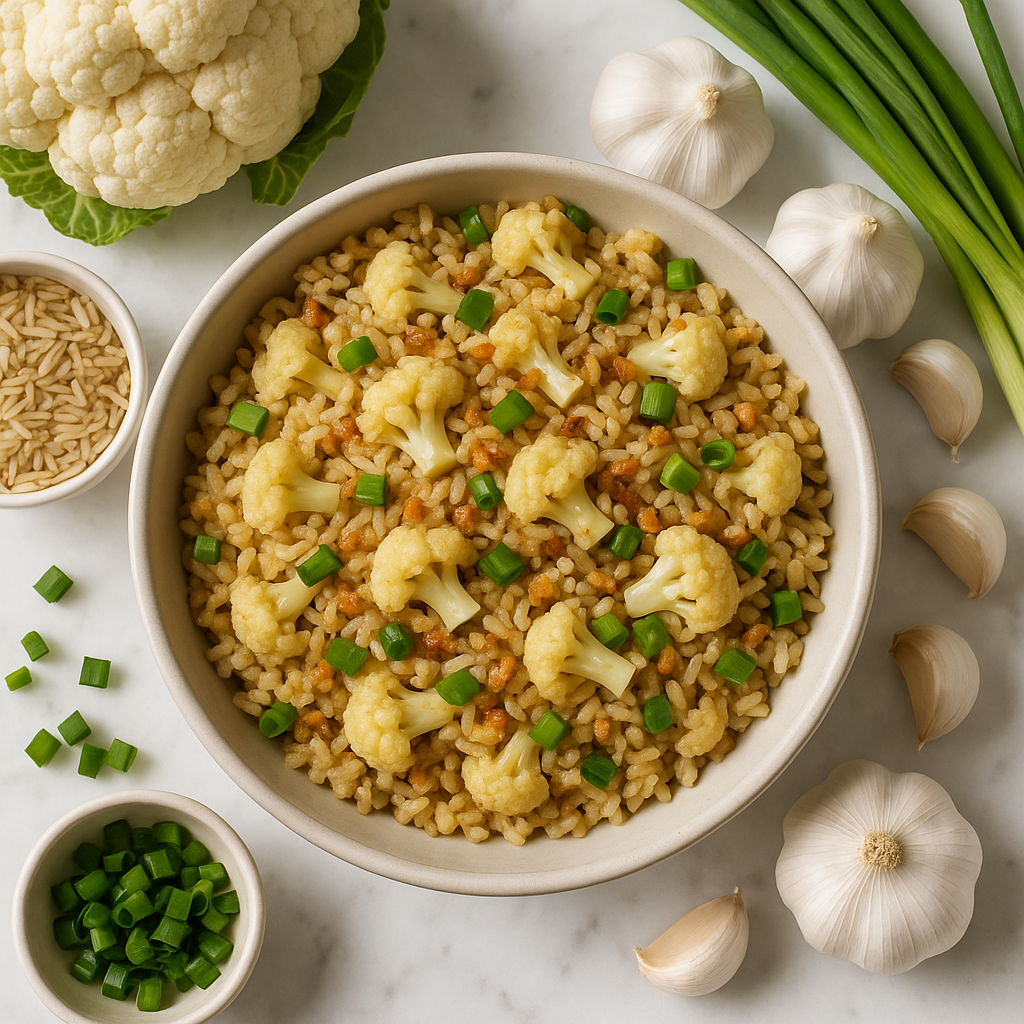
Healthy Sinangag Garlic Fried Rice Recipe Filipino Style with Cauliflower and Brown Rice
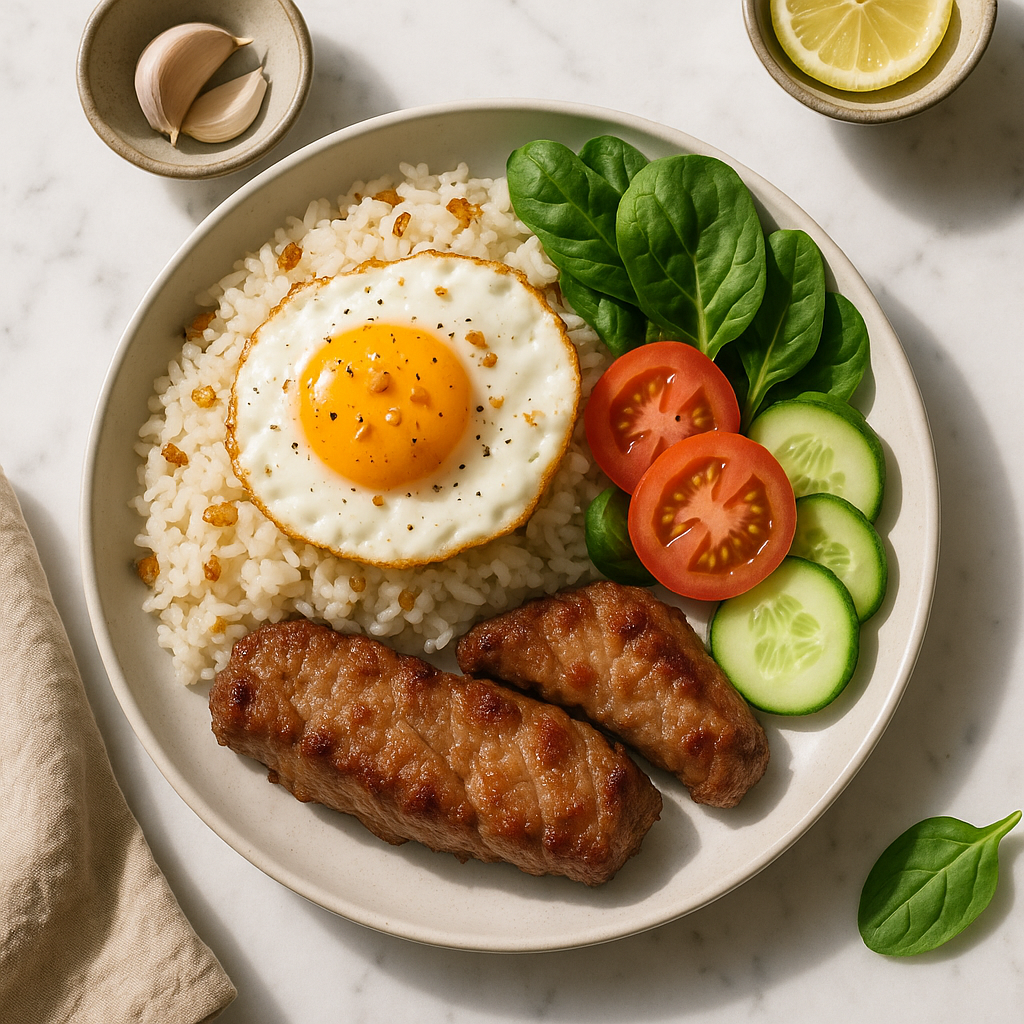
Sinangag Garlic Fried Rice with Egg Silog (Healthy High-Protein Filipino Breakfast)