Balkan Style Scrambled Eggs with Peppers and Tomatoes (High-Protein Sataras)
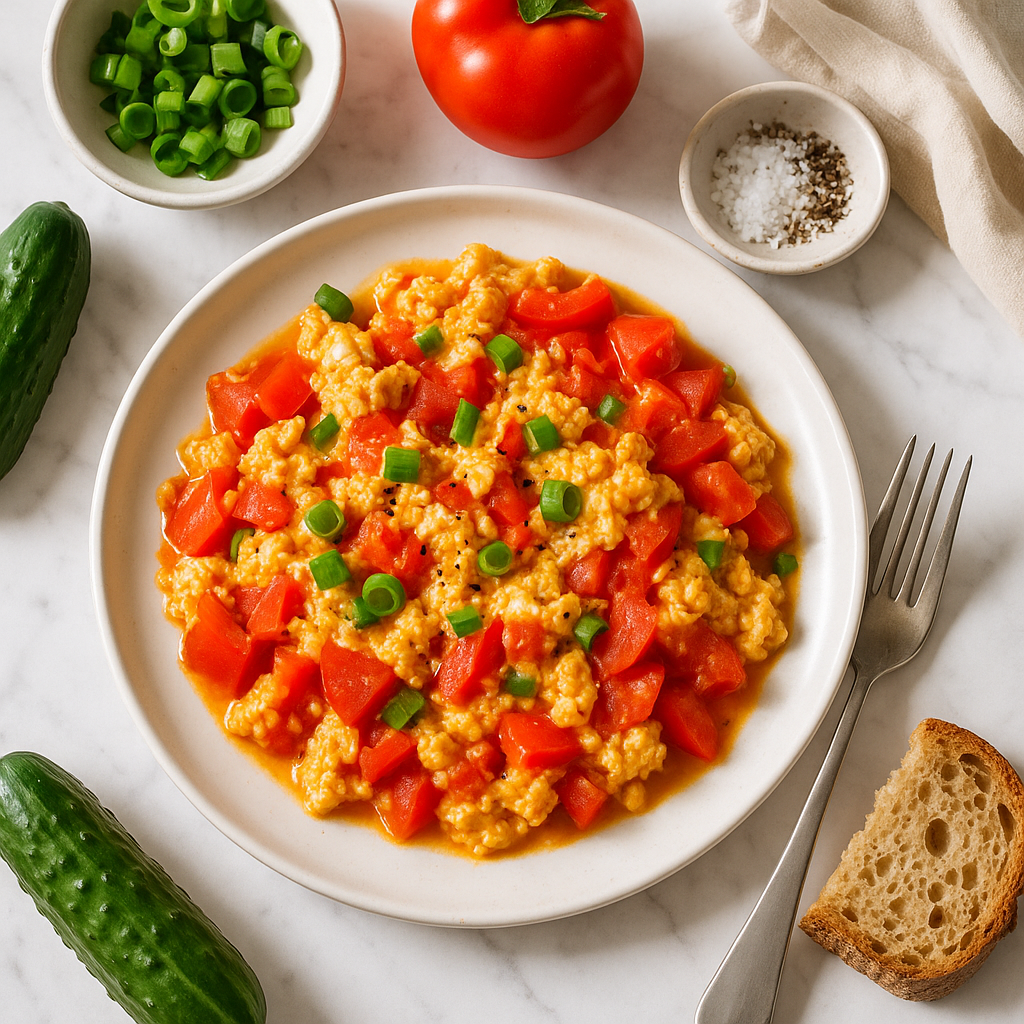
Balkan Style Scrambled Eggs with Peppers and Tomatoes, known as sataras-style eggs, brings a whole different approach to the morning egg pan. Where most scrambled egg recipes start and end with butter and a pinch of salt, this one builds a proper vegetable base first, cooking down peppers, onion, tomatoes, and garlic into a thick, fragrant sauce before the eggs ever touch the pan. The result is a high-protein breakfast that delivers 24 grams of protein per serving while also giving you meaningful fibre, vitamins, and antioxidants from the vegetables. It takes 25 minutes from start to finish, which makes it realistic on a weekday morning once you know the method. Sataras is a traditional cooked pepper and tomato dish eaten across the Balkans, often served as a side or a light meal. Cooking the eggs directly into that sauce rather than separately is what gives this recipe its character. You get a breakfast that feels genuinely satisfying rather than like something you ate only because it was healthy.
The ingredient list here is doing real work, not just adding colour. Extra virgin olive oil starts the pan and provides heart-healthy monounsaturated fats, which also help your body absorb the fat-soluble vitamins from the vegetables that follow. Red and yellow bell peppers are among the richest food sources of vitamin C available, with a single medium pepper easily exceeding your daily requirement. They also contain vitamin B6, which supports protein metabolism, and that matters when protein is the main goal of this recipe. Red onion adds quercetin, a plant compound with anti-inflammatory properties, along with mild sweetness as it softens. Garlic contributes allicin and sulphur compounds that support immune function. The three ripe tomatoes bring lycopene, potassium, and natural acidity that brightens the whole dish. Baby spinach adds iron, folate, and extra volume for almost no calories. Smoked paprika and cumin are not just flavouring. Paprika contains capsaicin-related compounds and both spices have been studied for their antioxidant content. The five whole eggs plus two egg whites push the protein count high without tipping the fat balance too far.
The cooking process shapes the texture and that texture is what separates this from a standard scrambled egg. You start by softening the onion and peppers in olive oil over medium heat until they begin to go limp and slightly sweet-smelling, about five to six minutes. Garlic goes in next, then the tomatoes, smoked paprika, and cumin. The tomatoes break down and reduce into a thick, lightly spiced sauce that coats the peppers and fills the kitchen with a warm, smoky smell. Spinach wilts in quickly at the end of this stage. Then the beaten eggs are poured in and stirred gently through the vegetable mixture over a lower heat. You are not making dry, rubbery curds here. The eggs set slowly in soft, loose folds that stay moist because the tomato sauce keeps everything from drying out. The finished plate is vivid red, orange, and gold with flecks of dark green spinach. It tastes bright and savoury with a gentle smokiness from the paprika and a natural sweetness from the cooked peppers and onion underneath.
This recipe supports several specific health goals at once. With 24 grams of protein and only 292 calories per serving, it fits well into a high-protein eating approach aimed at muscle maintenance, satiety, or weight management. The 4 grams of fibre slow digestion and help steady blood sugar after the meal, which is useful for anyone managing energy levels through the morning. At 16 grams of carbohydrates, all coming from whole vegetables and fruit rather than grains, this recipe works for people following a paleo approach or those who eat gluten-free either by medical necessity or preference. It is naturally dairy-free, so it suits anyone avoiding lactose or following a dairy-free diet. The combination of eggs with a wide variety of coloured vegetables makes it a strong choice for people focused on nutrient density rather than just macros. Athletes eating for recovery will find the protein and micronutrient profile genuinely useful. Older adults who need higher protein intake to support muscle mass will also benefit from the egg-to-calorie ratio here.
Meal prep works well with this recipe if you approach it the right way. The pepper and tomato base can be cooked fully in advance and stored in an airtight container in the fridge for up to four days. When you are ready to eat, reheat the vegetable sauce in a pan over medium-low heat, then add the beaten eggs and cook fresh from there. Scrambled eggs themselves do not reheat well once fully cooked, so keeping the sauce and eggs as separate stages is the smarter approach. The sauce base also freezes reasonably well for up to two months, which makes batch cooking worthwhile. For variations, you can add a chopped chilli or a pinch of cayenne if you prefer heat. Crumbling some cooked lamb or lean beef mince into the sauce before adding the eggs makes a more substantial meal that works as brunch or a light dinner. Swapping the spinach for kale adds a slightly more bitter, earthy note and extra calcium. The full method with timings and exact quantities is in the recipe card below.
Ingredients
- 1 tablespoon extra virgin olive oil
- 1 small red onion (finely sliced)
- 1 medium red bell pepper (deseeded and sliced into thin strips)
- 1 medium yellow bell pepper (deseeded and sliced into thin strips)
- 2 cloves garlic (finely minced)
- 3 medium ripe tomatoes (roughly chopped, or 250g canned chopped tomatoes with no added salt)
- 1 teaspoon smoked paprika
- 0.3 teaspoon ground cumin
- 0.3 teaspoon black pepper (freshly ground)
- 1 large handful baby spinach (approximately 40g)
- 5 large whole eggs (free-range if possible)
- 2 large egg whites (from 2 additional eggs)
- 0.3 teaspoon sea salt (added at the end)
- 2 tablespoons fresh flat-leaf parsley (roughly chopped, to serve)
- 30 g reduced-fat feta cheese (optional, crumbled on top to serve)
Instructions
- 1
Place a large non-stick frying pan or skillet over a medium heat. Add the olive oil and let it warm for about 30 seconds. Add the sliced red onion and cook for 3 to 4 minutes, stirring occasionally, until it softens and begins to turn translucent.
Do not rush this step. Softened onion creates the sweet flavour base that makes sataras so comforting.
- 2
Add the red and yellow bell pepper strips to the pan. Stir to coat them in the oil and onion mixture. Cook over medium heat for 5 minutes, stirring every minute or so, until the peppers begin to soften and their edges pick up a little colour.
Using both red and yellow peppers keeps the sugar content balanced while giving the dish that gorgeous colour.
- 3
Add the minced garlic and stir it through. Cook for one minute until fragrant, being careful not to let it brown.
- 4
Add the chopped tomatoes along with the smoked paprika, ground cumin, and black pepper. Stir everything together well. Let the mixture cook for 5 to 6 minutes over medium heat, stirring occasionally, until the tomatoes have broken down and the sauce has thickened slightly. You want it jammy and glossy, not watery.
If using fresh tomatoes and they are releasing too much liquid, turn the heat up slightly and let it cook off for an extra minute.
- 5
Add the baby spinach to the pan and stir it through the tomato and pepper mixture. It will wilt down in about 60 to 90 seconds. Once wilted, spread the vegetable mixture evenly across the pan.
- 6
In a bowl, crack the 5 whole eggs and add the 2 egg whites. Whisk briefly with a fork until just combined. You do not need to over-beat them. Pour the egg mixture evenly over the vegetable base.
Whisking lightly rather than vigorously keeps the eggs a little more tender and custardy once cooked.
- 7
Reduce the heat to low to medium-low. Using a spatula or wooden spoon, gently fold the eggs through the vegetable mixture in slow, sweeping motions. Continue folding every 20 to 30 seconds, bringing the cooked egg from the edges toward the centre. The goal is large, soft, creamy curds that are just set but still slightly glossy on top. This should take 3 to 4 minutes.
Remove the pan from the heat just before the eggs look fully done. They will continue cooking from residual heat and will be perfectly set by the time they reach the plate.
- 8
Season with sea salt, taste, and adjust if needed. Divide between two plates, scatter over the fresh parsley, and add crumbled feta if using. Serve immediately.
Nutrition per serving
292kcal
Calories
24g
Protein
16g
Carbs
14g
Fat
4g
Fibre
10g
Sugar
340mg
Sodium
Pro Tips
- ✓
Use the ripest tomatoes you can find for the deepest, sweetest flavour. In summer, fresh tomatoes are ideal. In winter, good quality canned chopped tomatoes with no added salt work very well.
- ✓
Keep the heat on low when cooking the eggs. The biggest mistake with scrambled eggs is rushing them over high heat, which makes them rubbery and dry.
- ✓
Prepping your vegetables before you start cooking makes the whole process smooth and stress-free since the recipe moves fairly quickly once the pan is hot.
- ✓
This dish is best eaten fresh and immediately. Scrambled eggs do not reheat well, so plan to serve it straight from the pan.
- ✓
Adding salt only at the very end prevents it from drawing moisture out of the eggs prematurely, which helps keep them soft and creamy.
Frequently Asked Questions
Variations
- •
Spicy Balkan Eggs
Add half a teaspoon of chilli flakes or one finely chopped fresh red chilli along with the garlic in step 3 for a gentle heat that works beautifully with the sweet peppers.
- •
Vegan Sataras Base
Make the pepper, tomato and onion base exactly as written but skip the eggs entirely. Serve it as a warm vegetable dish alongside grilled tofu or spread it on whole grain toast. It is a fantastic plant-based sauce on its own.
- •
Added Greens Boost
Replace baby spinach with kale or Swiss chard for a more robust green with a slightly earthier flavour and even higher iron content. Chop the leaves finely and add them a minute earlier than the spinach since they take a little longer to wilt.
- •
Feta and Herb Loaded
Double the feta to 60g total and add a tablespoon of fresh dill alongside the parsley. This creates a more generous, Mediterranean-inspired topping that adds creaminess and a beautiful herbal lift.
Substitutions
- •Fresh tomatoes → Canned chopped tomatoes with no added salt (Use 250g. Drain slightly if the mixture looks too watery. Works very well outside of summer months.)
- •Baby spinach → Kale, Swiss chard or rocket (All work well. Kale and chard need a little longer to soften so add them a minute before you would add spinach.)
- •Red and yellow bell peppers → Orange bell pepper or green bell pepper (Green pepper has a slightly more bitter flavour but works fine. Orange is very similar to red and yellow in sweetness.)
- •Egg whites → Carton liquid egg whites (Use 60ml of carton liquid egg whites as an equivalent to 2 large egg whites. Saves the step of separating eggs.)
- •Extra virgin olive oil → Avocado oil (Avocado oil has a high smoke point and a mild flavour that works well here. Use the same quantity.)
🧊 Storage
This dish is best served fresh. If you have leftovers, store them in an airtight container in the refrigerator for up to 1 day. Reheat very gently in a pan over low heat, stirring carefully. Be aware that reheated scrambled eggs can become rubbery, so use the lowest possible heat and stop as soon as they are warm.
📅 Make Ahead
The vegetable base (peppers, onions, tomatoes, garlic and spices) can be made up to 2 days ahead and stored in the fridge. When ready to serve, simply reheat the base in a pan, add the spinach, then proceed with the eggs from step 5. This makes the morning routine much faster.
You might also like
Homemade White Cheese and Cucumber Open Sandwich with Herbs and Seeds
High Protein Ajvar with Eggs and Sourdough Toast