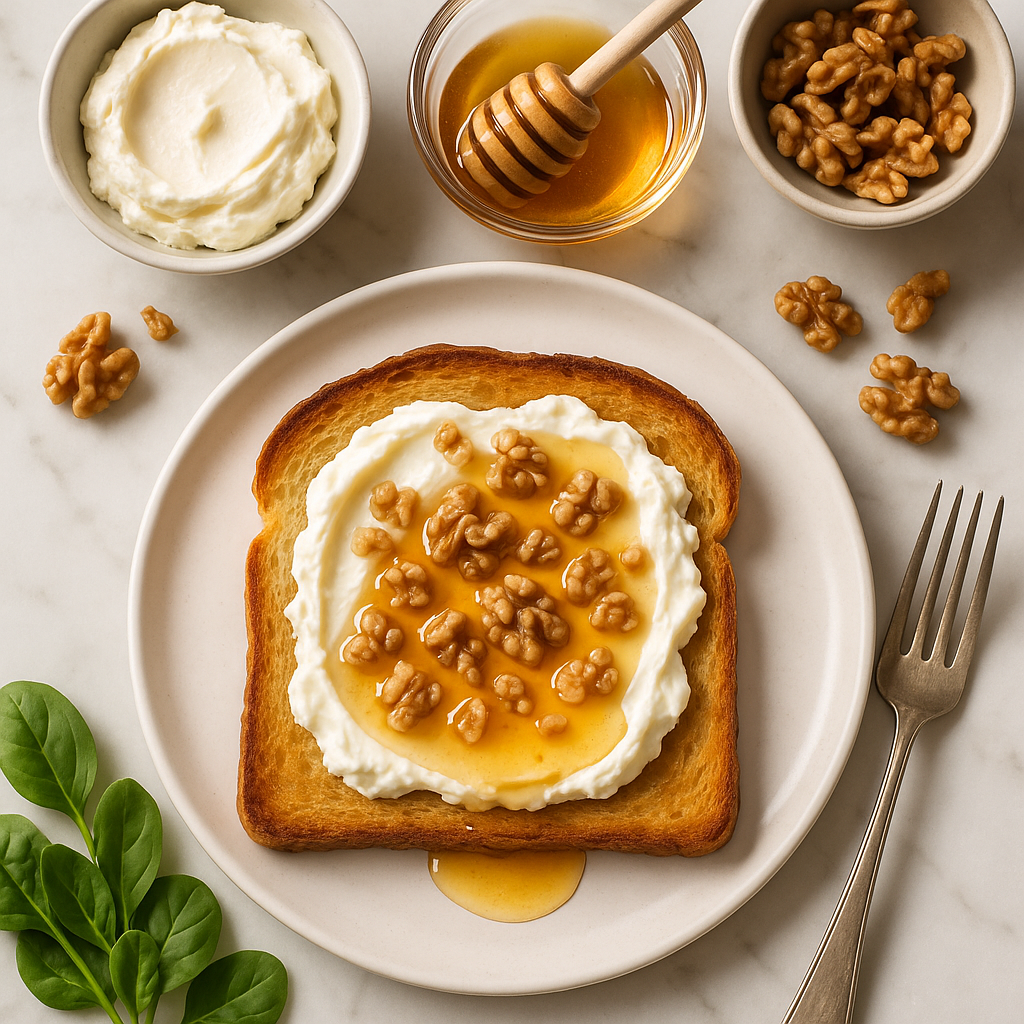
If you have ever sat down to a proper Turkish breakfast spread, you already know that feeling of pure morning joy. Small dishes everywhere, warm bread, rich creamy kaymak, and golden honey drizzled over the top. It is one of the most beautiful breakfast traditions in the world, and this recipe captures that same warmth and indulgence while giving it a genuinely nutritious twist that will keep you full and energised all morning long.
Traditional Turkish honey and kaymak clotted cream toast is undeniably delicious, but it can lean heavily on refined white bread and generous amounts of fat that leave you sluggish by mid-morning. This version swaps in thick-cut whole grain sourdough, which brings a satisfying chew and a solid fibre boost. Instead of a thick, unrestricted layer of full-fat kaymak, we use a carefully portioned amount blended with a spoonful of strained Greek yogurt. The result is a cream that still tastes gloriously rich and velvety but carries far more protein. Raw wildflower honey is used in a lighter drizzle rather than pooled generously, so you get that floral sweetness in every bite without a sugar spike. Crushed walnuts scattered on top add heart-healthy omega-3 fats, a satisfying crunch, and a little extra protein to round everything out beautifully.
Kaymak is a traditional clotted cream made across Turkey, the Middle East, and the Balkans. It is thick, slightly tangy, and utterly luxurious. In Turkey it is often made from buffalo milk, giving it an intensely rich flavour and a layered, almost flaky texture on top. You can find it at Middle Eastern or Turkish grocery stores, and it is absolutely worth seeking out for the authentic experience. That said, good quality clotted cream works as a very close substitute, and the Greek yogurt blend in this recipe helps stretch both options further without sacrificing the creamy mouthfeel that makes this breakfast so special. If you are completely new to kaymak, think of it as something richer than clotted cream but with a subtle tang that plays beautifully against the sweetness of raw honey.
This toast comes together in about ten minutes, making it genuinely practical on a busy morning. Toast your sourdough until it has a golden, crispy edge but still has a slight chew in the middle. While it is still warm, spoon on the kaymak and yogurt mixture and let it begin to soften and melt ever so slightly into the bread. Then comes the drizzle of raw honey, a pinch of flaky sea salt to bring everything alive, and a generous handful of crushed walnuts. A few fresh thyme leaves scattered over the top are entirely optional but they add an aromatic, slightly herby note that is very much in keeping with how this dish is served in eastern Turkey. Pair it with a glass of strong Turkish-style black tea brewed in a small tulip glass and you have a breakfast that feels like a genuine celebration, even on a Tuesday morning.
Ingredients
- 2 thick slices whole grain sourdough bread (roughly 40g per slice)
- 60 g kaymak or clotted cream (from a Turkish or Middle Eastern grocery, or use good quality clotted cream)
- 2 tbsp full-fat plain Greek yogurt (strained for a thicker texture if possible)
- 1.5 tbsp raw wildflower honey (divided between two slices)
- 25 g raw walnuts (lightly crushed by hand)
- 1 pinch flaky sea salt (Maldon or similar)
- 4 sprigs fresh thyme (optional, leaves only)
- 0.5 tsp ground cinnamon (optional, for a warming spice note)
Instructions
- 1
Place your two slices of whole grain sourdough in a toaster or under a grill. Toast until the edges are golden and slightly crisp but the centre still has a little give. This usually takes about 3 to 4 minutes depending on your toaster setting.
Slightly underdone toast works better here than very crispy toast, as it absorbs the cream more gently.
- 2
While the bread is toasting, combine the kaymak and Greek yogurt in a small bowl. Stir gently just two or three times. You want them loosely swirled together rather than fully mixed, so you still get pockets of pure kaymak in each bite.
Do not over-mix or you will lose the distinct texture of the kaymak.
- 3
Remove the toast from the toaster and place on a flat board or plate. While the bread is still warm, spoon the kaymak and yogurt mixture evenly across both slices, spreading it gently to the edges.
The warmth of the bread will soften the cream slightly, helping it settle into the surface beautifully.
- 4
Drizzle the raw honey over both slices. Use roughly three quarters of a tablespoon per slice, drizzling in a slow, steady zigzag pattern so every part of the toast gets some sweetness.
Raw honey has a more complex floral flavour than processed honey and is worth using here if you can find it.
- 5
Scatter the crushed walnuts evenly over both slices. Add a pinch of flaky sea salt over the top of each one, then finish with fresh thyme leaves and a light dusting of cinnamon if using.
The salt is not optional in our opinion. It lifts the honey and balances the richness of the cream in a way that makes the whole dish come alive.
- 6
Serve immediately while the toast is still warm, alongside a cup of strong black Turkish tea if you have it.
This is a breakfast best eaten the moment it is made. The contrast of warm crispy toast and cool creamy kaymak is the whole point.
Nutrition per serving
318kcal
Calories
9g
Protein
31g
Carbs
17g
Fat
4g
Fibre
11g
Sugar
210mg
Sodium
Pro Tips
- ✓
Seek out kaymak from a Turkish or Middle Eastern grocery store for the most authentic flavour. It is worth the extra effort.
- ✓
Straining your Greek yogurt through a muslin cloth for 30 minutes before using gives you a much thicker, labneh-like texture that works brilliantly with the kaymak.
- ✓
Raw honey is higher in natural enzymes and antioxidants than heat-processed honey. Look for local wildflower or acacia varieties.
- ✓
Walnuts are rich in ALA omega-3 fatty acids. Toasting them lightly in a dry pan for 2 minutes before crushing adds an extra depth of flavour.
- ✓
Whole grain sourdough has a lower glycaemic index than white bread, meaning the honey and cream will not cause the same blood sugar spike as the traditional white loaf version.
- ✓
If you cannot find kaymak locally, order it online from Turkish or Middle Eastern food retailers. It typically arrives well packaged and chilled.
Frequently Asked Questions
Variations
- •
Tahini Swirl Version
Add a thin swirl of natural tahini over the kaymak layer before drizzling the honey. This adds a nutty, sesame depth that is very traditional in eastern Turkish breakfasts and bumps up the protein further.
- •
Fig and Honey Version
Replace the raw honey drizzle with two sliced fresh figs pressed gently into the kaymak layer. Add a small drizzle of honey over the figs. This version is higher in natural fibre and gives a beautiful visual presentation.
- •
Pistachio and Rose Version
Swap the walnuts for finely chopped unsalted pistachios and add a small pinch of dried culinary rose petals on top. This gives a more delicate, floral flavour profile that is inspired by Ottoman-era pastry traditions.
- •
High Protein Boost Version
Blend a tablespoon of unflavoured collagen peptide powder into the kaymak and yogurt mixture before spreading. It is completely tasteless but adds around 9g of extra protein per serving without changing the texture at all.
Substitutions
- •Kaymak → Clotted cream (The closest readily available substitute. It lacks the subtle tang of authentic kaymak but has a very similar richness and texture.)
- •Kaymak → Full-fat mascarpone (Slightly sweeter and smoother than kaymak but works in a pinch. Mix with a small spoonful of Greek yogurt to add a little tang.)
- •Whole grain sourdough → Seeded rye bread (Even higher in fibre and gives a denser, more robust base. The slightly sour flavour of rye pairs very well with honey.)
- •Raw honey → Date syrup (Lower glycaemic index than honey and adds a deep caramel-like sweetness. Use slightly less as it is more intensely sweet.)
- •Walnuts → Flaked almonds (A nut-free household can skip entirely or use toasted pumpkin seeds for crunch and added zinc and magnesium.)
- •Fresh thyme → Dried oregano or fresh mint (Both work as aromatic garnishes. Fresh mint gives a cooler, brighter note that pairs surprisingly well with honey.)
🧊 Storage
This toast is best eaten immediately after assembling. The kaymak and yogurt mixture can be stored in a sealed container in the fridge for up to 24 hours. Do not store assembled toast as the bread will become soggy.
📅 Make Ahead
Mix the kaymak and Greek yogurt blend the night before and refrigerate. Crush the walnuts and store in an airtight container at room temperature. In the morning, all you need to do is toast the bread and assemble, which takes under five minutes.
You might also like
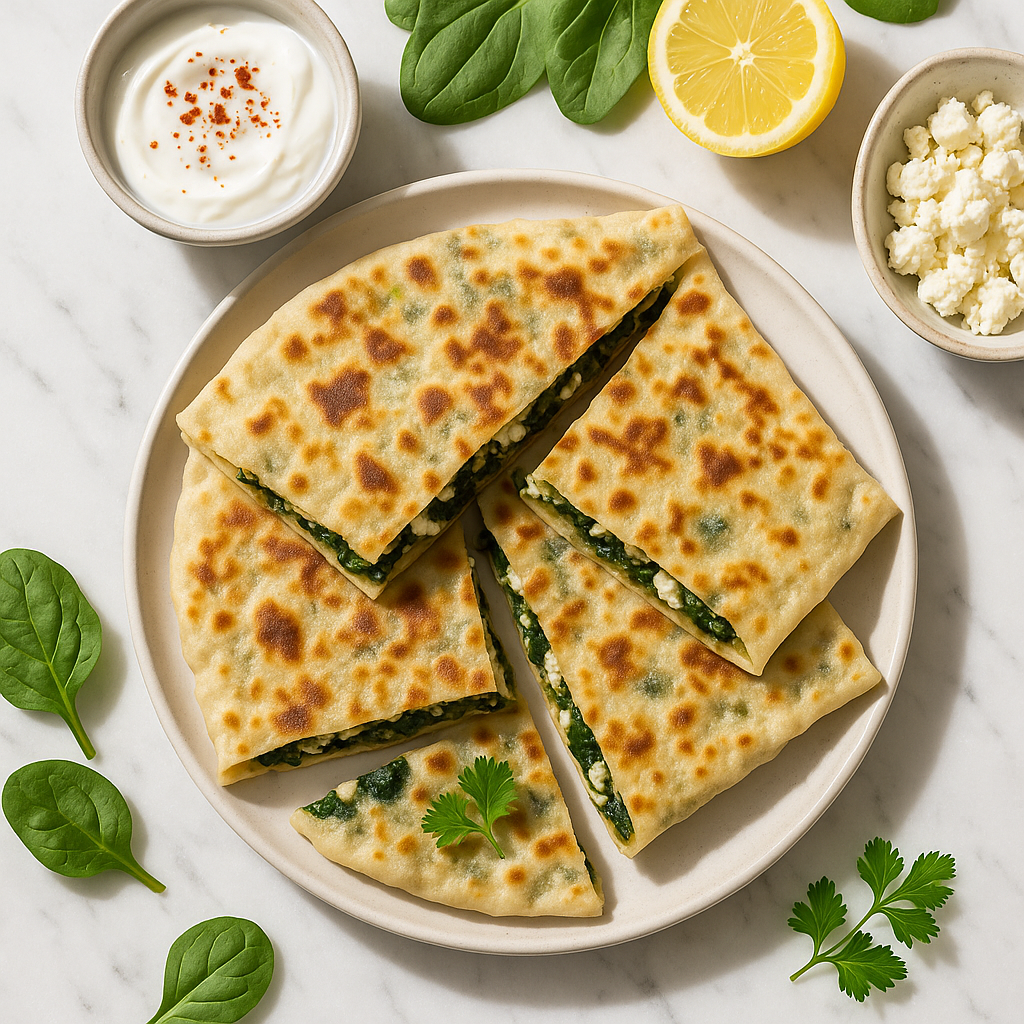
Gozleme Turkish Stuffed Flatbread with Spinach and Feta (High-Protein Healthy Version)
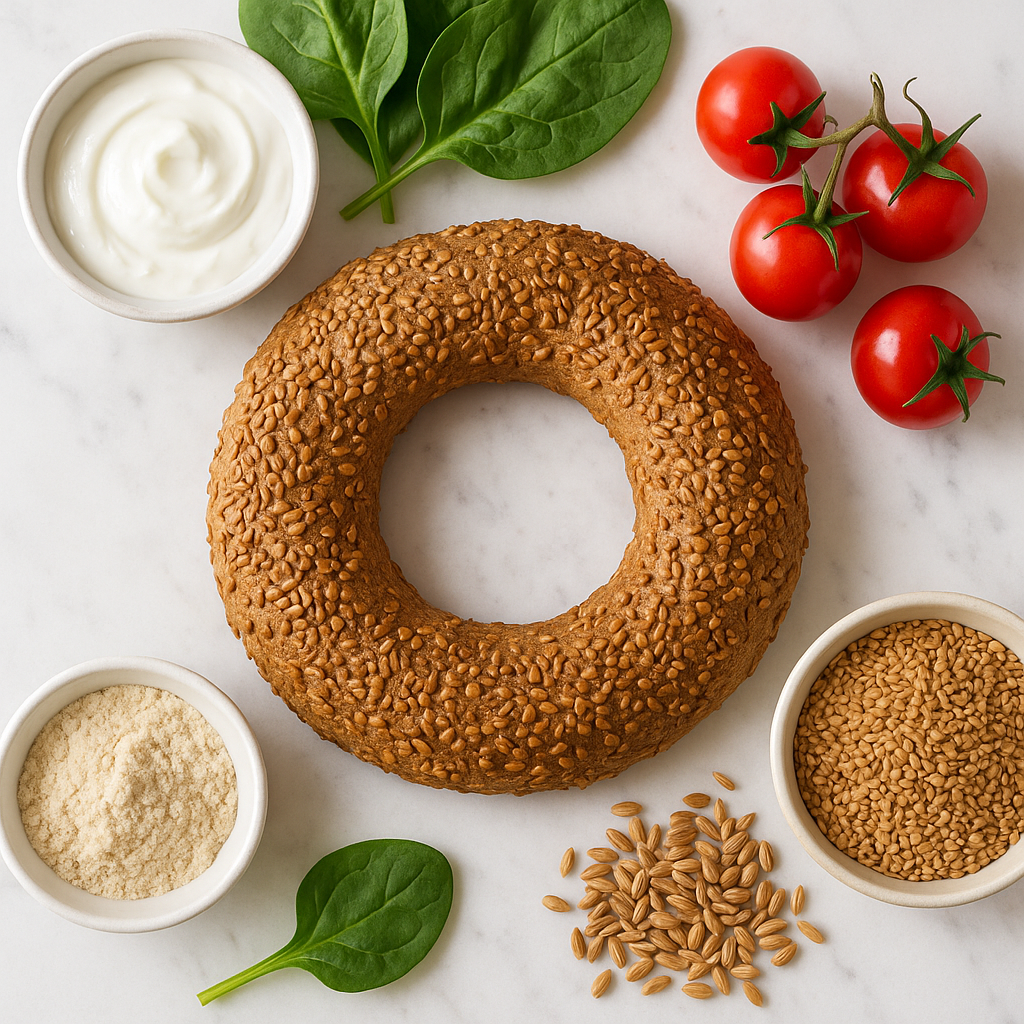
Healthy Simit Turkish Sesame Bread Ring Recipe with Whole Wheat and Protein Boost