Healthy Simit Turkish Sesame Bread Ring Recipe with Whole Wheat and Protein Boost
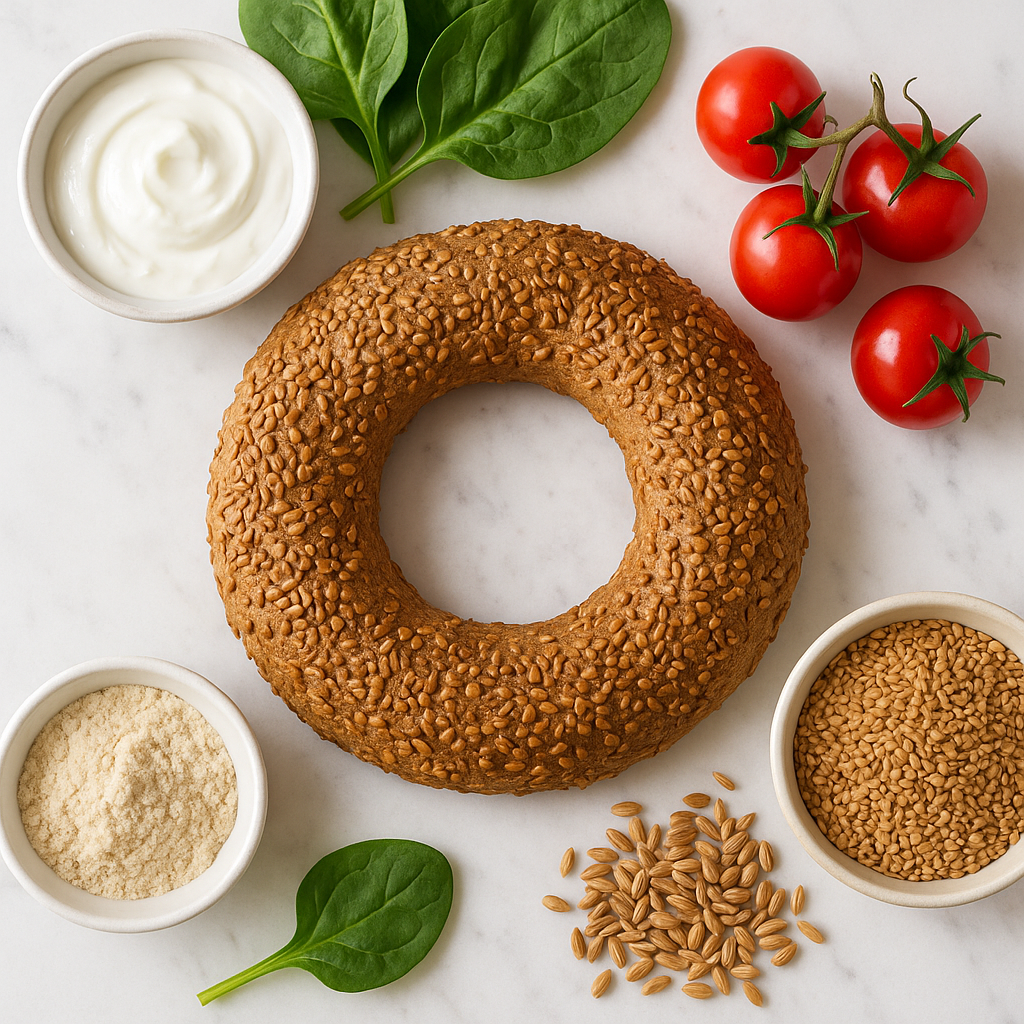
If you have ever wandered through the streets of Istanbul in the early morning, you know the smell of freshly baked simit is something that stays with you forever. Those golden, sesame-crusted bread rings sold from carts on every corner are one of the great simple pleasures in life. This simit Turkish sesame bread ring recipe takes that beloved tradition and gives it a genuine nutritional upgrade, so you can enjoy every bite without any compromise on flavour or texture. We are talking about a breakfast bread that actually works hard for your body, not just your tastebuds.
The big difference in this version comes from two smart swaps. First, we use a blend of whole wheat flour and plain white flour. This keeps the dough light enough to rise beautifully and give you that characteristic chewy, pull-apart crumb, while also adding a meaningful dose of dietary fibre that the traditional all-white version simply cannot offer. Second, we add a couple of tablespoons of plain low-fat Greek yogurt to the dough. It sounds like a small thing, but it nudges the protein content upward, adds a very gentle tang that makes the bread taste more complex, and helps keep the crumb wonderfully moist even after it cools. The sesame seeds are non-negotiable and very much the soul of simit. They are also genuinely nutritious, packed with calcium, healthy fats, and a little plant-based protein of their own.
The shaping process is one of the most satisfying parts of making simit at home. You roll two ropes of dough, twist them together, and join the ends into a ring. It is easier than it looks after your first attempt, and there is something deeply meditative about the process. The rings are then dipped in a mixture of water and a touch of date syrup instead of the traditional grape molasses, which achieves that same deep mahogany colour and subtle sweetness but with a lower glycaemic impact. After coating them generously in raw sesame seeds, they go into a hot oven and bake into beautifully crunchy, golden rings with a soft, springy interior. The whole kitchen smells incredible.
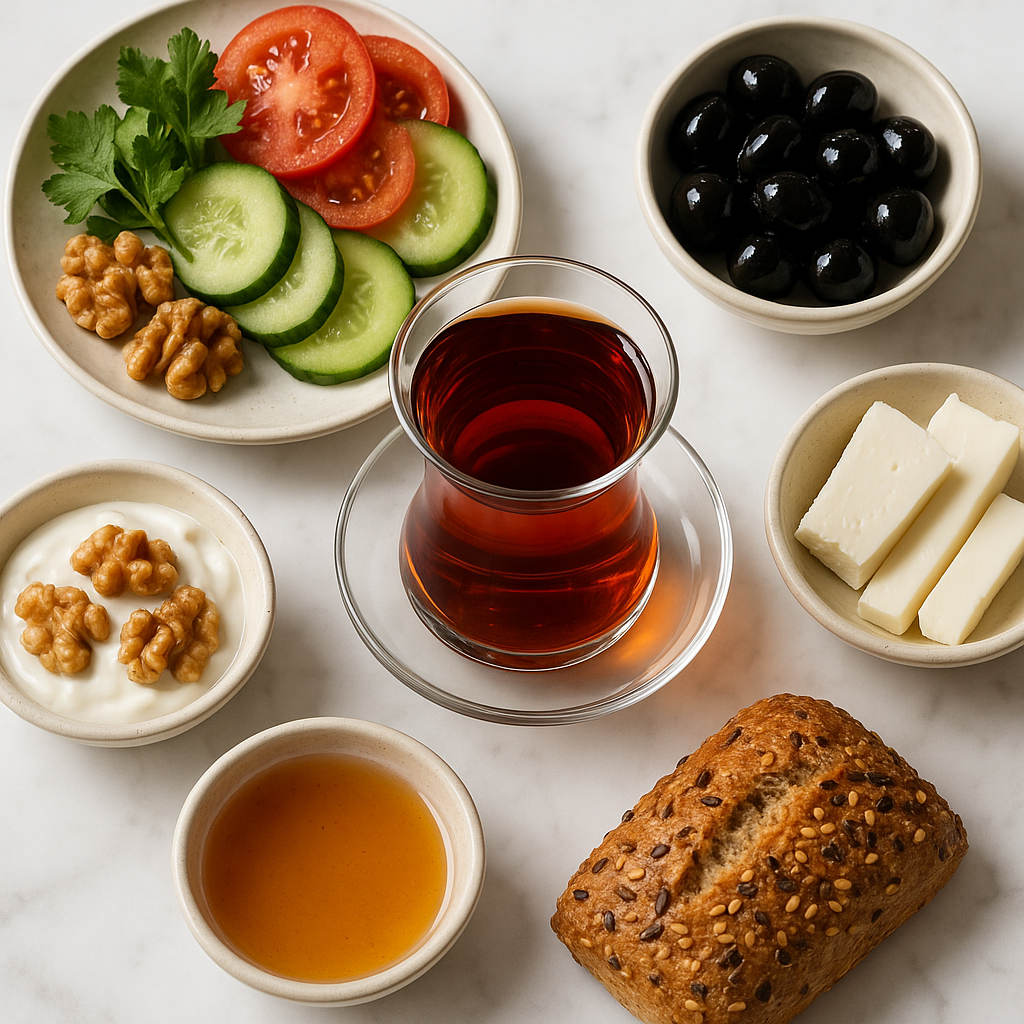
Simit is endlessly versatile as a breakfast food. Slice a ring in half and fill it with sliced avocado, a soft-boiled egg, and fresh tomatoes for a complete Turkish-inspired morning meal. Or serve them alongside a bowl of thick strained yogurt, olives, cucumber, and fresh herbs the way a traditional Turkish breakfast spread would look. They are also wonderful with nothing more than a generous smear of natural nut butter and a drizzle of honey. Make a batch on Sunday and you have breakfast sorted for several days of the week. Once you bake your own simit at home using this recipe, you will understand immediately why this humble sesame bread ring has been fuelling Istanbul for centuries.
Ingredients
- 200 g whole wheat bread flour (plus extra for dusting)
- 150 g strong white bread flour (all-purpose bread flour also works)
- 7 g fast-action dried yeast (one standard sachet)
- 1 tsp fine sea salt
- 1 tsp coconut sugar (or any unrefined sugar to activate yeast)
- 200 ml warm water (around 38 to 40 degrees Celsius)
- 2 tbsp plain low-fat Greek yogurt (adds protein and moisture)
- 1 tbsp extra virgin olive oil
- 3 tbsp date syrup (or pure pomegranate molasses for a more traditional flavour)
- 4 tbsp warm water (mixed with the date syrup for dipping)
- 200 g raw sesame seeds (unhulled preferred for extra fibre and calcium)
Instructions
- 1
Combine the warm water, coconut sugar, and dried yeast in a small bowl or jug. Stir gently and leave for 5 to 8 minutes until you see a frothy foam forming on the surface. This tells you the yeast is active and ready to work.
If the mixture does not foam after 10 minutes, your yeast may be old or your water too hot. Start again with fresh yeast and water that feels comfortably warm on your wrist, not hot.
- 2
In a large mixing bowl, whisk together the whole wheat flour, white bread flour, and fine sea salt. Make a well in the centre and pour in the activated yeast mixture, Greek yogurt, and olive oil. Stir with a wooden spoon until a shaggy dough forms, then turn it out onto a lightly floured surface.
- 3
Knead the dough firmly for 8 to 10 minutes until it becomes smooth, elastic, and slightly tacky but not sticky. The whole wheat flour makes this dough feel a little denser than a pure white dough, but keep going. It will come together into a lovely pliable ball.
If the dough feels too sticky, add whole wheat flour one teaspoon at a time. Avoid adding too much or the simit will be dense.
- 4
Shape the dough into a ball and place it in a lightly oiled bowl. Cover with a clean damp tea towel or cling film and leave in a warm, draught-free spot for 60 minutes until doubled in size.
A switched-off oven with just the light on is a great proving environment in cooler kitchens.
- 5
Preheat your oven to 220 degrees Celsius, or 200 degrees fan-forced. Line two large baking trays with baking paper. In a shallow wide bowl, whisk together the date syrup and 4 tablespoons of warm water to create the coating mixture. Pour the sesame seeds into a separate shallow tray or plate.
- 6
Punch down the risen dough and divide it into 12 equal pieces. Roll each piece into a rope about 40 centimetres long. Take two ropes and twist them together firmly along their entire length. Bring the ends together and pinch them securely to form a ring shape. Repeat with the remaining ropes to make 6 rings total.
Keep your hands and work surface very lightly floured. If the dough keeps springing back, let the pieces rest for 5 minutes before rolling.
- 7
Dip each ring into the date syrup mixture, making sure both sides are well coated. Let the excess drip off for a few seconds, then press the ring firmly into the sesame seeds, turning it over so both sides are generously and evenly covered.
Press the ring gently into the seeds rather than just patting the surface. This ensures the seeds stick and do not fall off during baking.
- 8
Place the coated rings onto the prepared baking trays with a little space between each one. Bake for 22 to 25 minutes until the sesame seeds are deeply golden and the rings feel firm and sound hollow when tapped on the bottom. Transfer to a wire rack to cool slightly before serving.
Simit is best eaten within a few hours of baking while the crust is still crisp. The texture softens as it sits, which is still delicious but different.
Nutrition per serving
285kcal
Calories
10g
Protein
38g
Carbs
11g
Fat
6g
Fibre
4g
Sugar
210mg
Sodium
Pro Tips
- ✓
Use unhulled sesame seeds rather than hulled white sesame seeds. They have a slightly nuttier flavour and contain more fibre and calcium.
- ✓
Do not skip the date syrup dip. This step is what makes the sesame seeds adhere properly and gives simit its signature deep golden colour.
- ✓
Twist the dough ropes tightly together. A loose twist will unravel in the oven and you will lose that beautiful braided look.
- ✓
For maximum crunch, place the baking tray on the lower third of the oven so the base gets direct heat.
- ✓
If you want a more pronounced tangy flavour, increase the Greek yogurt to 3 tablespoons and reduce the water by about 2 tablespoons.
Frequently Asked Questions
Variations
- •
Spelt Flour Simit
Replace the whole wheat flour with an equal amount of spelt flour for a slightly lighter, nuttier flavour. Spelt is easier to digest for some people and gives the crumb a tender open texture.
- •
Black Sesame Simit
Replace half or all of the raw white sesame seeds with black sesame seeds. Black sesame seeds have a slightly more intense, earthy flavour and create a striking visual contrast on the finished ring.
- •
Flaxseed and Sesame Simit
Mix 2 tablespoons of ground flaxseed into the dry ingredients for an extra boost of omega-3 fatty acids and fibre. The flavour is mild and barely noticeable against the sesame coating.
- •
Herbed Simit
Add 1 teaspoon of dried oregano and half a teaspoon of nigella seeds to the dough alongside the salt. This creates an aromatic, savoury variation that pairs beautifully with white cheese and cucumber.
Substitutions
- •Date syrup → Pure pomegranate molasses (Pomegranate molasses is the more traditional choice and gives a slightly more tart, complex flavour to the coating. Use in the same quantity.)
- •Greek yogurt → Plain unsweetened coconut yogurt or soy yogurt (Makes the recipe fully vegan. The protein content will be slightly lower but the texture remains good.)
- •Whole wheat bread flour → Spelt flour or einkorn flour (Both ancient grains work well and offer similar fibre benefits with a slightly different, often preferred, flavour profile.)
- •Extra virgin olive oil → Avocado oil (Avocado oil has a neutral flavour and a high smoke point. It works just as well in the dough.)
- •Coconut sugar → Maple syrup or honey (Use the same quantity in liquid form. Both will activate the yeast equally well and add a gentle natural sweetness.)
🧊 Storage
Store cooled simit in a paper bag or loosely wrapped in a clean tea towel at room temperature for up to 2 days. Avoid sealing them in an airtight container as this softens the crust quickly. For longer storage, freeze in an airtight bag for up to 2 months and reheat in a hot oven from frozen.
📅 Make Ahead
The dough can be made the evening before and left to rise slowly in the refrigerator overnight, covered tightly. Remove from the fridge 30 minutes before shaping the following morning. You can also shape and coat the rings in sesame seeds, then refrigerate them on the lined baking tray for up to 8 hours before baking. This makes morning prep much faster.
You might also like
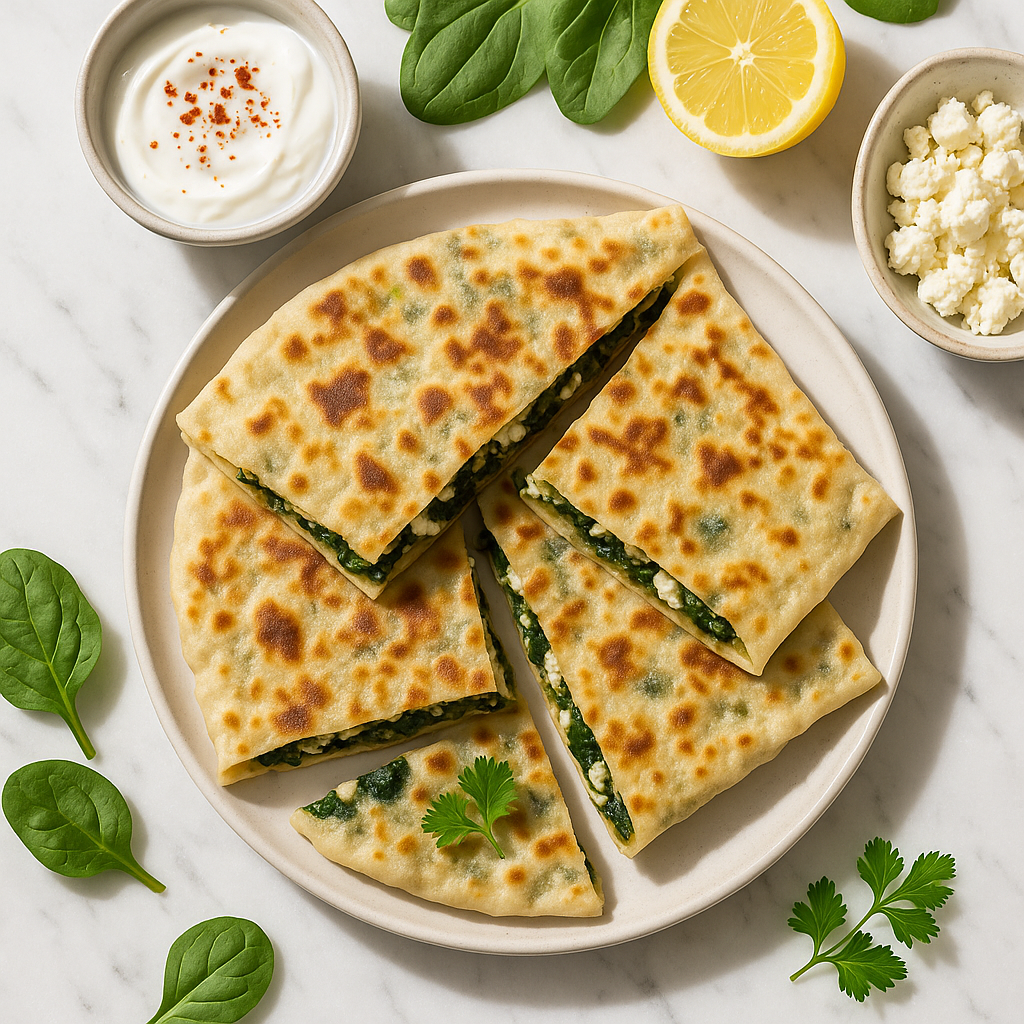
Gozleme Turkish Stuffed Flatbread with Spinach and Feta (High-Protein Healthy Version)
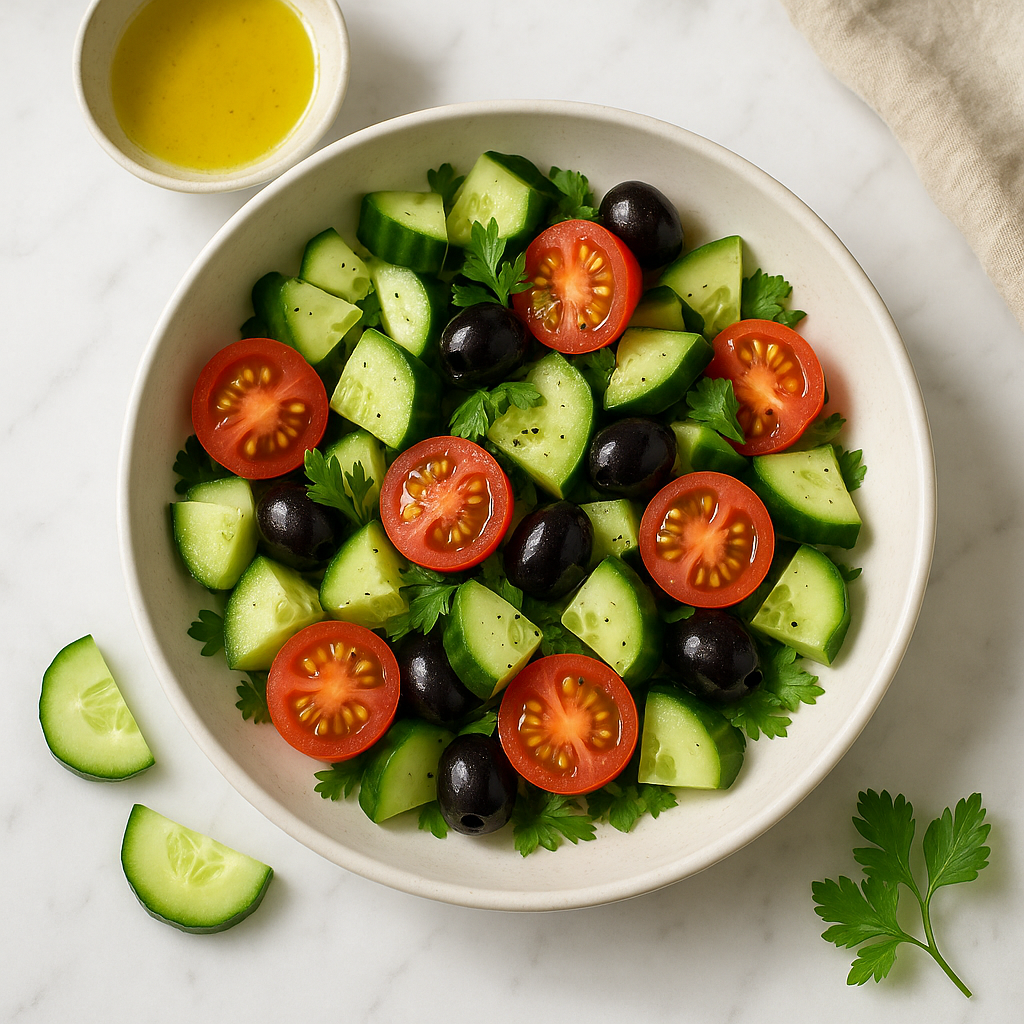
Low Calorie Turkish Cucumber Tomato Olive Breakfast Salad