Turkish Breakfast Tea Glass: Traditional Black Tea Recipe with a Healthy Morning Spread
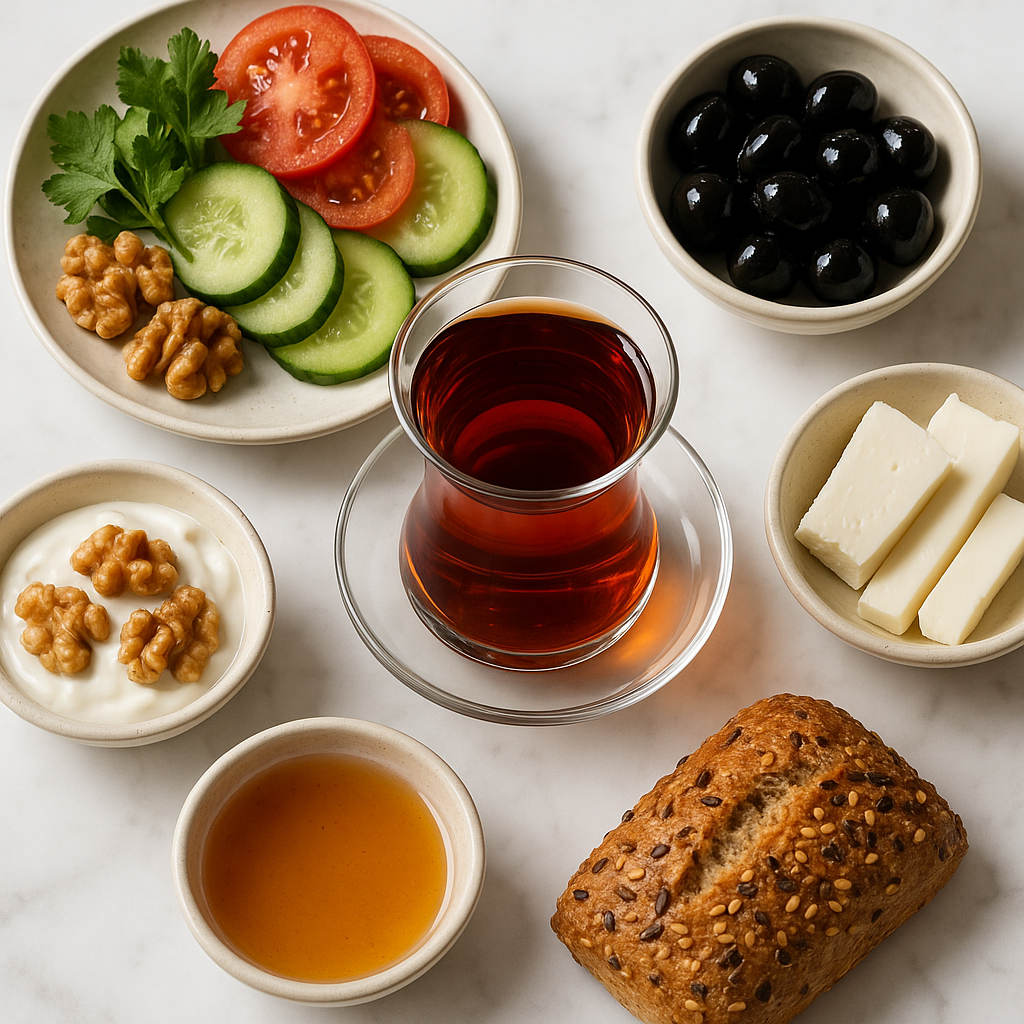
There is something deeply grounding about sitting down to a proper Turkish breakfast with a slender glass of freshly brewed black tea catching the morning light. This turkish breakfast tea glass traditional black tea recipe honours every bit of that centuries-old ritual, from the double-pot brewing technique to the iconic tulip-shaped glass, while building a morning spread around it that actually fuels your body well into the afternoon. Traditional Turkish breakfasts are already quite nutrient-rich, and this version leans into that naturally, adding high-protein accompaniments and fibre-dense sides to keep blood sugar steady and energy consistent.
The tea itself is the heart of everything. Genuine Turkish black tea, known as çay, is brewed in a two-chamber teapot called a çaydanlık. The lower pot holds boiling water, and the upper pot holds a generous measure of loose-leaf black tea that steeps in the steam and a small amount of water. What you get is an incredibly concentrated tea liquor in the top pot, which you then dilute to your preferred strength directly in the glass. The ratio you choose tells a lot about you: a very dark pour, called koyu, is bold and almost smoky. A lighter pour, called açık, is gentler and more floral. Both are served without milk, always with a small sugar cube on the saucer if you want sweetness, though this recipe encourages skipping it or using a tiny pinch of raw coconut sugar if needed.
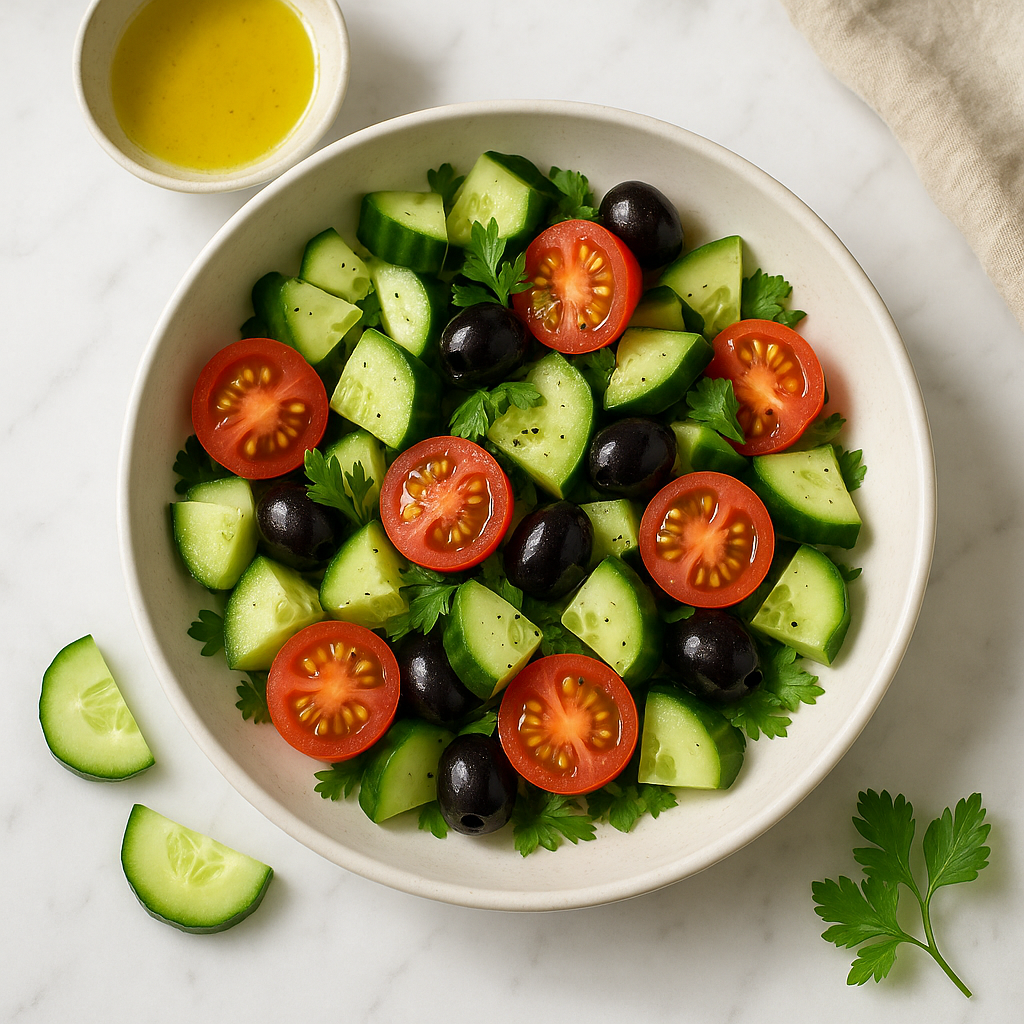
Building a healthy Turkish-style breakfast around this tea is where the real nutrition magic happens. Instead of loading the spread with butter-heavy pastries, this version centres on a soft-boiled egg for clean protein, a small bowl of strained Greek yoghurt drizzled with a little raw honey, a handful of olives for heart-healthy monounsaturated fats, cucumber and tomato slices for hydration and vitamins, a tablespoon of tahini for calcium and plant protein, and a small portion of whole grain crispbread instead of white bread. Every element on the table has a purpose. The olives provide polyphenols. The yoghurt supplies probiotics and a solid hit of protein. The tahini adds zinc and iron. Together they complement the antioxidant-rich black tea beautifully, and the whole thing takes less than twenty minutes to pull together.
One thing worth knowing before you start is that the quality of your tea leaves genuinely matters here. Rize region Turkish black tea, grown along the Black Sea coast, has a slightly earthy, malty character that sets it apart from other black teas. It brews a gorgeous deep amber-red colour that glows in a proper thin glass. If you cannot find authentic Rize tea, a good quality Assam or Ceylon loose-leaf black tea makes a reasonable stand-in. The tulip-shaped glass is not just for show either. Its narrow base keeps the tea hotter for longer, and holding it by the rim rather than the base is part of the tactile ritual that makes this morning experience feel special. Brew it carefully, set your table simply, and take at least ten minutes to sit and drink it slowly. That quiet start, that is the real healthy habit this recipe is offering you.
Ingredients
- 3 tbsp loose-leaf Turkish black tea (Rize region if available, or a good quality Assam loose-leaf)
- 600 ml filtered water (divided between upper and lower teapot chambers)
- 2 large eggs (free-range, for soft boiling)
- 150 g full-fat strained Greek yoghurt (provides protein and probiotics)
- 1 tsp raw honey (drizzled over yoghurt, use sparingly)
- 10 whole mixed olives (green and black, pitted)
- 1 medium cucumber (sliced into rounds)
- 1 medium ripe tomato (sliced)
- 2 tbsp tahini (pure sesame paste, no added oil)
- 2 slices whole grain rye crispbread (higher fibre alternative to white bread)
- 30 g white sheep or goat feta cheese (crumbled, lower fat than many cheeses)
- 1 pinch flaky sea salt (for the tomato and cucumber)
Instructions
- 1
Fill the lower chamber of your çaydanlık or a standard kettle with about 400 ml of filtered water and bring it to a full rolling boil.
Filtered water genuinely improves the taste of the tea. Hard tap water can make the brew taste flat and chalky.
- 2
Add the 3 tablespoons of loose-leaf black tea to the upper teapot. Pour about 200 ml of the just-boiled water over the leaves. Place the upper pot on top of the lower pot so the steam from the simmering lower water gently heats the upper brew.
Do not let the upper pot boil vigorously. A gentle simmer keeps the tea from turning bitter.
- 3
Leave the tea to steep in the upper pot for 10 to 15 minutes over low heat. The liquid in the upper pot becomes a very dark, concentrated tea liquor. This is your tea essence.
15 minutes gives a bolder, more traditional strength. 10 minutes suits lighter palates.
- 4
While the tea steeps, soft-boil the eggs. Place them in a small saucepan, cover with cold water, bring to a boil, then cook for exactly 6 minutes. Transfer to a bowl of cold water immediately to stop cooking.
Six minutes gives a set white with a slightly jammy yolk, which is ideal for a Turkish-style breakfast spread.
- 5
Arrange your breakfast spread on a tray or small plates: slice the cucumber and tomato and season with a pinch of flaky sea salt, set out the olives, spoon the Greek yoghurt into a small bowl and drizzle with raw honey, crumble the feta beside the crispbread, and place the tahini in a small dipping bowl.
Presenting everything in small separate dishes makes the spread feel authentically Turkish and allows each person to mix and match flavours.
- 6
To serve the tea, pour a small measure of the concentrated upper-pot tea liquor into each tulip-shaped glass, filling it about one quarter to one third of the way. Top up with hot water from the lower pot to reach your preferred strength. The colour should be a deep amber-red for a traditional medium strength pour.
Hold the glass by the rim, not the base. The glass gets very hot at the bottom, which is part of the traditional drinking experience.
- 7
Peel the soft-boiled eggs, cut them in half, and place them on the spread tray. Serve everything together and enjoy the tea alongside all the components of your morning spread.
Traditionally you would refill your tea glass two or three times during breakfast. Keep the teapot on a low heat so you can top up easily.
Nutrition per serving
320kcal
Calories
21g
Protein
22g
Carbs
16g
Fat
5g
Fibre
7g
Sugar
480mg
Sodium
Pro Tips
- ✓
Always use loose-leaf tea rather than tea bags for authentic Turkish flavour and colour.
- ✓
The longer you steep, the more concentrated the upper-pot liquor becomes, giving you more control over the final strength in the glass.
- ✓
Rinse your teapot with boiling water before adding the leaves to warm the vessel and open the tea's aroma.
- ✓
Turkish tea is traditionally served without milk. If you find it too strong, simply add more hot water from the lower pot rather than milk.
- ✓
Store any leftover concentrated tea liquor in a small sealed jar in the fridge for up to 24 hours and reheat gently when needed.
- ✓
For the healthiest version of this spread, keep the honey portion small and let the natural flavours of the olives, tahini and cheese provide richness.
- ✓
Swap the crispbread for seeded sourdough rye if you want a little more substance while keeping the fibre content high.
Frequently Asked Questions
Variations
- •
Spiced Cardamom Black Tea Glass
Add 2 lightly crushed green cardamom pods to the upper teapot along with the loose-leaf tea before steeping. This adds a subtle floral warmth to the brew without adding any calories or sugar.
- •
Mint-Infused Turkish Black Tea
Add 3 fresh mint leaves to the upper pot during the last 3 minutes of steeping. The result is a refreshing, aromatic brew that pairs especially well with the tahini and feta on the breakfast spread.
- •
High-Protein Turkish Breakfast Spread
Add a small portion of hummus made from chickpeas alongside the tahini for an extra hit of plant protein. Increase the egg serving to two eggs per person and include a tablespoon of white bean spread on the crispbread.
- •
Dairy-Free Turkish Breakfast
Replace the Greek yoghurt with a thick coconut yoghurt or plain oat yoghurt. Swap the feta for sliced avocado seasoned with lemon and sea salt. The tea itself is naturally dairy-free.
Substitutions
- •Turkish loose-leaf black tea → Assam or Ceylon loose-leaf black tea (These produce a similarly bold, malty brew with good colour. Avoid tea bags as they produce a flatter, less aromatic result.)
- •Çaydanlık double teapot → Two standard teapots or a teapot plus a kettle (Brew the concentrate in one pot and keep extra hot water in a kettle to dilute to taste in the glass.)
- •Tulip tea glass → Any small heat-resistant glass or espresso cup (The shape does affect heat retention, but any glass works for enjoying the tea at home.)
- •Greek yoghurt → Strained labneh or plain Icelandic skyr (Both are very high in protein and have a similar thick, creamy texture to strained Greek yoghurt.)
- •Rye crispbread → Seeded sourdough rye bread or oat crackers (Keep it whole grain for the fibre content. Avoid white bread or plain water crackers, which offer little nutritional value.)
- •Raw honey → A small amount of date syrup or pure maple syrup (Use the same quantity or slightly less. Both have a lower glycaemic impact than refined white sugar.)
🧊 Storage
The brewed tea concentrate keeps in a sealed jar in the fridge for up to 24 hours. Reheat gently before serving. Prepared breakfast components like sliced vegetables should be stored separately in airtight containers and consumed within one day. Boiled eggs in their shell keep for up to 3 days in the fridge.
📅 Make Ahead
You can boil the eggs the night before and keep them unpeeled in the fridge. Slice the cucumber and tomato and store them in a sealed container. In the morning, all you need to do is brew the tea and assemble the spread, which takes about 5 minutes.
You might also like
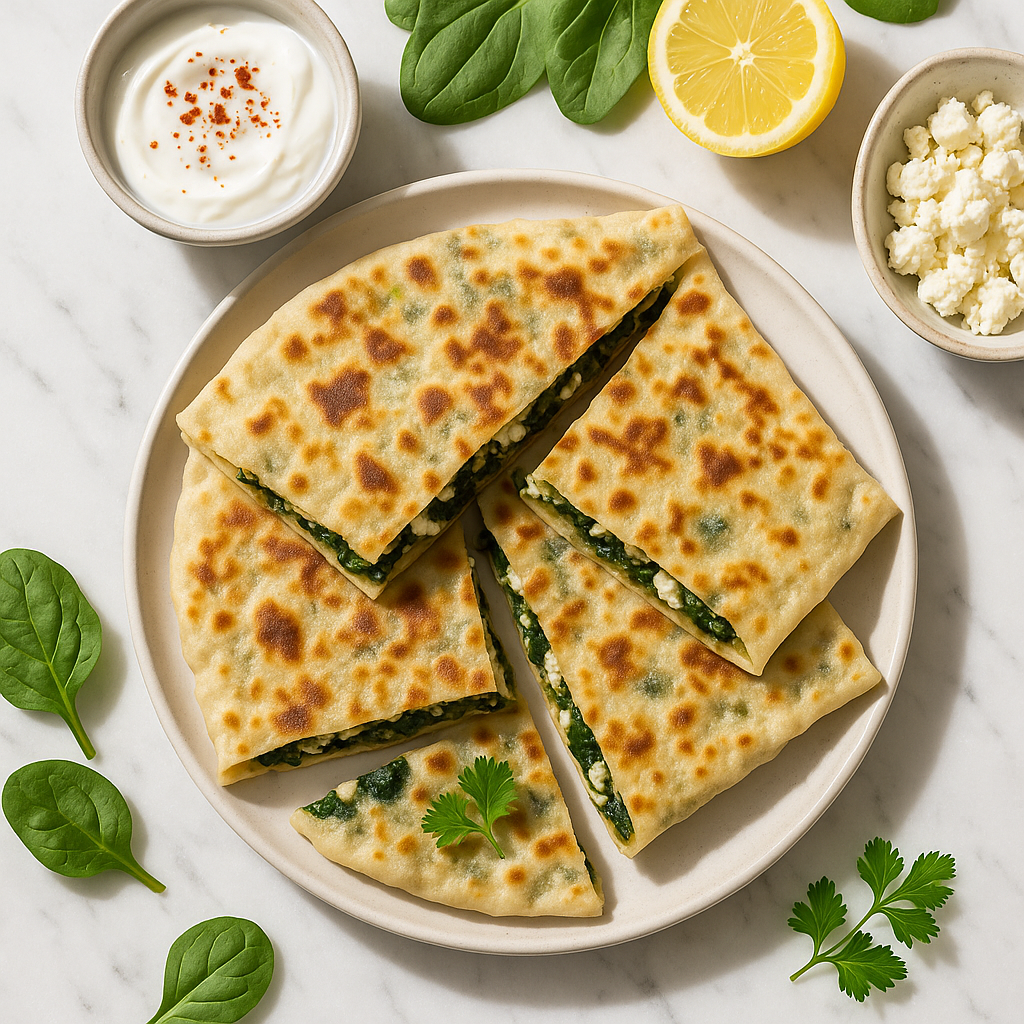
Gozleme Turkish Stuffed Flatbread with Spinach and Feta (High-Protein Healthy Version)
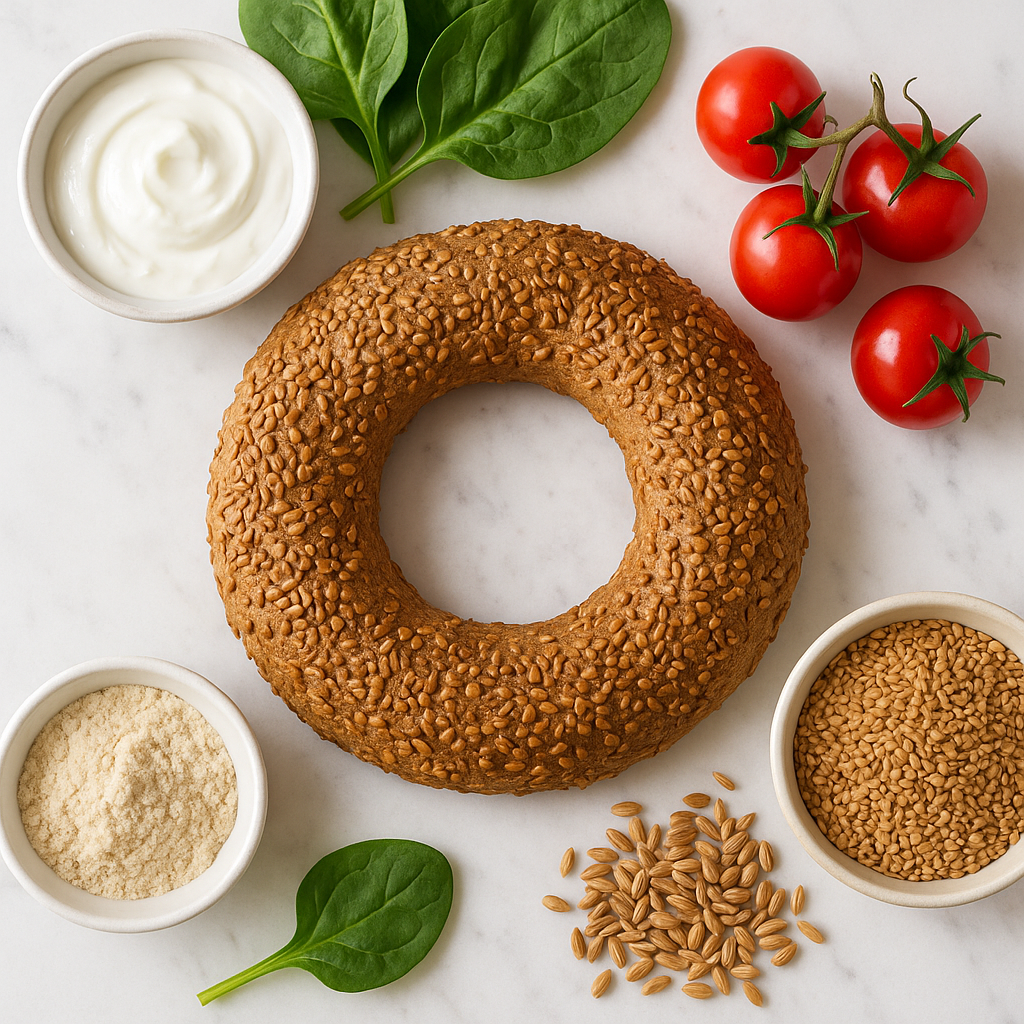
Healthy Simit Turkish Sesame Bread Ring Recipe with Whole Wheat and Protein Boost