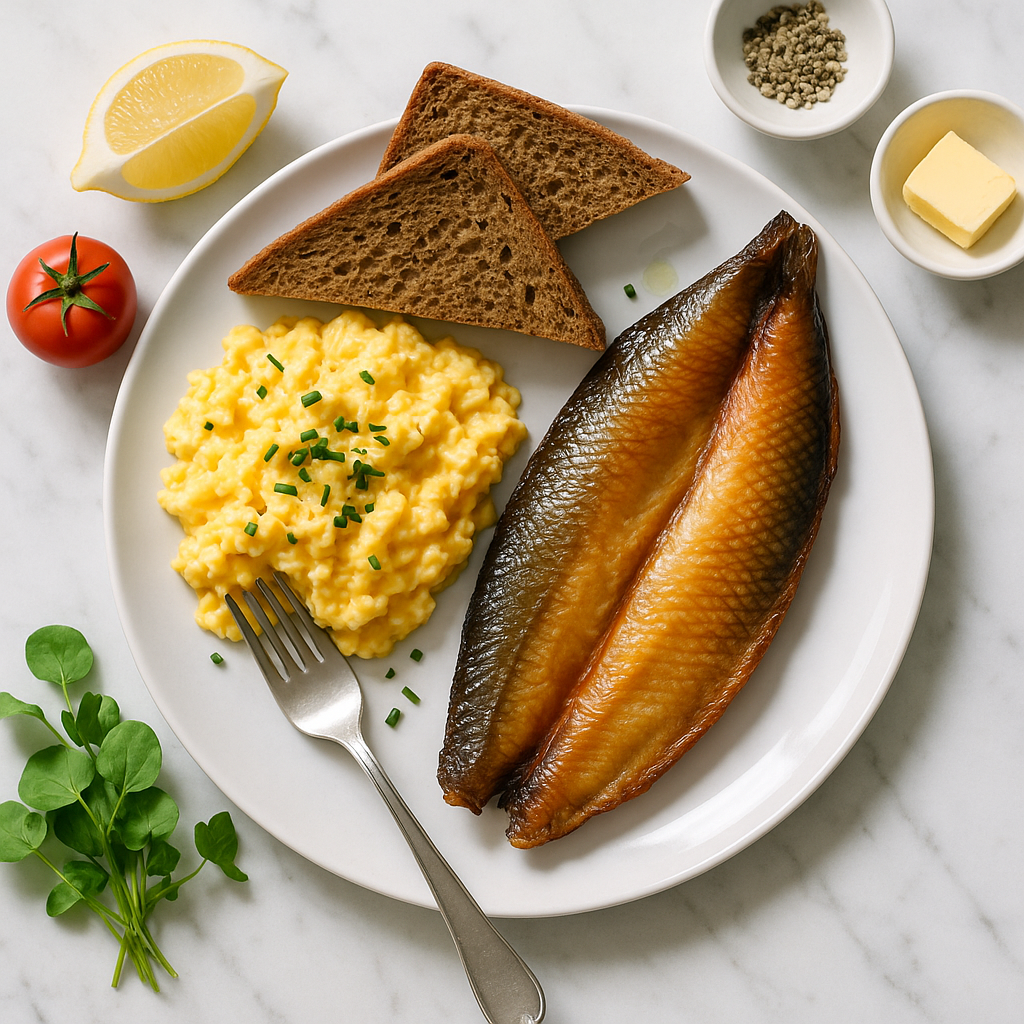
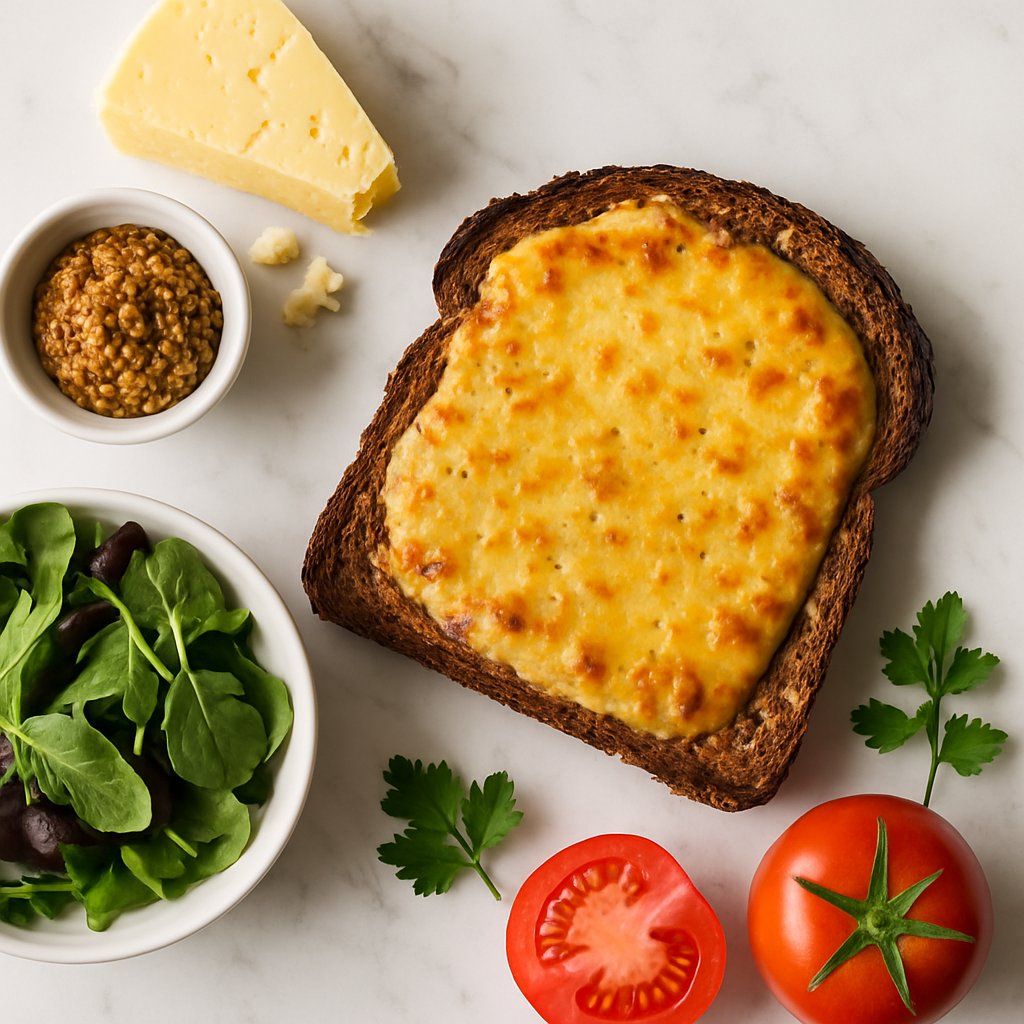
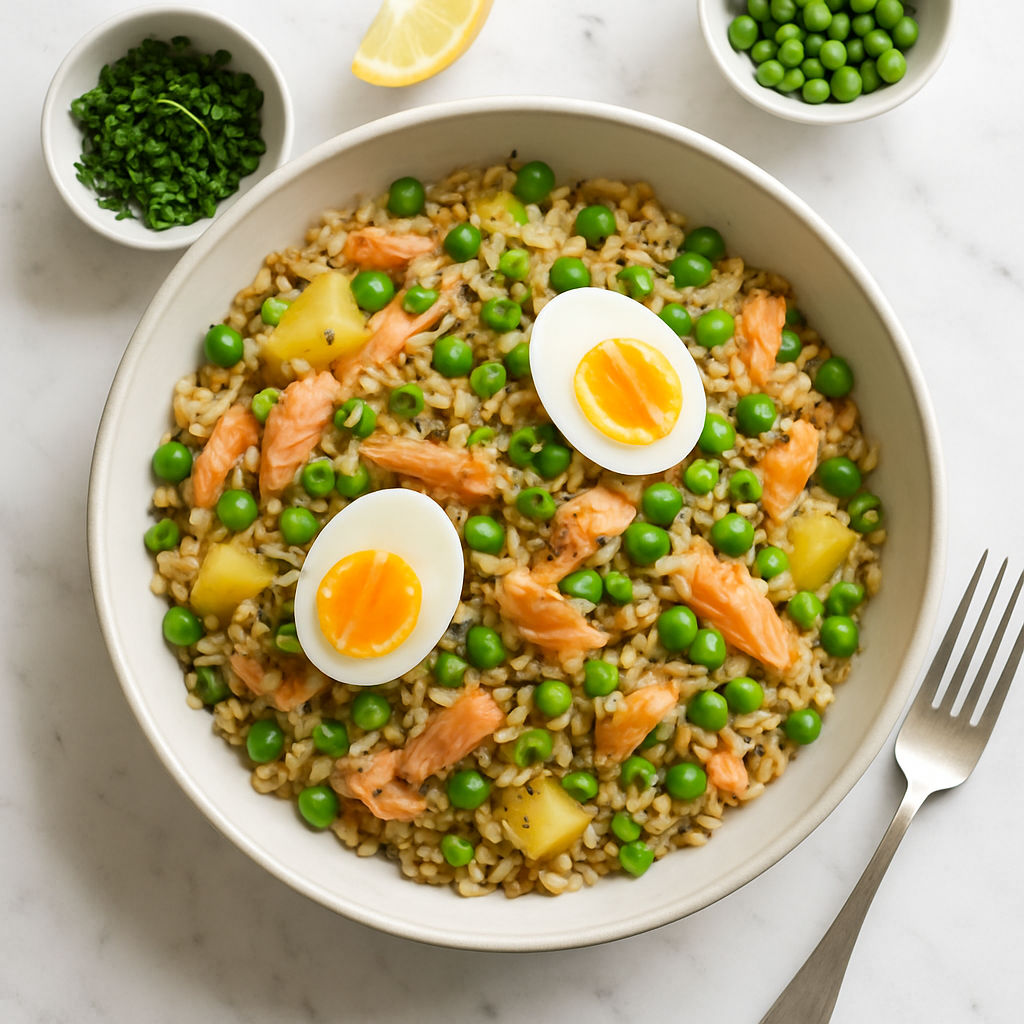
Traditional British Kedgeree with Smoked Haddock and Eggs
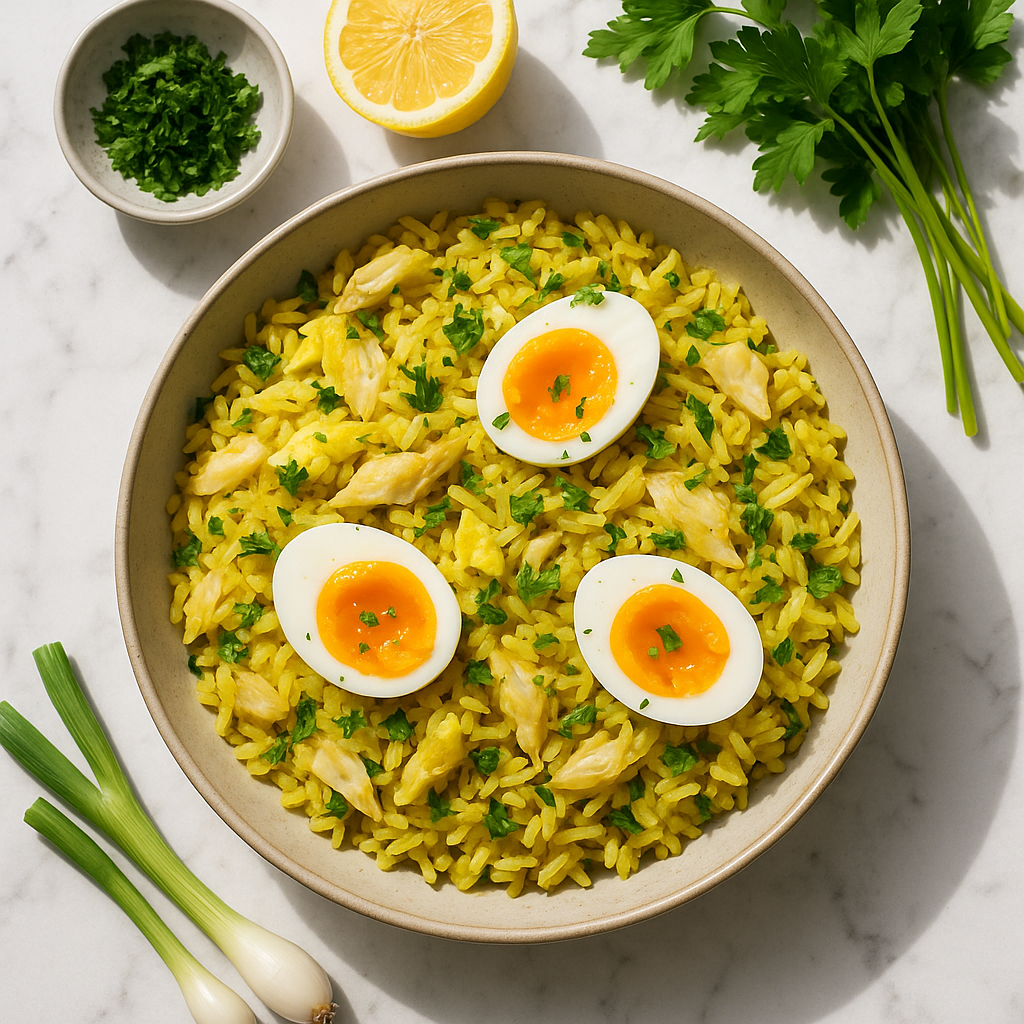
Traditional British Kedgeree with Smoked Haddock and Eggs is one of those breakfast dishes that genuinely earns its place at the table. With 42 grams of protein and 7 grams of fibre per serving, it is one of the most nutritionally complete breakfasts you can make, far ahead of most grain-based morning meals. What sets this version apart from older, richer recipes is the use of red lentils alongside brown basmati rice, which keeps the dish substantial without feeling heavy. The haddock is undyed, which matters both for flavour and for avoiding unnecessary additives. Low-sodium vegetable stock replaces the butter-heavy base that older kedgeree recipes rely on, and extra virgin olive oil does the work of keeping things moist and flavoursome without pushing the fat content unnecessarily high. At 487 calories per serving, this is a breakfast that carries you through a demanding morning. It is the kind of recipe that people return to weekly once they realise how satisfying it actually is, not as a novelty but as a proper, grounding start to the day.
Brown basmati rice is doing serious work here. It has a lower glycaemic index than white rice, which means blood sugar rises more gradually, and it contributes around 3.5 grams of fibre per cooked serving on its own. The red lentils are the other anchor of the dish. They cook down to a soft texture that blends into the rice without disappearing, and they bring a solid amount of plant-based protein, roughly 9 grams per 80-gram dry portion, along with folate and iron. Undyed smoked haddock provides the bulk of the animal protein, delivering lean, flaky fish that has been cold-smoked for flavour without the need for heavy seasoning. The fish is poached in semi-skimmed milk with bay leaves, which draws out a gentle, creamy flavour while keeping the milk usable as part of the cooking liquid. Free-range eggs add further protein and fat-soluble vitamins including B12 and D. Garlic, fresh ginger, and ground cumin are not decoration. Ginger has anti-inflammatory properties, garlic supports immune function, and cumin aids digestion and adds depth that ties the whole dish together.
The smell when this comes together is warm and savoury, the cumin and ginger hitting the pan first, then the sweet, caramelised edge of softened onion following closely. The rice and lentils absorb the spiced stock gradually, so by the time the fish is folded in, everything smells like it has been cooking far longer than it has. The texture is layered. The brown basmati holds its shape with a slight bite at the centre, while the red lentils soften and give the dish a cohesive, almost creamy consistency without any dairy being added to the grain base. The haddock flakes into large chunks rather than shredding, which means you get distinct pieces of fish through every spoonful. The eggs are typically halved and laid on top just before serving, their yolks still slightly soft, adding a richness that runs through the rice when you break them open. The colour is a pale golden yellow from the cumin and the milk-poached fish, dotted with the deep orange-red of the lentils. It looks like a proper cooked breakfast, not a health compromise.
This recipe supports a high-protein diet, muscle recovery, and sustained energy across the morning. It fits a gluten-free diet naturally, since none of the core ingredients contain gluten, though anyone with coeliac disease should check stock labels carefully. The fibre content at 7 grams per serving is meaningful for gut health and helps with satiety. This is a useful breakfast for people who do morning training and need real protein intake before or after exercise, for those managing blood sugar levels given the low-GI grain base, and for anyone returning to a more structured, nourishing morning routine after eating on the run. The combination of fish protein, plant protein from lentils, and egg protein makes this one of the more complete amino acid profiles you will get from a single breakfast dish. Older adults who need higher protein at each meal to maintain muscle mass will benefit from the density here. It is also appropriate for people following a pescatarian diet, since it contains no meat but includes fish and eggs.
Kedgeree is genuinely well-suited to batch cooking. Make a full batch on Sunday and the rice and lentil base keeps well in an airtight container in the fridge for up to four days. Store the flaked haddock separately if you want to maintain its texture, and add it back in when reheating. The eggs are best made fresh each time since reheated boiled eggs lose their appeal. To reheat, add a small splash of water or leftover milk to a pan over medium heat and stir gently until warmed through. Microwave reheating works too, though the texture of the rice improves with the stovetop method. For variations, swap the smoked haddock for hot-smoked salmon, which requires no poaching since it is already cooked through. You can also use green or brown lentils instead of red if you prefer more texture and a slightly earthier flavour. Adding a handful of frozen peas in the final two minutes brings colour and a small amount of extra sweetness. The full recipe with timings and step-by-step instructions is in the recipe card below.
Ingredients
- 200 g brown basmati rice (rinsed well under cold water)
- 80 g red lentils (rinsed well, adds fibre and protein)
- 600 ml low-sodium vegetable stock (for cooking the rice and lentils)
- 500 g undyed smoked haddock fillets (sustainably sourced, skin on)
- 400 ml semi-skimmed milk (for poaching the haddock)
- 2 fresh bay leaves
- 8 large free-range eggs (2 per person)
- 2 tbsp extra virgin olive oil
- 1 large white onion (finely diced)
- 3 cloves garlic (finely minced)
- 2 cm fresh ginger (peeled and finely grated)
- 1.5 tsp ground cumin
- 1.5 tsp ground coriander
- 1 tsp ground turmeric
- 0.5 tsp cayenne pepper (reduce to a pinch if you prefer mild heat)
- 0.5 tsp black mustard seeds
- 1 tsp garam masala (added at the end for freshness)
- 1 lemon (zest and juice)
- 4 tbsp fresh flat-leaf parsley (roughly chopped, to serve)
- 2 spring onions (thinly sliced, to garnish)
- 1 pinch sea salt (to taste, the haddock is already salty)
- 1 tbsp low-fat Greek yogurt (optional, stirs in at serving for creaminess)
Instructions
- 1
Combine the rinsed brown basmati rice and red lentils in a medium saucepan. Pour in the vegetable stock and bring to the boil over a medium-high heat. Once boiling, reduce the heat to low, cover tightly and cook for 28 to 30 minutes until the rice is tender and the lentils have softened into the grains. Remove from the heat and let it steam, still covered, for 5 minutes.
Do not lift the lid during cooking. The trapped steam is what cooks the rice through evenly.
- 2
While the rice cooks, place the smoked haddock fillets skin-side down in a wide, shallow pan. Pour the semi-skimmed milk over the fish and add the bay leaves. Bring to a very gentle simmer over low heat and poach the haddock for 8 to 10 minutes until the flesh is opaque and flakes easily when pressed with a fork.
Keep the heat low so the milk barely trembles. A rolling boil will toughen the fish and cause the milk to overflow.
- 3
Carefully lift the haddock out of the milk using a slotted spatula. Set it aside on a plate to cool slightly. Reserve 4 tablespoons of the poaching milk to loosen the finished kedgeree if needed. Once the fish is cool enough to handle, remove and discard the skin and any pin bones, then flake the flesh into large, generous chunks.
- 4
Bring a separate saucepan of water to the boil for the eggs. Gently lower the eggs in and cook for exactly 7 minutes for a set white with a slightly jammy yolk. Transfer immediately to a bowl of cold water to stop the cooking. Once cool enough to handle, peel carefully and cut in half lengthways.
The 7-minute egg is the sweet spot for kedgeree. The yolk is cooked but still soft, which gives a rich, almost saucy quality when it meets the spiced rice.
- 5
Heat the olive oil in a large, deep frying pan or wok over medium heat. Add the black mustard seeds and let them sizzle for about 30 seconds until they begin to pop. Add the diced onion and cook, stirring regularly, for 7 to 8 minutes until softened and lightly golden.
- 6
Add the garlic and ginger to the onion and cook for 1 more minute, stirring constantly. Add the cumin, coriander, turmeric and cayenne pepper, stirring everything together for about 45 seconds until the spices are fragrant and coating the onion base.
Stir continuously at this stage. Dry spices can catch and burn very quickly in a hot pan.
- 7
Add the cooked rice and lentil mixture to the spiced onion base. Stir gently to combine everything evenly, loosening the mixture with a tablespoon or two of the reserved poaching milk if it feels dry. Fold in the lemon zest and half the lemon juice, then taste for seasoning, adding a small pinch of sea salt if needed.
- 8
Scatter the flaked haddock over the rice and fold it in very gently using a large spoon or spatula, taking care not to break the flakes down too much. Sprinkle the garam masala over the top and give one final gentle stir. Remove from the heat.
Add the fish last and handle it gently. Large, visible flakes of haddock make the finished dish look and taste far better than a uniform mash.
- 9
Divide the kedgeree between four warm bowls. Arrange two halved eggs on top of each portion. Scatter over the chopped flat-leaf parsley and sliced spring onions. Squeeze a little remaining lemon juice over each bowl. If using, add a small spoonful of Greek yogurt to the side of each bowl and serve immediately.
Nutrition per serving
487kcal
Calories
42g
Protein
48g
Carbs
13g
Fat
7g
Fibre
5g
Sugar
620mg
Sodium
Pro Tips
- ✓
Use undyed smoked haddock wherever possible. The bright yellow dyed variety contains artificial colouring and the flavour of the natural fish is far superior.
- ✓
Brown basmati rice takes longer to cook than white but the difference in fibre content and glycaemic impact is significant. If you are short on time, use parboiled brown basmati which cooks in around 20 minutes.
- ✓
The reserved poaching milk is liquid gold for this recipe. It carries a subtle smoky, savory flavour that enriches the dish without adding extra salt.
- ✓
If your kedgeree feels a little dry when reheating, add a splash of water or stock and cover the pan for a couple of minutes to let it steam back to life.
- ✓
Toasting whole spices like mustard seeds and adding garam masala at the end rather than at the start means you get two different layers of spice flavour in the finished dish.
Frequently Asked Questions
Variations
- •
Cauliflower Rice Kedgeree
Replace half the brown basmati rice with cauliflower rice to significantly reduce the carbohydrate content. Steam or dry-fry the cauliflower rice separately and fold it in at the end alongside the regular rice. The result is a lighter, lower-carb version that works well for those watching their carbohydrate intake.
- •
Smoked Mackerel Kedgeree
Swap the smoked haddock for hot smoked mackerel fillets. Because hot smoked mackerel is already fully cooked, there is no need to poach it in milk. Simply flake the mackerel and fold it in at the end. The flavour is bolder and oilier, which some people actually prefer, and the omega-3 content is even higher.
- •
Dairy-Free Kedgeree
Replace the semi-skimmed milk with unsweetened oat milk or coconut milk for poaching the fish. The coconut milk version gives a gently tropical note that pairs surprisingly well with the warm spices. Skip the optional Greek yogurt garnish or use a dairy-free coconut yogurt instead.
- •
Spicy Kedgeree
Double the cayenne pepper and add a finely diced fresh green chilli to the onion base along with the garlic and ginger. Finish with a scattering of thinly sliced fresh red chilli on top. This version is wonderfully warming on cold mornings.
Substitutions
- •Brown basmati rice → White basmati rice (Reduces cook time to around 18 minutes but lowers the fibre content and raises the glycaemic index of the dish. Still delicious.)
- •Red lentils → Yellow split peas (Yellow split peas have a similar mild flavour and nutritional profile. They take slightly longer to cook so add an extra 5 minutes and a splash more stock.)
- •Semi-skimmed milk → Unsweetened oat milk or coconut milk (Makes the recipe fully dairy free. Oat milk is the most neutral option. Coconut milk adds a slight sweetness that complements the spices nicely.)
- •Smoked haddock → Hot smoked salmon or smoked cod (Both are excellent alternatives. Hot smoked salmon does not need poaching, just flake and fold in at the end. Add 1 tsp smoked paprika to the spice blend if using unsmoked fish.)
- •Extra virgin olive oil → Coconut oil (Coconut oil has a higher smoke point which suits the early spice-toasting stage well. It adds a very subtle coconut note to the base.)
- •Fresh flat-leaf parsley → Fresh coriander (Fresh coriander is the more traditional herb pairing with Indian-inspired spices and works beautifully here. Use it if you enjoy the flavour.)
🧊 Storage
Allow leftover kedgeree to cool completely, then transfer to an airtight container and refrigerate within 2 hours of cooking. It will keep well in the fridge for up to 3 days. Reheat thoroughly in a pan over medium-low heat with a splash of water or stock, stirring gently until piping hot throughout. Do not reheat more than once. The eggs are best stored separately if possible and added fresh when serving.
📅 Make Ahead
The full kedgeree base, including the rice, lentils, fish and spiced onion mixture, can be prepared up to 24 hours in advance and stored covered in the fridge. Reheat gently the next morning and top with freshly cooked or freshly peeled eggs. You can also pre-boil the eggs and store them peeled in cold water in the fridge overnight, then simply halve and add them cold or at room temperature when serving.