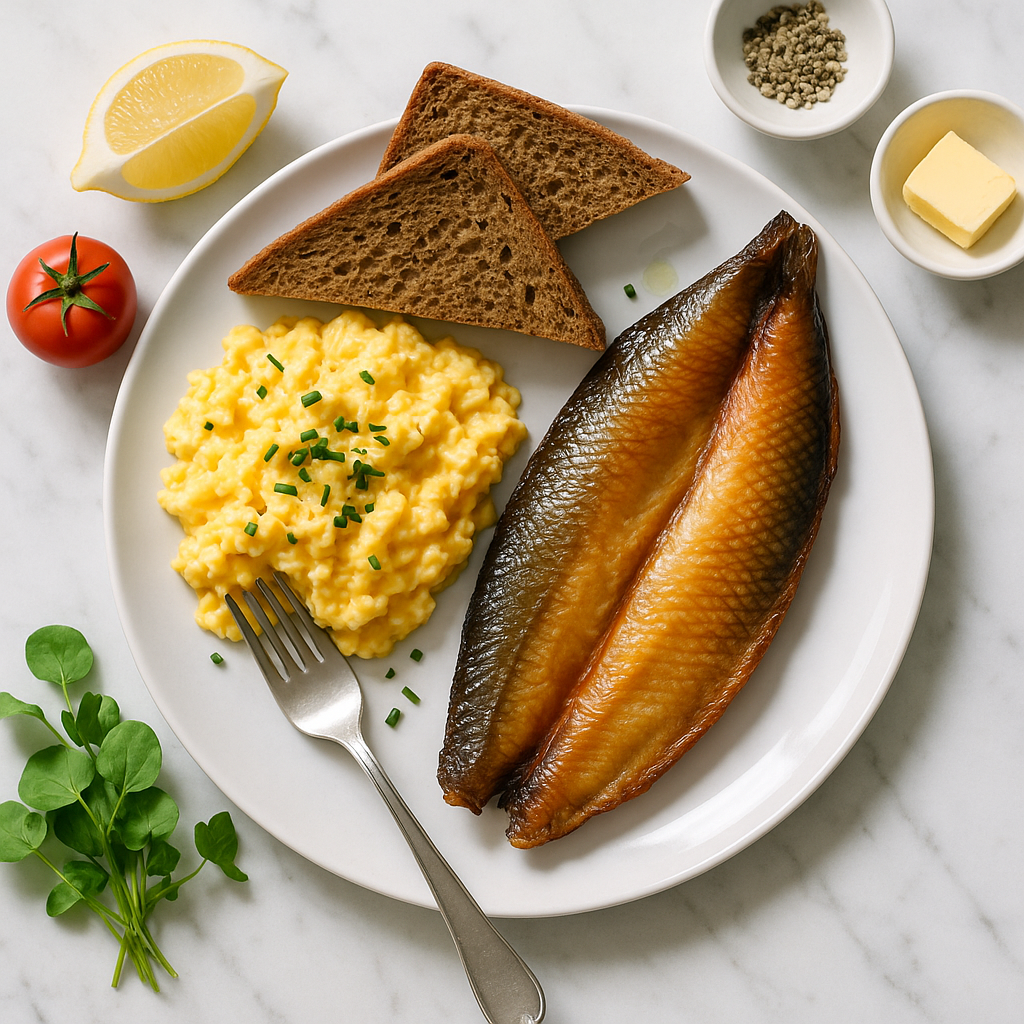
British Kippers with Scrambled Eggs and Brown Bread is a high-protein breakfast that earns its place on the table through genuine nutritional muscle rather than trend-chasing. With 38 grams of protein per serving and 415 calories, this is a breakfast that genuinely sustains you through a long morning without leaving you reaching for a mid-morning snack. The combination of smoked kipper fillets and free-range eggs puts it well ahead of most other breakfast plates in terms of protein density, and the seeded wholegrain bread adds slow-release carbohydrates that keep energy levels steady. What sets this recipe apart from other cooked breakfasts is the omega-3 richness of the herring alongside the satisfying creaminess of properly made scrambled eggs. It is a classic British combination that has been eaten for generations for good reason, and this version keeps the method clean and straightforward so the quality of the ingredients does the talking. If you want a breakfast that covers protein, healthy fats, and complex carbohydrates in one plate, this one does it well.
The smoked kipper fillets are the foundation of the dish, and they bring far more than flavour. Kippers are cold-smoked herring, one of the richest dietary sources of omega-3 fatty acids available, with a single serving providing a meaningful contribution to the weekly intake recommended for heart and brain health. They are also an excellent source of vitamin D, vitamin B12, and selenium, nutrients that are easy to miss in a standard western diet. The four large free-range eggs add further high-quality complete protein and provide choline, which supports brain function and liver health. Semi-skimmed milk goes into the scrambled eggs to add a little creaminess without the saturated fat load of double cream. Olive oil replaces butter for cooking, keeping the fat profile leaner and adding a small amount of monounsaturated fat. The seeded wholegrain brown bread contributes 5 grams of fibre to the total, which supports digestive health and prolongs satiety. Fresh flat-leaf parsley adds vitamin C and a brightness that cuts through the richness of the fish. Lemon serves the same purpose, its acidity lifting every element on the plate.
The kippers themselves have a deeply savoury, smoky aroma that fills the kitchen the moment they hit the pan, a smell that is unmistakably British and genuinely appetising if you grew up around it. The flesh is soft and yielding once warmed through, flaking into large pieces that sit well against the softness of the scrambled eggs. The eggs, made slowly over a medium-low heat with milk and olive oil, become soft, just-set curds with a gentle creaminess rather than the rubbery texture you get from rushing them over high heat. The seeded wholegrain toast provides a firm, slightly nutty base that gives the plate some textural contrast, the seeds adding a faint crunch with each bite. Sliced ripe tomatoes alongside add a cool, juicy freshness. A squeeze of lemon over the kippers at the end is not optional, it genuinely transforms the dish, brightening the smoky flavour and making the whole plate taste more alive. Chopped parsley scattered over the top adds colour and a mild herbal note that ties everything together without overpowering the main event.
This recipe is a strong choice for anyone working on increasing their daily protein intake in a whole-food way rather than relying on powders or supplements. The 38 grams of protein per serving makes it suitable as a post-workout breakfast or as a high-satiety meal for anyone managing appetite through the day. Because the protein comes from complete sources, both fish and eggs, it provides all essential amino acids. The omega-3 fatty acids from the kippers are particularly beneficial for cardiovascular health, supporting healthy cholesterol levels and reducing inflammation over time. The fibre from the wholegrain bread and seeds supports gut health and helps maintain steady blood sugar, which matters for anyone managing energy fluctuations or insulin sensitivity. This recipe fits naturally into a high-protein diet and a pescatarian diet. It is not suitable for dairy-free eating in its standard form, though that is easily adjusted. People who train regularly, older adults focused on muscle maintenance, or anyone recovering from illness and needing nutrient-dense food will find this a particularly well-constructed breakfast.
This recipe works best when made fresh because scrambled eggs do not hold well, but the kippers can be prepared ahead with some planning. You can store uncooked smoked kipper fillets in the fridge for up to two days after purchase, and they reheat well in a pan over low heat with a small splash of water and a lid to keep them moist. The toast is best made to order. For a dairy-free version, replace the semi-skimmed milk in the scrambled eggs with a small amount of oat milk or leave it out entirely and cook the eggs with a little extra olive oil instead. If kippers are unavailable, smoked mackerel fillets work as a straight substitute and bring a similar omega-3 profile with a slightly richer flavour. For a lighter plate with fewer calories, reduce to two eggs and one kipper fillet and serve on a single slice of toast rather than two. You can also add a handful of wilted spinach alongside the tomatoes for extra iron and folate. All the quantities and timings you need are in the recipe card below.
Ingredients
- 2 fillets smoked kipper fillets (boneless if possible, around 120g each)
- 4 large free-range eggs
- 3 tbsp semi-skimmed milk (or unsweetened oat milk for dairy-free)
- 1 tsp olive oil (for scrambling the eggs)
- 4 slices seeded wholegrain brown bread (choose a loaf with at least 3g fibre per slice)
- 1 small lemon (cut into wedges for serving)
- 2 tbsp fresh flat-leaf parsley (roughly chopped)
- 1 pinch freshly ground black pepper (to taste)
- 4 slices ripe tomato (optional, for serving alongside)
Instructions
- 1
Preheat your grill to medium-high. Line the grill pan or a baking tray with foil. Place the kipper fillets skin side down on the foil. You do not need to add any oil as kippers have plenty of their own natural oils.
Open a window or turn on your extractor fan now. The aroma of grilling kippers is strong and doing this early keeps your kitchen fresh.
- 2
Place the kippers under the grill and cook for 4 to 5 minutes. You are not looking to flip them. They are ready when the flesh has turned opaque and the edges are just starting to curl slightly. Remove from the grill and set aside, tented loosely with a piece of foil to keep warm.
If your kippers are particularly thick, give them an extra minute. Thinner fillets may only need 3 to 4 minutes. Do not overcook or they will dry out.
- 3
While the kippers are grilling, crack the eggs into a bowl. Add the semi-skimmed milk and a grind of black pepper. Whisk together until the yolks and whites are fully combined.
Do not add salt at this stage. Kippers are already quite salty and you will find you do not need it once everything is on the plate together.
- 4
Place a small non-stick pan over a low heat. Add the olive oil and let it warm for about 30 seconds. Pour in the egg mixture. Using a silicone spatula, gently fold and stir the eggs continuously, moving them slowly around the pan.
Low and slow is everything here. Rushing scrambled eggs over high heat gives you rubbery curds. You want soft, barely-set folds of egg.
- 5
When the eggs look silky and just slightly underdone, remove the pan from the heat. They will continue cooking in the residual heat of the pan. This usually takes about 3 to 4 minutes total over low heat.
- 6
While the eggs are finishing, pop the wholegrain bread into the toaster and toast to your liking. You want it golden and sturdy enough to hold the eggs without going soggy immediately.
- 7
To serve, place two slices of brown toast on each plate. Spoon the scrambled eggs generously over the toast. Lay a kipper fillet alongside or over the eggs. Scatter the fresh parsley over everything, add a wedge of lemon on the side, and serve immediately.
Squeezing lemon over the kippers just before eating is the finishing touch that brings this whole dish together. Do not skip it.
Nutrition per serving
415kcal
Calories
38g
Protein
28g
Carbs
16g
Fat
5g
Fibre
3g
Sugar
820mg
Sodium
Pro Tips
- ✓
Buy the best quality kippers you can find. Kippers from traditional smokehouses tend to have better flavour and a firmer texture than supermarket varieties.
- ✓
If you are sensitive to the smell of cooking kippers, try the jug method: place the kippers head-down in a tall heatproof jug, pour boiling water over them, cover with a plate, and leave for 6 minutes. This produces barely any smell.
- ✓
Seeded wholegrain bread is the healthier choice here. Look for a loaf where wholemeal flour is the first ingredient and that has at least 6g of fibre per 100g.
- ✓
Leftover kippers can be flaked and mixed with light cream cheese and lemon juice as a healthy pate on rye crispbreads the next day.
- ✓
To check for bones in your kippers before serving, run a finger gently along the flesh. Most kipper fillets sold today are boneless but it is always worth a quick check.
Frequently Asked Questions
Variations
- •
Kipper and Avocado Brown Toast
Replace the scrambled eggs with half a ripe avocado, sliced or mashed onto the toast. Top with the grilled kipper fillet, a squeeze of lemon, and chilli flakes. This version is dairy-free and packed with healthy monounsaturated fats.
- •
Kipper Scramble with Spinach
Add a large handful of fresh baby spinach to the pan with the eggs during the last minute of cooking. The spinach wilts down into the eggs and adds iron, folate and extra fibre to the dish. A great way to get greens in at breakfast.
- •
Poached Egg and Kippers on Brown Bread
Swap the scrambled eggs for poached eggs if you prefer. Poached eggs have no added fat and sit beautifully on top of the grilled kipper fillet. A drizzle of a little lemon juice and black pepper finishes this version perfectly.
Substitutions
- •Kipper fillets → Smoked mackerel fillets (Smoked mackerel has a similarly rich, oily flavour and is just as high in omega-3. It does not need grilling, just flake it straight from the pack and warm briefly in a dry pan.)
- •Seeded wholegrain brown bread → Rye crispbreads or rye sourdough (Rye bread has a lower glycaemic index than wheat bread and a higher fibre content. It is a great swap if you want extra digestive benefits or are looking for a lower-calorie bread option.)
- •Semi-skimmed milk → Unsweetened oat milk or almond milk (Either works well in scrambled eggs and keeps the recipe dairy-free. Oat milk gives a slightly creamier result than almond milk.)
- •Fresh flat-leaf parsley → Fresh chives or dill (Chives give a mild onion note that works nicely with smoked fish. Dill is a classic pairing with any smoked or cured fish and adds a lovely fresh anise-like flavour.)
🧊 Storage
This recipe is best enjoyed freshly made. Scrambled eggs do not store well and will become watery and rubbery once refrigerated. Cooked kipper fillets can be wrapped and refrigerated for up to 1 day and flaked into salads or pates, but they are not ideal for reheating.
📅 Make Ahead
You can prepare the eggs in advance by whisking them together with the milk and storing the mixture covered in the fridge for up to 8 hours. The kippers require no prep. This means the actual cooking time on the morning is very quick, around 10 minutes total.
You might also like
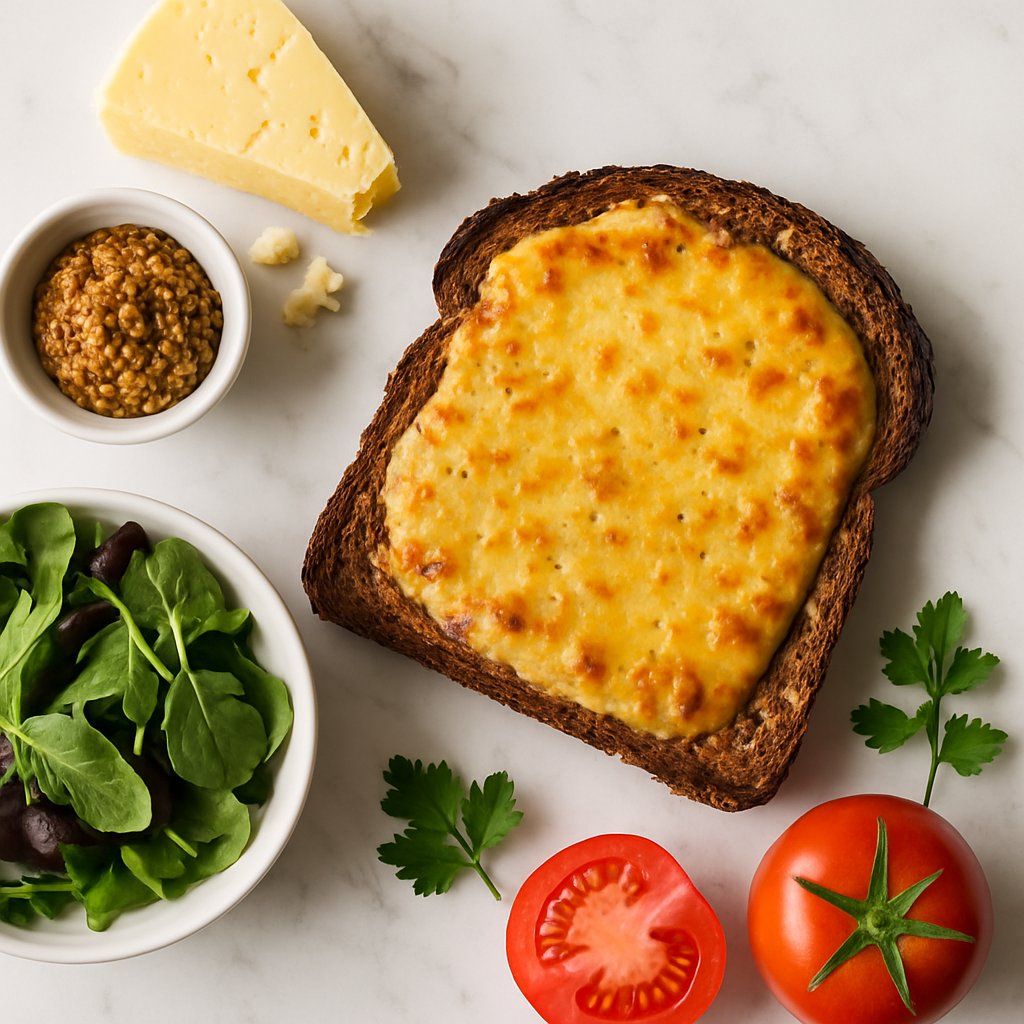
Welsh Rarebit Recipe with Mature Cheddar and Wholegrain Mustard on Seeded Rye Toast
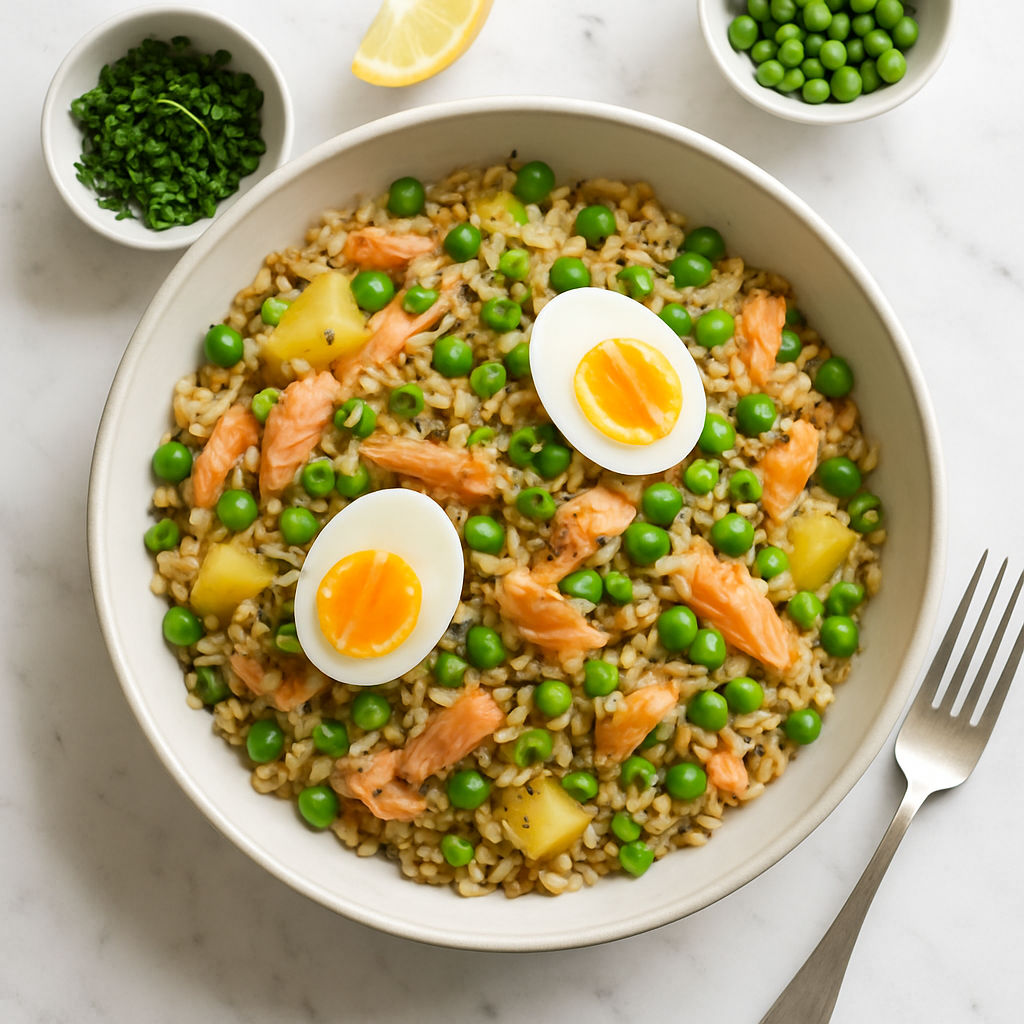
Dairy Free British Kedgeree with Smoked Salmon and Brown Rice