Scottish Porridge with Honey and Toasted Oats: A Traditional Recipe Made Healthier
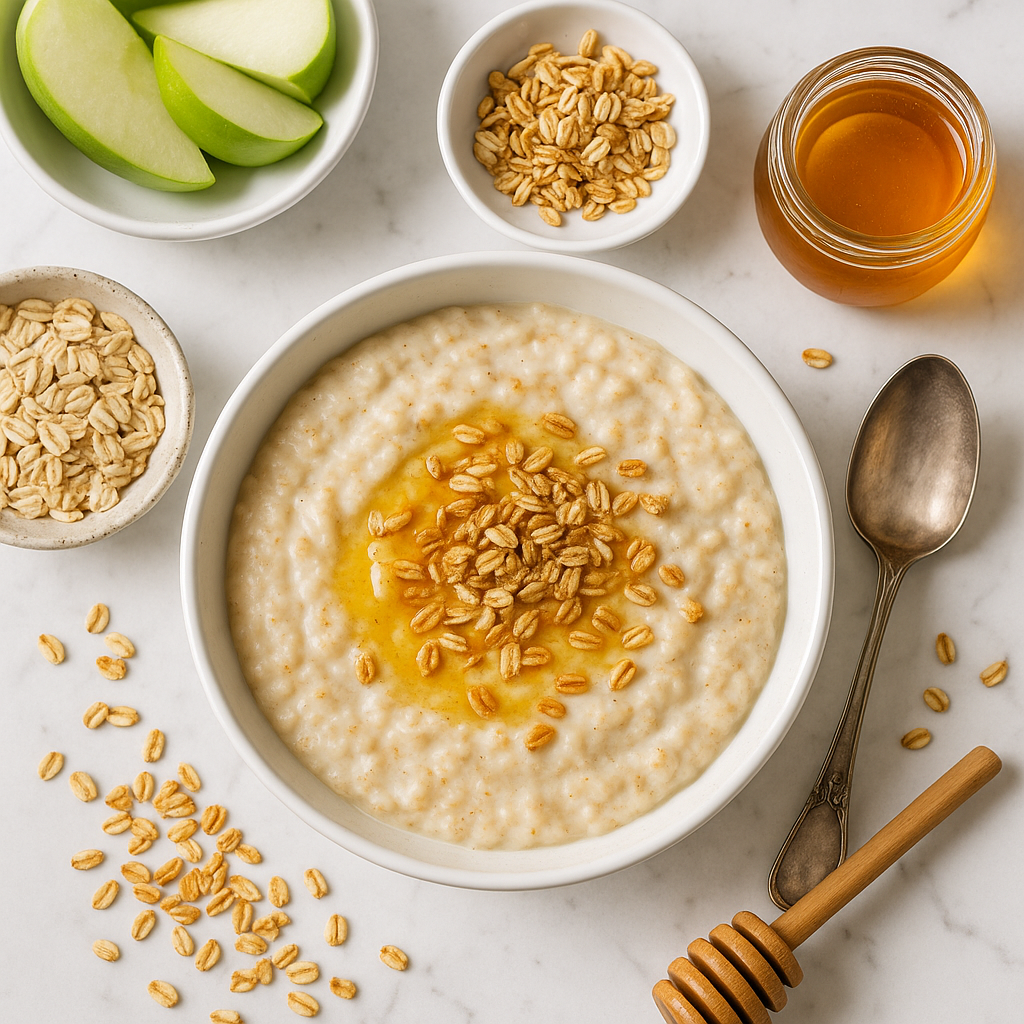
Scottish Porridge with Honey and Toasted Oats is a recipe that takes one of the oldest breakfast traditions in the world and sharpens it into something genuinely nourishing for a modern morning. The standout quality here is the combination of 12 grams of protein and 8 grams of fibre in a single bowl that takes less than 15 minutes to prepare. Most porridge recipes stop at rolled oats and milk, which is fine, but this version goes further by layering ground flaxseed, pumpkin seeds, and a separate batch of hand-toasted steel-cut oats on top. That layering is what separates it from a basic weekday bowl. The calorie count sits at 342, which is satisfying without being heavy, and the 52 grams of complex carbohydrates provide a slow, steady release of energy rather than a spike and crash. If you have been finding that your usual breakfast leaves you hungry by 10am, the fibre load in this recipe is the fix. It is also meal prep friendly, which matters when mornings are rushed.
Steel-cut oats are the foundation, and the choice to use them over rolled oats is intentional. Steel-cut oats are the whole oat groat cut into rough pieces rather than steamed and flattened, which means they retain more of their natural structure, take longer to digest, and carry a lower glycaemic index. The 180 grams of base oats provide the bulk of the carbohydrates and a solid portion of the fibre. Ground flaxseed adds 1 tablespoon of quiet nutritional work, bringing omega-3 fatty acids, additional fibre, and lignans, which are plant compounds with antioxidant properties. The 600 ml of water and 100 ml of semi-skimmed or oat milk create the liquid ratio needed to cook steel-cut oats to a creamy consistency without making them stodgy. Oat milk keeps the recipe dairy-free if needed and adds a natural sweetness. Pumpkin seeds contribute healthy fats, magnesium, zinc, and a meaningful amount of plant protein. Raw honey is used twice, once in the porridge and once on the toasted oat topping, keeping the sugar at a measured 7 grams rather than the much higher levels you find in flavoured instant sachets.
The texture of this porridge is noticeably different from anything made with instant or rolled oats. Steel-cut oats hold their shape during cooking, so each spoonful has a slight chew at the centre surrounded by a thick, creamy liquid. The toasted oats on top go into a dry pan first, stirring constantly over medium heat until they turn golden and smell nutty, almost like warm bread crust. That smell alone changes the whole character of the bowl. The cinnamon goes in with the toasted oats and seeds, and the heat blooms the spice so it smells warm and rounded rather than sharp. When you pour the honey over the top, it settles into the ridges of the toasted oats and seeds before slowly melting down. The base porridge is creamy and faintly savoury from the fine sea salt, which is a traditional Scottish touch that balances the sweetness of the honey. The contrast between the soft, yielding base and the crunchy, caramelised topping is what makes this worth making.
This recipe is built around sustained energy and digestive support. The high fibre content, 8 grams per serving, supports gut health and helps regulate blood sugar by slowing the absorption of carbohydrates into the bloodstream. That makes it a practical choice for people managing their blood glucose levels or trying to avoid the mid-morning energy dip that follows a low-fibre breakfast. The 12 grams of protein is meaningful for a plant-forward breakfast and comes from the combination of oats, flaxseed, pumpkin seeds, and milk. This recipe fits a vegetarian diet naturally and works for a dairy-free diet when oat milk is used. It suits people who train in the morning because the carbohydrate-to-protein ratio supports muscle glycogen replenishment without requiring a separate post-workout meal. It is also appropriate for children and older adults because the soft base texture is easy to eat and the nutrient profile covers iron, magnesium, and B vitamins that both age groups often need more of. The low sugar content of 7 grams makes it suitable for anyone keeping an eye on added sugars.
For meal prep, the base porridge stores well in the fridge for up to four days in a sealed container. Steel-cut oats thicken considerably as they cool, so when reheating, add a splash of water or milk and stir over low heat for two to three minutes, or microwave in 60-second intervals with a stir in between. The toasted oat and pumpkin seed topping should be stored separately in a small jar at room temperature so it stays crunchy, and it will keep for up to a week. A straightforward variation is to swap the pumpkin seeds for sunflower seeds and add a teaspoon of tahini stirred into the base for a slightly nutty, more Middle Eastern flavour profile. Another option is to cook the oats in a mix of water and apple juice instead of plain water, which adds natural sweetness and a faint fruit flavour without extra sugar. For a higher-protein version, stir in a tablespoon of almond butter during the last minute of cooking. The full ingredient quantities, timings, and step-by-step method are all laid out in the recipe card below.
Ingredients
- 180 g steel-cut oats (also called pinhead oats, most traditional for Scottish porridge)
- 600 ml water (cold, filtered if possible)
- 100 ml semi-skimmed milk or unsweetened oat milk (added in the final minute for creaminess)
- 1 tbsp ground flaxseed (adds fibre and omega-3s, stirred in during cooking)
- 0.3 tsp fine sea salt (essential for authentic Scottish flavour)
- 2 tsp raw honey (stirred in at the end, use a high-quality Scottish heather honey if available)
- 30 g extra steel-cut oats (for the toasted oat topping)
- 2 tbsp pumpkin seeds (adds plant-based protein and crunch to the topping)
- 0.5 tsp ground cinnamon (for the topping and a small pinch during cooking)
- 1 tsp raw honey (extra drizzle for serving, divided between bowls)
Instructions
- 1
Place a medium, heavy-bottomed saucepan over medium heat. Add all 180g of the steel-cut oats to the dry pan in a single layer. Toast, stirring frequently, for 3 to 4 minutes until the oats smell nutty and warm and turn a shade or two darker. Watch closely, they can catch quickly.
This dry-toasting step is the key to unlocking a deep, nutty flavour that makes this porridge taste far more complex than standard recipes. Do not skip it.
- 2
While the oats are still in the pan, carefully pour in the cold water. It will steam and sputter briefly, so stand back slightly. Add the fine sea salt and a small pinch of the ground cinnamon. Stir everything together and bring to a gentle boil over medium-high heat.
Starting with cold water rather than boiling water gives the oats time to absorb liquid gradually, which produces a creamier texture.
- 3
Once boiling, reduce the heat to low and stir in the ground flaxseed. Simmer gently for 7 to 8 minutes, stirring every couple of minutes to prevent sticking. The porridge should thicken steadily. If it looks too thick, add a splash of water.
Steel-cut oats take longer than rolled oats but are worth every extra minute. The texture is chewier and more satisfying.
- 4
While the porridge cooks, prepare the toasted oat topping. Place the extra 30g of steel-cut oats in a small dry frying pan over medium heat. Toast for 2 to 3 minutes, stirring constantly, until golden and fragrant. Add the pumpkin seeds for the final minute of toasting, then remove from heat and stir in the remaining cinnamon. Set aside.
The pumpkin seeds will pop gently in the pan, which is normal. Remove from heat as soon as they start to colour.
- 5
When the porridge base has reached your preferred consistency, pour in the milk or oat milk and stir well. Cook for a further 1 minute over low heat until the porridge is thick, creamy and pulling away slightly from the sides of the pan.
Adding the milk at the end rather than the beginning gives you the creaminess without the risk of scorching.
- 6
Remove from heat. Stir in the 2 teaspoons of raw honey until fully incorporated. Taste and adjust sweetness if needed. Divide the porridge between two warmed bowls.
Warming your bowls with a splash of hot water for 30 seconds before serving keeps the porridge hot for longer.
- 7
Scatter the toasted oat and pumpkin seed mixture generously over each bowl. Finish each with a small drizzle of the remaining honey, dividing evenly. Serve immediately while the contrast between the creamy porridge and crunchy topping is at its best.
Serve on its own or alongside a small glass of cold water. The Scots traditionally ate porridge standing up, which is entirely optional.
Nutrition per serving
342kcal
Calories
12g
Protein
52g
Carbs
9g
Fat
8g
Fibre
7g
Sugar
185mg
Sodium
Pro Tips
- ✓
Always toast your oats before cooking, even when short on time. Just 3 minutes of dry toasting makes a significant difference to the final flavour.
- ✓
Steel-cut oats have a lower glycaemic index than rolled oats, meaning slower energy release and longer satiety. They are worth the extra cooking time.
- ✓
Stir in your honey off the heat to preserve its raw enzymes and antioxidants, which are diminished by high heat.
- ✓
A pinch of salt is non-negotiable in authentic Scottish porridge. It balances the sweetness and brings out the nuttiness of the oats.
- ✓
If your porridge thickens too much as it sits, simply stir in a splash of hot water or milk to loosen it back up.
- ✓
For an even creamier finish, soak the steel-cut oats in cold water overnight before toasting. Drain first, then toast in the dry pan.
Frequently Asked Questions
Variations
- •
Berry and Seed Scottish Porridge
Follow the base recipe exactly, then top with a small handful of fresh or frozen blueberries warmed in a teaspoon of water in a small pan. Scatter hemp seeds alongside the toasted oats for an extra protein lift. Skip the honey drizzle and let the berries provide the natural sweetness.
- •
Banana and Almond Toasted Oat Porridge
Stir half a mashed ripe banana into the porridge during the final minute of cooking instead of honey. Top with the toasted oats, a few sliced almonds toasted with the oats, and a dusting of cinnamon. The banana adds natural sweetness, potassium, and a subtle creaminess.
- •
Apple and Ginger Scottish Porridge
Add a quarter teaspoon of ground ginger to the porridge with the flaxseed. Core and finely dice one small apple and cook gently in a teaspoon of water with a pinch of cinnamon for 3 minutes until just soft. Spoon over the finished porridge alongside the toasted oats. Omit the honey or use just half a teaspoon.
- •
Protein-Boosted Scottish Porridge
Stir in one tablespoon of plain Greek yogurt right before serving for an extra hit of protein without affecting the flavour significantly. You can also add a small scoop of unflavoured or vanilla plant-based protein powder during the final cooking stage, loosening with a little extra milk. This version suits post-workout mornings particularly well.
Substitutions
- •Steel-cut oats → Rolled oats or jumbo oats (Reduce cooking time to 5 minutes. Texture will be smoother and less chewy. The toasting step still works and is still recommended.)
- •Raw honey → Pure maple syrup (Use in the same quantity. Maple syrup gives a slightly more caramel-like sweetness and makes the recipe fully vegan.)
- •Semi-skimmed milk → Unsweetened oat milk, almond milk or coconut milk (Oat milk gives the most neutral, creamy result. Coconut milk adds richness but increases calories and fat content slightly.)
- •Pumpkin seeds → Sunflower seeds or sesame seeds (Both toast well and add crunch. Sesame seeds are slightly smaller so watch the pan closely as they toast faster.)
- •Ground flaxseed → Chia seeds (Add chia seeds at the same stage. They absorb liquid and add a slight thickening effect, which works well here. Nutritional profile is similar.)
🧊 Storage
Allow leftover porridge to cool completely before transferring to an airtight container. Refrigerate for up to 4 days. Reheat individual portions in a small saucepan over low heat with a splash of milk or water, stirring regularly until hot and creamy. Do not store the toasted oat topping with the porridge as it will lose its crunch. Keep the toasted oat and seed mixture separately in a small jar at room temperature for up to 5 days.
📅 Make Ahead
This recipe is excellent for meal prep. Make a double batch of the porridge base on Sunday evening. Portion into individual sealed containers and refrigerate. Each morning takes about 4 minutes to reheat. Toast a fresh small batch of oats and seeds while the porridge heats up. The toasted oat topping can also be made in a bigger batch and stored in a jar for the whole week, saving time on busy mornings.