Lighter Kaymak with Honey Traditional Turkish Breakfast Topping on Whole Grain Toast
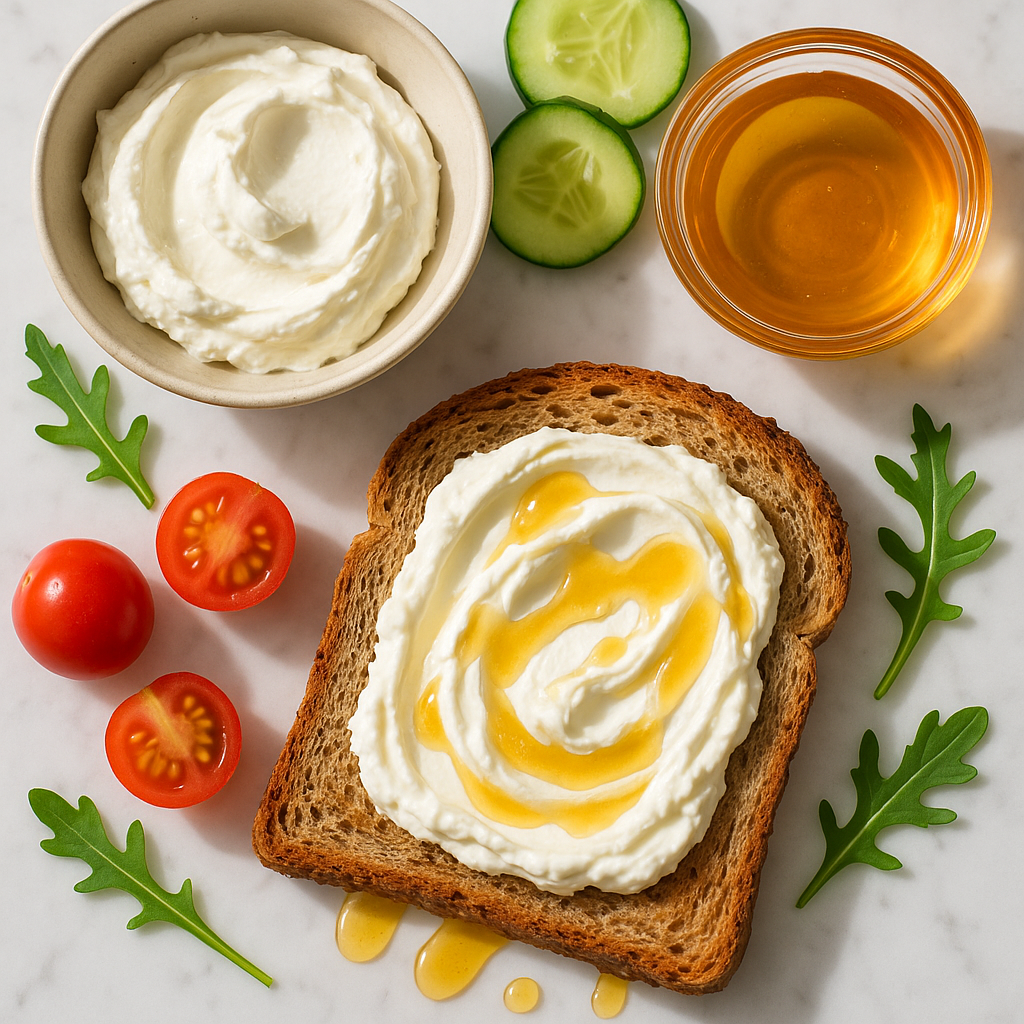
There is something truly magical about the way kaymak with honey traditional Turkish breakfast topping lands on the table at a proper Turkish kahvalti. That thick, ivory cream pooled beside a golden ribbon of honey, scooped onto a torn piece of fresh bread, is one of those simple combinations that stops conversation mid-sentence. Anyone who has sat down to a Van-style spread in Istanbul knows exactly what I mean. This recipe takes that beloved duo and gives it a thoughtful nutritional upgrade, so you can enjoy all the flavour and ritual without the heavy calorie load that comes with full-fat clotted cream.
Instead of traditional kaymak, which is made by slowly simmering buffalo or cow milk until a thick fat layer forms on top, this version builds a creamy base from full-fat Greek yogurt strained overnight to remove excess whey. The result is a rich, spreadable cream with a texture remarkably close to authentic kaymak, but with a protein content that genuine clotted cream simply cannot match. A small amount of cream cheese is blended in to add that characteristic mild tang and luxurious body. The honey used here is raw, unfiltered wildflower honey, drizzled sparingly so the natural sweetness enhances without overwhelming. A pinch of flaky sea salt on top pulls the whole thing together in a way that feels deeply Turkish.
Serving this on whole grain sourdough toast rather than white bread adds a meaningful fibre boost and keeps blood sugar levels steadier through the morning. The slightly nutty, chewy bite of whole grain bread works beautifully against the cool, silky cream and the floral warmth of the honey. A small scattering of crushed walnuts on top nods directly to the walnut-honey spreads found at traditional Turkish breakfast tables, adding healthy fats, crunch and a gentle earthiness that balances the sweetness. A few nigella seeds, which are a staple across Turkish and Middle Eastern breakfast tables, add a subtle peppery note and a genuinely striking visual finish.
This is a breakfast that asks very little of you in terms of active time. Most of the work happens overnight in the fridge while the yogurt drains. Come morning, you simply blend the strained yogurt with cream cheese, toast your bread, and assemble. It feels indulgent in the very best way, the kind of thing you might make for a slow weekend morning with good tea on the side. A strong glass of Turkish black cay in a tulip-shaped glass would be the traditional pairing, though a clean herbal tea works just as well. The whole plate comes together in minutes and delivers a genuinely satisfying, protein-rich start to the day that honours a centuries-old tradition while fitting comfortably into a modern, health-conscious morning routine.
Ingredients
- 250 g full-fat Greek yogurt (strained overnight through a muslin cloth or fine mesh sieve)
- 2 tbsp light cream cheese (at room temperature for easy blending)
- 1 tsp vanilla extract (pure, not imitation)
- 1 small pinch flaky sea salt (for finishing, plus extra to taste)
- 2 tbsp raw wildflower honey (divided between servings, use less for lower sugar)
- 2 slices whole grain sourdough bread (toasted until golden and crisp)
- 1 tbsp crushed walnuts (lightly toasted for extra flavour)
- 0.5 tsp nigella seeds (also called black seed or kalonji, optional but traditional)
- 1 tsp extra virgin olive oil (optional drizzle over finished toast)
Instructions
- 1
The evening before, line a fine mesh sieve or colander with a piece of clean muslin cloth or two layers of cheesecloth. Spoon in the Greek yogurt, fold the cloth loosely over the top, and set the sieve over a bowl. Refrigerate overnight, or for at least 8 hours. The yogurt will lose a significant amount of liquid whey and become very thick and dense, close to the texture of kaymak.
Do not discard the drained whey. It is full of protein and can be stirred into smoothies, used in oatmeal or added to bread dough.
- 2
When ready to serve, transfer the strained yogurt to a small mixing bowl. Add the cream cheese and vanilla extract. Using a fork or small spatula, beat everything together until completely smooth and well combined. Taste and add a very small pinch of sea salt if you like. The cream should look pale, thick and creamy, not unlike authentic kaymak.
If the cream feels a little too thick to spread comfortably, stir in one teaspoon of the reserved whey to loosen it slightly.
- 3
Toast your whole grain sourdough slices until they are golden and crisp. A proper toast gives a firm base that contrasts nicely with the soft cream on top.
A ridged griddle pan gives lovely char marks and adds a subtle smokiness that works really well with honey.
- 4
Spoon a generous amount of the kaymak cream onto each slice of toast, spreading it right to the edges with the back of a spoon. You want a thick, even layer.
- 5
Drizzle one tablespoon of raw honey over each toast, letting it pool slightly in the centre and run toward the edges. Scatter the crushed toasted walnuts and nigella seeds over the top. Finish with one last pinch of flaky sea salt and a very small drizzle of extra virgin olive oil if you like.
Warm your honey briefly in a small bowl of hot water for 30 seconds if it is too thick to drizzle. This makes it flow beautifully without heating it enough to destroy its beneficial enzymes.
- 6
Serve immediately while the toast is still warm and crisp. Pair with a glass of strong black tea or a light herbal infusion for the full Turkish breakfast experience.
Nutrition per serving
285kcal
Calories
14g
Protein
32g
Carbs
11g
Fat
4g
Fibre
16g
Sugar
210mg
Sodium
Pro Tips
- ✓
Full-fat Greek yogurt produces the richest, most kaymak-like cream. Low-fat versions will strain to a thinner consistency and lack the body you need here.
- ✓
Raw honey is used sparingly by design. Its natural sweetness is more pronounced than processed honey, so you need less of it to achieve the same depth of flavour.
- ✓
Toast your walnuts in a dry pan for two to three minutes before crushing them. This brings out their oils and deepens the flavour considerably.
- ✓
If you want to serve this at a gathering, double or triple the cream recipe and present it in a wide shallow bowl alongside the honey and toppings, letting guests assemble their own toasts.
- ✓
Nigella seeds are widely available in Middle Eastern grocery stores and online. They add authenticity and a distinctive peppery flavour that elevates the whole dish.
Frequently Asked Questions
Variations
- •
Pistachio and Rose Kaymak Toast
Replace the walnuts with roughly chopped unsalted pistachios and add a small drizzle of rose water to the cream before spreading. This gives a more floral, festive flavour profile inspired by Ottoman dessert traditions.
- •
Cinnamon Tahini Kaymak Toast
Swirl one teaspoon of light tahini and a pinch of ground cinnamon into the kaymak cream before spreading. Drizzle with honey as usual. The sesame notes add depth and the cinnamon helps balance blood sugar, making this an even more nutritionally rounded option.
- •
Berry and Kaymak Open Toast
Top the finished honey kaymak toast with a small handful of fresh pomegranate seeds or sliced strawberries. The sharp, juicy fruit cuts beautifully through the richness of the cream and adds vitamin C and antioxidants to your morning.
Substitutions
- •Full-fat Greek yogurt → Full-fat labneh (strained yogurt cheese) (Labneh is already strained so no overnight draining is needed. Use the same quantity and mix directly with cream cheese.)
- •Light cream cheese → Full-fat ricotta cheese (Ricotta gives a slightly grainier texture but a similar mild flavour. Blend thoroughly for the smoothest result.)
- •Raw wildflower honey → Date syrup or pure maple syrup (Both have a lower glycaemic impact than refined sugar. Date syrup has a deeper, more caramel-like flavour that pairs nicely with the nigella seeds.)
- •Whole grain sourdough bread → Certified gluten-free seed bread (Seed-based gluten-free breads add extra fibre and healthy fats. Toast well for a firm base.)
- •Walnuts → Pumpkin seeds (For a nut-free version, lightly toasted pumpkin seeds provide crunch, healthy fats and a good dose of zinc.)
🧊 Storage
Store the kaymak cream in an airtight container in the refrigerator for up to 3 days. Keep honey and toppings separate and assemble fresh. Do not freeze the cream as it will separate on thawing.
📅 Make Ahead
Strain the yogurt overnight as directed. The finished cream can be mixed and refrigerated up to 3 days ahead. Toast the bread and assemble just before serving for the best texture.
You might also like
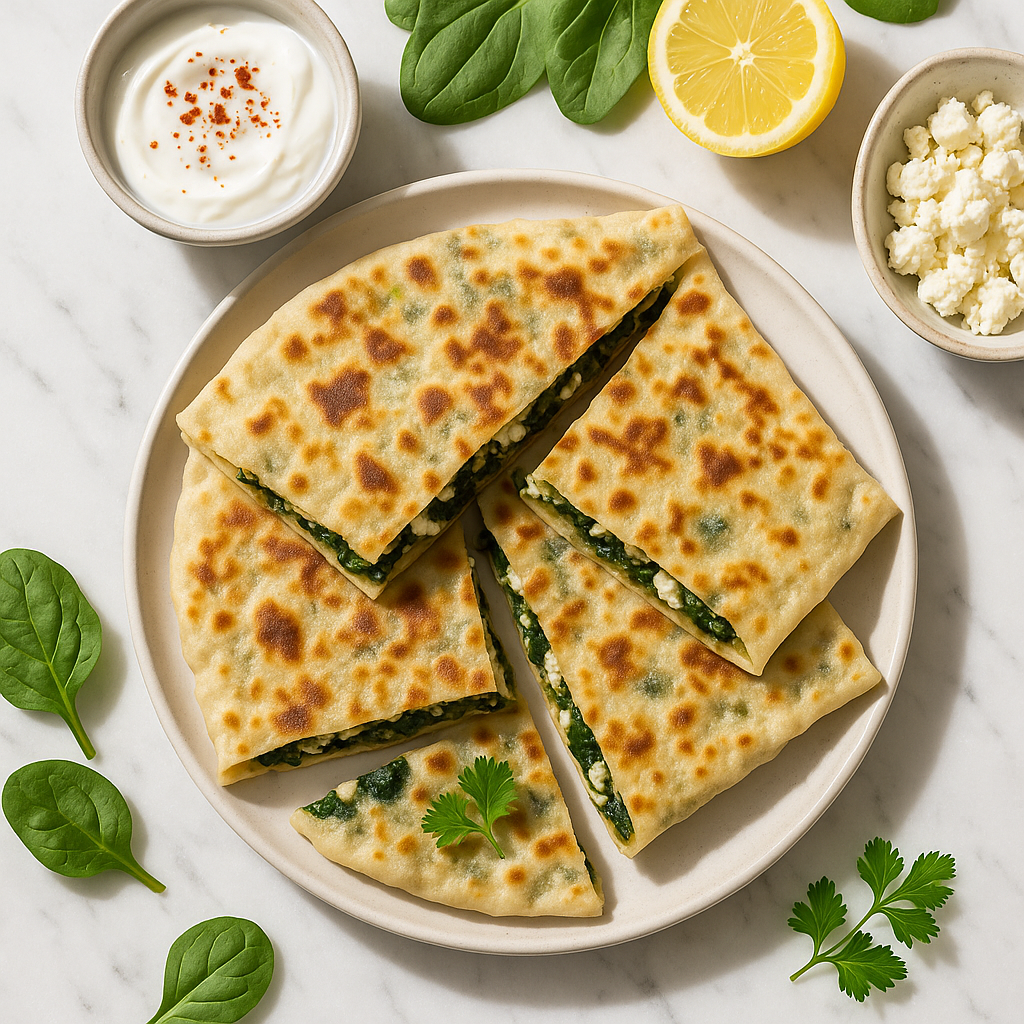
Gozleme Turkish Stuffed Flatbread with Spinach and Feta (High-Protein Healthy Version)
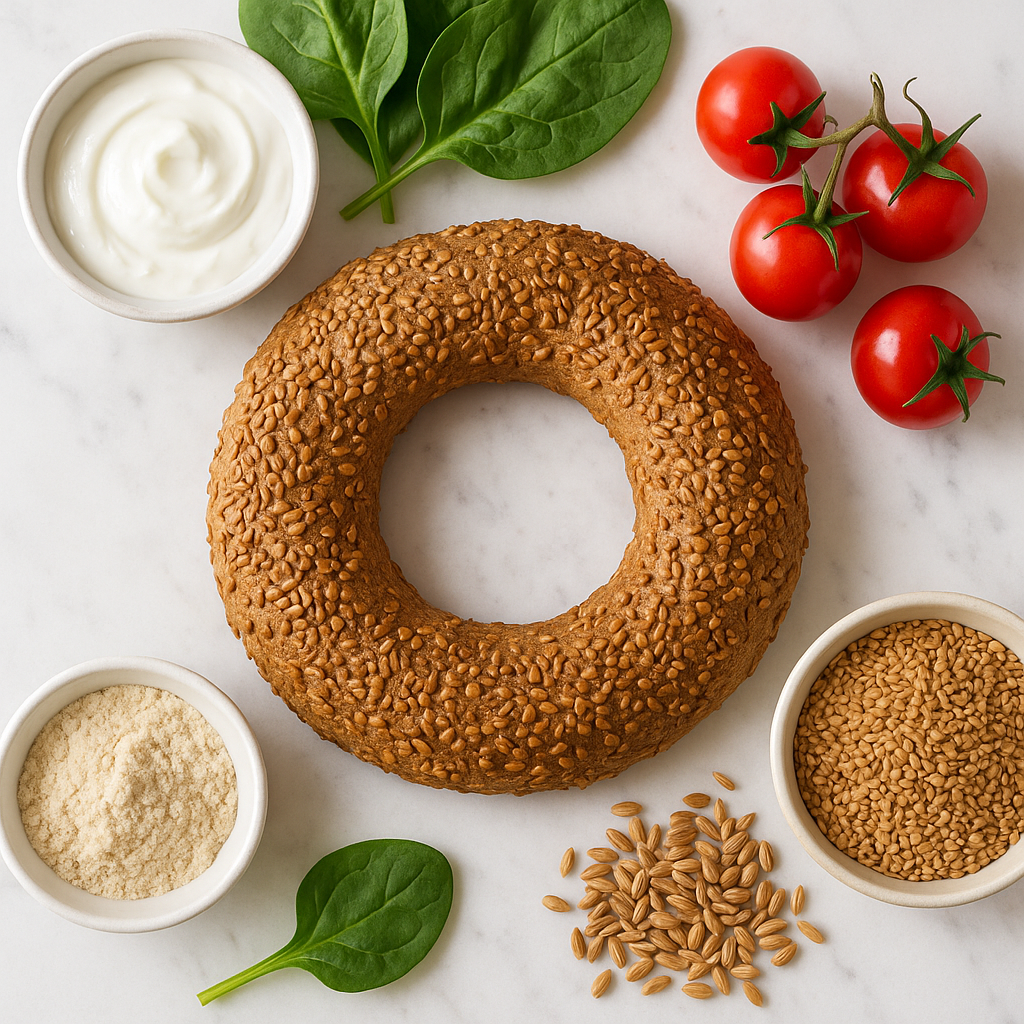
Healthy Simit Turkish Sesame Bread Ring Recipe with Whole Wheat and Protein Boost