Kahvalti Style Full Turkish Breakfast Spread at Home (Healthy Version)
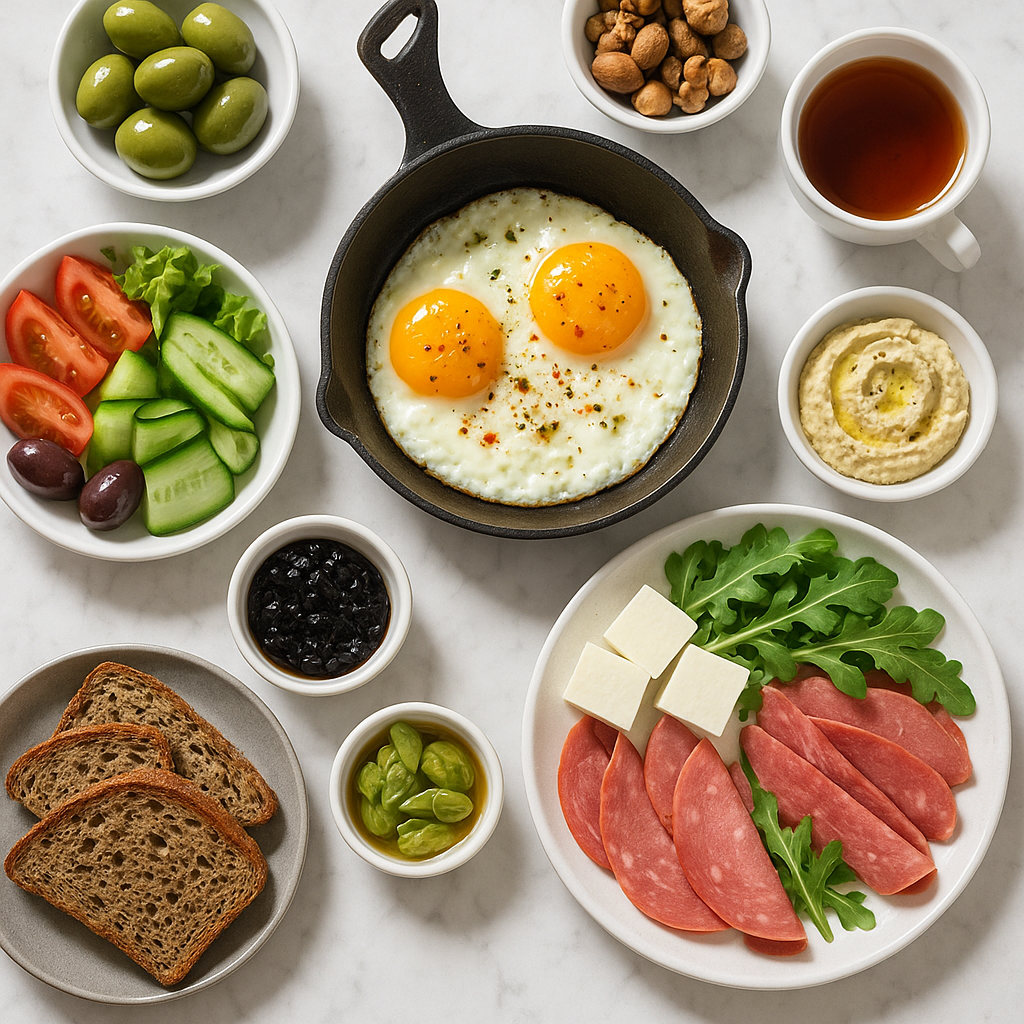
There is something genuinely magical about sitting down to a table covered in small plates, each one holding something a little different. That is exactly what a kahvalti style full Turkish breakfast spread at home feels like. It is not a single dish you finish and move on from. It is an experience, a slow and joyful ritual where the table does the talking and you just keep picking, tasting, and refilling your tea glass. This version keeps all that warmth and generosity while nudging the nutrition in a smarter direction, more protein, more fibre, and far less added sugar than the spreads you might find at a traditional Turkish guesthouse.
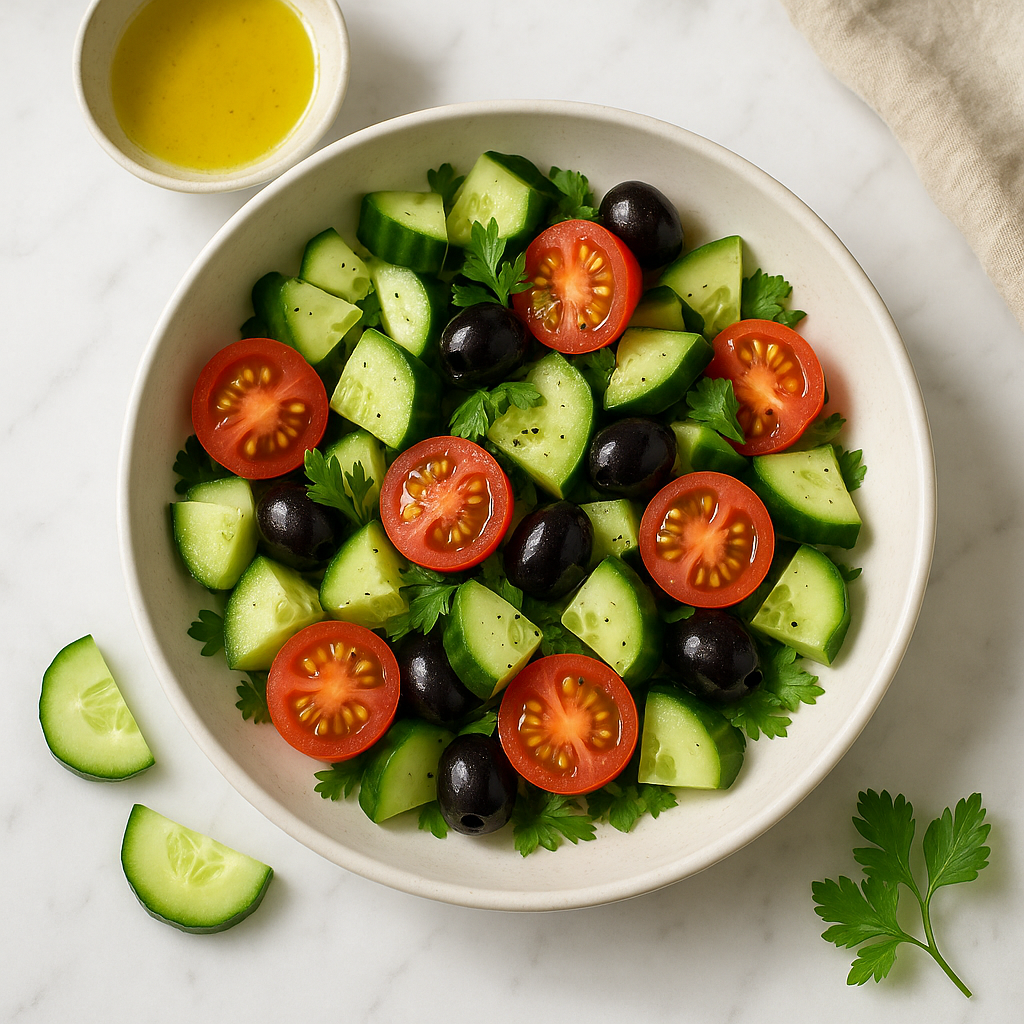
The heart of this healthy kahvalti spread is the menemen, a lightly spiced scrambled egg dish cooked with tomatoes, capsicum, and a touch of cumin. Eggs are the protein anchor of the whole table, and this version leans into that. Alongside the menemen sits a small bowl of strained low-fat yogurt dressed with olive oil and dried mint, a bowl of cucumber and tomato slices scattered with sumac and a drizzle of extra virgin olive oil, a simple white bean dip with lemon and garlic instead of the heavier kaymak, and a handful of olives, both green and black. Wholegrain sourdough replaces the classic white simit or white bread, giving you a meaningful fibre boost without sacrificing the satisfaction of tearing off a piece and dragging it through something delicious. A small dish of raw walnuts and a lightly sweetened fig and date paste round things out, offering natural sweetness without any refined sugar.
Building a spread like this at home is much more approachable than it looks. Most of the components require zero cooking. The cucumber and tomato plate takes about three minutes. The yogurt dip comes together while the menemen cooks. The white bean dip can be blitzed in under five minutes. The trick to making it feel like a proper kahvalti rather than just a few things on a table is using small plates and bowls, as many as you have, and spacing them out so the table looks abundant. Colour matters too. Deep green olives next to bright red tomatoes, creamy white yogurt beside golden egg yolk, all of it creates that visual richness that makes the meal feel like an occasion. Turkish breakfast is as much about atmosphere as it is about food, and you can absolutely recreate that at home on a weekend morning without any stress.
From a nutrition perspective, this spread delivers impressively well. The menemen alone provides a solid hit of protein from eggs, and the white bean dip adds plant-based protein and fibre that keeps you full well past the usual mid-morning slump. The olives contribute heart-healthy monounsaturated fats, and the fresh vegetables bring a steady stream of vitamins and antioxidants. By swapping refined bread for wholegrain sourdough and skipping sugary jams in favour of the fig and date paste, you cut the glycaemic load significantly. Strained low-fat yogurt keeps the calcium and probiotic benefits while trimming the saturated fat compared to full-fat kaymak. This is not a scaled-down or compromised breakfast. It is a thoughtful one, and honestly, once you have sat around a table like this on a slow Saturday morning with a pot of strong black tea brewing in the background, your idea of what breakfast can be will shift permanently.
Ingredients
- 6 large free-range eggs (for the menemen)
- 2 medium ripe tomatoes (finely chopped, divided between menemen and salad plate)
- 1 medium green capsicum (finely diced, for the menemen)
- 1 small brown onion (finely diced)
- 1 teaspoon ground cumin
- 0.5 teaspoon smoked paprika
- 0.5 teaspoon dried chilli flakes (optional, adjust to taste)
- 2 tablespoons extra virgin olive oil (divided across multiple components)
- 400 g canned white beans (rinsed and drained, for the dip)
- 2 cloves garlic (1 for dip, 1 for menemen)
- 2 tablespoons fresh lemon juice (for the white bean dip)
- 1 tablespoon tahini (for the white bean dip)
- 300 g low-fat strained yogurt (Greek-style or labneh)
- 1 teaspoon dried mint (for the yogurt dip)
- 2 medium Lebanese cucumbers (sliced into rounds)
- 1 teaspoon ground sumac (for the salad plate)
- 100 g mixed olives (green and black, pitted)
- 40 g raw walnuts (halves or roughly chopped)
- 6 large dried figs (stems removed)
- 6 large medjool dates (pitted)
- 0.5 teaspoon ground cinnamon (for the fig and date paste)
- 4 thick slices wholegrain sourdough bread (or seeded wholemeal bread)
- 60 g reduced-fat white cheese (such as low-fat feta or Turkish beyaz peynir, crumbled)
- 1 tablespoon cold water (for the fig and date paste if needed)
Instructions
- 1
Start with the fig and date paste since it benefits from sitting at room temperature. Place the figs and pitted dates in a small food processor with the cinnamon. Blitz until a rough paste forms. If the mixture is very thick, add a tablespoon of cold water and blitz again. Scrape into a small serving bowl and set aside.
The paste keeps well in the fridge for up to 5 days, so you can make this one ahead of time on a Friday night.
- 2
Make the white bean dip next. Drain and rinse the white beans thoroughly. Add them to the food processor along with 1 clove of garlic, the lemon juice, tahini, a pinch of salt, and 1 tablespoon of olive oil. Blitz until smooth and creamy. Taste and adjust lemon or salt as needed. Spoon into a small bowl and drizzle with a tiny bit more olive oil and a light dusting of smoked paprika.
For an even smoother dip, peel the white beans first by gently squeezing them between your fingers. It takes an extra few minutes but makes a noticeable difference in texture.
- 3
Prepare the yogurt dip by spooning the strained yogurt into a bowl. Use the back of a spoon to create a swirl pattern in the surface. Drizzle with half a teaspoon of olive oil and scatter the dried mint over the top. Place in the fridge until the spread is ready to serve.
- 4
Assemble the cucumber and tomato salad plate. Slice the cucumbers into rounds and quarter one of the ripe tomatoes into wedges. Arrange them together on a flat plate or small board. Sprinkle the sumac over the top and finish with a drizzle of olive oil and a tiny pinch of salt.
Adding a few fresh mint leaves on top of this plate gives it a lovely brightness and looks very inviting on the table.
- 5
Pour the olives into a small bowl. Place the walnuts in a separate small dish. Crumble the white cheese into another small plate or bowl. Arrange all these cold components on the table or a large tray so everything is ready before you begin cooking the hot dish.
- 6
Now cook the menemen. Heat 1 tablespoon of olive oil in a medium non-stick pan over medium heat. Add the diced onion and cook for 3 to 4 minutes until softened. Add the remaining garlic clove, minced, and the diced green capsicum. Cook for another 2 minutes, stirring occasionally.
Keep the heat at medium rather than high. The menemen should cook gently to stay soft and custardy rather than rubbery.
- 7
Add the second chopped tomato to the pan along with the cumin, the remaining smoked paprika, and the chilli flakes if using. Stir well and cook for 3 to 4 minutes until the tomato breaks down into a soft saucy base.
- 8
Crack the eggs directly into the pan. Using a wooden spoon or silicone spatula, gently fold the eggs through the tomato mixture in slow, wide sweeps. Cook until the eggs are just set but still look slightly glossy and soft, around 2 to 3 minutes. Remove from the heat immediately and season lightly with salt and black pepper.
Menemen should be slightly underdone when you take it off the heat. Residual heat in the pan will finish it off perfectly.
- 9
Toast the sourdough bread slices while the menemen is resting. Arrange everything on the table: the menemen in the pan or a warm serving dish, the toasted bread in a basket or on a wooden board, and all the small plates and bowls spread across the table generously. Brew a strong pot of black tea to serve alongside.
Use as many small plates, bowls, and little dishes as you own. The visual abundance is half the magic of a kahvalti spread.
Nutrition per serving
420kcal
Calories
26g
Protein
38g
Carbs
17g
Fat
8g
Fibre
11g
Sugar
480mg
Sodium
Pro Tips
- ✓
Set up all cold components before you touch the stove. The menemen cooks fast, and you want the table to be ready when it comes off the heat.
- ✓
Black tea is non-negotiable for an authentic kahvalti atmosphere. Use a double teapot if you have one, brewing the tea strong in the top pot and diluting with hot water from the bottom.
- ✓
Small ceramic or glass bowls make the spread look far more impressive than serving everything on large plates. Raid your cupboards for any small vessels you have.
- ✓
If you want to add a little more colour, a small plate of sliced radishes or a few sprigs of fresh flat-leaf parsley work beautifully on a kahvalti table.
- ✓
The bread is for scooping and dipping, not just eating on the side. Encourage guests to tear pieces and drag them through the menemen, yogurt dip, and white bean dip.
Frequently Asked Questions
Variations
- •
Vegan Kahvalti Spread
Replace the eggs and menemen with a spiced tofu scramble using the same tomato and capsicum base. Swap the strained yogurt for a thick coconut yogurt, and use a vegan cheese or simply skip the white cheese. All other components in this spread are already vegan.
- •
High Protein Kahvalti
Add two extra eggs to the menemen and replace the white bean dip with a Turkish-style high-protein hummus made from chickpeas and extra tahini. Serve a small bowl of cottage cheese alongside the strained yogurt for a double protein dairy element.
- •
Gluten-Free Kahvalti
Simply swap the wholegrain sourdough for a seeded gluten-free loaf or serve with corn crackers and large cucumber rounds for scooping. Every other component in this spread is naturally gluten-free.
- •
Quick Weekday Kahvalti
For a faster morning version, skip the menemen and serve soft boiled eggs instead. Halve the number of small plate components to just yogurt dip, cucumbers and tomatoes, olives, and bread. This comes together in under 15 minutes.
Substitutions
- •Low-fat strained yogurt → Coconut yogurt (Use a thick, unsweetened coconut yogurt for a dairy-free version. The texture works well with the dried mint dressing.)
- •White beans → Chickpeas (Chickpeas make an excellent dip with the same lemon, garlic, and tahini combination. The flavour is nuttier and slightly richer.)
- •Wholegrain sourdough → Seeded gluten-free bread (Any dense seeded bread works for scooping and dipping. Avoid soft sandwich bread as it does not hold up well when dragged through dips.)
- •Medjool dates → Dried apricots (Unsulphured dried apricots give a lovely tangy sweetness to the paste and work beautifully with cinnamon.)
- •Reduced-fat feta → Ricotta (A firm low-fat ricotta crumbled on the plate works well if feta is unavailable. The flavour is milder but the texture is similar.)
- •Fresh tomatoes in menemen → Canned crushed tomatoes (Use half a 400g can of crushed tomatoes in place of fresh tomatoes if your fresh ones are not very ripe. The flavour is often better in winter with canned.)
🧊 Storage
Store each component separately in airtight containers in the fridge. The white bean dip and fig and date paste keep for up to 4 days. The yogurt dip keeps for 3 days. The sliced cucumber and tomato salad is best eaten the same day as the cucumbers release water over time. Menemen should be eaten immediately and is not recommended for storing.
📅 Make Ahead
The white bean dip, fig and date paste, and yogurt dip can all be made the night before and refrigerated. Remove them from the fridge 10 to 15 minutes before serving so they come to room temperature and soften slightly. Slice the cucumbers and tomatoes on the morning of serving for the best texture.
You might also like
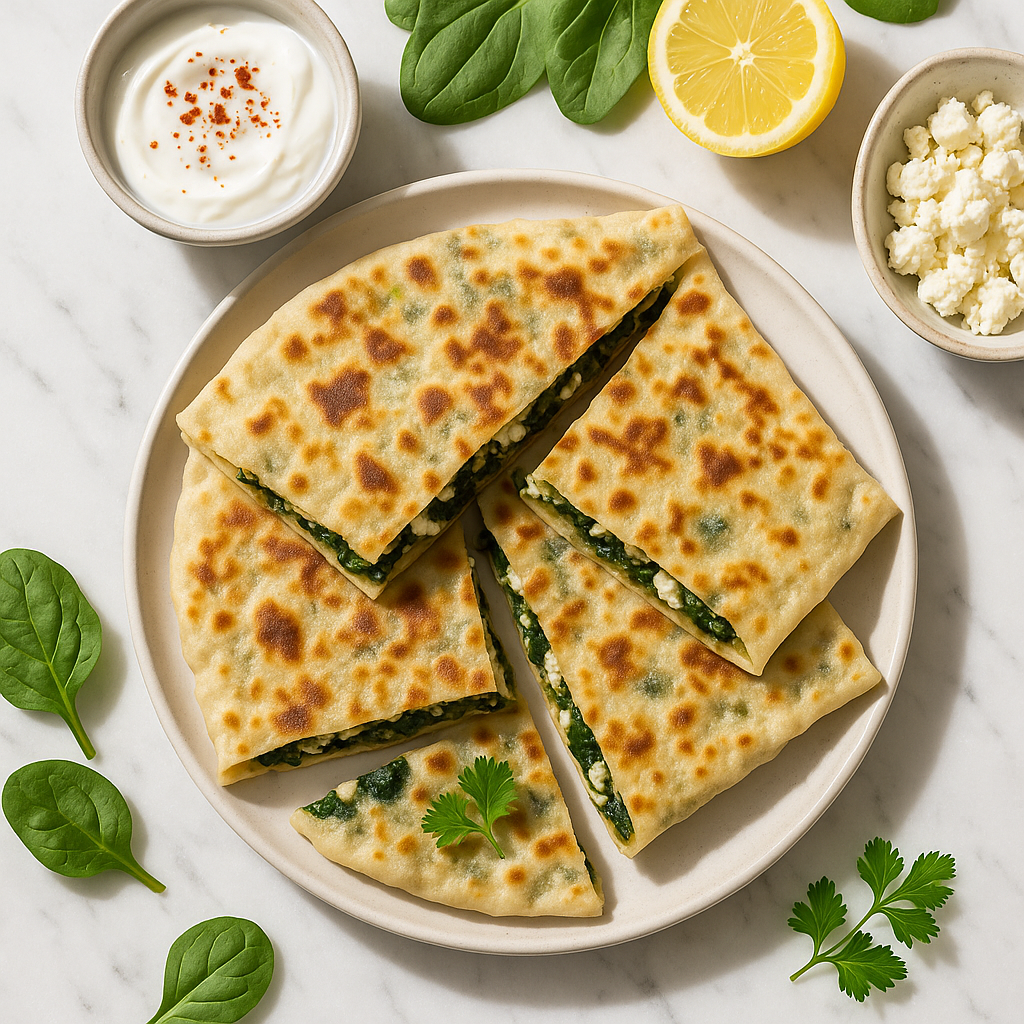
Gozleme Turkish Stuffed Flatbread with Spinach and Feta (High-Protein Healthy Version)
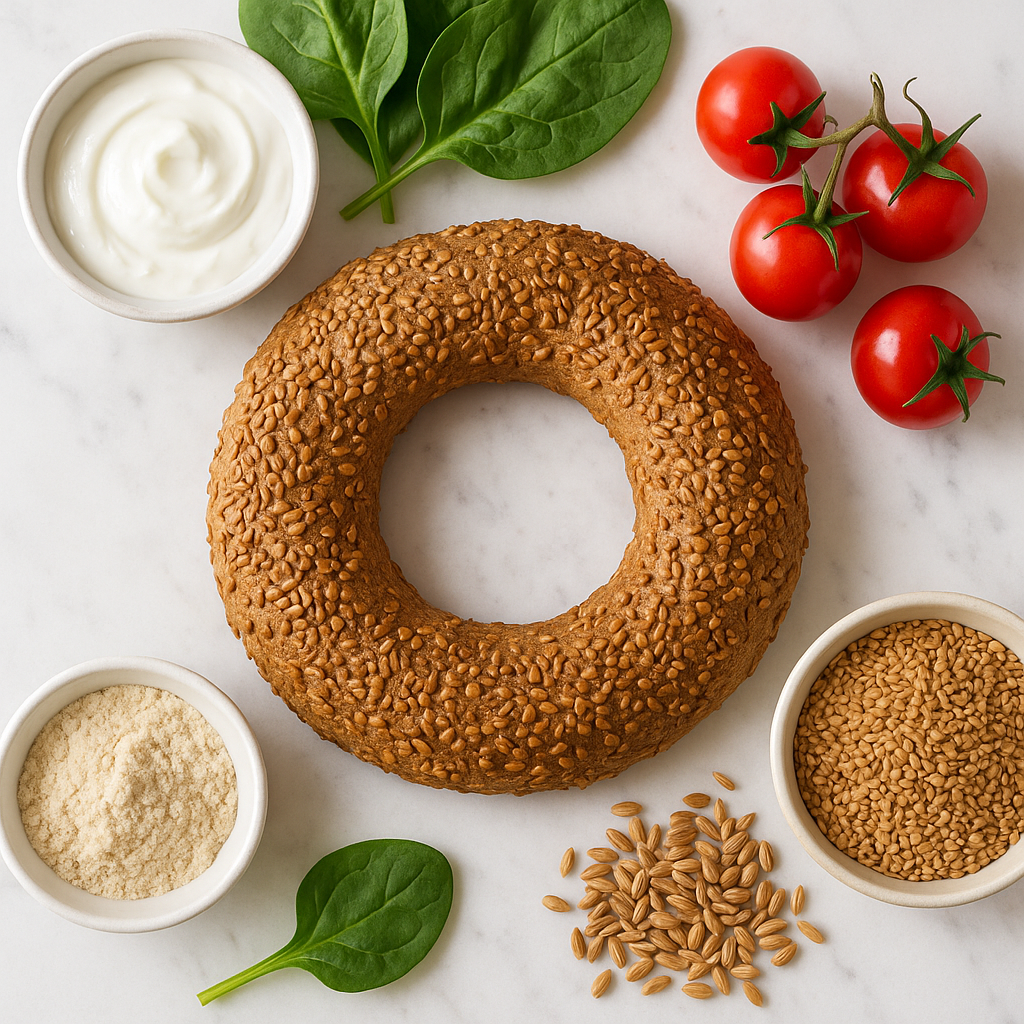
Healthy Simit Turkish Sesame Bread Ring Recipe with Whole Wheat and Protein Boost