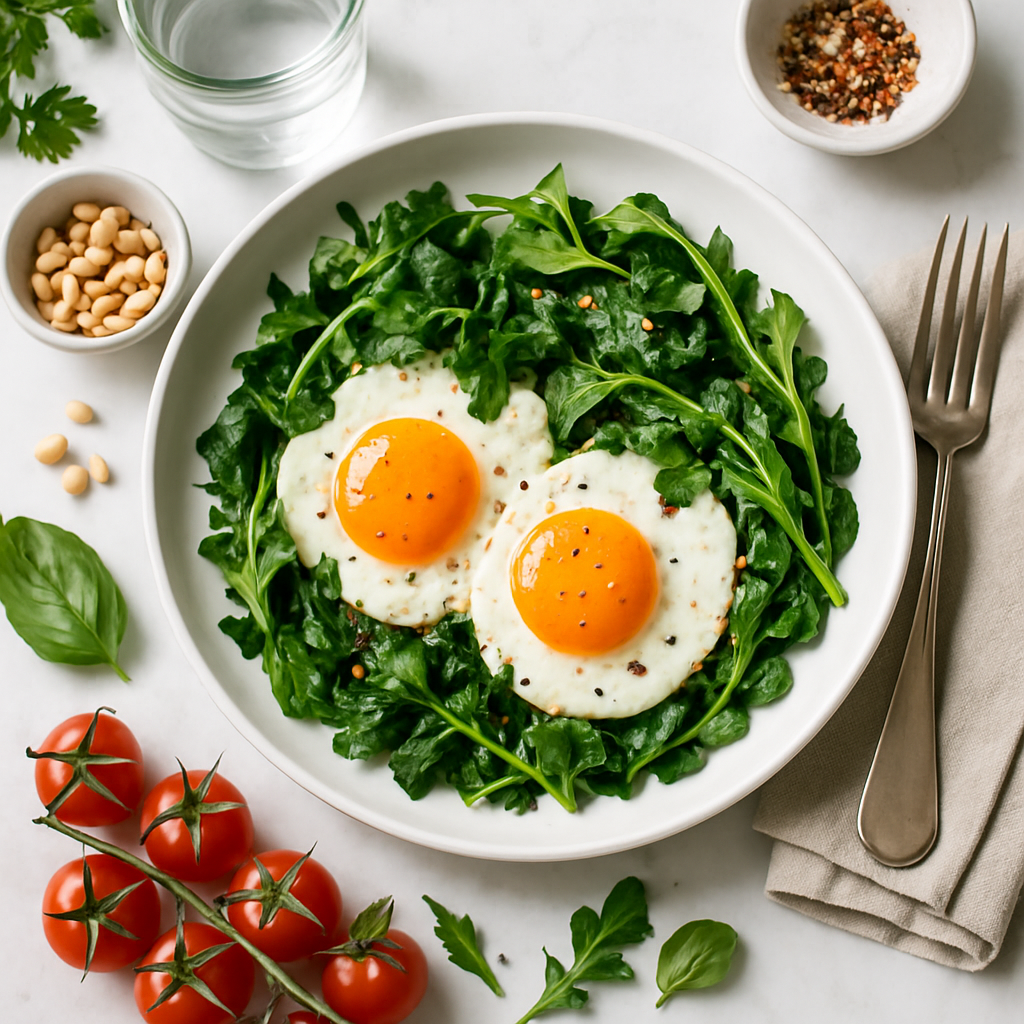
Italian Fried Tomatoes with Eggs Savory Breakfast Skillet
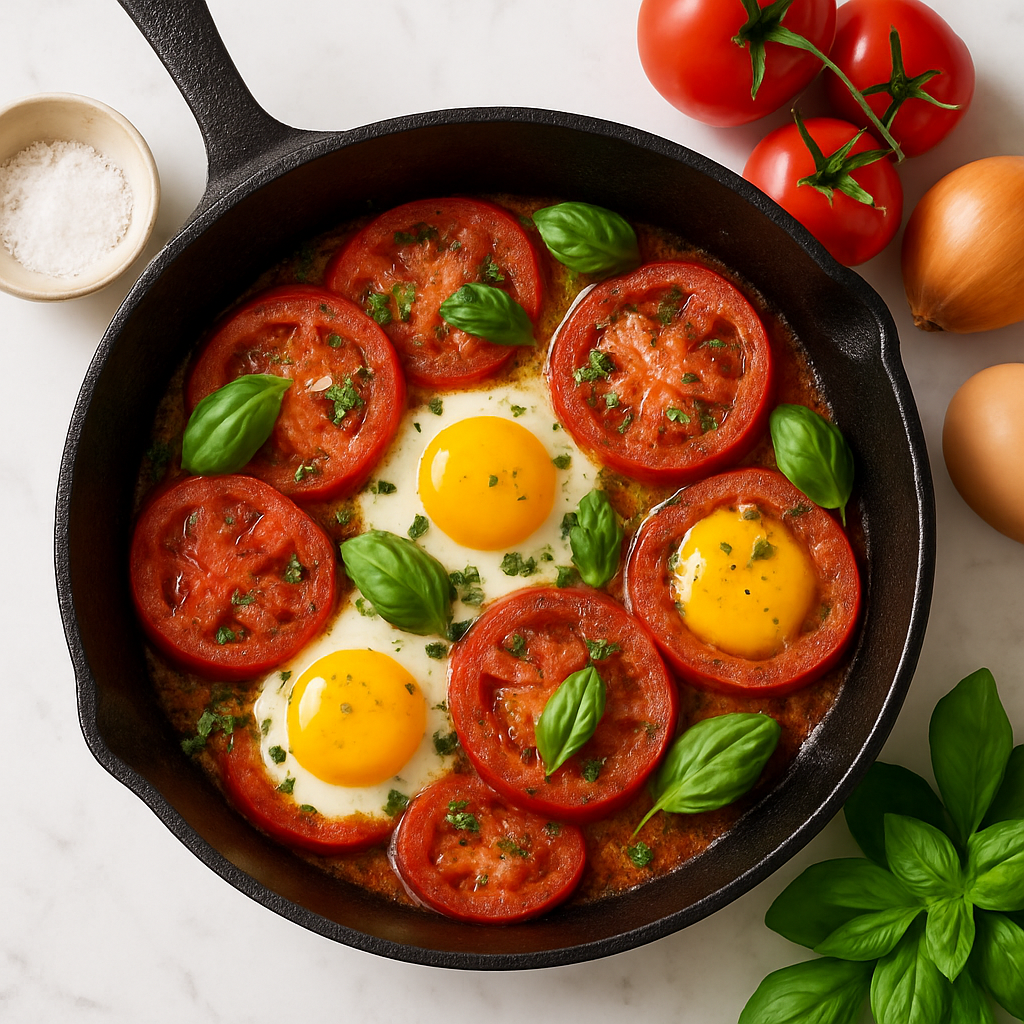
Italian Fried Tomatoes with Eggs Savory Breakfast Skillet is the kind of recipe that earns a permanent spot in your weekly rotation. At 248 calories per serving with 22 grams of protein and only 11 grams of carbohydrates, it delivers serious nutritional value without asking much of your morning. What sets it apart from other egg-based breakfasts is the layered Mediterranean base built from real whole ingredients rather than processed sauces or heavy cheese. You get a genuinely filling, flavourful plate in about 20 minutes, which means it works on a Tuesday before work just as well as a relaxed Sunday morning. It also clears three diet flags at once: high protein, keto, and gluten-free, so it fits a wide range of eating goals without any modifications needed. Compared to a standard scrambled egg breakfast, this skillet brings fibre, lycopene-rich tomatoes, and anti-inflammatory herbs into the mix, making it far more complete as a morning meal. It is the kind of dish that feels like you put in real effort, even when you did not.
Extra virgin olive oil starts the whole process. It is not just a cooking fat here. It carries the fat-soluble compounds from the garlic and herbs into the dish and contributes heart-healthy monounsaturated fats that help the body absorb the lycopene from the tomatoes more efficiently. The 300 grams of cherry tomatoes are the backbone of the flavour, bringing natural sweetness, vitamin C, and that slow-cooked depth when they blister in the pan. Garlic adds allicin, a compound with well-documented antimicrobial and cardiovascular benefits, and it rounds out the savoury base beautifully. Dried oregano and chilli flakes are functional as well as flavourful. Oregano is rich in antioxidants and gives the dish its Italian character, while the chilli flakes add a gentle heat that increases circulation without overpowering anything. Passata thickens the sauce just enough to hold the eggs in place. Baby spinach brings 4 grams of fibre to the total along with iron, magnesium, and folate. The four large free-range eggs deliver the 22 grams of protein. Reduced-fat feta adds a salty, creamy finish with less saturated fat than standard feta, and fresh basil ties everything together with brightness.
When you first add the cherry tomatoes to a hot skillet with olive oil, they hiss and start to collapse at the edges, releasing their juice and turning a deep, burnished red. The smell at that point, garlic hitting the oil alongside dried oregano, is instantly recognisable as something Mediterranean and warming. The passata goes in next and the whole mixture thickens into a chunky, glossy sauce that is not too wet and not too dry. Spinach wilts down quickly and blends into the sauce, adding soft green flecks throughout. The eggs are cracked directly into wells you press into the sauce, then the lid goes on so the steam finishes the whites while the yolks stay soft and runny. That contrast between the set white and the still-liquid yolk matters. When you break into it, the yolk runs into the tomato sauce and creates something that tastes almost like a richer, creamier version of shakshuka. The feta crumbled on top adds little pockets of salt and creaminess, and the torn basil leaves give a fresh, faintly anise-like finish that lifts the whole dish.
This recipe is built around a clear health goal: getting a high-protein, low-carbohydrate breakfast on the table that does not leave you reaching for something else an hour later. With 22 grams of protein and 4 grams of fibre, it hits two of the most important satiety levers in one bowl, which matters if you are managing appetite through the morning. For people following a ketogenic diet, the macros sit well within typical daily targets. For anyone eating gluten-free, there is nothing in the ingredient list that poses a cross-contamination risk as long as you check your passata label. People focused on cardiovascular health benefit from the combination of olive oil, garlic, tomatoes, and spinach, all of which have strong evidence linking them to heart health markers. Bodybuilders and active people who need a protein-dense breakfast without a lot of calories will find the 22 grams at 248 calories a very efficient ratio. It is also worth noting for anyone monitoring blood sugar that the low carbohydrate count and the fibre content slow glucose absorption, making this a smart morning choice for people with insulin sensitivity concerns.
This skillet is straightforward to prep ahead, which makes it more practical than it might first appear. You can make the tomato and spinach sauce base up to three days ahead and store it in an airtight container in the fridge. When you are ready to eat, reheat the sauce in the skillet over medium heat, crack in the eggs, and finish with the lid as normal. The sauce also freezes well for up to two months without the eggs. A few genuine variations are worth trying once you have the base recipe down. Swap the feta for ricotta if you want a creamier, milder finish. Add a handful of cooked cannellini beans to the sauce for extra fibre and plant protein, keeping it keto-adjacent rather than strictly keto. If you want more heat, a teaspoon of harissa stirred into the passata gives the sauce a North African edge that works beautifully with the tomatoes and eggs. Scroll down to the full recipe card for the step-by-step method and exact timings.
Ingredients
- 2 tsp extra virgin olive oil (divided)
- 300 g cherry tomatoes (halved, vine-ripened if possible)
- 3 cloves garlic (thinly sliced)
- 1 tsp dried oregano
- 0.5 tsp chilli flakes (adjust to taste)
- 3 tbsp passata (plain, unsalted)
- 80 g baby spinach (fresh)
- 4 large free-range eggs
- 30 g reduced-fat feta cheese (crumbled)
- 10 leaves fresh basil (torn)
- 0.3 tsp sea salt (or to taste)
- 0.3 tsp black pepper (freshly ground)
- 1 tsp lemon zest (optional, brightens the sauce)
Instructions
- 1
Place a large non-stick skillet or cast iron pan over medium heat. Add the olive oil and let it warm for about 30 seconds.
Do not let the oil smoke. Medium heat keeps the garlic from turning bitter.
- 2
Add the sliced garlic and chilli flakes to the pan. Cook for 60 to 90 seconds, stirring frequently, until the garlic is just golden and fragrant.
- 3
Add the halved cherry tomatoes cut-side down. Press them gently with the back of a spoon and cook undisturbed for 3 minutes so they start to char slightly and release their juices.
Resist the urge to stir too early. Letting them sit builds colour and caramelised sweetness.
- 4
Stir the tomatoes, add the dried oregano, passata, salt and pepper. Cook for a further 3 minutes, stirring occasionally, until the sauce thickens slightly.
- 5
Add the baby spinach to the pan and stir it into the tomato sauce. It will wilt down in about 60 seconds.
If your pan looks crowded, add the spinach in two batches.
- 6
Using a spoon, create four small wells in the tomato and spinach mixture, spacing them evenly. Crack one egg into each well.
Crack the eggs into a small bowl first to avoid shell fragments and to check the yolk is intact.
- 7
Reduce the heat to medium-low. Cover the pan with a lid and cook for 4 to 5 minutes for soft, runny yolks or 6 to 7 minutes for fully set yolks.
Check at the 4-minute mark. The whites should be opaque and just set at the edges of the yolk.
- 8
Remove the pan from the heat. Scatter over the crumbled feta, torn fresh basil and lemon zest if using. Serve immediately straight from the pan.
A crack of extra black pepper right at the end makes a real difference.
Nutrition per serving
248kcal
Calories
22g
Protein
11g
Carbs
13g
Fat
4g
Fibre
7g
Sugar
390mg
Sodium
Pro Tips
- ✓
Use the ripest tomatoes you can find. Overripe cherry tomatoes that are slightly soft work beautifully here as they break down faster and taste sweeter.
- ✓
A lid is essential for cooking the eggs evenly. If you do not have one, a large baking tray placed over the pan works as a substitute.
- ✓
Do not skip the passata. It binds the sauce just enough to stop the eggs from spreading too thin across the pan.
- ✓
If you prefer firmer eggs, finish the pan under a medium grill for 2 minutes instead of using a lid. This sets the tops quickly without overcooking the sauce.
- ✓
Make the tomato base the night before and refrigerate it. In the morning, reheat it in the skillet and add the eggs. You will have breakfast on the table in under 10 minutes.
- ✓
For extra protein, stir a tablespoon of hemp seeds into the tomato sauce before adding the eggs. They are virtually tasteless but add around 3 grams of protein per serving.
Frequently Asked Questions
Variations
- •
Spicy Calabrian Style
Double the chilli flakes and add a teaspoon of smoked paprika to the tomato base. Swap the feta for a light dusting of dried ricotta. This version has a bolder, smokier character inspired by Southern Italian cooking.
- •
White Bean and Tomato Eggs
Stir in half a can of drained cannellini beans with the passata for an extra fibre and protein boost. The beans absorb the tomato flavour beautifully and make the dish even more filling without adding significant calories.
- •
Herb Garden Version
Replace the dried oregano with a mix of fresh thyme, fresh flat-leaf parsley and fresh chives stirred in at the end. This creates a brighter, lighter flavour profile that works especially well in spring and summer.
- •
Dairy-Free Version
Simply omit the feta or replace it with a tablespoon of nutritional yeast sprinkled over the top. Nutritional yeast adds a savoury, slightly cheesy note without any dairy. It also contributes B vitamins.
Substitutions
- •Cherry tomatoes → Canned plum tomatoes (Use a 400g can, drain slightly and crush by hand before adding. The sauce will be slightly less sweet but works well out of season.)
- •Baby spinach → Kale or Swiss chard (Remove thick stems and chop roughly. These heartier greens take an extra 2 minutes to wilt fully. They add more iron and a slightly earthier flavour.)
- •Reduced-fat feta → Ricotta or goat cheese (Both melt slightly into the hot sauce and add creaminess. Ricotta is lower in sodium, goat cheese is tangier.)
- •Free-range eggs → Quail eggs (Use 8 quail eggs instead of 4 chicken eggs. Reduce the covered cooking time to 2 to 3 minutes. They look stunning and cook faster.)
- •Passata → Tomato puree diluted with water (Mix 1 tablespoon of tomato puree with 2 tablespoons of water to replace 3 tablespoons of passata. The flavour will be slightly more concentrated, so use sparingly.)
🧊 Storage
The tomato and spinach base can be stored in an airtight container in the refrigerator for up to 2 days. Once the eggs are added and cooked, the dish is best eaten immediately. Cooked eggs do not reheat well and the yolks will become rubbery. If storing leftovers, keep the egg and sauce portions separate where possible.
📅 Make Ahead
Prepare the garlic tomato and spinach sauce base fully, cool it and refrigerate for up to 48 hours. In the morning, tip the sauce into a skillet over medium heat, warm for 2 to 3 minutes until bubbling gently, then create the wells and cook the eggs fresh. This cuts your active morning cooking time to under 10 minutes.
You might also like
Italian Ricotta Frittata Recipe: High Protein Spinach and Sun-Dried Tomato
Italian Baked Frittata with Peas and Vegetables (High Protein, Low Calorie)