Homemade Turkish Rose Jam Recipe for Kahvalti (Lower Sugar, Higher Fibre)
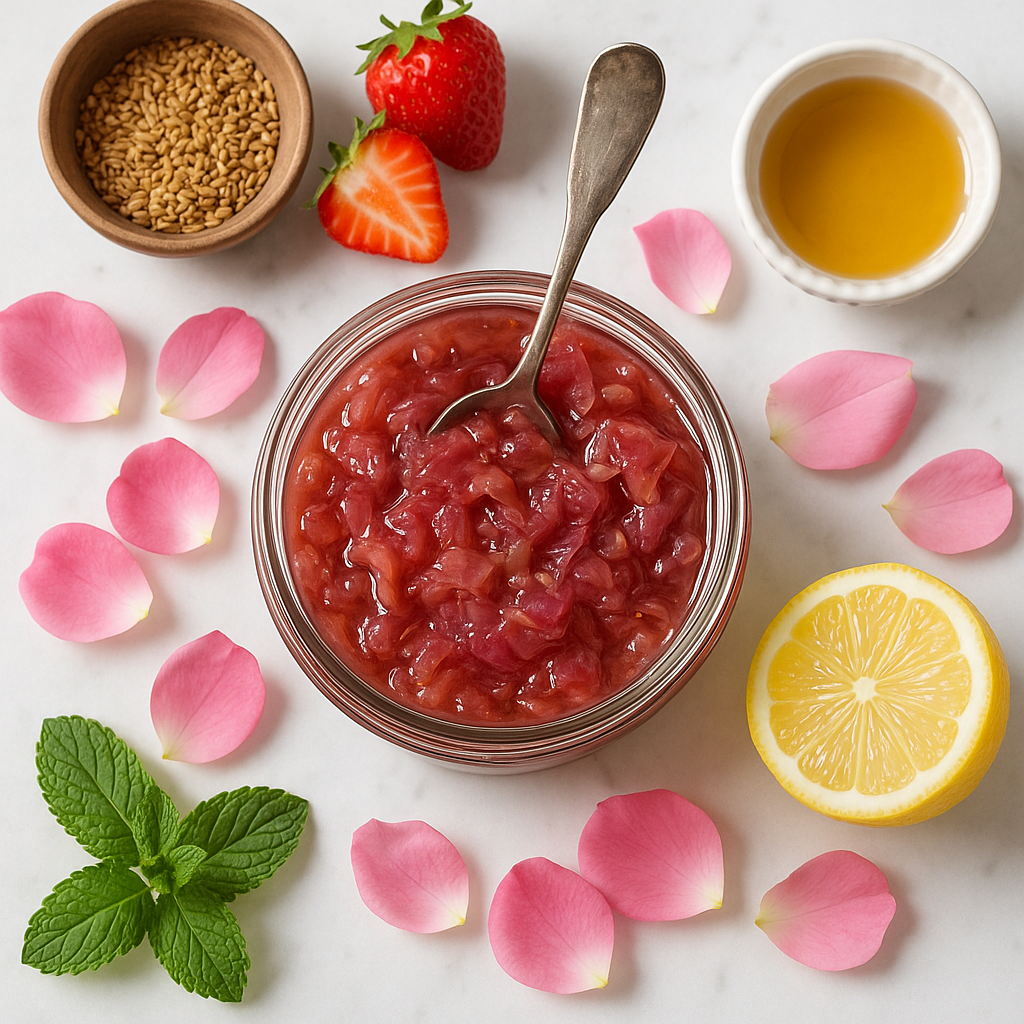
There is something genuinely magical about sitting down to a Turkish kahvalti spread. That word, kahvalti, literally means 'before coffee' and it perfectly captures the spirit of a long, leisurely morning table loaded with small bites, cheeses, olives and little pots of homemade jam. Rose jam, or gül reçeli, is one of the most beloved additions to that table. The scent alone is enough to make you feel like you are somewhere beautiful. This version brings all of that romance to your morning while cutting back significantly on the refined sugar that traditional recipes rely on so heavily.
Most classic Turkish rose jam recipes use a ratio of roughly ten parts sugar to one part petals, which creates a beautiful preserve but one that is more confection than nourishment. Here, we swap the majority of that refined white sugar for raw honey and a small amount of coconut sugar, both of which carry a lower glycaemic load and bring their own depth of flavour. We also stir in chia seeds at the end of cooking, which thickens the jam naturally as it cools and adds a genuine fibre and omega-3 boost you simply do not get from a traditional recipe. The result is a jam that sets beautifully, spreads like silk, and actually contributes something worthwhile to your morning.
The most important thing you can do before making this recipe is source the right rose petals. You need organic, food-grade rose petals that have never been treated with pesticides or chemical sprays. Damask roses, known as Rosa damascena, are the traditional choice for Turkish rose preserves and are worth seeking out at farmers markets, specialty grocers or reputable online suppliers during late spring and early summer. If you can only find dried organic petals, those work too, just use about a third of the quantity since dried petals are far more concentrated. Fresh petals should be used the day you pick or buy them for the brightest colour and most vibrant flavour. A quick rinse in cold water and a gentle pat dry is all the preparation they need.
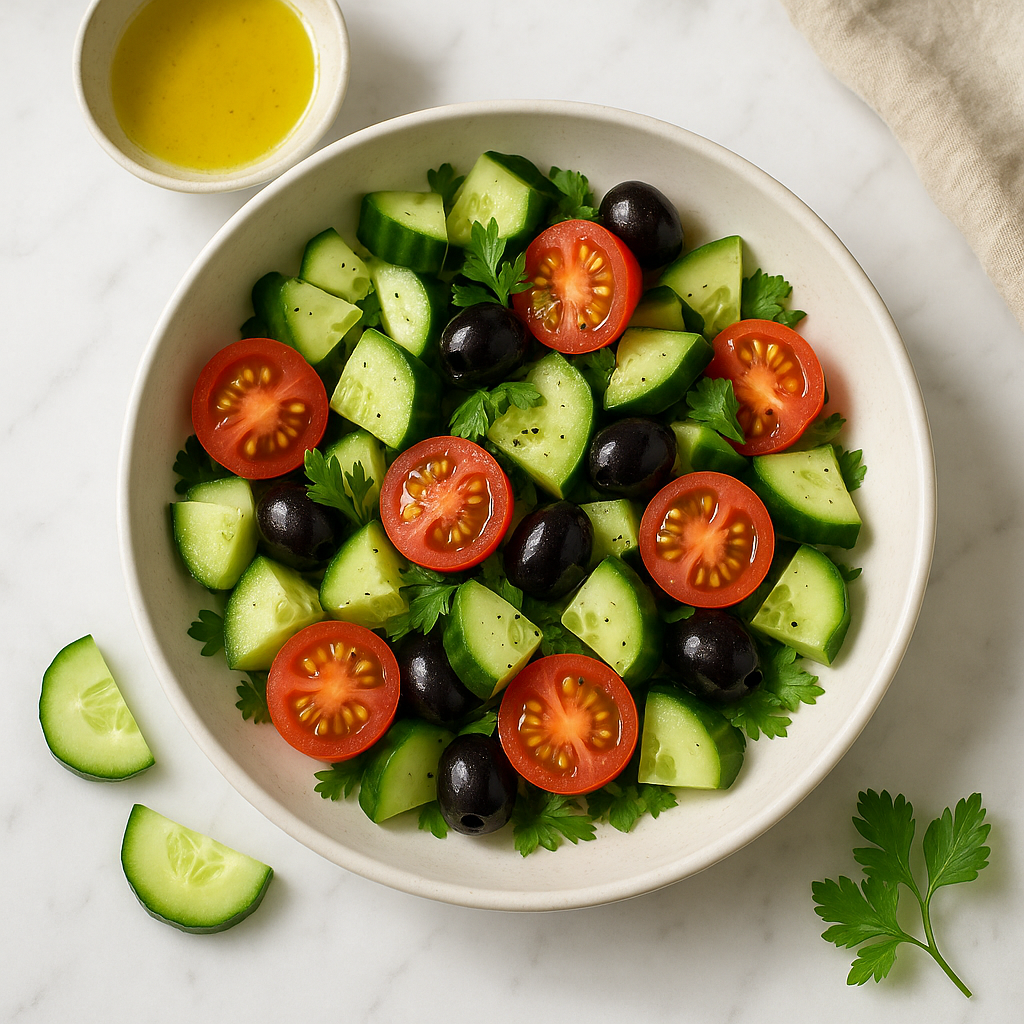
Serving this jam as part of a full kahvalti spread is a genuine pleasure. Spoon it onto whole grain sourdough toast or a slice of seeded rye bread, pair it alongside a bowl of full-fat Greek yogurt drizzled with a little extra honey, and set out some cucumber slices, a wedge of white cheese and a handful of olives. That combination gives you a breakfast that is high in protein, rich in fibre and genuinely satisfying for hours. The rose jam itself, used as a spread rather than eaten by the spoonful, contributes a lovely floral sweetness without tipping your morning sugar intake into difficult territory. A single jar of this keeps beautifully in the fridge for up to three weeks, making it a fantastic thing to prepare on a quiet weekend afternoon for the whole week ahead.
Ingredients
- 80 g fresh organic rose petals (Damask roses preferred, rinsed and patted dry, white bases trimmed off)
- 350 ml filtered water
- 3 tbsp fresh lemon juice (from approximately 1 large lemon)
- 1 tsp lemon zest (finely grated, adds brightness and natural pectin)
- 160 g raw honey (use a light floral variety so it complements rather than overpowers the rose)
- 40 g coconut sugar (adds depth and a gentle caramel note)
- 2 tbsp white chia seeds (stirred in at the end, acts as a natural thickener and boosts fibre)
- 1 tsp food-grade rose water (optional but intensifies the floral aroma beautifully)
Instructions
- 1
Trim the white or pale base from each rose petal using small scissors. These bitter bases can affect the final flavour. Rinse the petals gently in a colander under cool water and spread them on a clean kitchen towel to dry. Pat gently.
Handle the petals lightly to avoid bruising them, which can darken their colour and muddy the flavour.
- 2
Place the dried petals in a medium heavy-bottomed saucepan. Pour in the filtered water and add the lemon juice and lemon zest. Bring the mixture to a gentle simmer over medium heat, stirring occasionally. Let it simmer uncovered for 8 to 10 minutes until the petals have softened and the water has turned a lovely deep pink colour.
The acid in the lemon juice helps the petals release their pigment and also acts as a natural preservative.
- 3
Remove the saucepan from the heat. Using a fine mesh strainer set over a bowl, strain the liquid from the petals. Press the petals gently with the back of a spoon to extract as much flavoured liquid as possible. Set the strained petals aside, you will add some back into the jam later for texture.
Do not discard all the petals. Reserving about half gives the finished jam lovely floral flecks and a more artisan appearance.
- 4
Return the strained rose liquid to the saucepan over medium-low heat. Add the raw honey and coconut sugar. Stir gently until both are fully dissolved. Increase the heat to medium and bring the mixture to a steady, rolling simmer. Cook for 18 to 22 minutes, stirring occasionally, until the liquid has reduced and thickened slightly. To test, drop a small amount onto a chilled ceramic plate. It should wrinkle slightly and not run freely when you push it with your fingertip.
Keep the heat at a medium rather than high simmer. High heat can destroy the delicate floral compounds and darken the colour.
- 5
Remove the pan from the heat. Stir in the reserved rose petals and the rose water if using. Allow the jam to cool for 5 minutes, then stir in the white chia seeds thoroughly. The chia seeds need to be stirred in off the heat so that honey is not exposed to prolonged high temperatures, preserving more of its beneficial properties.
White chia seeds are preferred here over black ones as they are less visible and do not affect the pale pink colour of the jam.
- 6
Pour the warm jam carefully into sterilised glass jars. To sterilise jars, wash them in hot soapy water, rinse well, then place them upright in a 120 degrees Celsius oven for 15 minutes. Allow the filled jars to cool completely at room temperature before sealing and refrigerating. The chia seeds will continue to absorb liquid as the jam cools, thickening it to a beautiful spreadable consistency.
Do not skip the cooling step before sealing. Trapping steam inside can encourage condensation and shorten shelf life.
Nutrition per serving
28kcal
Calories
0.3g
Protein
6.8g
Carbs
0.3g
Fat
0.6g
Fibre
6.1g
Sugar
1mg
Sodium
Pro Tips
- ✓
Always use organic, unsprayed rose petals. Pesticide residues on petals are not something you want in a jam you eat regularly.
- ✓
Trimming the white petal bases is worth the extra few minutes. Those bases carry a bitter compound that can make your jam taste slightly medicinal.
- ✓
If your jam looks too thin after cooking, do not panic. The chia seeds need 30 to 45 minutes of cooling time to fully hydrate and thicken the mixture.
- ✓
Taste as you go before adding rose water. Some rose petals are intensely fragrant on their own, and a heavy hand with rose water can push the flavour into soap territory.
- ✓
For a deeper pink colour, add a small pinch of hibiscus powder when you add the honey. It is flavourless in small amounts but works brilliantly as a natural colour booster.
- ✓
This jam pairs especially well with labneh, a strained yogurt cheese, as part of a traditional kahvalti spread.
Frequently Asked Questions
Variations
- •
Rose and Cardamom Jam
Add half a teaspoon of freshly ground green cardamom to the pot when you add the honey. Cardamom is a classic partner for rose in Turkish and Middle Eastern cooking and gives the jam a warmly spiced, aromatic quality that works especially well served alongside strong Turkish tea.
- •
Rose and Raspberry Jam
Replace 100ml of the water with fresh or frozen raspberry puree, added at the beginning of the cook. The raspberries deepen the colour to a vivid ruby pink, add natural pectin for a firmer set, and contribute a gentle tartness that balances the floral sweetness of the rose petals beautifully.
- •
Rose and Saffron Jam
Steep a small pinch of good quality saffron threads in 2 tablespoons of warm water for 10 minutes, then add this to the pot along with the honey. Saffron and rose is a pairing that appears throughout Persian and Turkish culinary traditions and produces a jam with extraordinary fragrance and a glowing golden-pink colour.
Substitutions
- •Raw honey → Agave nectar or pure maple syrup (Use the same weight. Agave is the closest in flavour profile for this recipe. Maple syrup adds a slightly earthy note but still works well and keeps the recipe vegan.)
- •Coconut sugar → Light brown muscovado sugar or date sugar (Use the same quantity. Both alternatives carry a similar molasses-like depth. Date sugar is the least refined option and adds a subtle caramel note.)
- •Fresh rose petals → Dried organic food-grade rose petals (Use 25 to 30 grams of dried petals instead of 80 grams fresh. Soak in the water for 10 minutes before cooking to allow them to rehydrate and release their colour.)
- •White chia seeds → Black chia seeds or ground flaxseed (Black chia seeds work identically but will create dark specks in the jam. Ground flaxseed can also thicken the jam but use only 1 tablespoon as it absorbs more liquid and can create a slightly different texture.)
- •Rose water → A few drops of food-grade rose extract (Rose extract is much more concentrated than rose water. Use only 2 to 3 drops in place of a full teaspoon of rose water, then taste before adding more.)
🧊 Storage
Store sealed jars in the refrigerator for up to 3 weeks. Always use a clean, dry spoon when scooping to avoid introducing moisture or bacteria. The jam is not shelf-stable at room temperature due to its reduced sugar content, so refrigeration is essential. If you notice any off smells, discolouration or mould, discard the jar immediately.
📅 Make Ahead
This jam is an ideal make-ahead recipe. Prepare it on a weekend and it will be ready for your kahvalti table all week long. The flavour actually deepens and improves after 24 to 48 hours in the fridge as the rose essence continues to infuse the syrup. You can also freeze the jam in small portions for up to 3 months. Thaw overnight in the refrigerator before using.
You might also like
Gozleme Turkish Stuffed Flatbread with Spinach and Feta (High-Protein Healthy Version)
Healthy Simit Turkish Sesame Bread Ring Recipe with Whole Wheat and Protein Boost