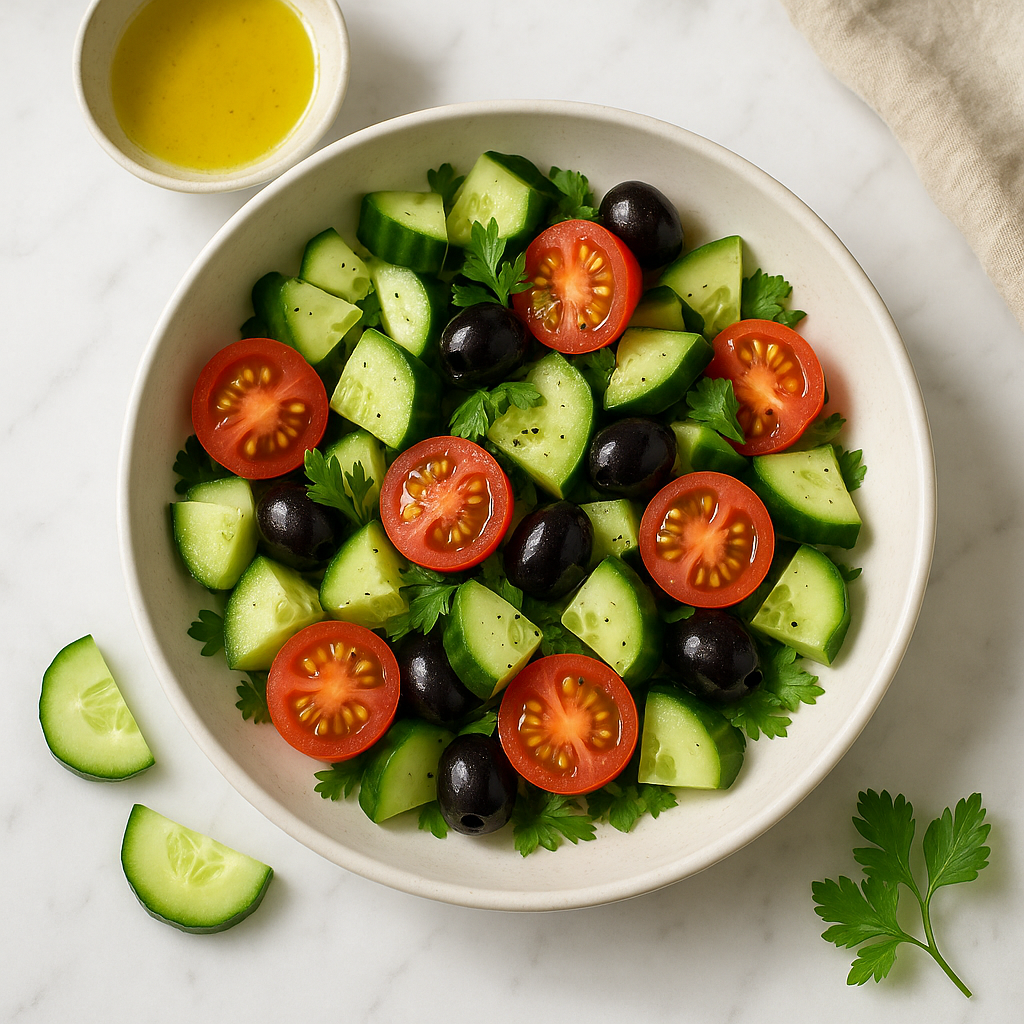
Gluten Free Turkish Breakfast Board with Olives, Eggs and Cheese
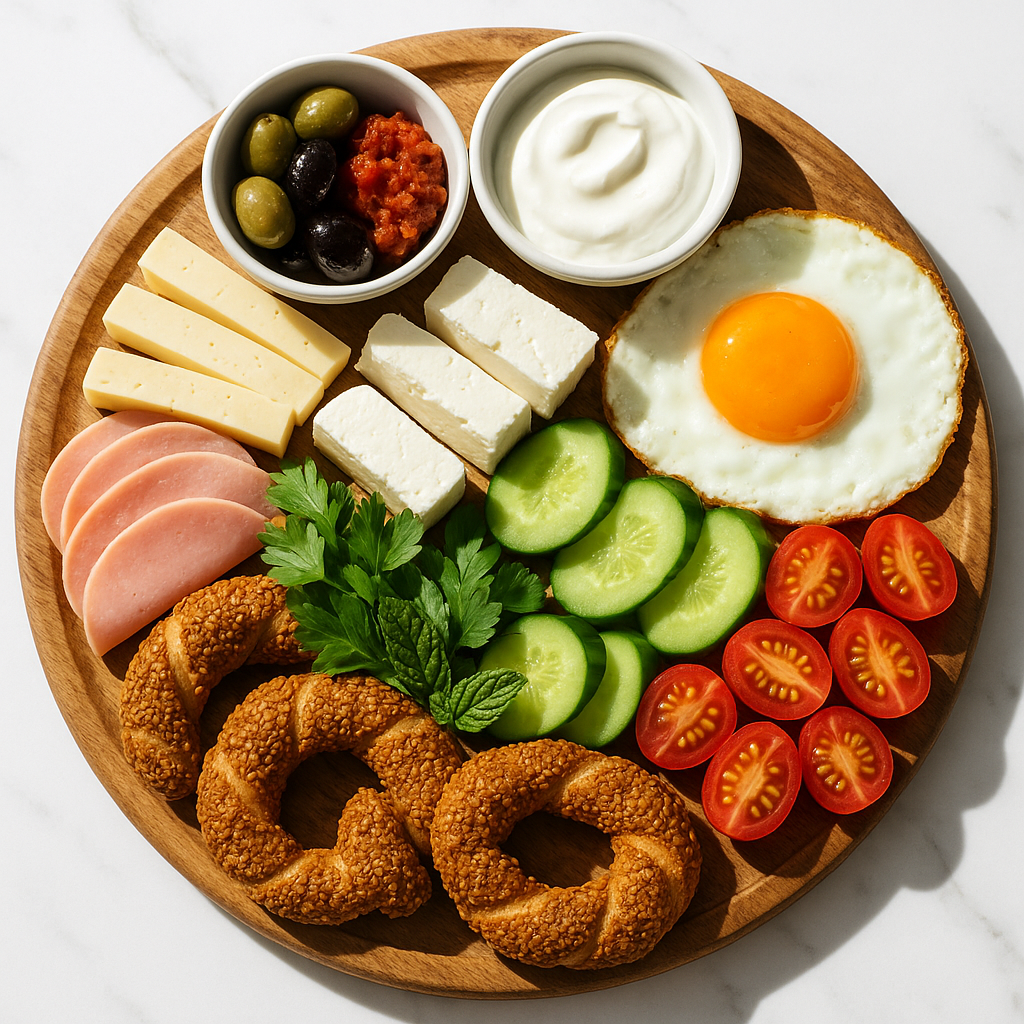
If you have never sat down to a proper Turkish breakfast, you are about to discover the most satisfying way to start your day. Known as kahvalti, the Turkish breakfast tradition is less about a single dish and more about abundance, variety and colour all spread across a table at once. This gluten free Turkish breakfast board with olives, eggs and cheese captures that same spirit, but with a sharper focus on nutrition. Every item earns its place by bringing real protein, fibre or healthy fat to your morning, and nothing here will send your blood sugar on a rollercoaster before 9am.
The centrepiece of this board is a trio of soft-boiled eggs, which clock in at around six grams of protein each and contain every essential amino acid your body needs. Alongside them, you get creamy white feta cheese crumbled generously, rich in calcium and protein, and a small pile of high-quality Kalamata olives loaded with heart-healthy monounsaturated fats and polyphenols. The real secret weapon here is the spiced cucumber and tomato salad. A handful of finely diced cucumber, ripe cherry tomatoes, fresh flat-leaf parsley and a pinch of red chilli flakes dressed with cold-pressed olive oil and lemon juice. It takes five minutes to throw together and adds a burst of fibre, vitamin C and hydration that most breakfast plates completely miss.
To make this board genuinely healthier than a traditional Turkish spread, a few smart swaps come into play. Instead of the usual sesame simit bread, which is delicious but gluten-containing, this recipe uses toasted gluten free seed crackers as the vehicle for cheese and dips. They bring extra fibre from seeds like flax, chia and sunflower without any of the blood sugar spike. A small pot of full-fat plain Greek yogurt replaces the sweetened yogurt that sometimes appears on traditional boards, and a drizzle of raw honey with a scattering of walnuts is offered as an optional corner of sweetness for those who want it. The board also includes a small dish of roasted red pepper and walnut dip, a lighter riff on the classic Turkish muhammara. It is smoky, slightly spicy and incredibly satisfying spread thickly on a seed cracker.
Putting this board together is genuinely easy and requires almost no cooking. The eggs take ten minutes, the dip can be blended in two, and everything else is simply sliced, arranged and drizzled. The visual impact is enormous relative to the effort involved. Use a large wooden board or a wide flat plate and group components loosely rather than separating them rigidly. Let colours sit next to each other. Deep purple olives next to bright yellow yolks, vivid red peppers next to white crumbled feta. This is a breakfast that makes people pause before they eat it, and then reach for seconds the moment they do.
Ingredients
- 4 large eggs (free-range if possible)
- 80 g feta cheese (reduced-fat or full-fat both work)
- 60 g Kalamata olives (pitted, drained)
- 1 medium cucumber (half finely diced, half sliced into rounds)
- 150 g cherry tomatoes (halved)
- 2 tablespoons fresh flat-leaf parsley (roughly chopped)
- 1 teaspoon red chilli flakes (adjust to taste)
- 2 tablespoons cold-pressed extra virgin olive oil (divided)
- 1 tablespoon fresh lemon juice
- 100 g jarred roasted red peppers (drained and patted dry)
- 30 g walnut halves (divided, half for the dip, half for the board)
- 1 small clove garlic (peeled)
- 0.5 teaspoon smoked paprika
- 0.5 teaspoon ground cumin
- 1 teaspoon pomegranate molasses (or substitute with 0.5 tsp balsamic vinegar and 0.5 tsp honey)
- 150 g full-fat plain Greek yogurt (high protein variety recommended)
- 1 teaspoon raw honey (optional, for the yogurt corner)
- 0.5 teaspoon dried oregano (for topping the yogurt)
- 8 pieces gluten free seed crackers (look for flax, chia or sunflower seed varieties)
- 1 pinch flaky sea salt (for finishing)
Instructions
- 1
Bring a small saucepan of water to a rolling boil. Gently lower the eggs in using a spoon and cook for exactly 9 minutes for fully set but still creamy yolks. Transfer immediately to a bowl of cold water and leave for 3 minutes before peeling. Halve them lengthways and set aside.
Older eggs peel more easily than very fresh ones. If the shells are sticking, peel them under a thin stream of cold running water.
- 2
Make the roasted red pepper dip. Add the drained roasted red peppers, 15g of the walnut halves, the garlic clove, smoked paprika, ground cumin, pomegranate molasses and one tablespoon of olive oil to a small blender or food processor. Blitz until smooth but with a little texture remaining. Taste and add a pinch of salt if needed. Spoon into a small serving bowl.
If you prefer a chunkier texture, pulse the blender rather than running it continuously.
- 3
In a small bowl, combine the finely diced cucumber, halved cherry tomatoes and chopped parsley. Drizzle with the remaining tablespoon of olive oil, the lemon juice and the chilli flakes. Toss gently and season with a pinch of sea salt. Leave this to sit for five minutes while you assemble the board, as the juices will meld into a light dressing.
Add a few finely chopped spring onion tops here if you have them for extra bite and colour.
- 4
Spoon the Greek yogurt into a small bowl or directly onto one section of the board. If using, drizzle the raw honey over the top and scatter with dried oregano. The contrast of cool tangy yogurt with the floral honey makes this corner of the board surprisingly addictive.
For extra protein, choose a strained skyr-style yogurt which can have up to 17g of protein per 100g.
- 5
Begin assembling the board. Place the bowls of dip and yogurt first as anchor points, then arrange the egg halves yolk-side up. Crumble the feta generously across one section, scatter the Kalamata olives nearby, and spoon the cucumber tomato salad into its own cluster. Lay the sliced cucumber rounds in a loose overlapping fan. Tuck the seed crackers along one edge of the board and place the remaining walnut halves in a small pile. Finish with a final drizzle of olive oil over the feta and a pinch of flaky sea salt over the eggs.
Work from largest items to smallest when building the board. Bowls and eggs go down first, then crackers, then small scattered garnishes last.
Nutrition per serving
420kcal
Calories
24g
Protein
18g
Carbs
28g
Fat
5g
Fibre
6g
Sugar
680mg
Sodium
Pro Tips
- ✓
Prep all the components the evening before, store each one separately in covered containers in the fridge, and just assemble the board in the morning. The eggs can be boiled ahead and kept unpeeled.
- ✓
A wide wooden charcuterie board, a large flat ceramic plate or even a clean marble pastry board all work beautifully as the base for this spread.
- ✓
If you want to boost the protein content further, add a small dish of hummus made with extra tahini or a couple of slices of turkey breast on the side.
- ✓
Choose olives that are stored in brine rather than oil to keep the sodium slightly lower. Rinse them briefly if you are watching salt intake.
- ✓
Dried thyme or za'atar sprinkled over the feta is an easy way to add authentic Turkish flavour without any extra calories.
- ✓
Cherry tomatoes work better than regular tomatoes here because they hold their shape and do not make the salad watery.
Frequently Asked Questions
Variations
- •
High-Protein Power Board
Add 60g of thinly sliced turkey breast or smoked turkey alongside the cheese and olives. Swap the Greek yogurt for skyr, which has a higher protein content. Include a small pot of cottage cheese alongside the feta for an extra protein hit that still fits the white cheese tradition of Turkish breakfasts.
- •
Vegan Turkish Breakfast Board
Replace the eggs with sliced avocado fanned out on the board and a generous scoop of white bean hummus. Use a firm cashew-based cheese crumbled in place of feta and swap the Greek yogurt for thick coconut yogurt topped with a pinch of za'atar. The olives, salad, dip and seed crackers remain exactly the same.
- •
Spiced Egg Version
Instead of soft-boiled eggs, fry the eggs in a small pan with a teaspoon of olive oil, a pinch of ground cumin, a pinch of turmeric and a scattering of chilli flakes. Serve them on the board still in the pan or transferred to a small cast iron dish for a warm element that contrasts with the cool components around it.
- •
Autumn Harvest Board
Add roasted pumpkin cubes seasoned with cinnamon and a touch of smoked paprika as a seasonal centrepiece. Include sliced green apple fanned out next to the yogurt, and swap the cherry tomatoes in the salad for pomegranate seeds for a jewelled wintery finish.
Substitutions
- •Feta cheese → Turkish beyaz peynir or ricotta salata (Beyaz peynir is the most authentic swap and has a similar crumbly texture and salty flavour. Ricotta salata is milder but still works well on the board.)
- •Kalamata olives → Nicoise olives or green Castelvetrano olives (Castelvetrano olives are buttery and milder if you find Kalamata olives too intense. Green olives add a colour contrast on the board that looks stunning.)
- •Pomegranate molasses → Half teaspoon balsamic vinegar mixed with half teaspoon honey (This combination mimics the tart-sweet depth of pomegranate molasses closely enough that most people cannot tell the difference in the finished dip.)
- •Gluten free seed crackers → Rice cakes or gluten free oat cakes (Plain rice cakes work well as a neutral base for the cheese and dip. Gluten free oat cakes have a slightly more complex flavour that pairs nicely with the feta.)
- •Walnuts → Sunflower seeds or pumpkin seeds (Use these for a nut-free version of the board. Both add crunch and healthy fats without any tree nut allergens.)
- •Greek yogurt → Skyr or thick coconut yogurt (Skyr boosts the protein content significantly. Coconut yogurt makes the board dairy free.)
🧊 Storage
Store each component separately in airtight containers in the fridge. Boiled eggs keep unpeeled for up to 3 days. The roasted red pepper dip keeps for up to 3 days covered in the fridge. The cucumber and tomato salad is best eaten fresh but will keep for 1 day, though it becomes more watery over time. Assembled boards should be eaten within 1 hour at room temperature.
📅 Make Ahead
This board is ideal for make-ahead preparation. Boil the eggs and keep them unpeeled in the fridge for up to 2 days. Make the roasted red pepper dip up to 3 days ahead and refrigerate in a sealed container. Chop and portion the cucumber and tomato salad ingredients but add the dressing just before serving to keep it fresh. On the morning of serving, all you need to do is peel the eggs, plate the yogurt, assemble the board and scatter the garnishes.
You might also like
Gozleme Turkish Stuffed Flatbread with Spinach and Feta (High-Protein Healthy Version)
Healthy Simit Turkish Sesame Bread Ring Recipe with Whole Wheat and Protein Boost