Bazlama Soft Turkish Flatbread Homemade Recipe with Greek Yogurt and Whole Wheat
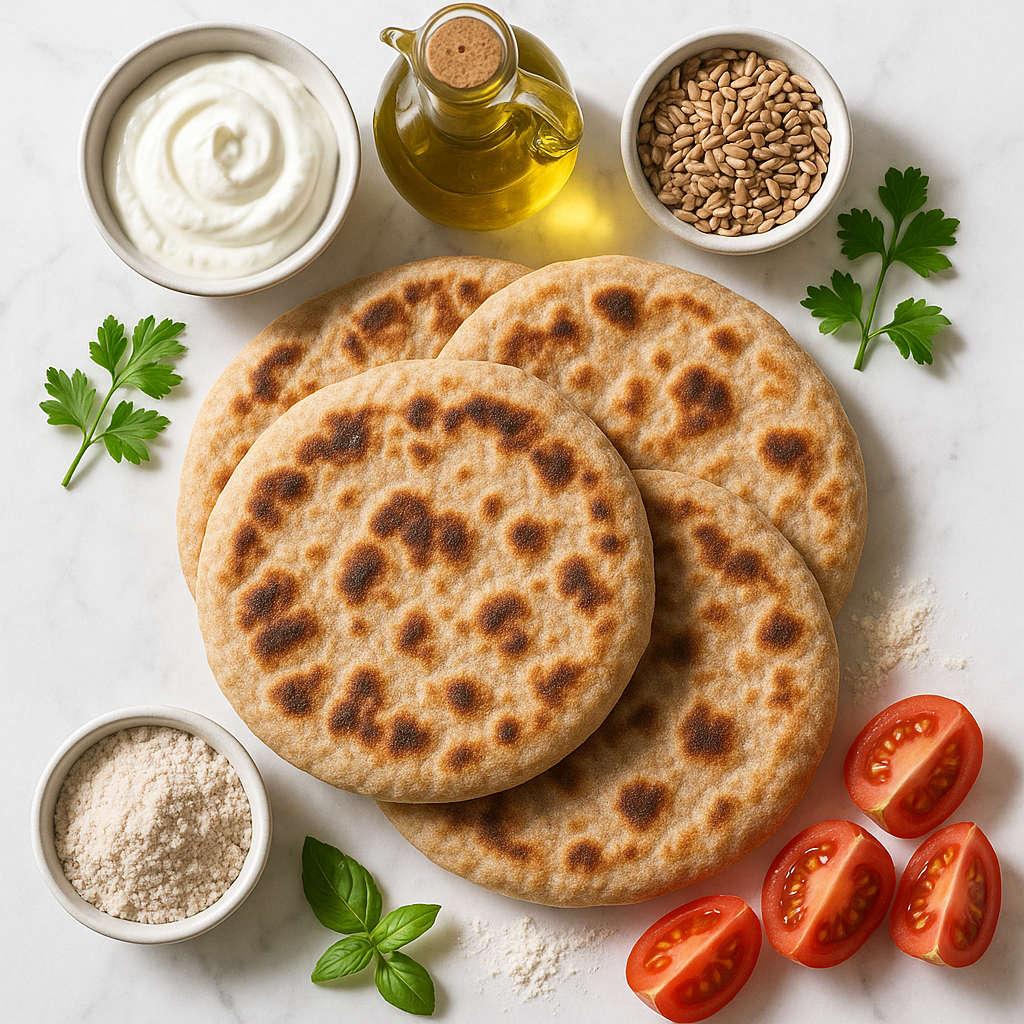
There is something quietly magical about pulling a warm, pillowy flatbread off a hot skillet and watching it puff up right before your eyes. This bazlama soft Turkish flatbread homemade recipe brings that everyday magic straight to your kitchen, without needing an oven, a mixer, or any special equipment. Bazlama is a traditional Turkish village bread, soft and tender with a slightly chewy bite, and it has been cooked on stovetop griddles for generations. Our version stays true to that spirit while making some genuinely smart swaps that boost nutrition without losing any of that gorgeous, cloud-like texture.
The biggest change here is using a blend of whole wheat flour and plain Greek yogurt in the dough. Whole wheat flour brings a natural nuttiness plus a meaningful boost in fibre, B vitamins, and minerals compared to refined white flour. Greek yogurt does double duty. It tenderises the dough beautifully, almost like a natural dough conditioner, and it quietly adds protein to every single piece. Where a traditional bazlama can feel quite heavy and calorie-dense when made with all-purpose flour alone, this version comes in lighter while keeping you fuller for longer. That is a proper win for a breakfast flatbread. A small amount of active dry yeast still goes into the dough to give those signature bubbles and that gentle lift, so you still get the puff without relying on refined flour to carry it all.
Making this bread is a genuinely relaxing process. You mix the dough in a single bowl, let it rest for about 45 minutes while the yeast works its quiet charm, then divide it and cook each round on a dry skillet for just a few minutes per side. No rolling pin needed for the final flatten either. A gentle press with your palm works just fine. The whole thing from start to finish takes around an hour, which makes it completely doable on a weekend morning. And the results are genuinely impressive. Each flatbread is soft enough to fold, sturdy enough to scoop, and flavourful enough to eat warm with nothing more than a drizzle of olive oil and a pinch of flaky salt. For breakfast, they pair beautifully with a smear of almond butter and sliced banana, or alongside a bowl of soft scrambled eggs with fresh herbs.
Once you make this bazlama homemade recipe once, you will likely keep the ingredients permanently stocked. The dough can be made ahead and refrigerated overnight, meaning you can have fresh flatbread on a Tuesday morning with almost no effort at all. They also freeze brilliantly. A quick 30 seconds in a warm skillet brings a frozen bazlama back to life completely. If you have been buying flatbreads or wraps at the supermarket out of convenience, this recipe will genuinely change that habit. Knowing exactly what went into your bread, and knowing it is higher in protein, higher in fibre, and lower in sugar than most packaged alternatives, makes every bite feel just a little bit better.
Ingredients
- 1.5 tsp active dry yeast
- 1 tsp honey or maple syrup (to activate yeast)
- 180 ml warm water (around 40°C, not hot)
- 200 g whole wheat flour (plus extra for dusting)
- 120 g plain bread flour or all-purpose flour (provides enough gluten for a soft pliable dough)
- 160 g plain full-fat Greek yogurt (at room temperature)
- 1 tsp fine sea salt
- 1 tsp olive oil (for the bowl and light brushing)
Instructions
- 1
Combine the warm water, honey, and active dry yeast in a large mixing bowl. Stir gently and let it sit for 8 to 10 minutes until the surface looks foamy and slightly bubbly. If nothing happens after 10 minutes, your water was likely too hot or the yeast is old. Start again with fresh yeast.
Water temperature matters a lot here. Aim for warm bath temperature, comfortable on your wrist, not steaming hot.
- 2
Add the Greek yogurt and sea salt to the yeast mixture and stir with a fork to combine. Add both flours together and mix with a wooden spoon or your hands until a shaggy dough forms. Turn it out onto a lightly floured surface and knead for 3 to 4 minutes until smooth and no longer sticky. The dough should feel soft and slightly springy.
Do not add too much extra flour. A slightly tacky dough produces a softer final flatbread.
- 3
Lightly coat the inside of your mixing bowl with the olive oil. Place the dough ball inside, turn it once to coat, then cover the bowl with a clean kitchen towel or cling wrap. Leave it to rest in a warm spot for 45 minutes. It should rise noticeably and look puffy.
If your kitchen is cold, place the bowl inside your oven with just the oven light on. That gentle warmth is perfect for proofing.
- 4
Once rested, punch the dough down gently and divide it into 6 equal portions. Roll each portion into a smooth ball between your palms. On a lightly floured surface, use a rolling pin to roll each ball into a circle roughly 18cm in diameter and about 4mm thick. Do not roll too thin or they will not puff.
Keep the unrolled balls covered with a clean towel while you work to stop them drying out.
- 5
Heat a dry cast iron skillet or heavy frying pan over medium-high heat for about 2 minutes until properly hot. Place one rolled flatbread in the pan and cook for 2 to 3 minutes on the first side. You will see bubbles forming on the surface and the edges will start to look dry. Flip and cook for another 2 minutes on the second side. The flatbread should have golden to dark patches and feel slightly puffed.
Resist pressing the flatbread down with a spatula. Let it do its own thing for the best puff.
- 6
Remove the cooked flatbread and place it on a clean kitchen towel. Fold the towel loosely over it to keep it warm and pliable while you cook the remaining rounds. Serve warm.
Stacking and covering the cooked flatbreads in a towel creates a little steam pocket that keeps them beautifully soft.
Nutrition per serving
198kcal
Calories
9g
Protein
35g
Carbs
3g
Fat
4g
Fibre
2g
Sugar
310mg
Sodium
Pro Tips
- ✓
Use room temperature Greek yogurt so it does not cool the yeast water down when you add it.
- ✓
A cast iron skillet gives the best heat retention for even browning, but any heavy-bottomed pan works.
- ✓
Do not rush the 45-minute rest. This is what gives the bazlama its soft, chewy texture.
- ✓
For a more golden colour, lightly brush each flatbread with a tiny amount of olive oil after cooking.
- ✓
If the dough feels stiff during kneading, add one teaspoon of warm water at a time until it smooths out.
- ✓
For extra flavour, mix half a teaspoon of ground cumin or nigella seeds into the dough before resting.
Frequently Asked Questions
Variations
- •
Herb and Garlic Bazlama
Add 1 teaspoon of dried oregano, half a teaspoon of garlic powder, and a tablespoon of finely chopped fresh parsley into the dough before resting. The result is an aromatic flatbread that pairs beautifully with eggs or hummus.
- •
Nigella Seed Bazlama
Sprinkle half a teaspoon of nigella seeds onto each rolled flatbread and gently press them in before placing on the hot skillet. Nigella seeds have a slightly oniony, peppery flavour that is classic in Turkish breads.
- •
High-Protein Bazlama
Replace 30g of the whole wheat flour with unflavoured protein powder for a flatbread with an extra protein boost. This works best with a whey or pea protein that has a neutral taste. Expect a slightly denser texture.
- •
Spelt Flour Bazlama
Swap the whole wheat flour for whole grain spelt flour. Spelt has a naturally sweeter, nuttier flavour and is easier for some people to digest. Keep all other quantities the same.
Substitutions
- •Greek yogurt → Plain coconut yogurt (Use a thick, unsweetened coconut yogurt for a dairy-free version. The texture will be slightly softer and the flavour mildly different, but it works well.)
- •Honey → Maple syrup or agave syrup (Both work equally well to activate the yeast. Use the same quantity.)
- •Bread flour → Plain all-purpose flour (All-purpose flour gives a slightly softer result. Bread flour produces a chewier, more substantial flatbread due to its higher gluten content.)
- •Whole wheat flour → White spelt flour or whole grain spelt flour (Spelt flour is a great alternative with a lighter texture. Use the same quantity.)
- •Active dry yeast → Instant yeast (Use 1 teaspoon of instant yeast instead of 1.5 teaspoons active dry yeast. Instant yeast does not need to be activated first, so you can add it directly to the flour.)
🧊 Storage
Store cooled flatbreads in an airtight container or zip-lock bag at room temperature for up to 2 days. For longer storage, place parchment paper between each flatbread and freeze in a sealed bag for up to 2 months. Reheat from frozen in a warm dry skillet for 30 to 60 seconds per side.
📅 Make Ahead
The dough can be made up to 24 hours ahead and stored covered in the refrigerator. Cooked flatbreads can also be made in a full batch and reheated as needed throughout the week. Allow refrigerated dough to sit at room temperature for 30 minutes before rolling.
You might also like
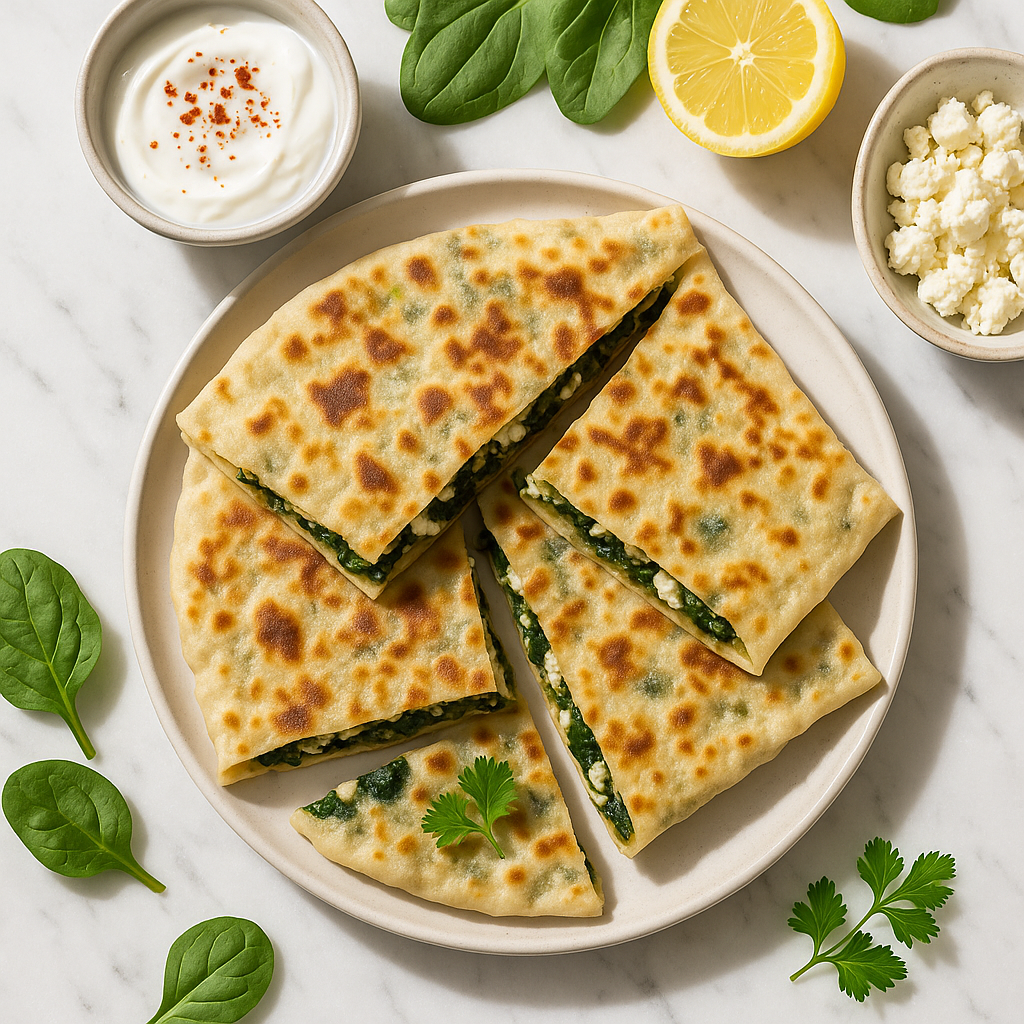
Gozleme Turkish Stuffed Flatbread with Spinach and Feta (High-Protein Healthy Version)
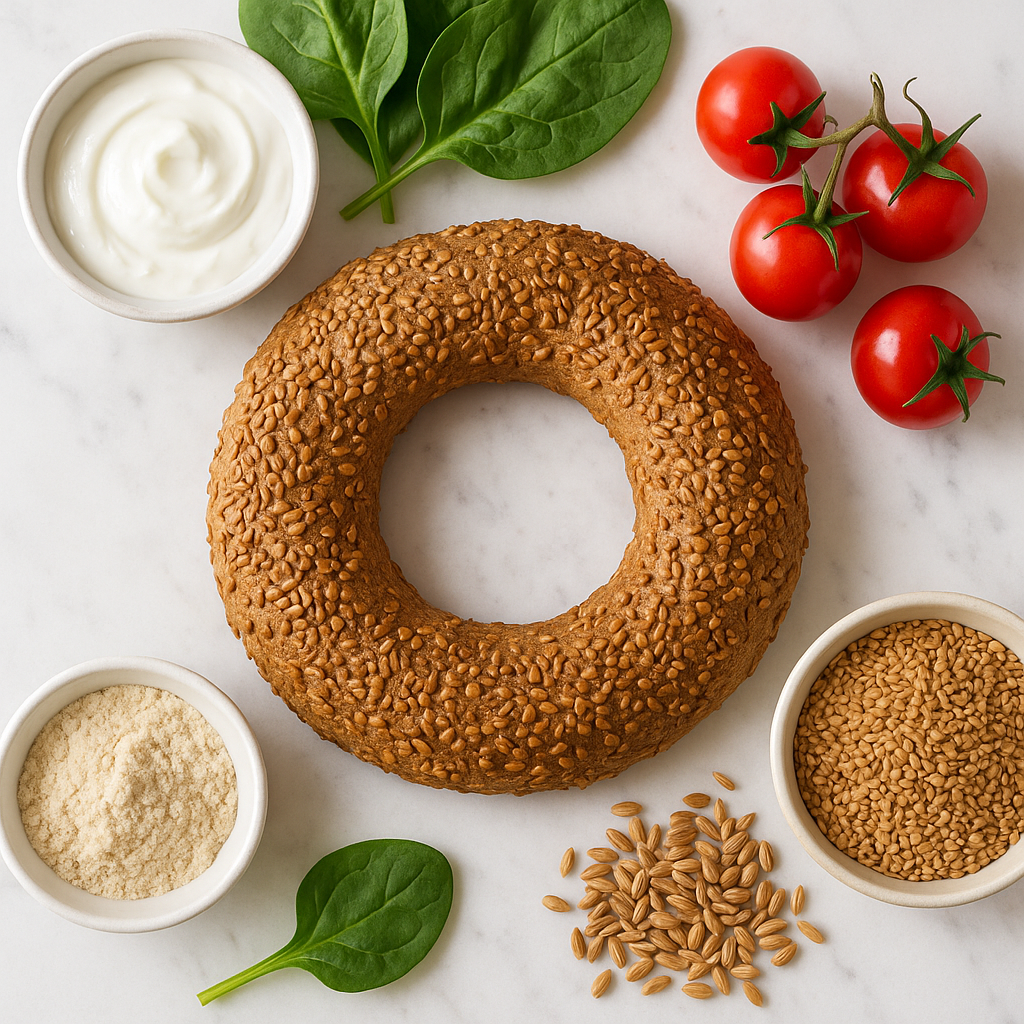
Healthy Simit Turkish Sesame Bread Ring Recipe with Whole Wheat and Protein Boost