Baked Egg Avocado Cups Low Carb with Feta and Cherry Tomatoes
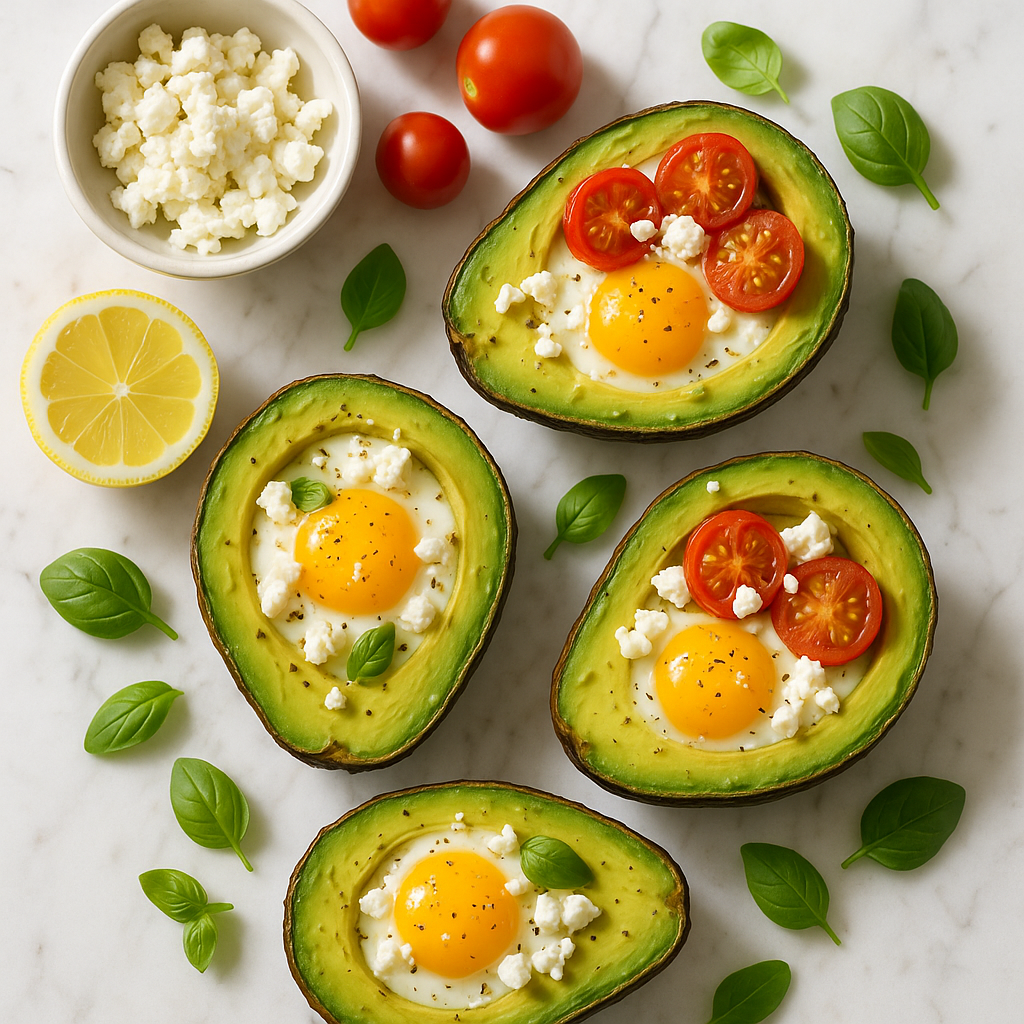
Baked Egg Avocado Cups Low Carb with Feta and Cherry Tomatoes is a recipe that earns a permanent spot in your morning rotation fast. At 278 calories per serving with 13 grams of protein and 22 grams of healthy fat, this is a breakfast that genuinely keeps you full for hours without relying on refined carbs or processed ingredients. The appeal here is how much flavour and nutrition you get from a short ingredient list and a 25-minute window from fridge to table. Most high-fat breakfasts carry a heavy carb load alongside them, but this one sits at just 9 grams of carbs per serving, making it a standout choice for anyone eating keto or following a low-carb approach without wanting to feel like they are missing out. Gluten-free by nature, with no substitutions needed, it also works for people avoiding gluten for medical or personal reasons. The combination of egg baked directly inside avocado is not a gimmick. It is a genuinely practical way to get two of the most nutrient-dense whole foods on the planet into one neat, satisfying cup.
Each ingredient in this recipe has a specific job. The two ripe avocados provide the edible vessel but also contribute around 6 grams of fibre per serving, which supports digestive health and helps regulate blood sugar response after eating. Avocados are rich in monounsaturated fats, particularly oleic acid, which is associated with reduced inflammation. The four large eggs bring the protein backbone of the dish, roughly 6 grams of protein per egg, along with choline, which supports brain and liver function. Reduced-fat feta cheese adds a salty, creamy contrast while keeping the saturated fat content lower than full-fat versions. Cherry tomatoes contribute lycopene, a fat-soluble antioxidant, and because this dish is baked with olive oil present, lycopene absorption is actually improved. Extra virgin olive oil supports that absorption and adds its own polyphenols. Smoked paprika brings depth and a small hit of vitamin A. Garlic powder adds flavour without the moisture of fresh garlic, which matters here because you want the egg to set cleanly. Fresh chives and lemon finish the dish with brightness and a small boost of vitamin C.
When this comes out of the oven, the avocado skin holds its shape and the flesh has warmed through to a buttery softness without turning grey or mushy, provided you have used ripe but firm avocados. The egg white sets fully while the yolk stays just slightly jammy in the centre, which takes around 15 to 18 minutes depending on your oven. The feta melts slightly at the edges where it touches the hot avocado, turning a little golden and concentrated in flavour. The cherry tomatoes blister and burst, releasing a small amount of sweet, slightly acidic juice that mingles with the smoked paprika. That paprika gives the whole dish a warm, lightly smoky aroma as it comes out of the oven. A squeeze of lemon over the top immediately before eating cuts through the richness and lifts everything. The fresh chives add a mild onion note and a pop of green colour. The overall taste is rich, savoury, and satisfying with enough acidity from the tomatoes and lemon to stop it feeling heavy.
This recipe is built around the health goal of sustained morning energy without blood sugar spikes. With 9 grams of net carbs and 6 grams of fibre, the glycaemic impact is low, making it useful for people managing blood sugar, following a ketogenic diet, or working through an intermittent fasting window and wanting a nutrient-dense first meal. The high fat and moderate protein combination promotes satiety hormone release, which means reduced hunger through the morning. Athletes and active people benefit from the egg protein for muscle repair overnight. The recipe is also suitable for vegetarians, provided they eat eggs and dairy. It is naturally gluten-free, which makes it one of the rare hot breakfasts that needs zero adaptation for coeliac or gluten-sensitive individuals. People who are trying to move away from cereal-based breakfasts without giving up something warm and substantial will find this recipe fills that gap well. It is not a light snack. It is a complete, structured meal in a natural bowl.
For meal prep, the trickiest part is timing the avocado ripeness. Buy avocados two to three days ahead and let them ripen at room temperature, then move them to the fridge the evening before to pause ripening. The eggs and feta can be cracked and crumbled the night before and stored covered. The assembled, unbaked cups do not hold well overnight because the avocado oxidises, so the prep work is best done the morning of, which still keeps the total time under 30 minutes. Baked avocado cups are best eaten fresh and straight from the oven. They do not reheat well as a full cup because the texture of the avocado deteriorates. If you have leftovers, scoop the filling out and eat it cold or at room temperature on a slice of gluten-free toast or with a small side salad. For variations, swap feta for goat cheese, which is slightly creamier. Try adding a pinch of chilli flakes for heat, or replace the cherry tomatoes with finely diced red pepper for a sweeter flavour profile. The full recipe with timings, quantities, and step-by-step instructions is in the recipe card below.
Ingredients
- 2 whole ripe avocados (halved and pitted, slightly firm avocados hold their shape better)
- 4 large eggs (free-range or organic recommended)
- 30 g reduced-fat feta cheese (crumbled)
- 8 whole cherry tomatoes (halved)
- 2 tbsp fresh chives (finely chopped)
- 0.5 tsp smoked paprika
- 0.3 tsp garlic powder
- 0.3 tsp black pepper (freshly ground)
- 0.3 tsp fine sea salt (use sparingly as feta adds saltiness)
- 1 tsp extra virgin olive oil (for drizzling)
- 1 whole lemon (cut into wedges for serving)
Instructions
- 1
Preheat your oven to 200 degrees Celsius or 400 degrees Fahrenheit. Place a standard muffin tin on your counter and set it aside. This will be used to keep the avocado cups stable during baking.
If you do not have a muffin tin, scrunch small pieces of foil into rings and place them in a baking dish. Each avocado half sits snugly inside one ring.
- 2
Slice each avocado in half lengthways and remove the pit. Using a dessert spoon, scoop out a small amount of extra flesh from the hollow of each half to create a wider cavity. The hole should be large enough to comfortably hold one whole egg without overflow. Set the scooped flesh aside for serving.
A cavity roughly 5 to 6 centimetres across is ideal. Do not go too deep or too close to the skin.
- 3
Brush the cut surface of each avocado half lightly with a tiny bit of olive oil to prevent the flesh from drying out in the oven. Sprinkle garlic powder, smoked paprika, a small pinch of salt, and black pepper evenly over all four halves.
- 4
Nestle each avocado half cut-side up into a cup of the muffin tin. Press them gently so they sit as flat and stable as possible. Scatter a few cherry tomato halves and a little crumbled feta into each avocado cavity before adding the egg.
Adding the tomatoes and feta first creates a little base that helps the egg sit higher and cook more evenly.
- 5
Carefully crack one egg into each avocado cup. Work slowly and crack the egg into a small bowl first if you are worried about breaking the yolk. Gently slide each cracked egg from the bowl into the cavity.
For a runnier yolk, aim for 14 to 15 minutes of baking. For a fully set yolk, go to 18 minutes. Every oven varies, so check at the 13-minute mark the first time you make this.
- 6
Transfer the muffin tin to the preheated oven and bake for 14 to 18 minutes depending on your preferred yolk consistency. The egg whites should be fully set and no longer translucent before you remove them from the oven.
- 7
Remove from the oven carefully. Use a spoon to lift each avocado cup out of the muffin tin. Scatter fresh chives over the top and serve immediately alongside the reserved avocado flesh mashed with a squeeze of lemon juice and the lemon wedges.
A small handful of fresh rocket or baby spinach alongside each plate adds extra fibre and nutrients with almost zero extra calories.
Nutrition per serving
278kcal
Calories
13g
Protein
9g
Carbs
22g
Fat
6g
Fibre
2g
Sugar
310mg
Sodium
Pro Tips
- ✓
Choose avocados that are just ripe rather than very soft. Firm avocados hold their shape in the oven far better and will not become mushy.
- ✓
Always widen the pit cavity before adding your egg. This single step prevents overflow and gives you a much cleaner finished cup.
- ✓
If your egg whites keep running off the avocado, press the avocado halves more firmly into the muffin tin cups so the angle is as flat as possible.
- ✓
Cracking each egg into a small bowl before transferring to the avocado gives you more control and reduces the chance of a broken yolk ruining the presentation.
- ✓
A light drizzle of hot sauce, sriracha, or a few drops of lemon juice right before serving lifts all the flavours and adds brightness to the richness of the avocado.
Frequently Asked Questions
Variations
- •
Spicy Chipotle Version
Add a quarter teaspoon of chipotle powder to the seasoning mix and top with a small spoonful of fresh salsa instead of cherry tomatoes. Finish with fresh coriander leaves and a squeeze of lime for a Mexican-inspired flavour profile.
- •
Greek Style Cups
Use kalamata olives, diced cucumber, sun-dried tomatoes, and a pinch of dried oregano alongside the feta. Serve with a dollop of full-fat plain Greek yogurt on the side for extra protein.
- •
Herb Garden Cups
Skip the paprika and instead use a generous mix of fresh dill, flat-leaf parsley, and spring onions. Add a few capers for a briny, fresh flavour that pairs beautifully with the creamy avocado.
- •
Turkey Bacon Crumble Cups
Cook two slices of turkey bacon until crispy, crumble them, and scatter over each avocado cup before adding the egg. This boosts protein per serving by around 5 grams and adds a satisfying smoky crunch.
Substitutions
- •Feta cheese → Nutritional yeast (Use one teaspoon per cup for a dairy-free, cheesy flavour with added B vitamins.)
- •Cherry tomatoes → Diced red capsicum or roasted red pepper (Capsicum is slightly lower in sugar and adds a sweet crunch. Roast briefly before adding for extra depth.)
- •Chives → Spring onions or fresh flat-leaf parsley (Both work well. Spring onions have a slightly stronger flavour while parsley keeps things fresh and light.)
- •Smoked paprika → Regular sweet paprika or a pinch of cumin (Regular paprika gives colour without the smokiness. Cumin adds warmth and pairs particularly well with the avocado.)
- •Whole eggs → Egg whites only (Using two egg whites per cup instead of one whole egg reduces fat and calories while maintaining protein. The texture will be firmer and less rich.)
🧊 Storage
Baked egg avocado cups are best eaten immediately after cooking. If you have leftovers, store them in an airtight container in the refrigerator for up to 24 hours. Reheat in the oven at 170 degrees Celsius for 5 to 7 minutes. Avoid microwaving as this can make the avocado flesh rubbery and the egg whites tough. The texture will not be quite as good as fresh but the flavour remains enjoyable.
📅 Make Ahead
Prep the avocado halves up to 12 hours ahead. Widen the cavities, brush all cut surfaces with fresh lemon juice to prevent oxidation, and store covered tightly with cling film in the refrigerator. Do not add the eggs until you are ready to bake. Toppings like feta and cherry tomatoes can be prepped and stored separately in small covered bowls ready to scatter in just before baking.
You might also like
Poached Eggs on Whole Grain Toast with Smoked Salmon and Herbed Greek Yogurt
Eggs Benedict with Turkey and Avocado on a Lighter Greek Yogurt Hollandaise