Baked Egg and Vegetable Frittata Meal Prep with Feta and Roasted Peppers
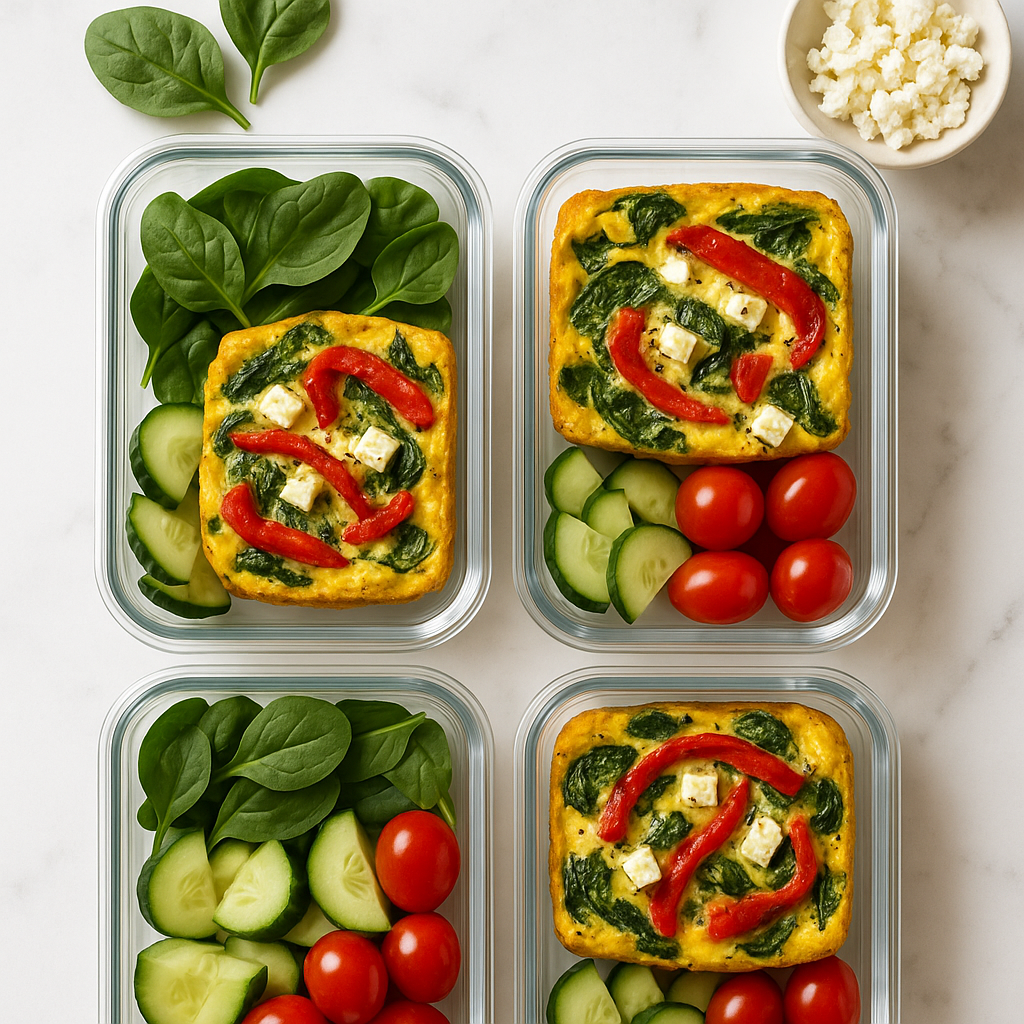
Baked Egg and Vegetable Frittata Meal Prep with Feta and Roasted Peppers is the kind of recipe that earns its place in your weekly rotation fast. The headline benefit here is protein, a serious 22 grams per serving with only 218 calories, which is a ratio that is genuinely hard to beat in a breakfast dish. Most frittatas rely on eggs alone, but this one layers in liquid egg whites and cottage cheese to push the protein higher without adding much fat or extra calories. The result is a frittata that keeps you full through a busy morning without weighing you down. It is also keto-friendly and completely gluten-free, so it works across a wide range of eating styles without needing any substitutions. The whole thing comes together in about 45 minutes from start to finish, and because it bakes in one dish, you are producing five or six solid portions in a single session. That is the core appeal. Cook it once on a Sunday and your breakfasts are sorted before the week even starts.
Every ingredient in this frittata is pulling its weight. The six large whole eggs form the structural base and contribute healthy fats, vitamin D, and choline, a nutrient important for brain function that most people under-consume. The three-quarter cup of liquid egg whites adds significant protein with almost no fat, which is why the macros here look so clean. Full-fat cottage cheese might seem like an unusual addition to a frittata, but it blends into the egg mixture and makes the interior noticeably creamier while adding extra protein and calcium. Zucchini brings bulk and fibre without adding meaningful carbohydrates, and it releases moisture during baking that keeps the texture soft rather than rubbery. Red bell pepper provides vitamin C and a natural sweetness that balances the saltiness of the feta. Cherry tomatoes caramelise slightly in the oven, concentrating their flavour. Baby spinach adds iron and folate. The 80 grams of reduced-fat feta brings that briny, tangy punch that ties all the vegetables together, while garlic and dried oregano give the whole dish a Mediterranean warmth that makes it taste considerably more interesting than a standard egg bake.
When this frittata comes out of the oven, the top is golden and slightly puffed, and the edges have pulled away just a little from the sides of the dish. The smell is all roasted garlic and herbs with that warm, eggy richness underneath. The technique matters here. You start by sauteing the onion, garlic, and bell pepper in olive oil until soft, which removes any raw sharpness from the onion and coaxes sweetness from the pepper before the oven does its work. The zucchini and spinach go in next, and cooking them down briefly gets rid of excess water that would otherwise make the frittata watery. The egg and cottage cheese mixture gets whisked together until smooth before everything is combined and poured into a baking dish. Baking at a moderate temperature gives a gentler, more even set than cooking on a stovetop. The interior stays soft and almost custardy, the feta goes slightly golden on top, and the cherry tomatoes blister and burst into small pockets of concentrated flavour throughout each slice.
This recipe is built around a few specific health goals. The high protein and relatively low carbohydrate content make it a strong choice for anyone managing blood sugar, following a ketogenic diet, or trying to preserve muscle while in a calorie deficit. At only 8 grams of carbohydrates per serving, it fits comfortably within standard keto macros. Athletes and active people who need a protein-rich breakfast without a lot of cooking effort in the morning will get real value from having this ready in the fridge. It is naturally gluten-free, so anyone with coeliac disease or gluten sensitivity can eat it without adapting anything. The fibre from the vegetables supports digestive health, which is something high-protein diets can sometimes lack. People who work early mornings, long shifts, or have children to get out the door will appreciate that breakfast is already handled. Vegetarians will find it satisfying and complete as a meal. The feta adds enough sodium and flavour that this does not taste like a health food compromise. It genuinely tastes like something you chose to eat.
Meal prep is where this frittata really earns its place. Once baked and cooled, it keeps in the fridge for up to five days in an airtight container. Slice it into individual portions before storing so you can grab a piece without cutting into the whole thing each morning. It reheats well in a microwave for about 60 to 90 seconds, or you can warm it in a low oven for 10 minutes if you prefer the edges to stay a little firmer. It also freezes successfully for up to two months. Wrap individual slices in cling film and then in foil, and thaw them overnight in the fridge before reheating. For variations, you could swap the feta for goat cheese if you want a creamier, milder flavour. Chopped sun-dried tomatoes and black olives work well in place of the cherry tomatoes for a more intense, savoury profile. A handful of chopped fresh basil stirred into the egg mixture before baking gives a noticeably brighter finish. The full recipe with exact quantities and step-by-step instructions is in the recipe card below.
Ingredients
- 6 large whole eggs (free-range if possible)
- 3 cup liquid egg whites (from carton or separated from about 5 eggs)
- 1 cup full-fat cottage cheese (blended smooth or whisked well)
- 1 medium zucchini (diced into 1cm cubes)
- 1 medium red bell pepper (deseeded and diced)
- 1 small red onion (thinly sliced)
- 200 g cherry tomatoes (halved)
- 2 large handfuls baby spinach (roughly chopped)
- 80 g reduced-fat feta cheese (crumbled)
- 2 cloves garlic (minced)
- 1 tbsp extra virgin olive oil (for roasting vegetables)
- 1 tsp dried oregano
- 1 tsp smoked paprika
- 1 tsp ground black pepper
- 1 tsp fine sea salt (adjust to taste)
- 1 tbsp fresh flat-leaf parsley (chopped, for garnish)
Instructions
- 1
Preheat your oven to 200 degrees Celsius (390 degrees Fahrenheit) fan-forced, or 210 degrees Celsius conventional. Line a 9x13 inch (23x33 cm) baking dish or a deep 9x9 inch square dish with baking parchment, letting the edges overhang so you can lift the frittata out easily later.
Spraying the parchment lightly with olive oil spray helps prevent any sticking.
- 2
Place the diced zucchini, red bell pepper and sliced red onion on a large rimmed baking tray. Drizzle over the olive oil, sprinkle with dried oregano and a pinch of black pepper, then toss everything together with your hands to coat. Spread out into a single layer and roast for 15 minutes, turning once halfway through, until softened and starting to caramelise at the edges.
Do not crowd the vegetables on the tray or they will steam rather than roast. Use two trays if needed.
- 3
Remove the roasted vegetables from the oven and reduce the oven temperature to 180 degrees Celsius (355 degrees Fahrenheit) fan-forced. Allow the vegetables to cool for about 5 minutes so they do not scramble the egg mixture when combined.
- 4
In a large mixing bowl, crack in the whole eggs and add the liquid egg whites. Whisk vigorously for about 60 seconds until the mixture is well combined and slightly frothy. Add the cottage cheese, minced garlic, smoked paprika, salt and remaining black pepper. Whisk again until smooth and evenly combined.
If your cottage cheese is chunky, blitz it briefly in a small blender or mash with a fork before adding. This ensures a silky texture in the finished frittata.
- 5
Scatter the roasted vegetables into your prepared baking dish. Add the halved cherry tomatoes and chopped baby spinach, distributing everything evenly. Pour the egg mixture slowly and evenly over the vegetables. Scatter the crumbled feta across the top.
Gently press down any vegetables that are sticking up above the egg mixture so they are mostly submerged.
- 6
Bake at 180 degrees Celsius for 25 to 28 minutes, until the centre is just set with only a very slight jiggle and the top is lightly golden. A knife inserted into the centre should come out clean with no wet egg mixture on it.
Start checking at the 23-minute mark. Overbaking will make the texture rubbery, so pull it out as soon as the centre is set.
- 7
Remove the frittata from the oven and allow it to cool in the dish for 10 minutes before lifting it out using the parchment overhang. Scatter fresh parsley over the top, then slice into 5 equal portions. Serve warm, or cool completely before transferring to meal prep containers.
Nutrition per serving
218kcal
Calories
22g
Protein
8g
Carbs
10g
Fat
2g
Fibre
5g
Sugar
420mg
Sodium
Pro Tips
- ✓
Pre-roasting the vegetables is not optional. It removes excess moisture and concentrates their flavour, keeping the frittata from becoming soggy.
- ✓
Cottage cheese is the secret to an incredibly creamy texture without heavy cream. Make sure it is whisked or blended smooth before adding it to the egg mixture.
- ✓
Let the frittata cool completely before sealing in containers. Trapping steam will create condensation and affect the texture.
- ✓
Slice with a sharp knife wiped clean between cuts for neat, restaurant-style portions.
- ✓
If your baking dish is glass or ceramic rather than metal, add an extra 3 to 5 minutes to the baking time as these materials conduct heat more slowly.
- ✓
Season conservatively before baking since feta is already quite salty. Taste and adjust after cooling if needed.
Frequently Asked Questions
Variations
- •
Mediterranean Turkey Sausage Frittata
Brown 150g of sliced chicken or turkey sausage in a pan before adding to the vegetable layer. Swap feta for kalamata olives and sun-dried tomatoes for an even bolder Mediterranean flavour. Protein increases to around 27 grams per slice.
- •
Green Goddess Frittata
Replace the roasted peppers and cherry tomatoes with asparagus tips, frozen peas (thawed) and broccolini. Add a tablespoon of pesto stirred directly into the egg mixture and top with goat cheese instead of feta for a vibrant, herby version.
- •
Spiced Moroccan Frittata
Add half a teaspoon each of cumin and coriander to the roasting vegetables along with a pinch of cinnamon. Stir chopped Medjool dates and drained chickpeas into the vegetable layer for a sweet, earthy and high-fibre variation that works brilliantly served with a dollop of Greek yoghurt.
- •
Dairy Free Turmeric Frittata
Omit the feta and cottage cheese. Blend 150g of silken tofu with half a teaspoon of turmeric and a tablespoon of nutritional yeast, then mix into the egg whites for a golden, dairy-free frittata with a subtle cheesy flavour and powerful anti-inflammatory properties.
Substitutions
- •Liquid egg whites → Whole eggs (Use 3 additional whole eggs instead of the egg whites. This will increase fat and calories slightly but the frittata will still be delicious and protein-rich.)
- •Cottage cheese → Full-fat Greek yoghurt (Use the same quantity. Greek yoghurt adds a slight tang and keeps the same creamy texture. Blend it with the eggs thoroughly before adding.)
- •Feta cheese → Goat cheese or ricotta (Goat cheese gives a creamier, milder flavour. Ricotta keeps it very mild and soft. Both work well. Reduce added salt slightly if using goat cheese as it can also be quite salty.)
- •Red bell pepper → Jarred roasted red peppers (Drain and pat dry very well before using. This skips the roasting step for the peppers and saves about 8 minutes of prep.)
- •Baby spinach → Baby kale or rocket (Both work equally well. Baby kale holds its texture slightly better during baking. Rocket can turn a little bitter with heat, so use sparingly.)
- •Cherry tomatoes → Sun-dried tomatoes (Use about 50g, oil-packed and well drained. Sun-dried tomatoes are more intense in flavour and add a chewier texture. They also contain less water, which is a bonus for keeping the frittata firm.)
🧊 Storage
Cool completely at room temperature (no longer than 1 hour). Slice into 5 portions and store in individual airtight containers in the refrigerator for up to 4 days. For freezing, wrap each slice in cling film, place in a zip-lock freezer bag and freeze for up to 2 months. Thaw overnight in the refrigerator before reheating.
📅 Make Ahead
You can roast the vegetables up to 2 days ahead and store them covered in the fridge. When ready to bake, bring them to room temperature for 10 minutes, assemble and bake as directed. The full frittata can also be baked on a Sunday and portioned for the entire working week.