Vegan Chickpea Flour Omelette with Spinach and Peppers
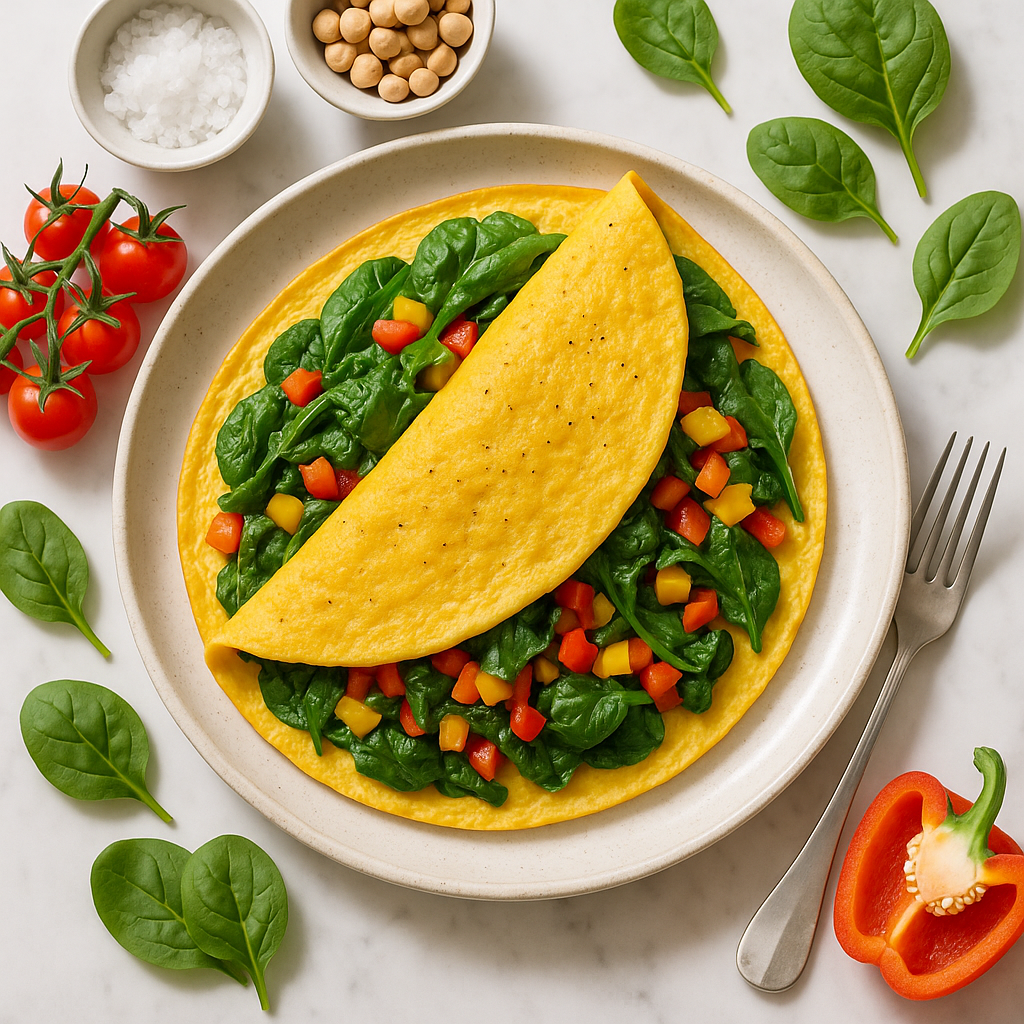
If you have ever craved a proper savoury breakfast that actually keeps you full until lunch, this vegan chickpea flour omelette with spinach and peppers is going to become your new morning ritual. Chickpea flour, also called besan or gram flour, is genuinely one of the most underrated ingredients in a plant-based kitchen. It is naturally high in protein, rich in fibre, and has a subtly nutty flavour that turns into something wonderfully eggy and satisfying when you add a little water and the right seasonings. No eggs required, no tofu, no fuss.
What makes this recipe stand out from so many others is the batter technique. Instead of simply thinning the flour with water, we add a small amount of nutritional yeast for a savoury depth, a pinch of black salt (kala namak) which brings that characteristic sulphurous egg-like aroma, and a touch of ground turmeric for colour and its well-known anti-inflammatory properties. The result is a batter that cooks up into a golden, slightly crispy-edged omelette with a tender centre. It is not trying to be an egg, it is just being the best version of itself. The batter rests for five minutes before cooking, which helps the flour fully hydrate and gives you a much smoother, more cohesive result.
The filling is where things get really exciting. Baby spinach wilts down beautifully and provides iron, folate and vitamin K. Red and yellow bell peppers bring natural sweetness, a generous hit of vitamin C and a gorgeous pop of colour against that golden batter. A little red onion adds sharpness and prebiotic fibre, while a small amount of fresh garlic ties everything together with warmth. Everything is lightly sauteed before being folded in, so the vegetables are tender but still have a little bite. You can eat this straight from the pan with a simple side salad, tuck it into a wrap, or serve it alongside some sliced avocado and whole grain toast for a genuinely complete breakfast.
From a nutrition standpoint, this omelette delivers around 18 grams of protein per serving, which is impressive for a fully plant-based breakfast with no protein powder in sight. The fibre content is high thanks to the chickpea flour and vegetables combined, which means blood sugar stays steady and hunger stays away for hours. Calories are kept moderate, sugar is minimal and there is zero cholesterol. This is the kind of breakfast a nutritionist would genuinely eat every morning, not just recommend. It also happens to be gluten-free, soy-free, nut-free and egg-free, making it one of the most allergy-friendly hot breakfasts around.
Ingredients
- 1 cup chickpea flour (also called besan or gram flour)
- 3 cup cold water (adjust for a pourable batter)
- 2 tbsp nutritional yeast
- 1 tsp black salt (kala namak, for an eggy flavour)
- 1 tsp ground turmeric
- 1 tsp garlic powder
- 1 tsp smoked paprika
- 1 tsp freshly ground black pepper
- 1 tsp baking powder (helps lighten the batter slightly)
- 1 tbsp olive oil (divided, for cooking)
- 1 cup red bell pepper (thinly sliced)
- 1 cup yellow bell pepper (thinly sliced)
- 1 cup red onion (finely diced)
- 2 cloves garlic (minced)
- 2 cups baby spinach (loosely packed, fresh)
- 1 tsp sea salt (for the vegetable filling)
- 1 tbsp fresh chives or flat-leaf parsley (chopped, to serve)
Instructions
- 1
Add the chickpea flour, nutritional yeast, black salt, turmeric, garlic powder, smoked paprika, black pepper and baking powder into a medium mixing bowl. Whisk the dry ingredients together until evenly combined.
Sifting the chickpea flour first prevents any lumps in the batter.
- 2
Pour in the cold water gradually while whisking continuously. You want a smooth, lump-free batter that coats the back of a spoon but is still pourable, similar to a thin crepe batter. Set aside and let it rest for 5 minutes.
Resting the batter allows the flour to fully hydrate, giving you a smoother omelette that holds together better.
- 3
Heat half the olive oil in a non-stick skillet over medium heat. Add the red onion and cook for 2 minutes until softened. Add the sliced red and yellow bell peppers and cook for another 3 minutes, stirring occasionally, until they begin to soften and pick up a little colour.
Do not overcrowd the pan. If your skillet is small, cook the vegetables in two batches.
- 4
Add the minced garlic and cook for 30 seconds until fragrant. Add the baby spinach and sea salt, then stir everything together until the spinach has wilted completely, about 1 to 2 minutes. Remove the vegetable mixture from the pan and set aside.
Squeeze any excess moisture from the wilted spinach with the back of a spoon before adding to the omelette.
- 5
Wipe the skillet clean with a paper towel and return it to medium-low heat. Add a small drizzle of the remaining olive oil and swirl to coat the surface. Pour in half the chickpea batter and tilt the pan gently to spread it into an even round, roughly 20 to 22 cm in diameter.
Medium-low heat is key here. Too high and the outside burns before the centre sets.
- 6
Cover the skillet with a lid and cook for 3 to 4 minutes until the edges look set and dry and the surface is no longer shiny or wet. The underside should be golden.
Resist the urge to flip too early. The omelette is ready to flip when the top looks mostly set.
- 7
Spoon half the vegetable filling onto one side of the omelette. Using a wide spatula, gently fold the other half over the filling. Slide onto a plate and repeat with the remaining batter and filling to make the second omelette.
If folding feels tricky, just serve it flat and pile the vegetables on top instead.
- 8
Scatter the chopped chives or parsley over both omelettes and serve immediately while hot and fresh.
Nutrition per serving
285kcal
Calories
18g
Protein
34g
Carbs
9g
Fat
8g
Fibre
6g
Sugar
420mg
Sodium
Pro Tips
- ✓
Black salt (kala namak) is available at most Indian grocery stores or online. It makes a huge difference to the flavour and is worth tracking down.
- ✓
The batter thickens as it sits due to the chickpea flour absorbing liquid. Give it a quick stir before cooking each omelette and add a splash of water if needed.
- ✓
A good quality non-stick pan is genuinely essential for this recipe. Cast iron works well too once properly seasoned.
- ✓
Do not skip the lid while cooking. The steam trapped inside helps the centre of the omelette cook through without burning the bottom.
- ✓
For extra protein, stir a tablespoon of hemp seeds directly into the batter before cooking.
Frequently Asked Questions
Variations
- •
Spicy Harissa Version
Stir one teaspoon of harissa paste directly into the batter and add a pinch of cayenne to the vegetable filling for a bold, North African-inspired heat. Top with a spoonful of dairy-free yogurt to balance the spice.
- •
Mediterranean Style
Add sun-dried tomatoes, kalamata olives and a handful of fresh basil to the vegetable filling. A sprinkle of vegan feta-style crumbles on top takes this to another level.
- •
Herbed Green Omelette
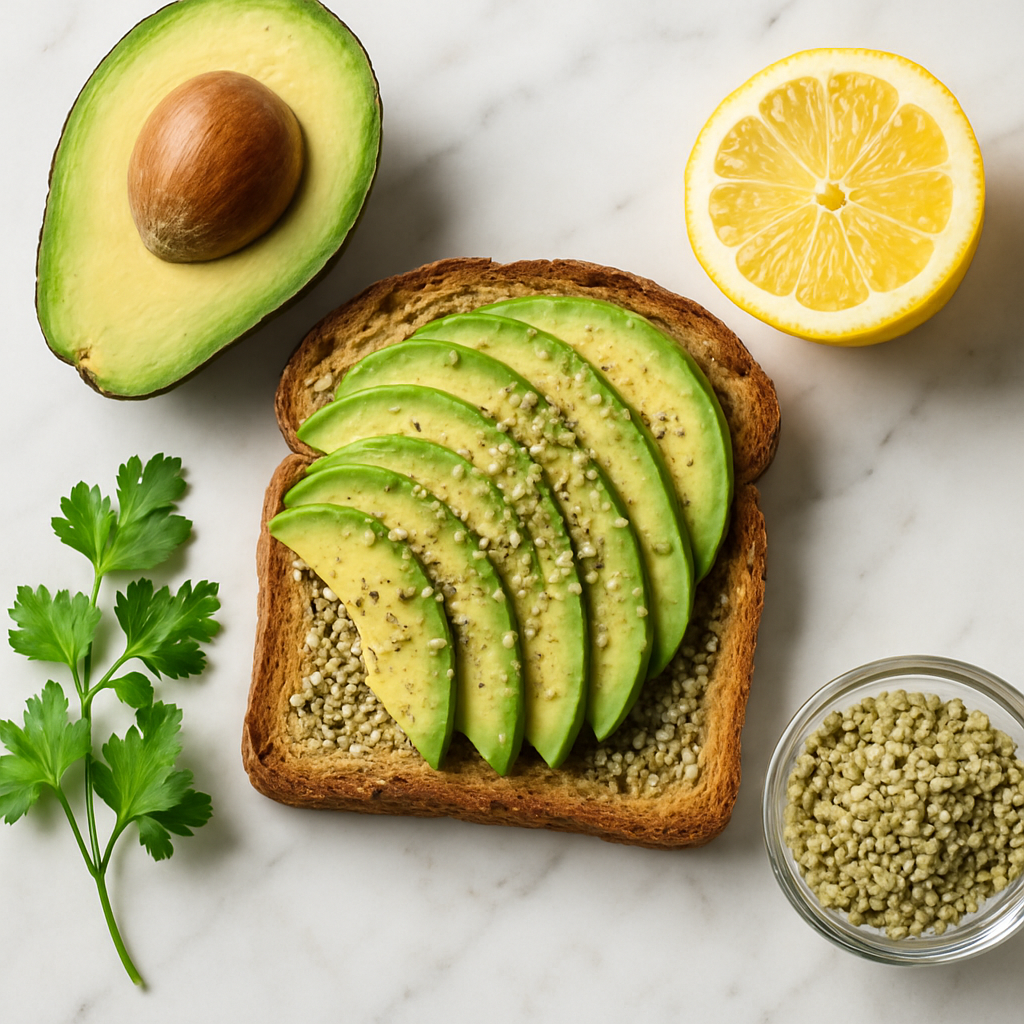
Blend a large handful of fresh spinach into the batter itself before cooking for a vivid green colour and an extra boost of leafy greens. Top with sliced avocado and a squeeze of lemon.
- •
Protein-Boosted Version
Replace two tablespoons of chickpea flour with unflavoured pea protein powder to push the protein content even higher. The texture stays smooth and you will not notice any taste difference when the seasonings are in place.
Substitutions
- •Black salt (kala namak) → Regular sea salt (You will lose the eggy sulphurous aroma but the omelette still tastes great. Add a tiny extra pinch of smoked paprika for more depth.)
- •Nutritional yeast → Extra garlic powder plus a pinch of onion powder (You will lose some of the cheesy umami depth but the omelette is still very flavourful. Nutritional yeast also adds B12, so consider supplementing separately if you omit it regularly.)
- •Olive oil → Avocado oil or coconut oil (Avocado oil has a higher smoke point and works brilliantly here. Refined coconut oil is neutral in flavour and also works well.)
- •Baby spinach → Kale or Swiss chard (Kale takes a little longer to wilt, around 3 to 4 minutes. Remove the tough stems from chard before cooking and slice the leaves finely.)
- •Red bell pepper → Green bell pepper or poblano pepper (Green pepper has a slightly more bitter, grassy flavour which works well for a more savoury profile. Poblano adds a mild gentle heat.)
🧊 Storage
Store leftover omelettes in an airtight container in the refrigerator for up to 2 days. Reheat in a dry non-stick skillet over low heat for 2 to 3 minutes per side, or in a microwave for 60 to 90 seconds. The texture is best fresh from the pan, so make to order where possible. You can store the cooked vegetable filling separately for up to 3 days and add it to a freshly cooked omelette for the best results.
📅 Make Ahead
The chickpea flour batter can be mixed the night before and refrigerated in a sealed jar or covered bowl. The vegetable filling can also be cooked ahead and stored in the fridge. In the morning, simply reheat the filling in a pan while you cook the omelette from the rested batter. This cuts the morning prep down to about 8 minutes.