Tropical Pineapple Coconut Milk Smoothie for Breakfast with Mango and Vanilla Protein
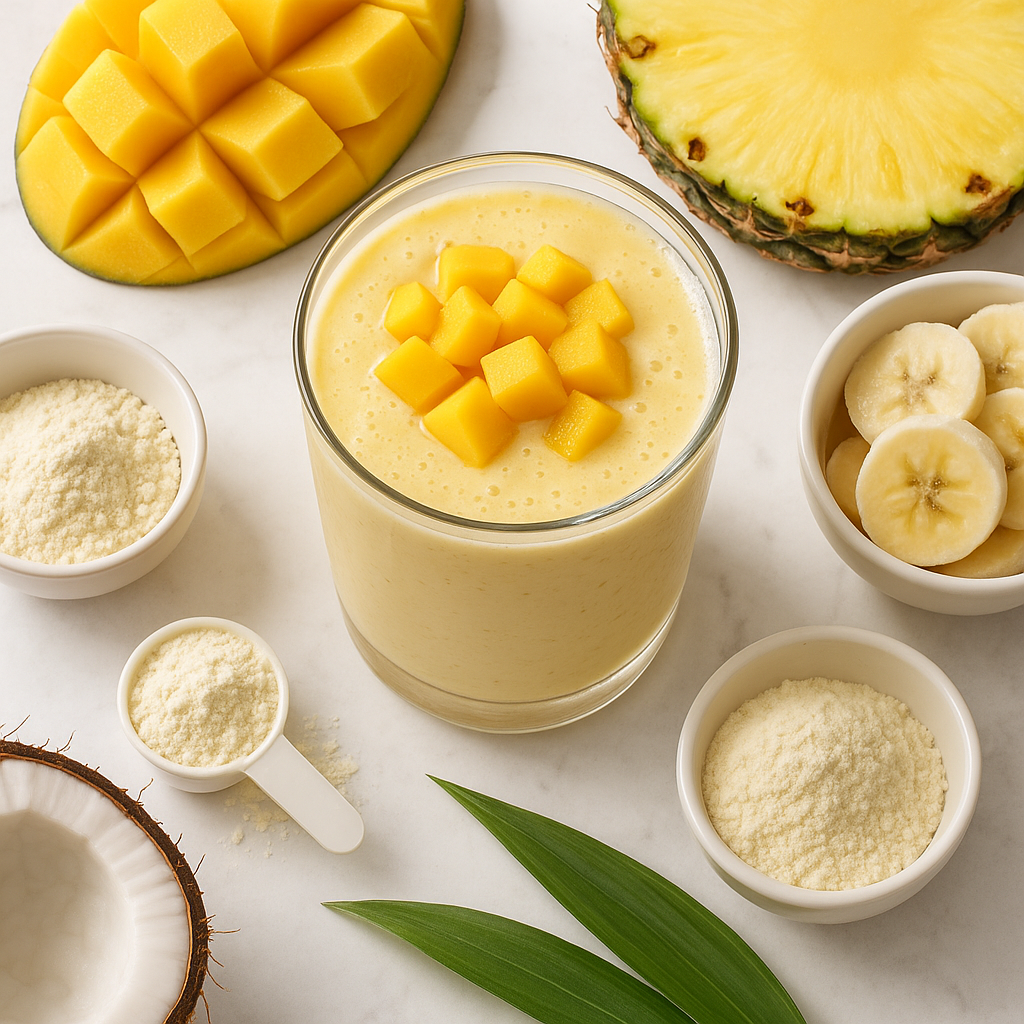
Some mornings you just need something that feels like a little holiday in a glass. This tropical pineapple coconut milk smoothie for breakfast does exactly that. It brings together frozen pineapple, ripe mango, light coconut milk, and a scoop of vanilla protein powder into a thick, creamy blend that tastes indulgent but fuels your morning with real nutrition. Every sip is bright and tangy, with that soft tropical sweetness that makes you actually look forward to breakfast instead of dreading the alarm.
What makes this smoothie genuinely healthier than most tropical recipes you will find is the combination of fibre-rich fruit with a proper protein hit. A lot of pineapple coconut smoothies are little more than fruit juice with coconut cream stirred in, which sends blood sugar spiking and leaves you hungry by 10am. This version uses frozen pineapple chunks for a frosty, thick texture without needing any ice cream or sorbet. Light coconut milk keeps the healthy fats present but cuts the calorie load compared to full-fat coconut cream. A generous tablespoon of chia seeds stirs in quietly, adding almost 5 grams of fibre and some plant-based omega-3s that most smoothies completely miss. The vanilla protein powder is the real game changer here, rounding out the flavour beautifully while pushing the protein count up to 22 grams per serve.
The ingredient list is short and the whole thing takes about five minutes from freezer to glass. Add all your ingredients to a high-speed blender, starting with the coconut milk at the bottom so the blades catch everything smoothly. Blend on high for about 60 seconds until completely smooth and creamy. Pour into a tall glass and, if you like a little texture contrast, top with a small sprinkle of toasted coconut flakes and a few extra pineapple chunks. That finishing touch makes it feel like something from a cafe menu, but your body is getting a breakfast that genuinely serves it well. One glass keeps hunger at bay for hours, which is exactly what a good breakfast should do.
This recipe is naturally gluten free and dairy free, so it works well for a wide range of eating styles. If you follow a plant-based diet, simply choose a pea protein or hemp protein powder that is labelled vegan, and the whole smoothie qualifies. The natural sugars come entirely from the fruit, with no honey, syrup, or added sweetener of any kind. Frozen pineapple is available year-round in most supermarkets, making this a recipe you can rely on in January just as easily as August. Keep a bag of frozen pineapple and a bag of frozen mango in your freezer at all times and you are always five minutes away from a breakfast that feels tropical, tastes amazing, and actually nourishes you from the inside out.
Ingredients
- 1 cup frozen pineapple chunks (about 150g, no added sugar)
- 1 cup frozen mango chunks (about 75g)
- 3 cup light coconut milk (from a carton, not full-fat canned cream)
- 1 scoop vanilla protein powder (whey or plant-based, approximately 30g)
- 1 tablespoon chia seeds (adds fibre and omega-3s)
- 1 teaspoon fresh lime zest (brightens the tropical flavour)
- 1 teaspoon fresh lime juice (optional but recommended)
- 1 teaspoon ground turmeric (optional, adds anti-inflammatory benefit and warm colour)
- 1 tablespoon toasted coconut flakes (for topping, optional)
Instructions
- 1
Pour the light coconut milk into the blender first. This gives the blades a liquid base to work with and helps everything blend smoothly without air pockets.
Room temperature coconut milk blends more easily than cold from the fridge.
- 2
Add the vanilla protein powder and chia seeds directly on top of the coconut milk. Let them sit for about 30 seconds so the chia seeds begin to absorb a little liquid before blending.
This short soak helps the chia seeds distribute evenly rather than clumping.
- 3
Add the frozen pineapple chunks and frozen mango chunks. These go in last so they sit on top and do not block the blades from catching the liquid at the base.
If your blender is less powerful, break up any very large frozen chunks before adding.
- 4
Add the lime zest, lime juice, and ground turmeric if using. Secure the blender lid firmly.
- 5
Blend on high speed for 60 to 90 seconds until completely smooth and thick. The smoothie should be creamy with no visible fruit chunks. If it is too thick, add a splash more coconut milk and blend for another 10 seconds.
A high-speed blender will give the smoothest result, but a standard blender works well if you blend for a full 90 seconds.
- 6
Pour into a tall glass. Top with a small sprinkle of toasted coconut flakes and enjoy immediately while it is still frosty cold.
Drink it straight away for the best thick, icy texture. It will become thinner as it warms.
Nutrition per serving
285kcal
Calories
22g
Protein
32g
Carbs
7g
Fat
7g
Fibre
18g
Sugar
95mg
Sodium
Pro Tips
- ✓
Keep bags of frozen pineapple and frozen mango in your freezer so this breakfast is always ready in minutes.
- ✓
Using frozen fruit instead of fresh plus ice gives a much thicker, creamier texture and better flavour concentration.
- ✓
If you prefer a thicker smoothie bowl style, reduce the coconut milk to half a cup and eat it with a spoon topped with granola.
- ✓
Measure your protein powder by weight rather than by scoop for more accurate nutrition tracking.
- ✓
Light coconut milk from a carton is significantly lower in calories than canned full-fat coconut cream, so check your label.
- ✓
Lime zest adds a huge amount of flavour for no calories at all. Do not skip it if you have a lime on hand.
Frequently Asked Questions
Variations
- •
Green Tropical Boost
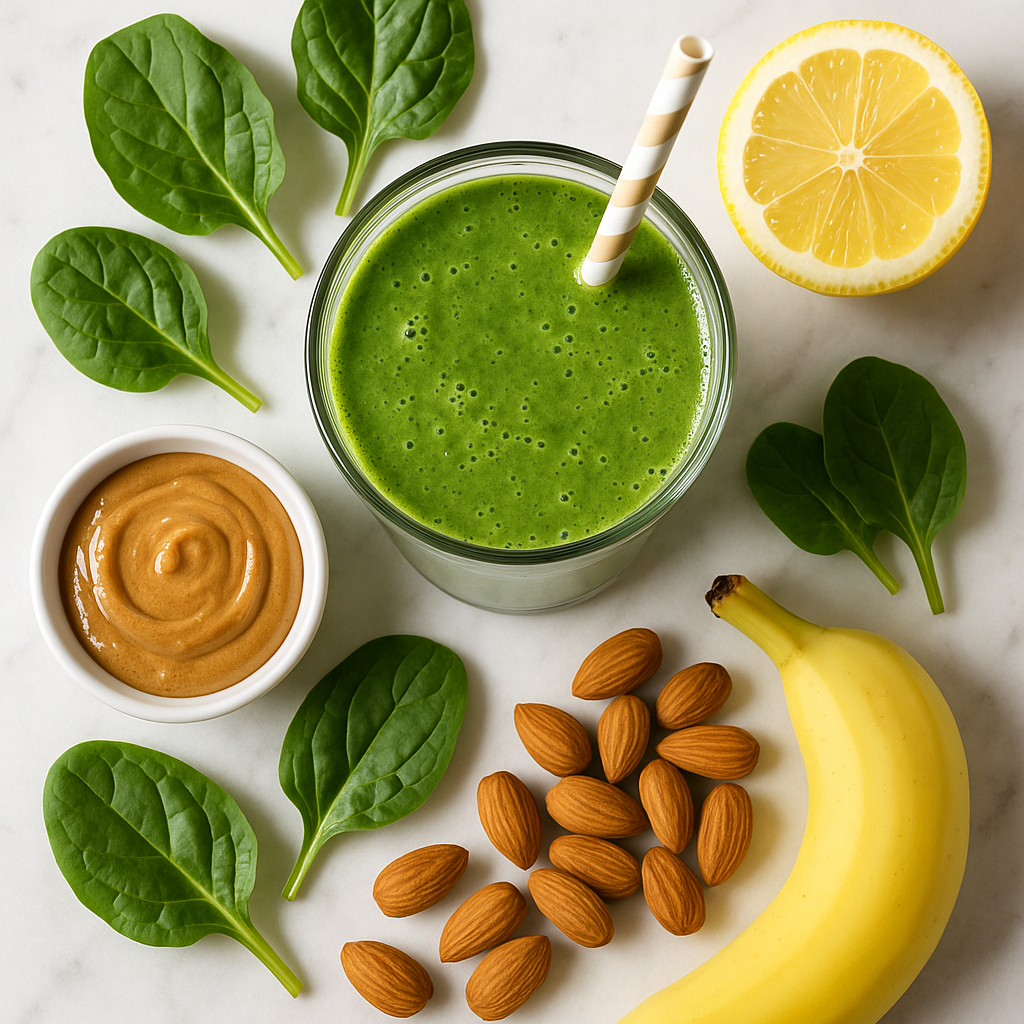
Add a large handful of fresh baby spinach before blending. The spinach disappears into the golden colour of the pineapple and mango and adds iron, folate, and extra fibre without changing the tropical flavour at all.
- •
Ginger Zing Tropical Smoothie
Add half a teaspoon of freshly grated ginger or a quarter teaspoon of ground ginger. This gives the smoothie a warming, spiced edge that works beautifully with the pineapple and coconut, and ginger has well-documented digestive benefits.
- •
Tropical Smoothie Bowl
Reduce the coconut milk to a third of a cup for an extra-thick blend. Pour into a wide bowl and top with granola, sliced kiwi, toasted coconut flakes, and a drizzle of nut butter for a satisfying, textured breakfast bowl.
- •
Berry Tropical Fusion
Replace half the mango with frozen mixed berries. This adds anthioxidants from the berries, deepens the colour to a stunning coral-purple, and keeps the tropical pineapple coconut base intact.
Substitutions
- •Light coconut milk (carton) → Unsweetened oat milk or almond milk (This changes the flavour profile slightly but keeps the smoothie dairy free and low calorie. Add a quarter teaspoon of coconut extract to preserve the coconut flavour.)
- •Frozen mango → Frozen papaya or frozen peach (Both work well and keep the tropical, fruity tone of the smoothie. Papaya also contains digestive enzymes similar to the bromelain in pineapple.)
- •Vanilla protein powder → 3 tablespoons hemp seeds or 2 tablespoons natural almond butter (Good options if you prefer to avoid protein powder. Hemp seeds add a mild nutty flavour and almond butter adds creaminess and healthy fats.)
- •Chia seeds → Ground flaxseed (Use the same quantity. Ground flaxseed provides similar fibre and omega-3 benefits and blends in very smoothly.)
- •Fresh lime → Fresh lemon zest and juice (Lemon works perfectly if you do not have lime. It provides a similar brightness and vitamin C boost.)
🧊 Storage
This smoothie is best consumed immediately after blending for the freshest flavour and thickest texture. If you need to store it, pour into a sealed glass jar or bottle and refrigerate for up to 12 hours. Stir or shake well before drinking as separation and thickening will occur.
📅 Make Ahead
You can portion out the frozen fruit, chia seeds, lime zest, and protein powder into individual freezer bags or containers the night before. In the morning, tip the contents straight into the blender with the coconut milk and blend. This makes your breakfast prep take under two minutes.