Irish Potato Farls with Fried Egg, Spinach and Chive
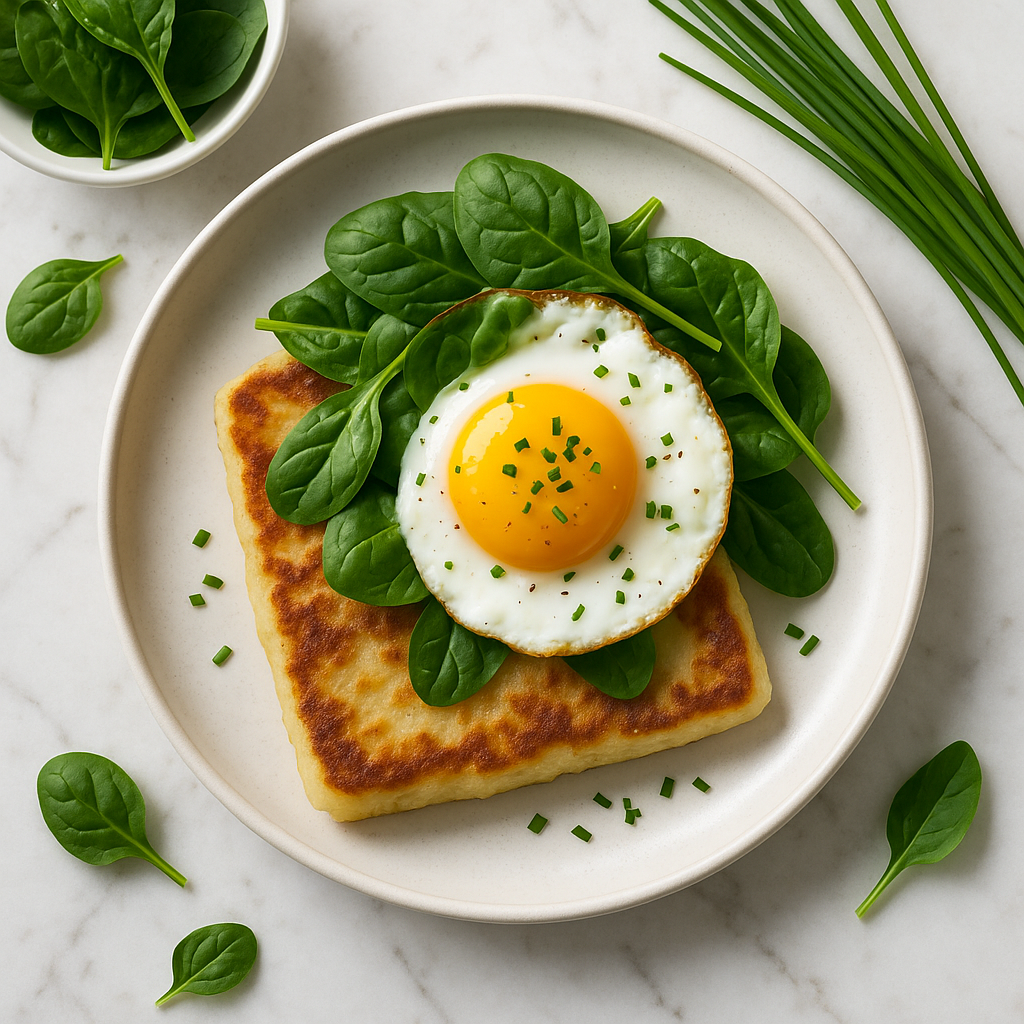
Irish Potato Farls with Fried Egg, Spinach and Chive takes a classic Northern Irish staple and rebuilds it from the ground up as a genuinely nourishing morning meal. Traditional farls lean heavily on butter and white flour, which makes them satisfying but not particularly useful if you are watching your protein intake or trying to keep calories in check. This version clocks in at 382 calories per serving with 18 grams of protein, 6 grams of fibre and 14 grams of fat, which is a remarkably balanced plate for a potato-based breakfast. The addition of cauliflower to the farl mix is the quiet hero here. It lowers the overall carbohydrate density without changing the soft, slightly chewy texture you expect from a good farl. Paired with a fried egg and wilted spinach, this recipe gives you sustained energy rather than the blood sugar spike and crash that a conventional fry-up tends to deliver. It sits squarely in the high-protein, dairy-free category, and it is one of those breakfasts that actually keeps you full until lunch.
The ingredient list does a lot of quiet nutritional work. The 400 grams of floury potatoes, varieties like Maris Piper or Rooster are ideal, form the base and bring potassium, vitamin C and resistant starch, which feeds gut bacteria and supports steady blood sugar levels. The 150 grams of cauliflower florets blend in seamlessly once mashed and contribute vitamin K, vitamin C and folate while cutting the carbohydrate load compared to an all-potato farl. Wholemeal plain flour adds 60 grams of structure and brings more fibre and B vitamins than white flour would. Two tablespoons of ground flaxseed is a small but meaningful addition, contributing around 4 grams of fibre and a source of plant-based omega-3 fatty acids that support heart health. The eight large free-range eggs deliver the bulk of the protein in this recipe, with roughly 6 grams of protein per egg, alongside choline, vitamin D and lutein. Baby spinach adds iron, magnesium and antioxidants, and the fresh chives contribute a gentle allium flavour alongside small amounts of vitamin A and vitamin K.
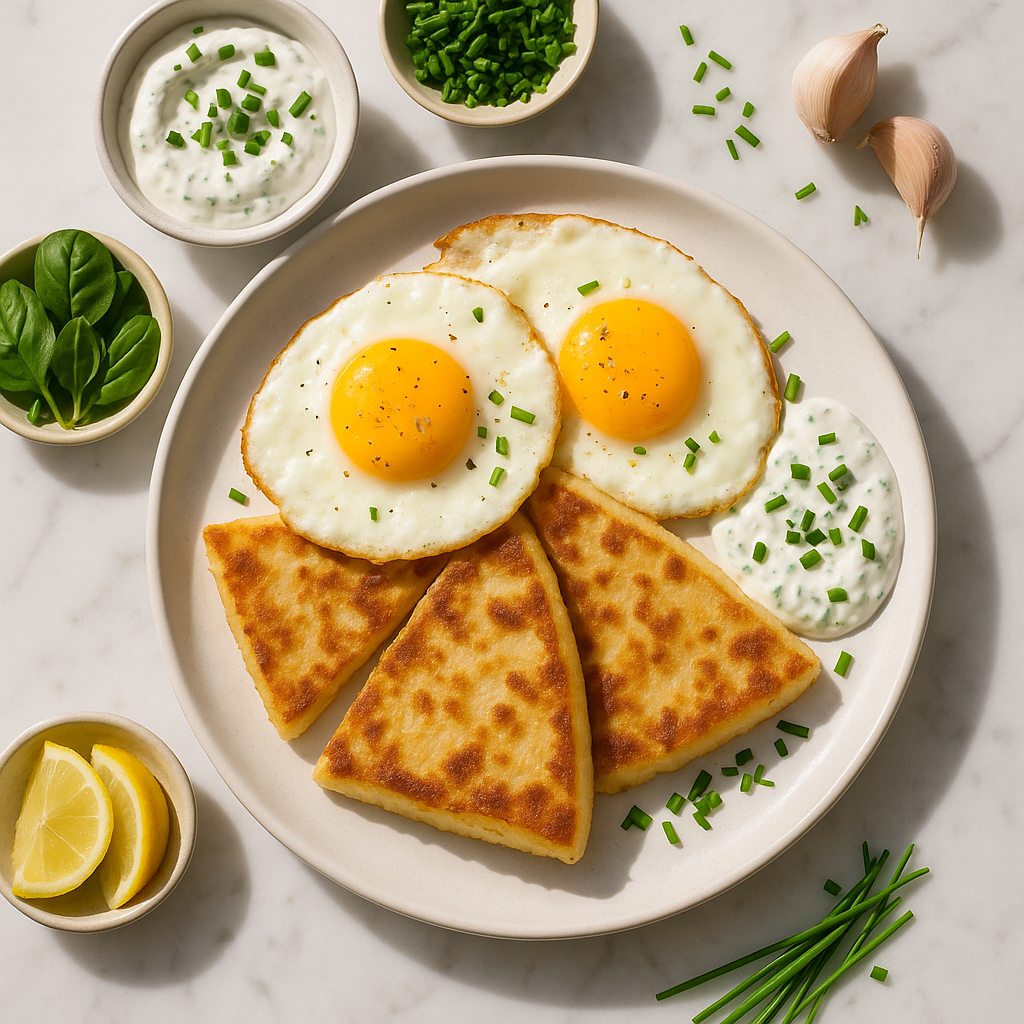
The cooked farl has a golden, lightly crisped exterior with a soft, almost pillowy interior that tears apart in a way that is genuinely satisfying. The smell when the farls hit the pan is earthy and faintly nutty, partly from the wholemeal flour and partly from the flaxseed. Because the cauliflower has been steamed or boiled and mashed alongside the potato before any flour is incorporated, it disappears completely into the dough. There is no cauliflower flavour to speak of, which is good news if you are serving this to anyone who claims not to like it. The farls are shaped into rounds and cut into quarters before being cooked in a small amount of olive oil in a dry or lightly oiled pan over medium heat. This gives you those characteristic flat, griddle-cooked surfaces rather than a deep-fried result. The fried egg on top, with its runny yolk if you cook it that way, acts almost like a sauce, coating the farl as you cut through it. The spinach wilts down to almost nothing but brings a fresh, slightly mineral note that balances the richness of the egg.
This recipe supports several clear health goals. The protein and fibre combination makes it well suited to anyone managing appetite and trying to avoid mid-morning snacking. At 18 grams of protein per serving, it comfortably meets the threshold that research associates with better satiety at breakfast. Because there is no dairy anywhere in the recipe, it suits people following dairy-free diets without any substitutions needed. The use of wholemeal flour and flaxseed means the carbohydrate content comes with fibre attached, which slows glucose absorption and makes this a more blood-sugar-friendly option than a standard potato farl. Athletes and active people will appreciate the carb and protein balance for morning fuelling without feeling heavy before training. It is also a reasonable option for anyone following a higher-fibre eating plan, given the 6 grams of fibre per serving, which is around a fifth of the recommended daily intake in a single meal. Older adults in particular may benefit from the egg and potato combination, as both support muscle maintenance through adequate protein and leucine content.
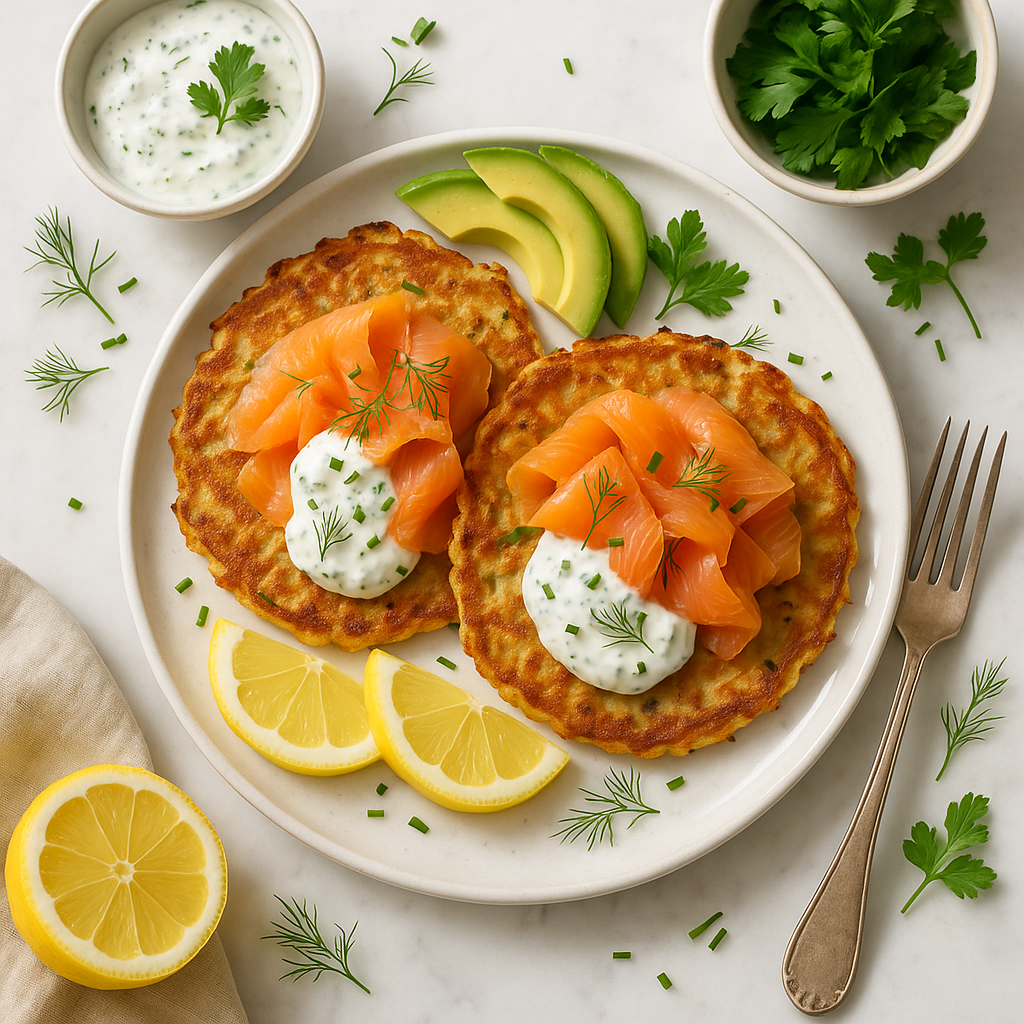
For meal prep, the uncooked farl dough can be made the evening before, wrapped tightly and kept in the fridge for up to 24 hours before shaping and cooking. Cooked farls keep well in an airtight container in the fridge for three days and reheat neatly in a dry pan over low heat for a few minutes each side, which brings the crust back without drying out the inside. They also freeze well for up to two months. Lay them flat on a baking tray to freeze individually before transferring to a bag, then reheat from frozen in a low oven at around 160 degrees Celsius for ten to twelve minutes. For variations, you could swap the baby spinach for kale or rocket depending on what you have. A pinch of smoked paprika in the farl mix adds a gentle warmth that works well with the egg. If you want to make this more substantial, a few slices of smoked salmon alongside the fried egg adds another protein hit and a completely different flavour profile. Full quantities and step-by-step instructions are set out in the recipe card below.
Ingredients
- 400 g floury potatoes (such as Maris Piper or Rooster, peeled and chopped)
- 150 g cauliflower florets (steamed until very tender)
- 60 g wholemeal plain flour (plus extra for dusting)
- 2 tbsp ground flaxseed (adds fibre and omega-3)
- 60 g baby spinach (wilted in a dry pan and all moisture squeezed out)
- 3 tbsp fresh chives (finely chopped)
- 0.5 tsp fine sea salt
- 0.3 tsp black pepper (freshly ground)
- 0.3 tsp garlic powder (optional but recommended)
- 2 tsp olive oil (divided, for frying the eggs)
- 8 large free-range eggs (2 per serving)
Instructions
- 1
Boil the chopped potatoes in lightly salted water for 12 to 15 minutes until completely tender. Drain thoroughly and return to the hot pan over a very low heat for 2 minutes, shaking occasionally, to steam off as much moisture as possible. Remove from heat and leave to cool for 10 minutes.
Dry potatoes are the secret to crispy farls. Do not rush this step.
- 2
While the potatoes cool, wilt the baby spinach in a small dry frying pan over a medium heat for about 1 to 2 minutes. Tip onto a clean cloth or piece of kitchen paper and squeeze firmly to remove every drop of liquid. Chop finely and set aside.
Any liquid left in the spinach will make your dough sticky and hard to handle.
- 3
Mash the cooled potatoes together with the steamed cauliflower until completely smooth with no lumps. Add the wholemeal flour, ground flaxseed, salt, black pepper and garlic powder if using. Mix together until a soft dough forms.
The dough should feel soft but not sticky. If it is sticking to your hands, add a little more flour one teaspoon at a time.
- 4
Fold the wilted spinach and chopped chives through the dough until evenly distributed. Turn the dough out onto a lightly floured surface and gently shape it into a round disc about 1 cm thick.
Handle the dough gently, overworking it makes the farls tough.
- 5
Using a sharp knife or a bench scraper, cut the round into 8 equal triangular pieces, like slicing a pizza. Dust the pieces lightly with a little extra wholemeal flour on both sides.
- 6
Heat a large non-stick frying pan or cast iron skillet over a medium heat. Do not add any oil. Cook the farls in batches, 4 at a time, for 4 to 5 minutes per side until golden brown and cooked through. Keep the cooked farls warm in a low oven at 100 degrees C while you cook the rest.
Resist the urge to press down or move the farls too soon. They release naturally when the crust is properly formed.
- 7
Once all farls are cooked, add half a teaspoon of olive oil to the pan and increase the heat slightly to medium-high. Crack in 4 eggs and fry to your liking, basting the whites with the hot oil from the pan if you prefer the yolk covered. Cook remaining 4 eggs with another half teaspoon of oil.
For a runnier yolk, cover the pan with a lid for the final 30 seconds of cooking.
- 8
Serve 2 warm farls per person with 2 fried eggs on top. Finish with a pinch of flaked sea salt, a crack of black pepper and an extra scattering of fresh chives.
Nutrition per serving
382kcal
Calories
18g
Protein
38g
Carbs
14g
Fat
6g
Fibre
3g
Sugar
390mg
Sodium
Pro Tips
- ✓
Steam your potatoes dry after boiling. This single step makes the biggest difference to farl texture.
- ✓
Squeeze every drop of moisture from the wilted spinach before adding it to the dough.
- ✓
Cook the farls in a dry pan with no oil for the best crisp exterior.
- ✓
Cool your mashed potato and cauliflower for at least 10 minutes before mixing in flour so the dough does not become gluey.
- ✓
A cast iron skillet gives the most even, golden crust if you have one available.
- ✓
Do not roll the dough too thin. Around 1 cm thickness gives you the ideal crispy outside and soft inside balance.
- ✓
If your dough feels too soft to handle, chill it in the fridge for 15 minutes before shaping.
Frequently Asked Questions
Variations
- •
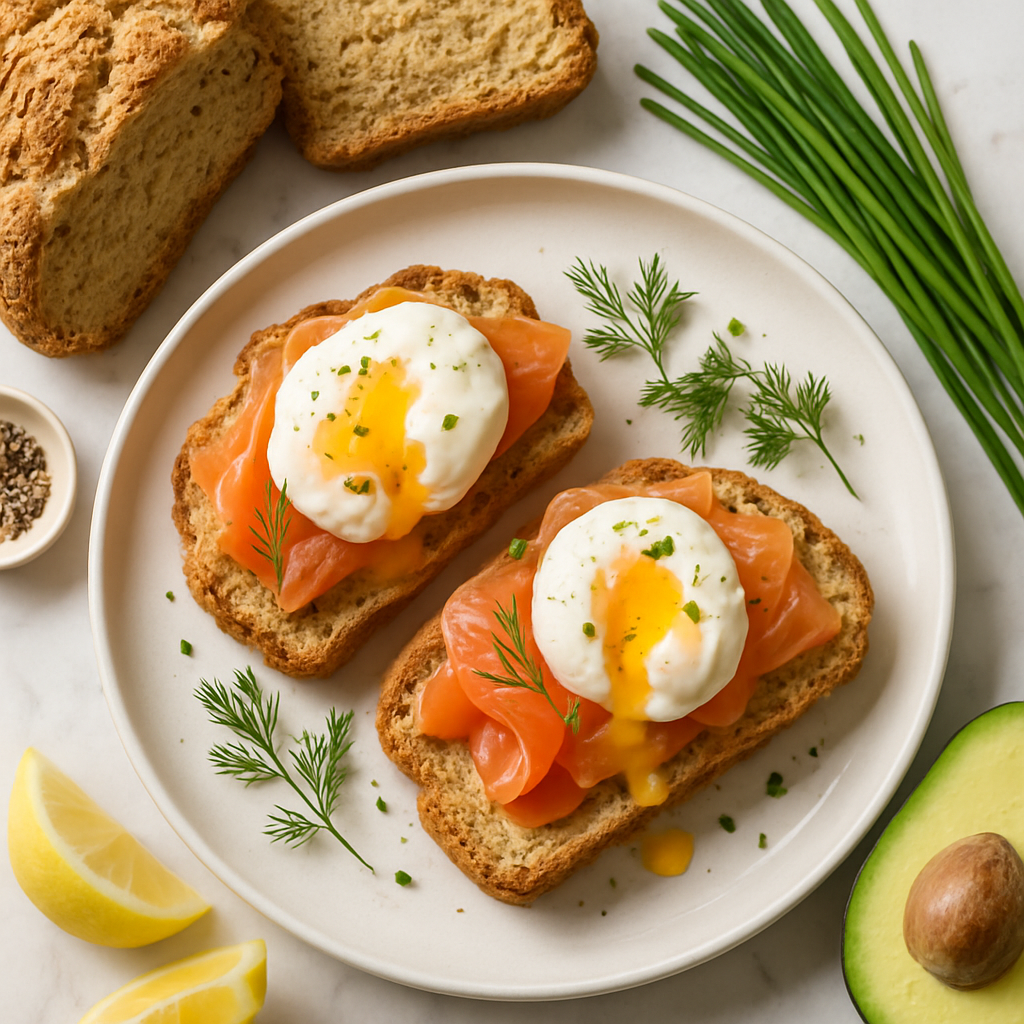
Herbed Farl with Poached Egg
Swap the chives for fresh flat-leaf parsley and a teaspoon of dried thyme. Serve with poached eggs instead of fried for a lighter finish with no added oil at all.
- •
Spiced Sweet Potato Farl
Replace half the floury potato with sweet potato and add half a teaspoon of smoked paprika and a pinch of cumin to the dough. Serve with fried eggs and a dollop of thick Greek yogurt on the side.
- •
Cheesy Farl with Scrambled Egg
Fold 30g of finely grated reduced-fat mature cheddar into the dough along with a pinch of mustard powder. Serve with scrambled eggs made with one whole egg and one egg white per person to keep protein high and fat moderate.
- •
Vegan Potato Farl with Avocado
Skip the fried eggs entirely. Add a tablespoon of nutritional yeast to the farl dough for a subtle savoury depth. Serve the warm farls topped with smashed avocado, sliced cherry tomatoes and a squeeze of lemon.
Substitutions
- •Wholemeal plain flour → Gluten-free plain flour blend (Use a 1:1 swap. The farls will be slightly more delicate so handle with extra care when flipping.)
- •Cauliflower → Additional floury potato (Use 550g of potato total if you prefer a fully traditional potato base. Calories and carbs will be slightly higher.)
- •Ground flaxseed → Chia seeds or psyllium husk (Both work well as fibre boosters. Use the same quantity. Psyllium husk can absorb more moisture so add one extra tablespoon of flour if the dough feels sticky.)
- •Baby spinach → Finely chopped kale or grated courgette (Kale adds a slight bitterness that works nicely. If using grated courgette, salt it first, leave for 10 minutes then squeeze out all moisture before adding.)
- •Fresh chives → Spring onion greens (Finely sliced spring onion tops bring a similar mild onion flavour and work just as well in the dough.)
🧊 Storage
Store cooked farls in an airtight container in the fridge for up to 3 days. Separate layers with baking paper to prevent sticking. Reheat in a dry non-stick pan over medium heat for 2 to 3 minutes per side. Freeze for up to 2 months. Always make fried eggs fresh to order.
📅 Make Ahead
The farl dough can be made up to 24 hours ahead, wrapped tightly in cling film and refrigerated. Shape and cook directly from the fridge, allowing an extra minute per side. Cooked farls can also be fully prepared in advance and stored in the fridge or freezer, then reheated when needed.