High Protein Keto Chia Seed Pudding with Coconut Milk
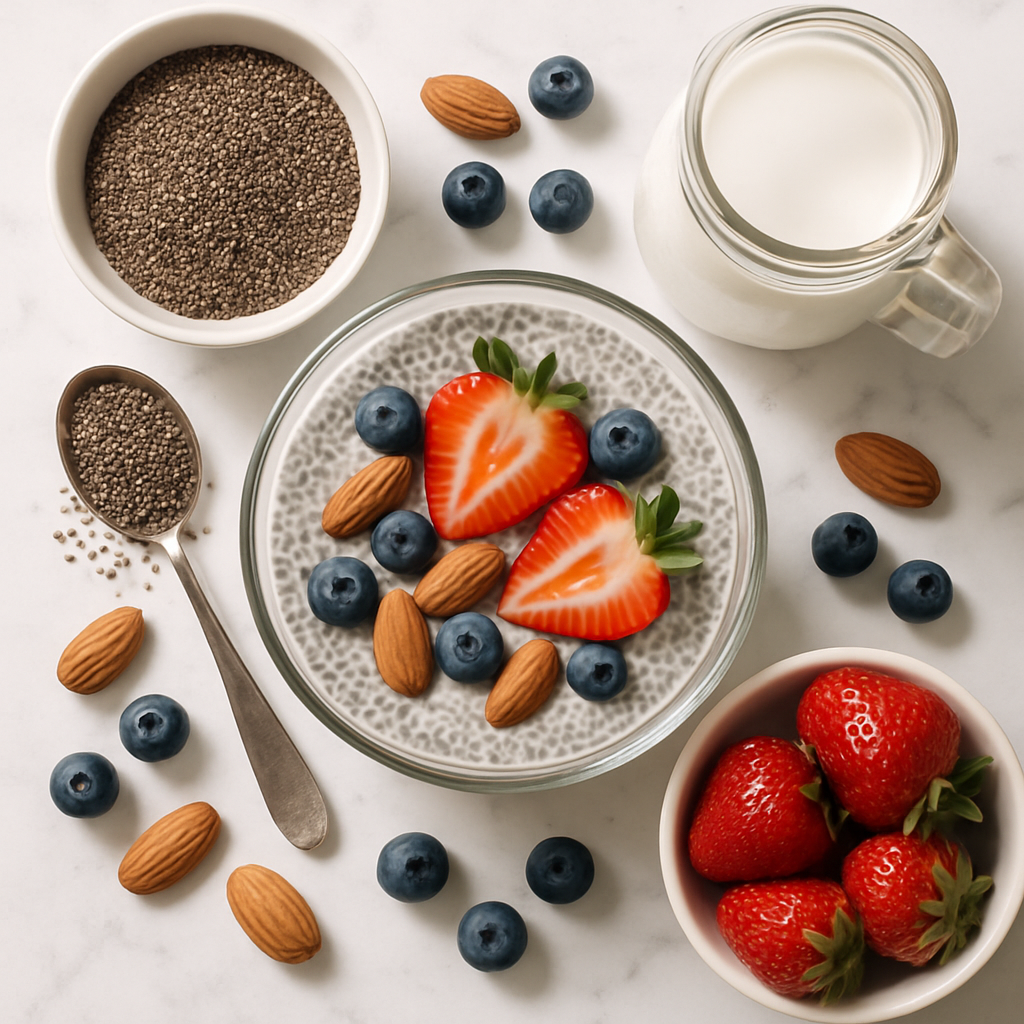
High Protein Keto Chia Seed Pudding with Coconut Milk is the kind of breakfast that earns its place in your weekly rotation fast. The standout feature here is the nutritional profile: 28 grams of protein and only 5 grams of net carbs in a single serving, which is genuinely hard to achieve in a no-cook breakfast without sacrificing texture or flavour. Most chia puddings you find online are pleasant enough but lean heavily on fruit and maple syrup to taste good, which pushes the carb count up and the protein down. This recipe takes a different approach by building the protein into the base itself using whey protein isolate and coconut yogurt, so you are not relying on toppings to carry the nutrition. The result is a pudding that keeps you full well past mid-morning, which matters if you are trying to eat fewer meals, manage blood sugar, or stay in ketosis. At 390 calories with 24 grams of fat and 13 grams of fibre, it covers a lot of nutritional ground before you even leave the house.
Every ingredient in this recipe has a clear job to do. Full-fat coconut milk forms the creamy, rich base and provides medium-chain triglycerides, which the body converts to energy efficiently and which support ketone production. Chia seeds at six tablespoons contribute around 10 grams of fibre on their own, along with omega-3 fatty acids and plant-based protein. They also do the structural work, absorbing the liquid and forming the thick, pudding-like consistency without any cooking or thickening agents. The two scoops of whey protein isolate are the main protein driver here, adding roughly 20 to 25 grams of clean protein with minimal carbohydrates, making it the smartest addition for anyone hitting a daily protein target. Plain coconut yogurt adds a slight tang, extra creaminess, and a few additional grams of protein while keeping the recipe dairy-free. Monk fruit sweetener contributes sweetness with zero impact on blood sugar or insulin, which is critical for a keto recipe. Ground cinnamon helps moderate blood sugar response and adds warmth. The pinch of sea salt sharpens every other flavour in the bowl.
When you lift the lid off this pudding after a night in the fridge, the texture is thick and spoonable, close to a thick Greek yogurt but with a slightly more gelatinous body from the chia seeds. The coconut milk gives it a natural ivory colour, and the toasted coconut flakes on top add a pale golden contrast. The smell is warm and gently sweet, with vanilla and cinnamon coming through first, followed by a hint of toasted coconut. The taste is creamy and lightly sweet without being sugary, and the raspberries cut through with a bright, tart note that balances the richness of the coconut. The chia seeds give it a subtle texture throughout, which some people love immediately and others grow to appreciate. The process itself is almost entirely hands-off. You whisk the protein powder into the coconut milk first to avoid clumps, then stir in the chia seeds, yogurt, sweetener, vanilla, cinnamon, and salt. Everything goes into a jar or bowl, gets a good stir, and then rests in the fridge for at least four hours, though overnight gives the best set.
This recipe directly supports several specific health goals. For anyone following a strict ketogenic diet, the 5-gram net carb count means it fits comfortably within daily limits while the high fat content helps maintain ketosis. For people managing type 2 diabetes or insulin resistance, the combination of high fibre, high fat, and monk fruit sweetener means there is no spike in blood glucose after eating it. Athletes and people in a muscle-building phase benefit from the 28 grams of protein first thing in the morning, which research consistently shows is useful for muscle protein synthesis across the day. Because it is completely gluten-free and dairy-free, it works for people with coeliac disease, lactose intolerance, or a general sensitivity to dairy. The high fibre content from chia seeds also supports digestive health and promotes the kind of slow digestion that keeps appetite in check for hours. Anyone eating fewer than three meals a day or using intermittent fasting protocols will find this a reliable and filling first meal.
This recipe was built for meal prep. You can make four to five portions on a Sunday evening and store them in individual jars with lids in the fridge for up to five days. The pudding does not degrade in texture over that time. In fact, the set often improves after 24 hours. It does not freeze particularly well because the chia gel breaks down on thawing and the coconut milk can separate, so the fridge is the right storage option here. Keep the toppings, including the toasted coconut flakes and raspberries, separate until you are ready to eat, as the flakes go soft quickly once in contact with moisture. For variations, you can swap raspberries for blueberries, which are also relatively low in carbs and high in antioxidants. You can use a chocolate whey protein isolate and add a tablespoon of unsweetened cocoa powder for a dessert-style version that still hits the same macros. For a thicker, more spoonable result, reduce the coconut milk by two tablespoons and add an extra tablespoon of chia seeds. Scroll down to the recipe card for the full measurements and step-by-step method.
Ingredients
- 1 cup full-fat coconut milk (canned, shaken well)
- 1 cup unsweetened coconut milk (carton variety for a lighter base)
- 6 tablespoons chia seeds (white or black both work)
- 2 scoops unflavoured or vanilla whey protein isolate powder (approximately 60g total, keto-friendly brand)
- 1 cup plain coconut yogurt (unsweetened, thick Greek-style preferred)
- 2 teaspoons monk fruit sweetener (or erythritol, adjust to taste)
- 1 teaspoon pure vanilla extract
- 1 teaspoon ground cinnamon (optional but recommended)
- 1 pinch fine sea salt (enhances overall flavour)
- 2 tablespoons toasted coconut flakes (for topping)
- 1 cup fresh raspberries (for topping, optional)
Instructions
- 1
Combine the full-fat canned coconut milk, carton coconut milk, coconut yogurt, vanilla extract, monk fruit sweetener, cinnamon, and sea salt in a medium mixing bowl. Whisk together until smooth and evenly combined.
Shake the canned coconut milk vigorously before opening to blend the cream and liquid together.
- 2
Add the vanilla protein powder to the bowl one tablespoon at a time, whisking constantly as you go. This prevents clumping and ensures the protein powder fully dissolves into the liquid base.
If small lumps persist, use a small hand blender or just keep whisking. The lumps will dissolve fully once refrigerated overnight.
- 3
Stir in the chia seeds using a spatula or spoon, making sure they are evenly distributed throughout the mixture and not clumped together in one spot.
- 4
Divide the mixture evenly between two clean glass jars or airtight containers. Seal with lids and place in the refrigerator.
Wide-mouth mason jars work brilliantly here as they are easy to stir in the morning.
- 5
Refrigerate for at least 8 hours or overnight. The chia seeds will absorb the liquid and expand, creating a thick, creamy pudding texture.
Give each jar a stir after the first hour if possible. This prevents the chia seeds from settling at the bottom in a clump.
- 6
In the morning, remove the jars from the fridge and give each one a good stir. If the pudding is thicker than you like, stir in a small splash of coconut milk to loosen it slightly.
- 7
Top each jar with toasted coconut flakes, fresh raspberries, and any other toppings you enjoy. Serve immediately straight from the jar.
Add toppings just before eating rather than the night before so they stay fresh and textured.
Nutrition per serving
390kcal
Calories
28g
Protein
18g
Carbs
24g
Fat
13g
Fibre
3g
Sugar
140mg
Sodium
Pro Tips
- ✓
Use full-fat canned coconut milk rather than light versions for the thickest, creamiest result.
- ✓
Whey protein isolate blends more smoothly than concentrate. If you prefer a dairy-free option, a high-quality pea or hemp protein powder works well too.
- ✓
For a perfectly smooth pudding, blend the entire mixture briefly before adding the chia seeds.
- ✓
Always stir the mixture once after about 30 to 60 minutes in the fridge to redistribute the chia seeds and prevent a dense clump at the bottom.
- ✓
Taste the liquid base before refrigerating and adjust sweetener to your preference. The flavour mellows slightly overnight.
- ✓
Monk fruit sweetener and erythritol are both zero-carb options that keep this firmly keto-friendly.
- ✓
If your protein powder is already sweetened, you may want to reduce or skip the additional sweetener entirely.
Frequently Asked Questions
Variations
- •
Chocolate Keto Chia Pudding
Replace the vanilla protein powder with a chocolate-flavoured whey isolate and add one tablespoon of unsweetened cocoa powder to the liquid base. Top with a few keto-friendly dark chocolate chips and a pinch of flaky sea salt.
- •
Matcha Coconut Chia Pudding
Whisk one teaspoon of ceremonial-grade matcha powder into the coconut milk base before adding the protein powder and chia seeds. Use an unflavoured protein powder and top with hemp seeds and a few blueberries.
- •
Tropical Turmeric Chia Pudding
Add half a teaspoon of ground turmeric and a quarter teaspoon of ground ginger to the base for an anti-inflammatory twist. Top with toasted coconut flakes and a few cubes of fresh mango if your carb budget allows.
- •
Cinnamon Vanilla Almond Chia Pudding
Add an extra half teaspoon of cinnamon and a quarter teaspoon of cardamom to the base. Stir in one tablespoon of almond butter before refrigerating. Top with crushed almonds and a dusting of cinnamon.
Substitutions
- •Whey protein isolate → Pea protein powder or hemp protein powder (Makes the recipe fully dairy-free and vegan. Pea protein blends most smoothly and has the mildest flavour.)
- •Coconut yogurt → Full-fat plain Greek yogurt (Use if dairy is acceptable in your diet. Greek yogurt boosts the protein content even further and adds a pleasant tang.)
- •Monk fruit sweetener → Erythritol or allulose (Both are zero-carb and keto-friendly. Allulose tends to have the most natural sugar-like taste with no cooling aftertaste.)
- •Full-fat canned coconut milk → Coconut cream (Coconut cream is even richer and will produce an extra thick pudding. Dilute slightly with a splash of water or almond milk if needed.)
- •Chia seeds → No direct substitute for the same texture (Chia seeds are essential for the pudding structure. You can reduce the quantity slightly for a thinner consistency but do not replace them entirely.)
🧊 Storage
Store sealed jars in the refrigerator for up to 4 days. Do not freeze as the texture of the chia pudding changes significantly when thawed. Add fresh toppings only just before serving.
📅 Make Ahead
This recipe is designed to be made ahead. Prepare up to 4 jars at once on a Sunday evening and store them in the fridge for easy weekday breakfasts through to Thursday. Keep toppings stored separately and add them fresh each morning.