High Protein Egg Muffins with Spinach and Feta
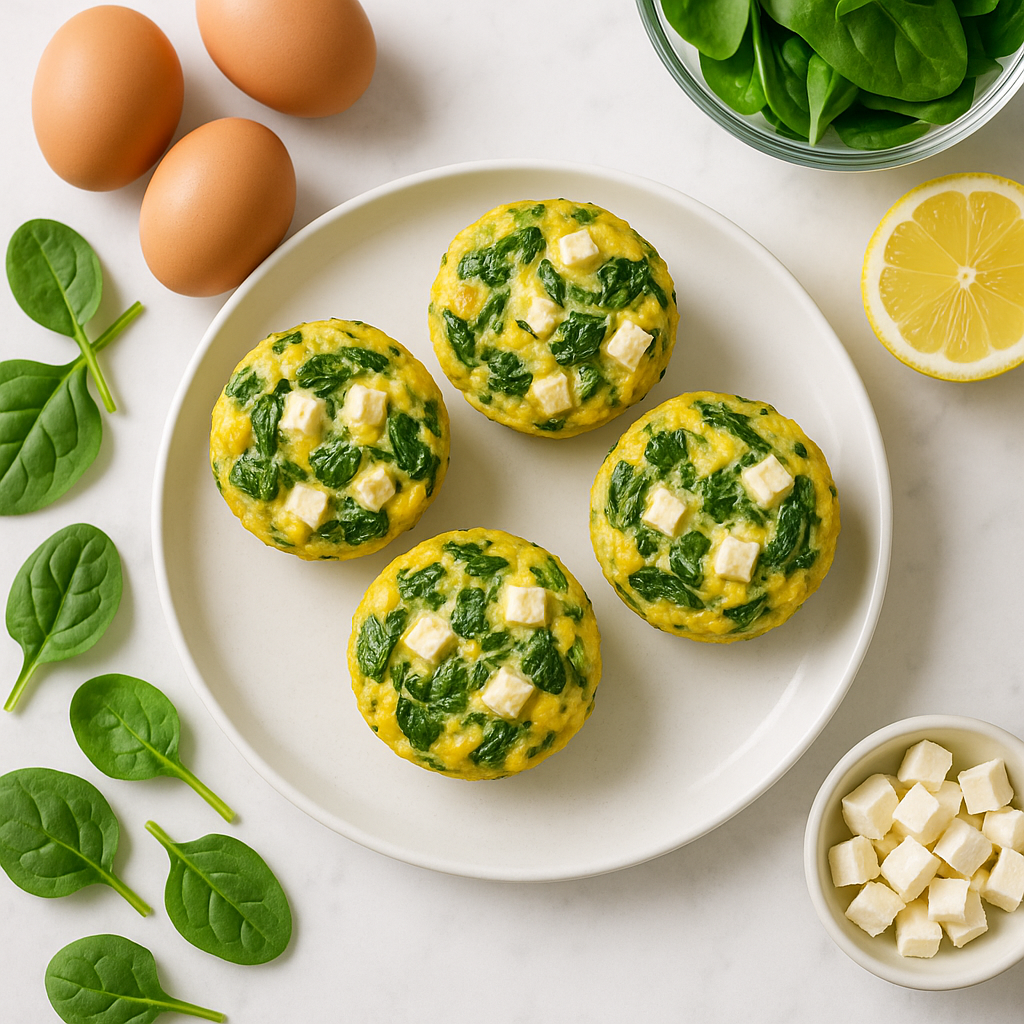
High Protein Egg Muffins with Spinach and Feta are the kind of recipe that earns a permanent spot in your weekly rotation once you make them. Each muffin delivers 14 grams of protein at just 115 calories, which is a ratio that is genuinely hard to beat in a portable breakfast format. Most egg muffin recipes rely solely on whole eggs and a handful of vegetables, but this one goes further by folding in full-fat cottage cheese, which adds a noticeable fluffiness to the interior and pushes the protein content well beyond what eggs alone could achieve. The macros here, 3 grams of carbs and 5 grams of fat per muffin, make them suitable for people tracking intake carefully without wanting to eat the same plain omelette every morning. They are compact, they travel well, and a batch of twelve means you have breakfast covered for the better part of a working week. If you find yourself skipping breakfast because mornings are rushed or you cannot face cooking at 7am, this recipe is a practical answer to that specific problem.
Each ingredient in these muffins is doing real work. The six whole eggs form the structural base and contribute a broad spectrum of nutrients including choline, vitamin D, and selenium alongside their protein. The four additional egg whites push the overall protein content higher without adding meaningful fat or calories, keeping each muffin lean. Full-fat cottage cheese is the ingredient that surprises most people. It contains casein protein, which digests slowly and contributes to satiety, and when blended into an egg mixture it creates a noticeably lighter, almost soufflé-like texture rather than a dense baked egg. Baby spinach brings iron, folate, and vitamin K, and at 90 grams across twelve muffins it adds genuine nutritional value without tasting grassy or overwhelming. Feta cheese at 80 grams gives a sharp, salty flavour hit and some additional fat and calcium. Sun-dried tomatoes add concentrated umami and a small amount of lycopene. The red onion, garlic, oregano, and chilli flakes are not afterthoughts. They build layers of background flavour that stop these from tasting like diet food.
When you pull these muffins out of the oven, the tops are lightly golden with small flecked patches of wilted spinach and crumbled white feta visible through the surface. The smell is savoury and warm, with that distinctive baked egg aroma undercut by the dried oregano and a faint heat from the chilli flakes. Bite into one and the texture is soft and springy rather than rubbery, which is the cottage cheese doing its job. The feta pockets are slightly creamy where they have softened during baking, and the sun-dried tomatoes give occasional chewy, intensely flavoured bursts against the milder egg base. The process itself is straightforward. You briefly sauté the onion and garlic in olive oil to soften them and draw out their sweetness, then wilt the spinach in the same pan. That quick cooking step matters because raw spinach releases a lot of water as it bakes, which can make the muffins watery and dense. Whisking the cottage cheese directly into the egg mixture rather than stirring it in loosely is the other technique that makes a visible difference to the final result.
These muffins are genuinely useful for people working toward a high protein intake without relying on protein powders or processed food. At 14 grams per muffin, eating two at breakfast puts 28 grams of quality protein on the board before 9am, which supports muscle maintenance, appetite regulation, and stable energy levels through the morning. The recipe is naturally gluten-free, which makes it accessible for people with coeliac disease or gluten sensitivity without requiring any substitutions. The low carb count, 3 grams per muffin with 1.5 grams from natural sugars, puts this firmly within a ketogenic framework. Active people, older adults prioritising muscle retention, people managing blood sugar, and anyone doing strength training will find these a genuinely practical breakfast option. The absence of refined sugar means there is no blood glucose spike followed by a mid-morning energy slump, which is a common problem with cereal, toast, or commercial breakfast options. The fibre from the spinach and tomatoes, while modest at 0.8 grams per muffin, contributes to the overall nutritional profile in a meaningful way across multiple servings.
Meal prep is where this recipe really shows its value. Make a full batch of twelve on a Sunday and they will keep well in an airtight container in the refrigerator for up to five days. For longer storage, cool them completely, wrap each one individually in cling film, and freeze for up to three months. Reheating from frozen takes about 90 seconds in a microwave or eight to ten minutes in an oven at 180 degrees Celsius. From the fridge, 30 to 45 seconds in the microwave is enough to bring them back to a pleasant eating temperature. For variations, swapping the feta for a sharp cheddar gives a richer, more melted texture inside. Replacing the sun-dried tomatoes with roasted red peppers keeps a similar sweet-savoury balance but with a fresher flavour. For a higher fat version that sits more firmly in a ketogenic diet, adding a tablespoon of cream cheese to the egg mixture alongside the cottage cheese creates an even richer interior. Scroll down to the recipe card for the full measurements, oven temperature, and step-by-step method.
Ingredients
- 6 large whole eggs (free-range if possible)
- 4 large egg whites (from carton or fresh)
- 180 g full-fat cottage cheese (blended smooth)
- 90 g fresh baby spinach (roughly chopped)
- 80 g feta cheese (crumbled)
- 50 g sun-dried tomatoes (drained and finely chopped, no added sugar variety)
- 1 small red onion (finely diced)
- 2 cloves garlic (minced)
- 1 tsp olive oil (for sauteing)
- 0.5 tsp dried oregano
- 0.3 tsp chilli flakes (optional, adjust to taste)
- 0.3 tsp black pepper (freshly ground)
- 0.3 tsp fine sea salt (feta is salty so go easy)
Instructions
- 1
Preheat your oven to 180 degrees Celsius (160 fan, 350 Fahrenheit). Grease a 12-cup muffin tin generously with a light spray of olive oil, or line each cup with silicone muffin liners for the easiest release.
Silicone liners are worth the investment for egg muffins. They pop out cleanly every single time.
- 2
Warm the olive oil in a non-stick frying pan over medium heat. Add the diced red onion and cook for 3 minutes until softened. Add the minced garlic and cook for another minute. Tip in the chopped baby spinach and stir until wilted, about 2 minutes. Remove from heat and set aside to cool slightly.
Letting the spinach cool before adding to the egg mixture prevents the eggs from starting to cook prematurely.
- 3
Add the whole eggs, egg whites, cottage cheese, dried oregano, chilli flakes, salt, and pepper to a blender. Blitz for about 20 seconds until the mixture is completely smooth and the cottage cheese has fully incorporated.
Blending the cottage cheese is the secret to a fluffy, smooth texture. Do not skip this step.
- 4
Pour the blended egg mixture into a large jug or bowl for easy pouring. Stir through the wilted spinach mixture, the chopped sun-dried tomatoes, and half the crumbled feta.
- 5
Divide the mixture evenly among the 12 muffin cups, filling each one to about three quarters full. Scatter the remaining crumbled feta over the top of each muffin.
A ladle or measuring cup makes this step much neater and ensures even portions.
- 6
Bake for 20 to 22 minutes until the muffins are puffed, set in the centre, and lightly golden at the edges. A toothpick inserted into the middle of a muffin should come out clean.
They will puff up dramatically in the oven and deflate slightly as they cool. This is completely normal.
- 7
Allow the muffins to cool in the tin for 5 minutes before removing. Run a butter knife around the edge of each cup if needed, then transfer to a wire rack. Serve warm or allow to cool fully before storing.
Nutrition per serving
115kcal
Calories
14g
Protein
3g
Carbs
5g
Fat
0.8g
Fibre
1.5g
Sugar
280mg
Sodium
Pro Tips
- ✓
Blending the cottage cheese until completely smooth is non-negotiable for a good texture. A lumpy base leads to uneven baking.
- ✓
Do not overfill the muffin cups. Three quarters full gives the eggs room to puff without overflowing.
- ✓
Squeeze any excess moisture from the wilted spinach if it looks very wet. Too much liquid can make the muffins watery.
- ✓
These muffins reheat brilliantly. Microwave on medium power for 45 to 60 seconds from the fridge, or 90 seconds from frozen.
- ✓
For extra colour and flavour, add a tiny pinch of smoked paprika to the egg mixture before blending.
- ✓
Use room temperature eggs if you can. They blend more smoothly with the cottage cheese.
Frequently Asked Questions
Variations
- •
Greek Style
Add 2 tablespoons of chopped Kalamata olives and a teaspoon of lemon zest to the mixture for a bright Mediterranean flavour profile.
- •
Turkey and Feta
Fold through 80 grams of cooked, diced turkey breast alongside the spinach for an even bigger protein boost. This version hits closer to 18 grams of protein per muffin.
- •
Roasted Red Pepper and Feta
Swap the sun-dried tomatoes for 60 grams of finely chopped roasted red peppers from a jar. Adds natural sweetness and a pop of colour.
- •
Dairy-Free Version
Replace the cottage cheese with plain unsweetened oat-based yoghurt and use a dairy-free crumbled cheese alternative in place of feta. The texture will be slightly denser but still delicious.
Substitutions
- •Cottage cheese → Plain Greek yoghurt (Use full-fat Greek yoghurt in the same quantity. The protein content will be slightly lower but the texture remains good.)
- •Fresh baby spinach → Frozen spinach (Thaw completely and squeeze out all excess moisture before using. About 60 grams of frozen spinach replaces 90 grams fresh.)
- •Feta cheese → Goat cheese (Crumbled goat cheese melts similarly and has a tangier, creamier flavour. Works beautifully in this recipe.)
- •Sun-dried tomatoes → Roasted red peppers (Gives a slightly sweeter, milder flavour. Chop finely and pat dry before adding to avoid excess moisture.)
- •Red onion → Spring onions (Use 4 spring onions, sliced thinly. No need to saute them first. Just stir them in raw with the other fillings.)
🧊 Storage
Store cooled egg muffins in an airtight container in the refrigerator for up to 5 days. To freeze, place individual muffins on a lined baking tray and freeze until solid, then transfer to a zip-lock bag or freezer container for up to 3 months. Reheat from frozen in the microwave on medium power for 90 seconds, or in the oven at 160 degrees Celsius for 10 minutes.
📅 Make Ahead
These muffins are a meal prepper's dream. Bake the full batch on a Sunday and you have five days of ready-to-go breakfasts sorted. You can also prepare the egg and vegetable mixture the night before, cover it and refrigerate it, then pour and bake fresh in the morning if you prefer them warm.