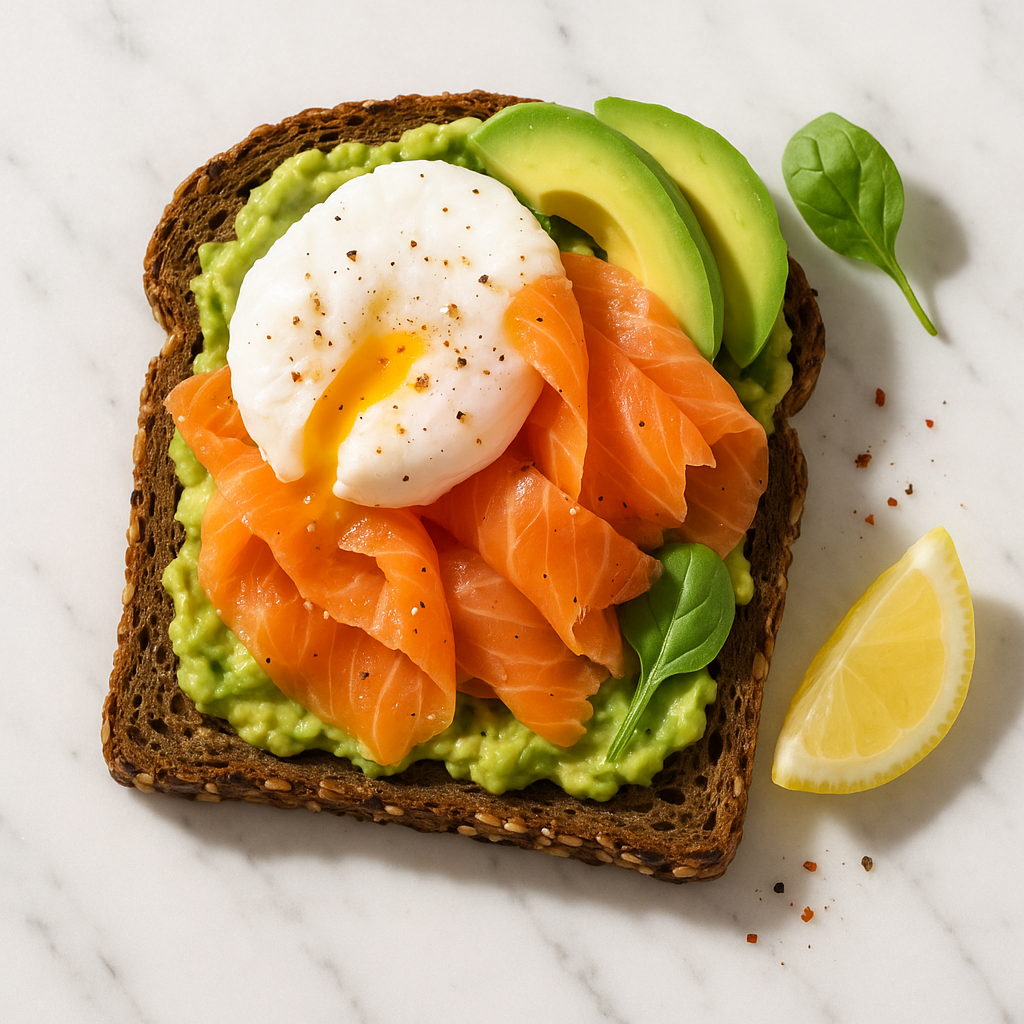
High Protein Cottage Cheese Pancakes (Low Calorie and Fluffy)
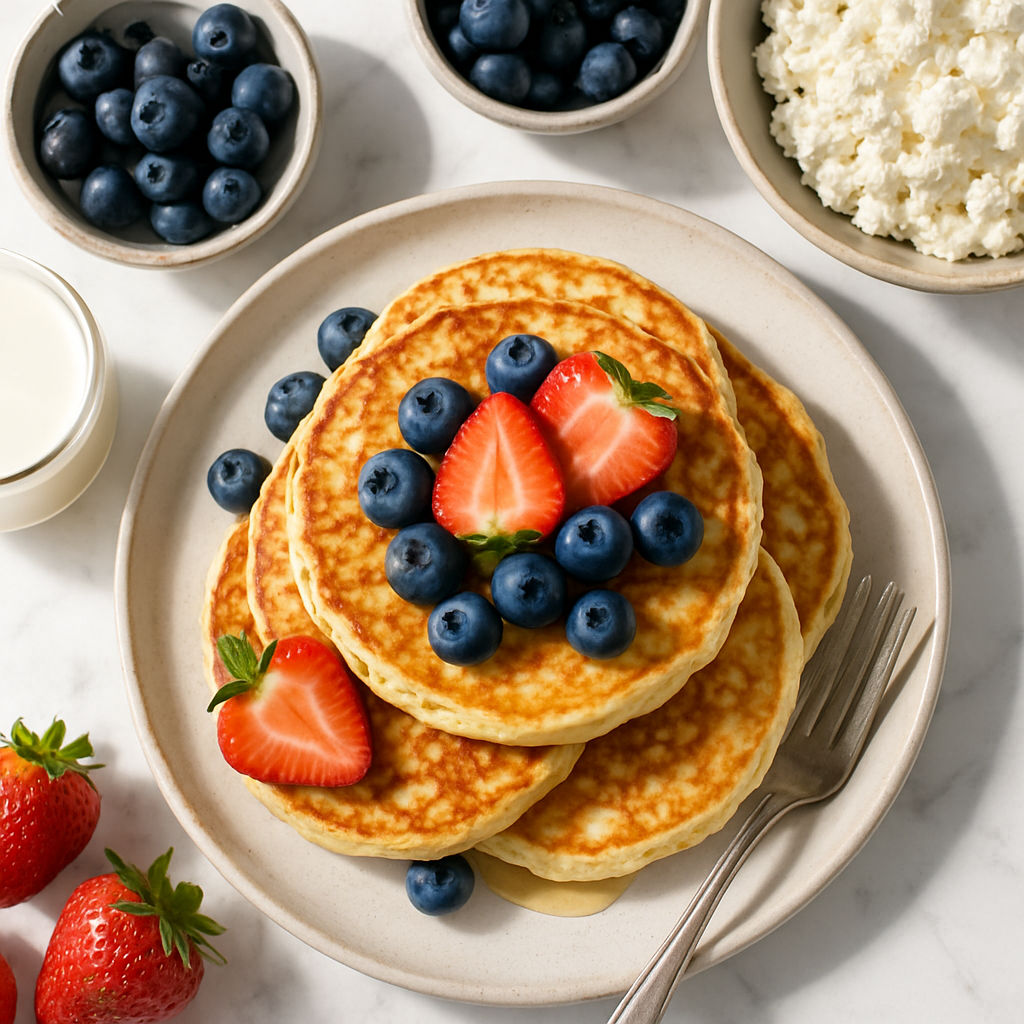
Cottage cheese pancakes have been quietly winning the healthy breakfast world for good reason. They deliver real, satisfying protein without loading your morning with unnecessary sugar or refined flour. This version takes things a step further by adding oat flour for extra fibre, a scoop of unflavoured protein powder for an extra protein boost, and just a touch of vanilla and cinnamon to make every bite taste like a treat. The result is a stack of pancakes that genuinely keeps you full until lunch, without any of that heavy, sluggish feeling you sometimes get from traditional fluffy stacks.
The secret to the texture here is blending the batter. Once you blend cottage cheese with eggs, oat flour, and the remaining ingredients, you get this beautifully smooth, slightly thick batter that puffs up beautifully on the pan. The cottage cheese essentially melts into the batter as it cooks, leaving no lumpy texture behind. Just golden edges, a soft pillowy centre, and a lightly golden crust that holds together well enough to stack. If you have never tried blending your pancake batter before, this recipe will absolutely convert you.
From a nutrition standpoint, these pancakes are genuinely impressive. Each serving of three pancakes comes in at around 215 calories with 18 grams of protein, 4 grams of fibre, and only 5 grams of sugar. Compare that to a typical stack of buttermilk pancakes that can easily clock in at 400 to 500 calories with minimal protein and little to no fibre. The cottage cheese brings casein protein, which digests slowly and supports steady energy levels throughout the morning. The oat flour adds soluble fibre that supports gut health and helps regulate blood sugar. And the eggs contribute healthy fats and additional amino acids your body needs after an overnight fast. This is the kind of breakfast that actually does something good for you.
Serving suggestions are endless. Keep it simple with a drizzle of pure maple syrup and some fresh berries for natural sweetness. Or go savoury and top with a spoonful of plain Greek yogurt and sliced cucumber for a surprisingly satisfying combination. Sliced banana with a light sprinkle of cinnamon works brilliantly too, adding natural sweetness without any added sugar. These pancakes also reheat really well, making them a great candidate for batch cooking on a Sunday and pulling out through the week. Whether you are deep in a fitness routine, managing your weight, or simply trying to eat a bit more mindfully, this recipe fits into your morning without feeling like a compromise.
Ingredients
- 3 cup low-fat cottage cheese (1% or 2% milkfat, small curd works best)
- 2 large eggs (free range if possible)
- 1 cup oat flour (certified gluten-free oat flour if needed; blend rolled oats to make your own)
- 2 tablespoons unflavoured whey protein powder (or plain plant-based protein powder for a dairy-free option)
- 1 teaspoon baking powder
- 1 teaspoon pure vanilla extract
- 1 teaspoon ground cinnamon
- 1 teaspoon raw honey or pure maple syrup (optional, for a touch of natural sweetness)
- 1 teaspoon light olive oil or coconut oil (for greasing the pan)
Instructions
- 1
Add the cottage cheese and eggs to a blender. Blend on medium speed for about 20 to 30 seconds until completely smooth and no lumps remain.
Blending is the key step here. It creates a lump-free batter and gives the pancakes their fluffy, even texture.
- 2
Add the oat flour, protein powder, baking powder, vanilla extract, cinnamon, and honey (if using) to the blender. Pulse 4 to 5 times until just combined. Do not over-blend at this stage.
Over-blending after adding the oat flour can make the pancakes dense. A few quick pulses is all you need.
- 3
Let the batter rest for 2 minutes while you heat a non-stick skillet or griddle over medium-low heat. Add a small amount of olive oil or coconut oil and spread it lightly across the surface.
Medium-low heat is important. Cottage cheese pancakes are more delicate than regular pancakes and can brown too quickly on high heat.
- 4
Pour about 3 tablespoons of batter per pancake onto the pan. You should fit 2 to 3 at a time depending on pan size. Cook for 2 to 3 minutes until small bubbles form on the surface and the edges look set.
Resist the urge to press them down. Let them rise naturally for maximum fluffiness.
- 5
Carefully flip each pancake using a thin spatula and cook for a further 1 to 2 minutes on the other side until golden and cooked through.
These pancakes are slightly more fragile than flour-based ones, so use a wide spatula and flip with confidence in one smooth motion.
- 6
Transfer finished pancakes to a warm plate. Repeat with the remaining batter, adding a tiny drop more oil between batches if needed.
- 7
Serve immediately with your chosen toppings. Fresh berries, a light drizzle of maple syrup, or a spoonful of Greek yogurt all work beautifully.
Nutrition per serving
215kcal
Calories
18g
Protein
22g
Carbs
6g
Fat
4g
Fibre
5g
Sugar
310mg
Sodium
Pro Tips
- ✓
Use small curd cottage cheese for a smoother blend and more even batter consistency.
- ✓
If your batter feels too thick, add one tablespoon of water or unsweetened almond milk and pulse once to loosen it slightly.
- ✓
Cook on medium-low rather than medium heat. Cottage cheese pancakes can catch on the outside before cooking through if the heat is too high.
- ✓
To keep the first batch warm while you cook the rest, place finished pancakes on a baking tray in an oven set to 90 degrees Celsius.
- ✓
Certified gluten-free oat flour is widely available in health food stores and larger supermarkets. You can also make your own by blending rolled oats in a food processor until fine.
- ✓
For a thicker, more filling stack, let the batter rest for 5 minutes before cooking. This allows the oat flour to absorb moisture and creates a slightly denser, more substantial pancake.
Frequently Asked Questions
Variations
- •
Blueberry Lemon Cottage Cheese Pancakes
Add a teaspoon of fresh lemon zest and a small handful of fresh or frozen blueberries to the batter after blending. Fold them in gently with a spoon rather than blending, so the berries stay whole. The lemon brightens everything up and pairs beautifully with the natural sweetness of the blueberries.
- •
Banana Oat Protein Pancakes
Replace the honey with half a ripe mashed banana, stirred into the batter after blending. The banana adds natural sweetness and potassium, and gives the pancakes a slightly denser, more satisfying texture. Great topped with a thin spread of almond butter.
- •
Savoury Cottage Cheese Pancakes
Omit the vanilla, cinnamon, and honey entirely. Add a pinch of garlic powder, a tablespoon of finely chopped chives, and a grind of black pepper. Top with a poached egg and sliced avocado for a high protein savoury breakfast that feels completely different.
- •
Chocolate Protein Pancakes
Replace the unflavoured protein powder with chocolate-flavoured whey or plant protein, and add one teaspoon of unsweetened cocoa powder to the batter. The result is a rich, chocolatey pancake that tastes indulgent but stays within the low calorie profile of the original.
Substitutions
- •Low-fat cottage cheese → Full-fat cottage cheese or ricotta cheese (Full-fat cottage cheese adds slightly more calories but creates a richer texture. Ricotta works well too and gives a slightly denser, creamier pancake. Calorie count will increase by approximately 20 to 30 calories per serving.)
- •Oat flour → Almond flour or buckwheat flour (Almond flour keeps the recipe grain-free and adds healthy fats. Use the same quantity but expect a slightly flatter, more delicate pancake. Buckwheat flour adds a nutty earthiness and is higher in fibre.)
- •Whey protein powder → Plant-based protein powder or extra oat flour (Plant-based protein works well for a dairy-reduced option. If skipping protein powder entirely, add an extra tablespoon of oat flour to maintain batter consistency.)
- •Eggs → 2 flax eggs (2 tablespoons ground flaxseed mixed with 6 tablespoons water, rested for 5 minutes) (Flax eggs reduce the binding slightly so expect a more fragile pancake. The protein content per serving will drop, but the recipe remains vegan-friendly.)
- •Raw honey or maple syrup → A few drops of pure stevia or simply omit (Omitting the sweetener saves around 5 calories per serving and works well if you plan to top with naturally sweet fruit. Stevia keeps sweetness without any added sugar.)
🧊 Storage
Store leftover pancakes in an airtight container in the fridge for up to 4 days. Reheat in a dry non-stick pan over low heat for 1 to 2 minutes per side, or in a toaster for a slightly crispier result. You can also freeze cooked pancakes in a single layer, then transfer to a freezer bag. They keep well for up to 2 months. Reheat straight from frozen in a toaster or low oven.
📅 Make Ahead
These pancakes are excellent for meal prep. Cook a full batch on Sunday, cool completely, then layer between sheets of parchment paper in an airtight container. Refrigerate for up to 4 days or freeze for up to 2 months. A quick reheat in the toaster or on a dry pan and they are ready in under 3 minutes on a busy morning.
You might also like
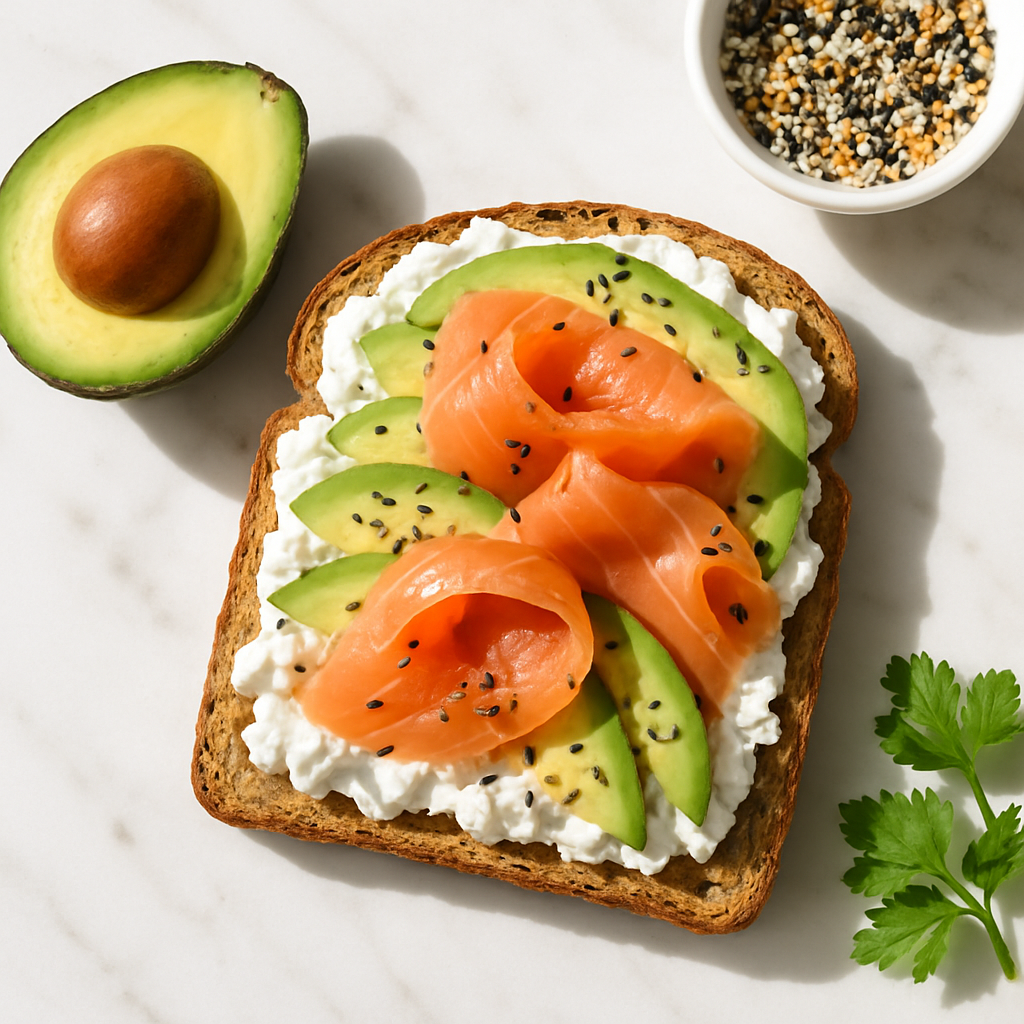
Smoked Salmon Avocado Toast High Protein with Cottage Cheese and Everything Seasoning
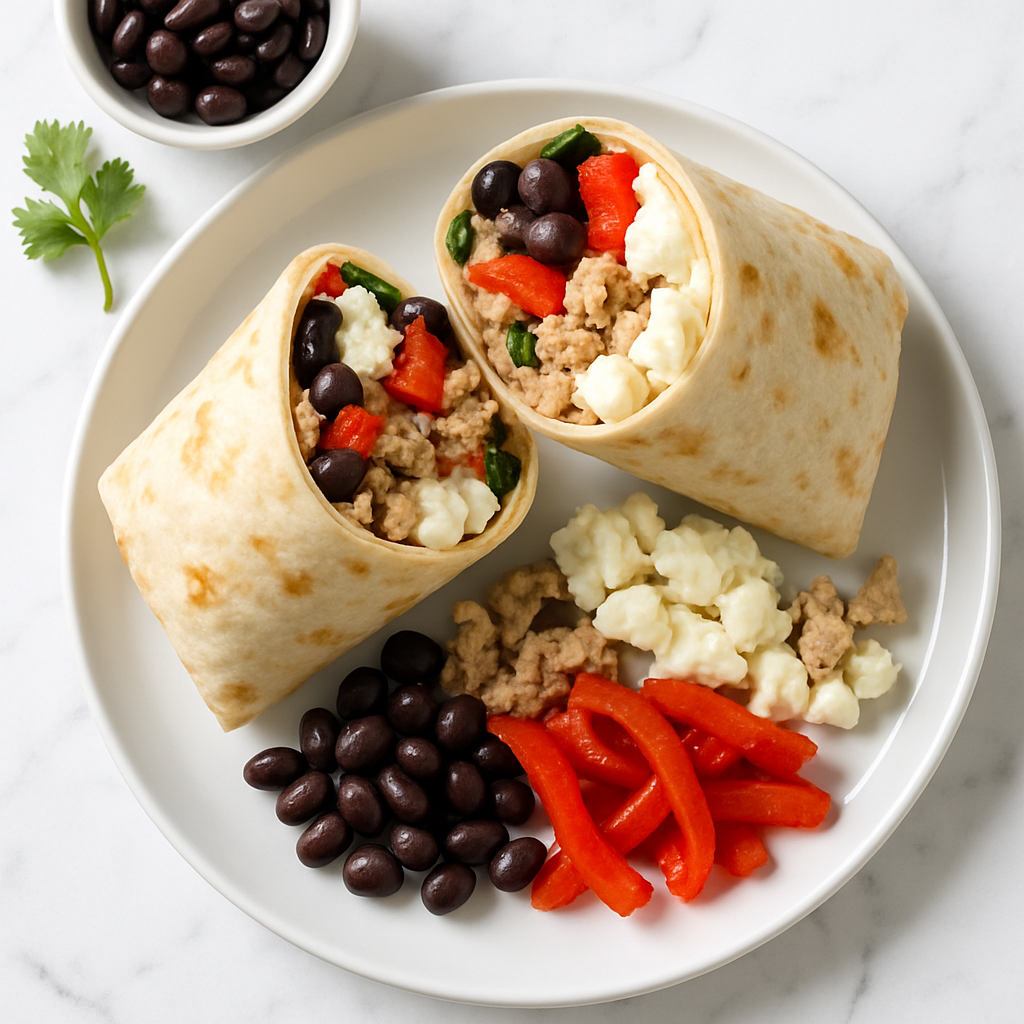
Turkey and Egg White Breakfast Burrito with Black Beans and Roasted Peppers