Fluffy Gingerbread Pancakes with Maple Syrup (High-Protein, Wholesome Stack)
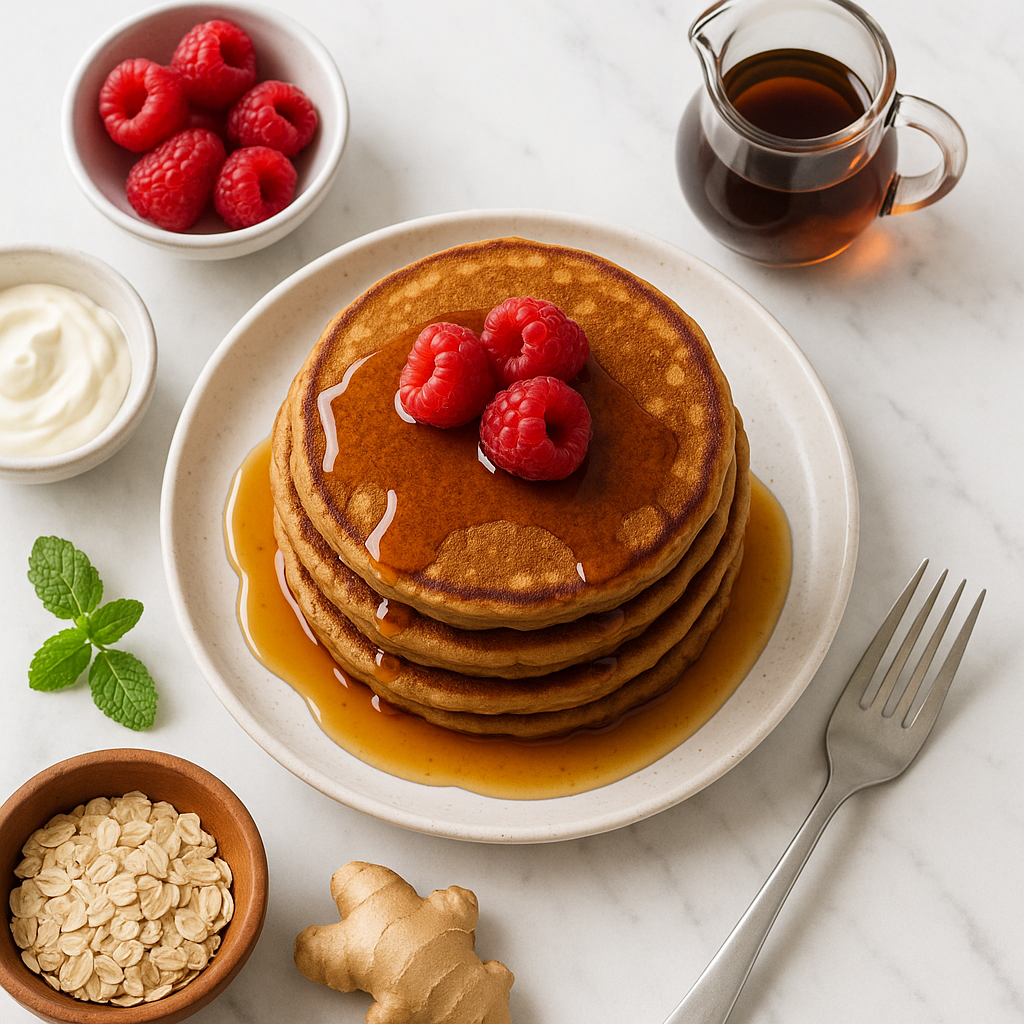
Fluffy Gingerbread Pancakes with Maple Syrup deliver everything you want from a warming breakfast stack without leaving you sluggish an hour later. At 24 grams of protein per serving and only 340 calories, this recipe sits in a category of its own among festive morning meals. Most gingerbread-inspired breakfasts lean heavily on refined flour, butter and brown sugar, tipping the nutritional balance into treat territory before the day has even started. This version keeps the warming, spiced character you expect from gingerbread while building the stack on a foundation of oat flour and protein powder, which means sustained energy rather than a quick spike and crash. The macros are well balanced across protein, carbohydrates and fat, with 4 grams of fibre rounding things out. It is high-protein, dairy-free and meal prep friendly, so it works on a rushed weekday morning and on a slow weekend when you want something that feels celebratory. The result is a stack that tastes indulgent but earns its place in a genuinely healthy breakfast rotation.
Oat flour is the structural backbone here, and it does far more than gluten-free flours that crumble and fall apart. It provides slow-digesting complex carbohydrates, around 4 grams of beta-glucan soluble fibre per 100 grams, which supports healthy cholesterol levels and keeps hunger at bay for longer than refined white flour would. The vanilla protein powder adds a full scoop of additional protein, bridging the gap between a typical pancake sitting at 6 to 8 grams of protein and this recipe hitting 24 grams. Ground ginger is not just a flavour agent. It contains gingerols, which have well-documented anti-inflammatory properties and support healthy digestion. Ground cinnamon contributes chromium and polyphenols that help moderate blood sugar response, which pairs usefully with the carbohydrate content of the oats. Coconut sugar brings a mild caramel depth with a lower glycaemic index than refined white sugar. The two large eggs provide roughly 12 grams of complete protein between them, plus choline for brain function. Unsweetened almond milk keeps the recipe dairy-free without adding unnecessary saturated fat.
The batter comes together quickly in one bowl. You whisk the dry ingredients, which includes the oat flour, protein powder, spices, leaveners and salt, then add the eggs and almond milk and stir until just combined. Overmixing flattens the pancakes, so stop when the batter looks uniform and slightly thick. It will look a little heavier than a standard pancake batter because oat flour absorbs liquid differently to plain flour. Cook them on a medium-low heat in a non-stick pan with a very light coating of oil, and give them two to three minutes per side. The edges firm up and small bubbles appear across the surface before you flip. What comes off the pan is a stack of golden brown rounds with a soft, springy interior, slightly thicker than a crepe but not dense in the way that protein pancakes often are. The smell during cooking is genuinely something special. Warm ginger, cinnamon, cloves and nutmeg fill the kitchen the way a batch of gingerbread in the oven does. Topped with a measured drizzle of maple syrup, the flavour hits the full range from warm and spiced to gently sweet.
This recipe is designed around two specific health goals: sustained morning energy and muscle support. The protein content makes it well-suited to anyone training in the mornings who needs amino acids available early in the day for muscle repair and recovery. The fibre and complex carbohydrates from oat flour support steady blood sugar, which matters for people managing energy levels throughout a busy morning or for anyone who experiences mid-morning hunger crashes on lower-protein breakfasts. Because it is dairy-free, it fits within a dairy-free or lactose-intolerant diet without any substitutions needed. It also works for those following a gluten-free diet provided the oat flour used is certified gluten-free, which is a straightforward swap. The coconut sugar and absence of refined sweeteners make it relevant for people moderating their added sugar intake without wanting to use artificial sweeteners. Children tend to enjoy the gingerbread flavour, so it crosses over well as a family breakfast that adults and kids can eat from the same pan without needing separate versions.
These pancakes hold up very well for meal prep. You can cook a full batch on a Sunday, let them cool completely on a wire rack, then stack them with a sheet of baking paper between each one and store them in an airtight container in the fridge for up to four days. For longer storage, freeze them in the same way for up to two months. Reheating is straightforward: a dry pan over medium heat for about 90 seconds per side brings them back to the right texture without making them rubbery, or a toaster works well for a crisper edge. A microwave is fine for speed but softens them more than the pan method. Variations worth trying include swapping the vanilla protein powder for a chocolate version, which pairs surprisingly well with the ginger and clove notes. Adding a tablespoon of molasses to the batter deepens the gingerbread flavour considerably. For extra texture, fold a handful of chopped pecans into the batter before cooking. Scroll down to the recipe card for the full method, exact measurements and step-by-step instructions.
Ingredients
- 1 cup oat flour (certified gluten-free if needed; make your own by blending rolled oats)
- 1 scoop vanilla protein powder (approximately 30g; whey or plant-based both work)
- 1.5 tsp baking powder
- 0.5 tsp bicarbonate of soda
- 1.5 tsp ground ginger (use up to 2 tsp if you love a bold gingerbread flavour)
- 1 tsp ground cinnamon
- 0.3 tsp ground cloves
- 0.3 tsp ground nutmeg
- 0.3 tsp fine sea salt
- 1 tbsp coconut sugar (or light brown sugar)
- 2 large eggs
- 0.8 cup unsweetened almond milk (or any milk of your choice)
- 1 tsp apple cider vinegar (creates a buttermilk effect for fluffiness)
- 1 tbsp blackstrap molasses (this is the key flavour ingredient; do not skip)
- 1 tsp pure vanilla extract
- 1 tbsp coconut oil (melted; plus extra for cooking)
- 3 tbsp pure maple syrup (for drizzling to serve; divided between 2 servings)
Instructions
- 1
Combine the almond milk and apple cider vinegar in a small jug or bowl. Stir briefly and set aside for two minutes. This creates a quick dairy-free buttermilk that helps the pancakes rise with a lovely fluffy texture.
Do not skip this step. The acid and bicarbonate of soda react together to create lift in the batter.
- 2
In a large mixing bowl, whisk together the oat flour, vanilla protein powder, baking powder, bicarbonate of soda, ground ginger, cinnamon, cloves, nutmeg, sea salt and coconut sugar. Make sure everything is evenly distributed with no clumps.
If your protein powder tends to clump, sift it into the bowl rather than just spooning it in.
- 3
In a separate bowl, whisk together the eggs, the buttermilk mixture, molasses, vanilla extract and melted coconut oil until fully combined. The molasses will make the mixture look very dark, which is exactly what you want.
Measure the molasses with a lightly oiled spoon and it will slide off cleanly without sticking.
- 4
Pour the wet ingredients into the dry ingredients and fold gently with a spatula until just combined. Stop as soon as you can no longer see dry flour. A few small lumps in the batter are completely fine and actually desirable. Over-mixing will make your pancakes tough.
- 5
Let the batter rest for five minutes at room temperature. This allows the oat flour to absorb the liquid fully and thickens the batter to the right consistency. The batter should be thick but still pourable.
If the batter feels too thick after resting, stir in one extra tablespoon of almond milk.
- 6
Heat a non-stick pan or griddle over medium-low heat. Add a very small amount of coconut oil and swirl to coat. When the pan is hot but not smoking, ladle approximately one third of a cup of batter per pancake onto the surface. Cook for two to three minutes until bubbles appear across the surface and the edges look set.
Medium-low heat is important here. Gingerbread batter can darken quickly due to the molasses, so a lower heat prevents burning while still cooking the inside through.
- 7
Flip each pancake carefully and cook for a further one to two minutes on the second side until cooked through. The pancakes should feel springy when lightly pressed in the centre. Repeat with the remaining batter, keeping cooked pancakes warm in an oven set to 100 degrees Celsius.
- 8
Serve three pancakes per person, drizzled with one and a half tablespoons of pure maple syrup. Add a dollop of plain Greek yogurt and a few banana slices or pomegranate seeds if you like. Dust with a tiny pinch of extra cinnamon for a beautiful finish.
A light dusting of cinnamon on top before serving makes these look as stunning as a café stack.
Nutrition per serving
340kcal
Calories
24g
Protein
38g
Carbs
10g
Fat
4g
Fibre
12g
Sugar
390mg
Sodium
Pro Tips
- ✓
Always rest the batter for five minutes before cooking. Oat flour needs this time to hydrate and the batter will visibly thicken, which helps create fluffy rather than flat pancakes.
- ✓
Cook on medium-low heat throughout. Molasses causes darker browning than regular batter so lower heat keeps the colour deep and rich without burning.
- ✓
Use a scant one-third cup of batter per pancake for consistent sizing. Larger pancakes are harder to flip cleanly with oat flour batter.
- ✓
Warm your serving plates in the oven before plating. Pancakes cool down fast and warm plates make a real difference to the eating experience.
- ✓
For extra fluffy results, separate the eggs, whisk the whites to soft peaks separately and fold them into the batter last. This takes more effort but produces an even airier stack.
- ✓
Fresh ginger grated finely into the batter (about half a teaspoon) alongside the ground ginger gives a more vibrant, zingy flavour that feels really special.
Frequently Asked Questions
Variations
- •
Banana Gingerbread Pancakes
Mash one very ripe banana and fold it into the wet ingredients before combining with the dry mix. This adds natural sweetness, extra potassium and a lovely soft texture. You can reduce or omit the coconut sugar entirely when using banana.
- •
Gingerbread Protein Pancakes with Greek Yogurt Drizzle
Instead of maple syrup, blend two tablespoons of plain Greek yogurt with one teaspoon of honey and a pinch of cinnamon to make a creamy drizzle. This keeps sugar lower while adding extra protein and a tangy contrast to the warm spices.
- •
Chocolate Chip Gingerbread Pancakes
Fold two tablespoons of dark chocolate chips (70 percent cocoa or higher) into the rested batter just before cooking. The bittersweet chocolate complements the molasses and spices beautifully and adds a small amount of antioxidants to the stack.
- •
Vegan Gingerbread Pancakes
Replace the two eggs with two flax eggs (two tablespoons of ground flaxseed mixed with six tablespoons of water, rested for five minutes). Use a plant-based protein powder. The pancakes will be slightly less fluffy but still very tasty and completely plant-based.
- •
Gingerbread Pancake Bites
Pour the batter into a lightly greased mini muffin tin and bake at 180 degrees Celsius for 12 to 14 minutes. These come out as adorable little pancake puffs, great for kids or for batch cooking a grab-and-go breakfast option.
Substitutions
- •Oat flour → Wholemeal plain flour (Use the same quantity. Wholemeal flour keeps the fibre content reasonable. White flour also works but reduces nutritional value.)
- •Vanilla protein powder → Additional oat flour plus 2 tbsp hemp seeds (Use 30g extra oat flour and stir in hemp seeds for added protein and healthy fats. The protein content per serving will be lower.)
- •Almond milk → Oat milk, soy milk or low-fat dairy milk (Any milk works at the same quantity. Soy milk gives the most additional protein of the plant-based options.)
- •Coconut oil → Light olive oil or avocado oil (Use the same quantity. These oils have a more neutral flavour and slightly different fat profiles but work perfectly in the batter.)
- •Blackstrap molasses → Dark treacle (Use the same quantity. The flavour profile is almost identical. Honey or maple syrup can be used in a pinch but the gingerbread flavour will be less pronounced.)
- •Coconut sugar → Light brown sugar or raw cane sugar (Use the same quantity. Brown sugar dissolves slightly faster in the batter. Coconut sugar has a marginally lower glycaemic index.)
- •Eggs → Flax eggs (1 tbsp ground flaxseed plus 3 tbsp water per egg) (Rest for five minutes before using. The pancakes will be slightly denser but suitable for vegans and those with egg allergies.)
🧊 Storage
Cool pancakes completely before storing. Place in an airtight container with baking paper between each pancake to prevent sticking. Refrigerate for up to 3 days. For freezing, wrap stacks of 3 in baking paper then place in a zip-lock freezer bag. Freeze for up to 2 months. Reheat from frozen in a toaster or oven at 160 degrees Celsius for 5 to 6 minutes. Avoid microwaving if you want to preserve the fluffy texture.
📅 Make Ahead
The dry ingredient mixture can be combined and stored in an airtight jar for up to one week in advance. On the morning you want pancakes, simply mix the wet ingredients, combine with the dry blend and cook fresh. Alternatively, cook the full batch ahead of time and freeze as described in the storage instructions. This makes weekday holiday-inspired breakfasts genuinely achievable.