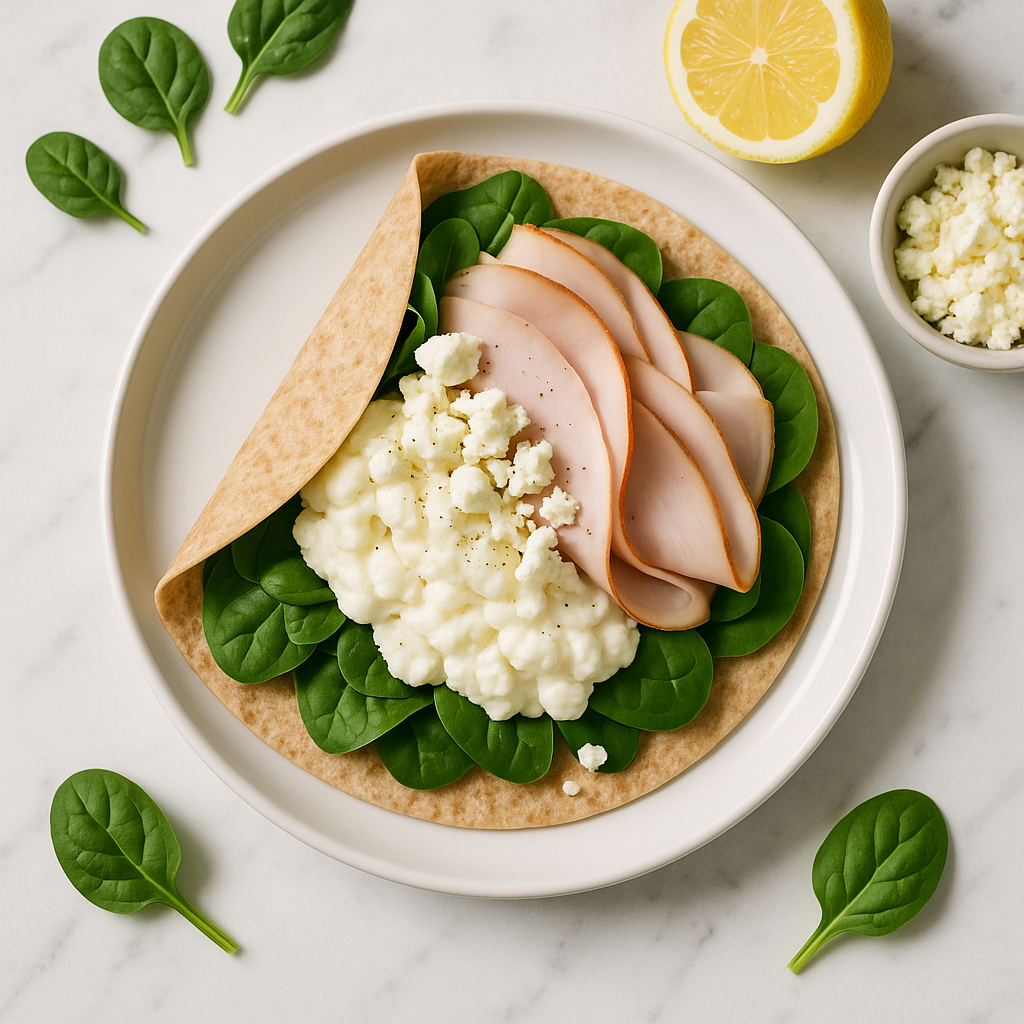
Easy Cottage Cheese Scrambled Eggs High Protein Breakfast Bowl
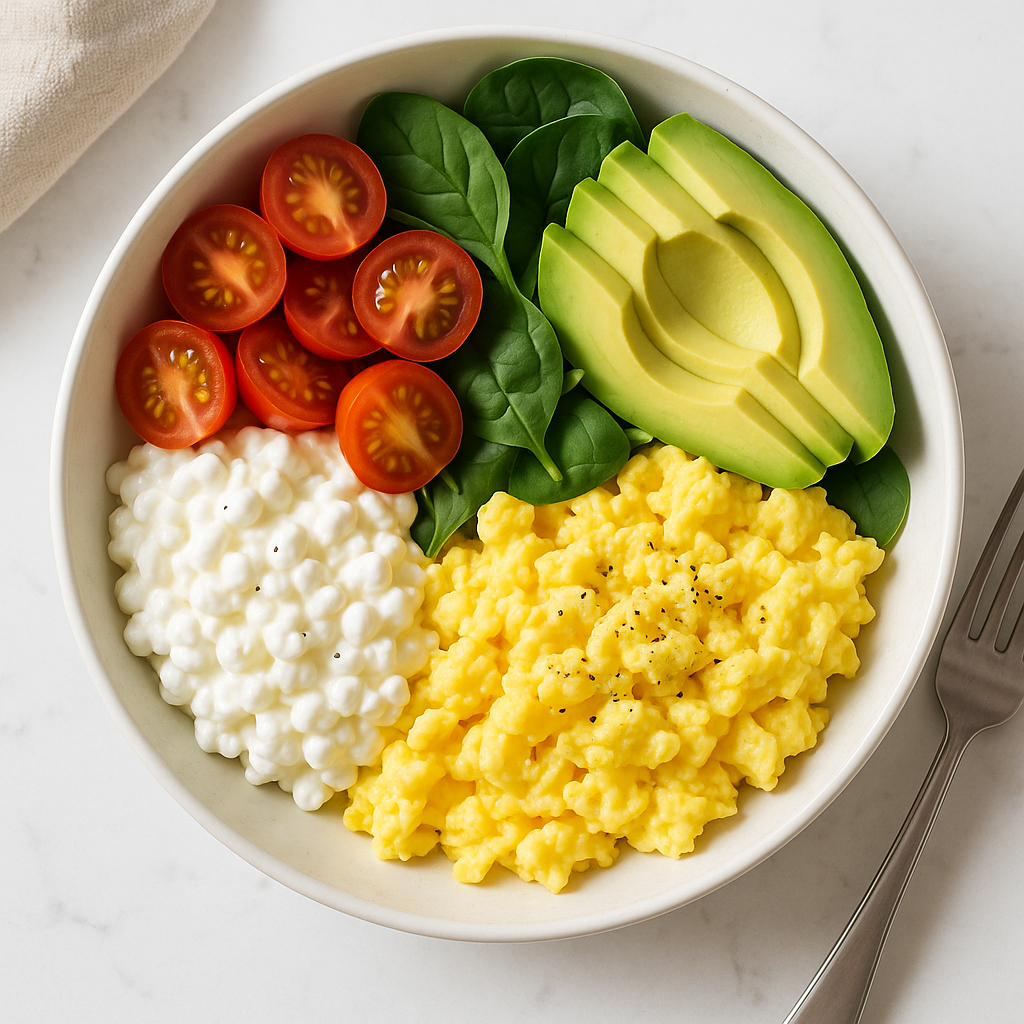
Some mornings you just need a breakfast that actually keeps you full past 10am. These easy cottage cheese scrambled eggs do exactly that, delivering a whopping 28 grams of protein in a single bowl without any fancy ingredients or complicated technique. The secret is folding full-fat cottage cheese directly into your beaten eggs before they hit the pan. The curds melt into the eggs as they cook, creating a texture that is almost impossibly creamy without feeling heavy or greasy. It tastes indulgent. It absolutely is not.
The nutritional case for adding cottage cheese to your morning scramble is genuinely impressive. A standard two-egg scramble with butter sits around 12 grams of protein. Add half a cup of low-fat cottage cheese and you nearly triple that number. Cottage cheese is also rich in casein protein, which digests slowly and helps regulate hunger hormones for hours after eating. Combine that with eggs, which deliver all nine essential amino acids, and you have a breakfast that functions more like a recovery meal than a quick weekday fix. Spinach adds a small but meaningful fibre boost, along with iron, folate, and a handful of antioxidants that traditional scrambled egg recipes simply do not include.
The cooking technique here matters more than you might expect. Low heat is your best friend. Scrambled eggs cooked fast over high heat turn rubbery, and adding cottage cheese only amplifies that problem if you rush things. Instead, use a non-stick pan on medium-low, add your egg and cottage cheese mixture, and let it sit undisturbed for about 20 seconds before you start moving it gently with a silicone spatula. You are looking for large, soft curds that are just barely set. The residual heat from the pan will finish the job after you take it off the burner, so pull it slightly earlier than you think you need to. The whole process takes less than five minutes once the pan is warm.
This recipe is built around simplicity, but it also gives you a huge amount of flexibility. The base of eggs, cottage cheese, and baby spinach is genuinely delicious on its own with just a pinch of sea salt, black pepper, and a little garlic powder. But it also works brilliantly as a blank canvas. Stir in smoked paprika and a handful of cherry tomatoes for a Mediterranean feel. Top with sliced avocado and a squeeze of lemon for extra healthy fats. Serve it inside a warm wholegrain wrap for a portable high-protein breakfast you can eat on the go. However you choose to build it, the core recipe stays the same: quick, nourishing, and satisfying in a way that most breakfasts simply are not.
Ingredients
- 3 large free-range eggs (whole eggs, not just whites)
- 0.5 cup low-fat cottage cheese (1% or 2% fat, small curd works best)
- 1 large handful baby spinach (roughly 30g, fresh)
- 2 tbsp semi-skimmed milk (or unsweetened oat milk for dairy-light version)
- 0.5 tsp garlic powder
- 0.3 tsp smoked paprika (optional but adds great depth)
- 1 tsp extra virgin olive oil (for the pan)
- 1 pinch sea salt (to taste)
- 1 pinch freshly ground black pepper (to taste)
- 1 tbsp fresh chives (finely chopped, to serve)
Instructions
- 1
Crack the three eggs into a medium bowl and add the milk, garlic powder, smoked paprika, salt, and black pepper. Whisk together firmly for about 30 seconds until the yolks and whites are completely combined and the mixture looks slightly frothy.
Whisking in a little air now is what gives you fluffy curds later. Do not skip this step even if you are in a rush.
- 2
Add the cottage cheese to the egg mixture and stir gently with a fork to combine. You do not need to blend it smooth. Small visible curds of cottage cheese are perfectly fine and will melt into the eggs as they cook.
If you prefer a silkier texture with no visible curds, blend the cottage cheese alone for 10 seconds before adding to the eggs.
- 3
Place a non-stick frying pan over medium-low heat and add the olive oil. Allow the oil to warm for about 60 seconds until it shimmers slightly across the surface. The pan should be warm but not smoking.
Patience here is key. A properly pre-warmed pan on the right heat level is the single biggest factor in achieving creamy, soft scrambled eggs.
- 4
Add the baby spinach to the pan first and stir for about 30 seconds until it just begins to wilt. Then pour the egg and cottage cheese mixture over the spinach, spreading it evenly across the pan.
Wilting the spinach first removes excess moisture that could make your scramble watery.
- 5
Let the mixture sit undisturbed for 20 to 25 seconds until you can see the edges beginning to set. Then use a silicone spatula to gently fold the eggs from the outside edges toward the centre, creating large soft curds. Repeat this folding motion every 15 to 20 seconds.
Resist the urge to stir constantly. Less movement means larger, creamier curds.
- 6
When the eggs look about 90 percent set but still slightly glossy on top, remove the pan from the heat. The residual warmth will finish cooking them in about 30 seconds. This prevents the eggs from becoming dry or rubbery.
Glossy and slightly underdone in the pan equals perfectly cooked on the plate. Trust the process.
- 7
Slide the scramble into a bowl or onto a plate immediately. Scatter the fresh chives over the top and serve straight away. These eggs do not wait well, so eat them as soon as they are plated.
Nutrition per serving
312kcal
Calories
28g
Protein
4g
Carbs
18g
Fat
1.5g
Fibre
3g
Sugar
480mg
Sodium
Pro Tips
- ✓
Low-fat cottage cheese works better here than full-fat because the lower moisture content means a creamier scramble without excess liquid pooling in the pan.
- ✓
Always use medium-low heat. High heat is the fastest way to turn cottage cheese scrambled eggs into a rubbery, dry mess.
- ✓
For a higher fibre version, serve on top of a slice of toasted wholegrain rye bread. It adds around 3 extra grams of fibre per slice.
- ✓
Season at the very end rather than heavily at the start. Cottage cheese already contains sodium, so taste before you add any extra salt.
- ✓
A non-stick pan is genuinely non-negotiable for this recipe. Stainless steel or cast iron will cause the eggs to stick and tear apart before you can form good curds.
- ✓
If your cottage cheese has a lot of visible liquid in the container, strain it briefly through a fine mesh sieve for 2 minutes before using. This avoids a watery scramble.
Frequently Asked Questions
Variations
- •
Mediterranean Scramble
Add 6 halved cherry tomatoes, a tablespoon of chopped sun-dried tomatoes, and a pinch of dried oregano to the pan alongside the spinach. Top the finished scramble with a small crumble of reduced-fat feta cheese for an extra flavour punch.
- •
Spicy Southwest Scramble
Stir a quarter teaspoon of ground cumin and a pinch of cayenne into the egg mixture. Add 2 tablespoons of drained canned black beans and a tablespoon of fresh salsa to the pan with the spinach. Finish with sliced avocado and fresh coriander.
- •
Herbed Mushroom Scramble
Slice 4 to 5 button mushrooms and cook them in the olive oil for 3 minutes before adding the spinach. Add a teaspoon of fresh thyme leaves to the egg mixture. The mushrooms add an earthy, umami depth and increase the fibre content noticeably.
- •
Everything Bagel Scramble
Sprinkle half a teaspoon of everything bagel seasoning over the eggs before they go into the pan, and add another pinch on top when serving. Serve on a toasted wholegrain mini bagel for a satisfying high-protein portable breakfast.
Substitutions
- •Low-fat cottage cheese → Greek yogurt (Plain, full-fat Greek yogurt works as a 1:1 swap and delivers a similar protein boost. The texture will be slightly smoother and less curd-like.)
- •Semi-skimmed milk → Unsweetened oat milk or almond milk (Both work well for a dairy-light version. Avoid sweetened varieties as they can affect the flavour of the eggs.)
- •Baby spinach → Kale or rocket (Finely shredded kale works well but needs an extra 60 seconds in the pan before you add the eggs. Rocket can be stirred in raw at the very end for a peppery finish.)
- •Fresh chives → Spring onion greens or fresh flat-leaf parsley (Spring onion greens give a slightly stronger onion flavour. Parsley adds brightness and a fresh herbal note without any sharpness.)
- •Extra virgin olive oil → Avocado oil or a small knob of grass-fed butter (Avocado oil has a higher smoke point and is a great neutral option. Butter adds a richer flavour but increases saturated fat slightly.)
🧊 Storage
These scrambled eggs are best eaten immediately after cooking. If you have leftovers, store them in an airtight container in the refrigerator for up to 24 hours. Reheat gently in a non-stick pan on the lowest heat setting, stirring slowly, for about 60 seconds. Avoid the microwave if possible as it tends to make the eggs tough and rubbery.
📅 Make Ahead
You can whisk the eggs, cottage cheese, milk, and seasonings together the evening before and store the mixture in a sealed jar or bowl in the refrigerator for up to 12 hours. Give it a gentle stir before cooking. This is the best make-ahead strategy for keeping the texture as close to fresh as possible.
You might also like
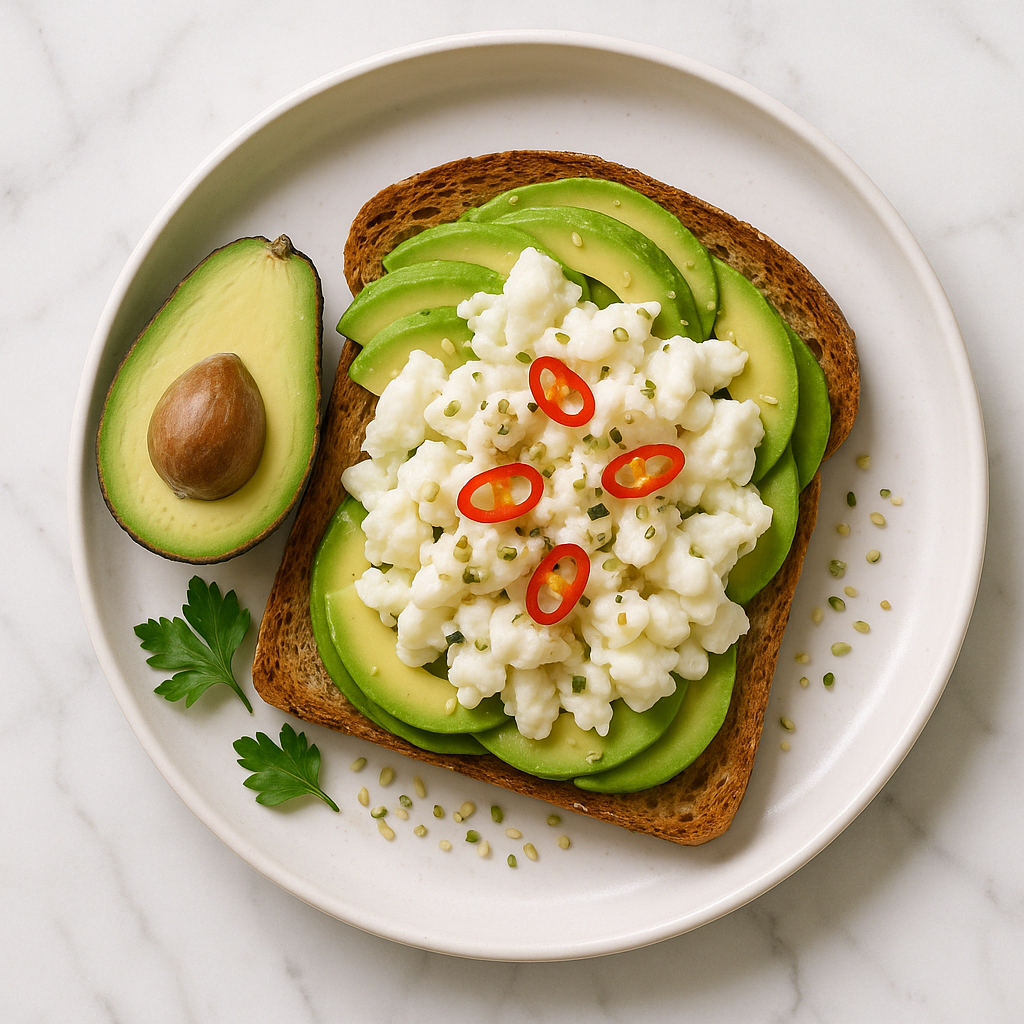
Avocado Egg White Scramble on Whole Grain Toast with Chilli and Hemp Seeds
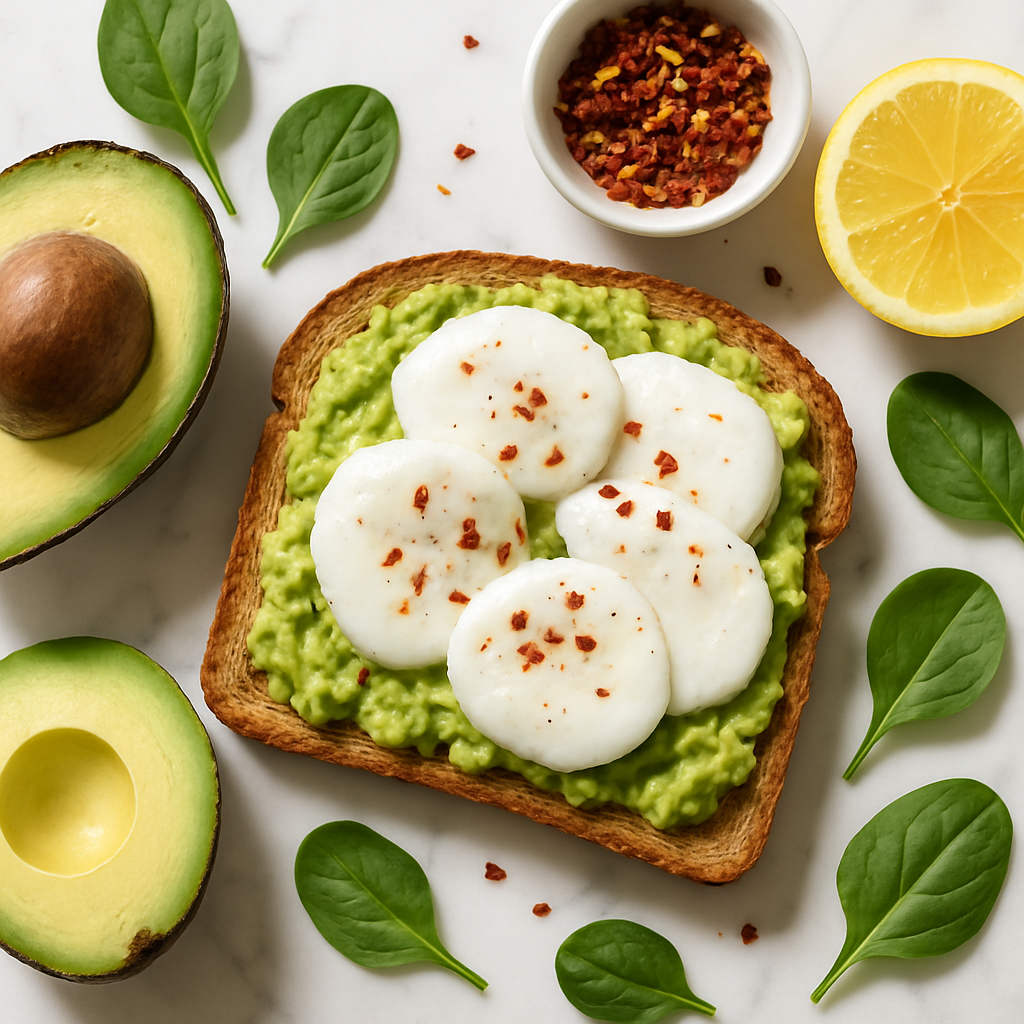
Low Calorie Avocado Egg White Toast with Chilli and Lemon