Cottage Cheese Scrambled Eggs High Protein Breakfast Bowl
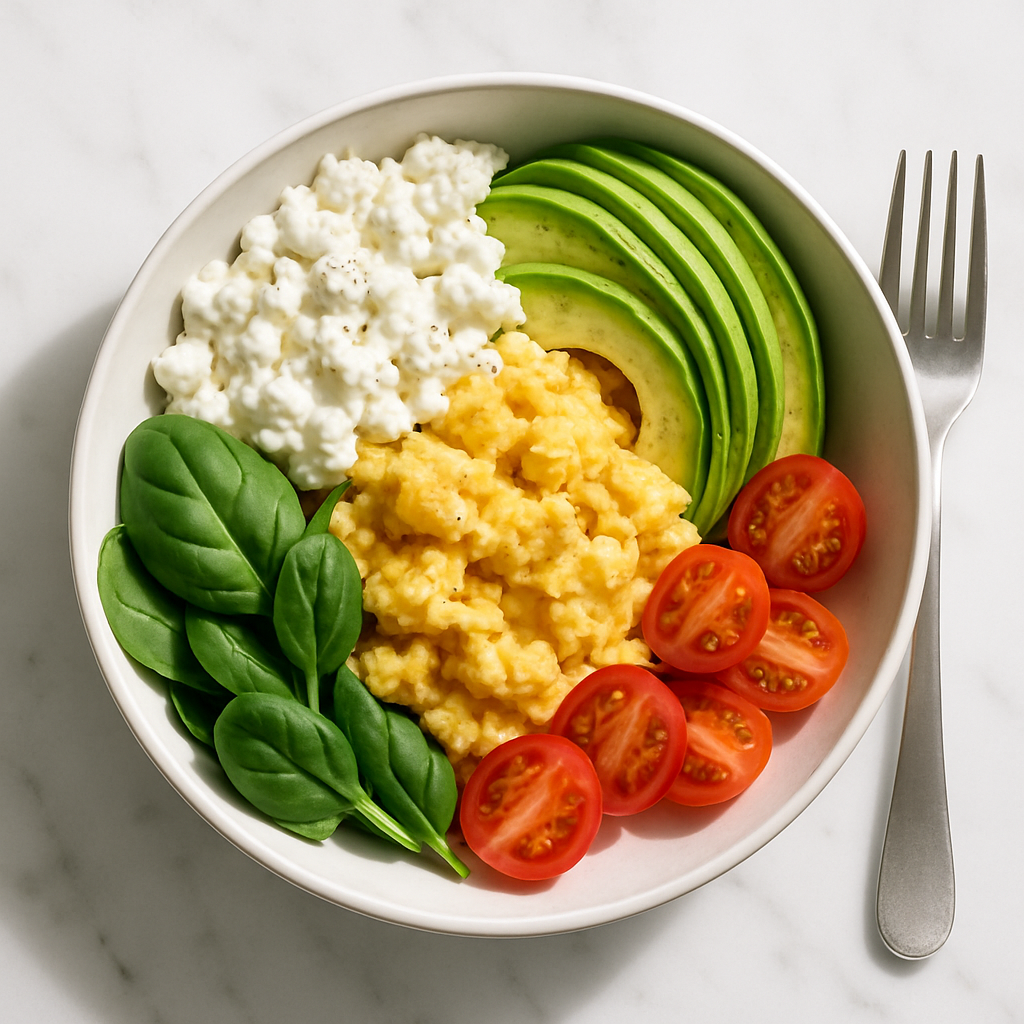
Cottage Cheese Scrambled Eggs High Protein Breakfast Bowl is the kind of morning meal that pulls serious nutritional weight without asking much of you in return. At 24 grams of protein and only 218 calories per serving, it sits in a category of its own among quick egg-based breakfasts. Most scrambled egg recipes hover around 12 to 15 grams of protein and rely on butter or cream to create richness, which pushes the calorie count up fast. This recipe takes a different route. The cottage cheese does the heavy lifting, adding creaminess and a protein boost that transforms what could be an ordinary bowl of eggs into something genuinely satisfying. It fits a keto lifestyle, it is gluten-free, and it comes together in under ten minutes on a single pan. For anyone trying to stay full through a busy morning without eating a large volume of food, this bowl makes a strong case for itself. The macros are tight and the prep is minimal, which is exactly what a working week breakfast needs to be.
Every ingredient in this recipe earns its place. The four large eggs form the base and deliver around 24 grams of protein combined with the cottage cheese, along with fat-soluble vitamins A, D, E, and B12, which supports nerve function and energy metabolism. The 120 grams of low-fat cottage cheese is the standout addition here. It contributes slow-digesting casein protein, which helps keep hunger at bay longer than whey or egg white alone, and it melts into the eggs during cooking to create a creamy consistency without added fat. The 60 grams of baby spinach brings iron, folate, and vitamin K, and it wilts down to almost nothing in the pan, so you get the nutritional benefit without a heavy vegetable flavour. Almond milk loosens the egg mixture slightly and keeps the texture soft without the saturated fat of cream. Olive oil provides heart-healthy monounsaturated fats and stops the eggs from sticking. The garlic clove adds allicin, which has known anti-inflammatory properties, and the smoked paprika contributes a small amount of vitamin C alongside its flavour. Fresh chives finish the bowl with a mild onion note and a pop of colour.
The cooking process for these scrambled eggs is low and slow, which is the key to getting the texture right. You start by whisking the eggs with the almond milk, cottage cheese, smoked paprika, salt, and pepper until the mixture is fairly smooth, with only small visible curds of cottage cheese remaining. The garlic goes into the warm olive oil first, just for thirty seconds or so, until it turns fragrant without browning. Then the egg mixture goes in over a medium-low heat, and from that point you barely touch it. Folding the eggs slowly with a spatula every twenty seconds or so allows large, soft curds to form. The cottage cheese melts almost entirely into the eggs, leaving the finished scramble looking pale and creamy with a slightly glossy surface. The spinach goes in during the last minute of cooking, which is enough time for it to wilt and turn a deep, bright green. The smell as the garlic blooms and the paprika hits the pan is warm and slightly smoky. The finished bowl tastes rich, savoury, and subtly smoky, with a clean freshness from the chives on top.
This recipe directly supports goals around muscle maintenance, weight management, and stable morning energy. The protein-to-calorie ratio of roughly 1 gram of protein per 9 calories is high even by fitness nutrition standards, making it useful for anyone tracking macros or trying to reach a daily protein target without overshooting calories. Because it is low in carbohydrates at 5 grams per serving and contains no added sugar beyond the trace amounts naturally present in the almond milk, it keeps blood glucose steady rather than spiking it, which is particularly relevant for people managing insulin sensitivity or following a ketogenic eating pattern. The high protein content also triggers a stronger satiety response than carbohydrate-heavy breakfasts of similar calorie counts. Athletes and people in a calorie deficit both benefit from meals like this one because it prevents the muscle loss that can happen when protein intake is insufficient. It is also naturally gluten-free and suitable for vegetarians who eat eggs and dairy, which covers a wide range of dietary needs without requiring any substitutions.
For meal prep purposes, this recipe is best eaten fresh, but the egg and cottage cheese mixture can be whisked together the night before and stored in a sealed container in the fridge for up to 24 hours. This cuts the active morning time down to about five minutes. Cooked scrambled eggs do keep in the fridge for up to two days in an airtight container, though the texture softens slightly on reheating. To reheat, use a non-stick pan over a low heat with a tiny splash of water and stir gently for two minutes rather than microwaving, which tends to make them rubbery. For variations, swap the baby spinach for finely chopped sun-dried tomatoes and basil for a warmer, Mediterranean-leaning version. Adding a tablespoon of nutritional yeast to the egg mixture before cooking introduces a savoury, cheese-like depth and a useful dose of B vitamins. For a higher fat, more strictly ketogenic version, use full-fat cottage cheese and add a tablespoon of cream cheese to the whisked mixture. Head to the recipe card below for the full method and exact measurements.
Ingredients
- 4 large eggs (free-range if possible)
- 120 g low-fat cottage cheese (small curd, drained if watery)
- 60 g baby spinach (roughly chopped)
- 1 tsp olive oil (extra virgin)
- 2 tbsp unsweetened almond milk (or any low-fat milk)
- 1 small garlic clove (finely minced)
- 0.3 tsp smoked paprika (plus extra to serve)
- 0.3 tsp fine sea salt (adjust to taste)
- 0.1 tsp black pepper (freshly ground)
- 2 tbsp fresh chives (finely sliced, to serve)
Instructions
- 1
Crack the eggs into a medium bowl. Add the almond milk, smoked paprika, salt, and black pepper. Whisk together briskly until the yolks and whites are fully combined and the mixture looks slightly frothy.
Whisking in a little air here helps the eggs stay light and fluffy during cooking.
- 2
Add the cottage cheese to the egg mixture and stir gently to distribute it. You do not need to blend it smooth, small curds throughout the mixture are exactly what you want.
If your cottage cheese looks watery, tip it into a fine mesh strainer for 30 seconds first to drain off excess liquid.
- 3
Heat the olive oil in a non-stick skillet over medium-low heat. Add the minced garlic and cook for about 30 seconds, stirring constantly, until fragrant but not browned.
Keep the heat at medium-low throughout. High heat is the enemy of creamy scrambled eggs.
- 4
Pour the egg and cottage cheese mixture into the pan. Let it sit undisturbed for about 20 seconds until the edges just begin to set, then use a silicone spatula to gently fold the eggs from the outside toward the centre.
Slow, wide folds rather than constant stirring will give you larger, fluffier curds.
- 5
When the eggs are about 80 percent set and still look slightly glossy on top, scatter the chopped spinach over the pan. Fold it gently through the eggs and cook for another 30 to 45 seconds until the spinach wilts and the eggs are just cooked through.
Remove the pan from the heat while the eggs still look just a touch underdone. Residual heat finishes the job and prevents rubbery eggs.
- 6
Divide between two bowls or plates immediately. Top with fresh chives and a light dusting of smoked paprika. Serve straight away.
Scrambled eggs wait for no one. Have your plates ready before you start cooking for the best texture.
Nutrition per serving
218kcal
Calories
24g
Protein
5g
Carbs
11g
Fat
1.5g
Fibre
2.5g
Sugar
420mg
Sodium
Pro Tips
- ✓
Always cook scrambled eggs on medium-low heat. Patience is the secret to creamy, soft curds.
- ✓
Low-fat cottage cheese works best here for the right balance of protein and calories. Full-fat works too but adds more saturated fat.
- ✓
Do not over-stir the eggs. Gentle, infrequent folding creates pillowy curds rather than small rubbery bits.
- ✓
If you want extra protein, add one additional egg white to the mixture without changing the flavour significantly.
- ✓
A non-stick pan is strongly recommended so you can use minimal oil and still get a clean release.
- ✓
Season lightly at first and taste before adding more salt. Cottage cheese already contains a small amount of sodium.
Frequently Asked Questions
Variations
- •
Mediterranean Style
Add a handful of halved cherry tomatoes, a tablespoon of crumbled low-fat feta, and a few fresh basil leaves in place of chives. Fold the tomatoes in with the spinach for a vibrant, tangy version.
- •
Spicy Sriracha Kick
Stir half a teaspoon of sriracha directly into the egg and cottage cheese mixture before cooking. Top the finished bowl with sliced spring onions and sesame seeds for extra texture.
- •
Herb Garden
Skip the smoked paprika and fold in a tablespoon each of fresh dill and flat-leaf parsley along with the spinach. Serve on top of a slice of toasted rye bread for a fibre-rich complete breakfast.
- •
Sun-Dried Tomato and Basil
Add two tablespoons of finely chopped sun-dried tomatoes packed in water to the pan with the garlic. The tomatoes add natural sweetness and lycopene while keeping the calorie count reasonable.
Substitutions
- •Low-fat cottage cheese → Full-fat cottage cheese (Works well and adds more richness, but increases saturated fat and calorie content slightly.)
- •Almond milk → Low-fat cow's milk or oat milk (Any unsweetened, unflavoured milk alternative works here. Use the same quantity.)
- •Baby spinach → Rocket, kale, or Swiss chard (Kale and chard benefit from a minute of pre-cooking in the pan before the eggs are added as they are tougher than spinach.)
- •Olive oil → Avocado oil or coconut oil spray (Avocado oil has a neutral flavour and a higher smoke point. Coconut oil spray keeps calories even lower.)
- •Fresh chives → Spring onions or fresh parsley (Spring onions add a stronger onion flavour. Parsley gives a fresher, lighter herbal note.)
🧊 Storage
Scrambled eggs are best eaten immediately after cooking. If you have leftovers, store them in an airtight container in the fridge for up to one day. Reheat gently in a non-stick pan over low heat with a tiny splash of water, stirring slowly. Texture will be softer on reheating but still pleasant.
📅 Make Ahead
You can pre-mix the egg and cottage cheese mixture the night before and store it covered in the fridge. Give it a good stir before cooking. This makes the morning cook time even faster. Do not add the spinach until you are ready to cook.