Cottage Cheese Pancakes High Protein Low Carb with Almond Flour
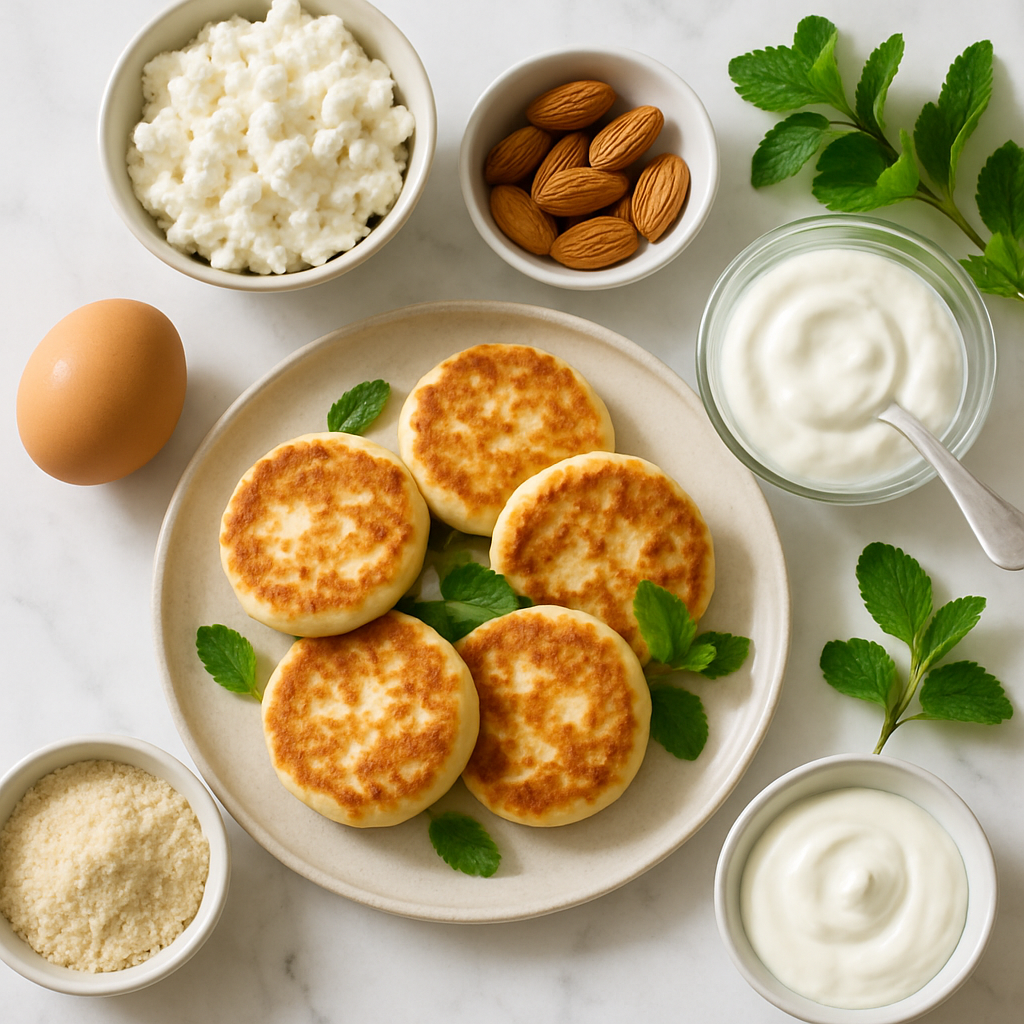
Cottage Cheese Pancakes High Protein Low Carb with Almond Flour delivers everything you want from a stack of pancakes without the blood sugar spike that follows a traditional flour-based version. At 22 grams of protein and only 5 grams of net carbs per serving, this recipe stands apart from most low-carb pancake attempts that end up thin, rubbery, or lacking any real staying power. The combination of cottage cheese and eggs creates a batter that genuinely rises and holds together, which is something a lot of keto pancake recipes struggle to achieve. You are not sacrificing texture here to hit a macro target. The result is a thick, satisfying stack that keeps you full well past mid-morning. Compared to oat-based or banana-based protein pancakes, this version is far lower in carbohydrates, making it a reliable choice on days when you need your first meal to be both filling and blood sugar friendly. It cooks quickly on a stovetop and requires no special equipment beyond a mixing bowl and a non-stick pan.
Full-fat cottage cheese is the backbone of this recipe and it earns its place on two counts. First, it contributes a significant portion of that 22-gram protein figure, with roughly 14 grams of protein per cup coming from this ingredient alone. Second, its natural moisture content loosens the almond flour batter without the need for added milk or cream. Blanched almond flour brings healthy monounsaturated fats and a fine, cake-like crumb that regular almond meal cannot match. It also keeps the carb count low while adding a subtle nuttiness. Ground golden flaxseed adds 5 grams of fibre per serving, supporting digestion and contributing omega-3 fatty acids. Psyllium husk powder is a small but important addition. It binds the batter, prevents crumbling, and gives the pancakes a more traditional, cohesive feel. The erythritol or monk fruit sweetener adds a gentle sweetness without spiking blood glucose, which matters if you are eating these as part of a ketogenic or diabetic-friendly routine. Coconut oil in the pan adds a faint, pleasant aroma and prevents sticking without needing butter.
The batter comes together in about five minutes. You blend or whisk the cottage cheese and eggs until smooth, then stir in the almond flour, flaxseed, psyllium husk, baking powder, sweetener, vanilla, and salt. The mixture will look slightly wetter than a typical pancake batter at first, but the psyllium husk absorbs moisture quickly and thickens it within a minute or two. Cook them over medium-low heat in coconut oil or light olive oil, using about three tablespoons of batter per pancake. They need a little patience. Low and slow is the rule here. The outside sets to a golden tan, with small bubbles forming at the surface before you flip, much like a conventional pancake. The inside is soft, moist, and slightly custardy from the cottage cheese and egg base. The aroma as they cook is warm and faintly sweet, with a vanilla note that makes the kitchen smell genuinely inviting. Each bite has a tender crumb with a barely-there almond flavour and a clean, milky richness from the cottage cheese. They are not overly sweet on their own, which makes them flexible for both savoury and sweet toppings.
This recipe is built for people managing their carbohydrate intake without wanting to give up comforting breakfast foods. It fits a ketogenic diet, a low-carb high-fat approach, and a gluten-free lifestyle since almond flour and all other ingredients here contain no gluten. The high protein content makes it particularly useful for anyone focused on muscle retention, post-workout recovery, or appetite control throughout the morning. People with type 2 diabetes or insulin resistance often find this kind of breakfast more supportive than anything grain-based, given the low net carb count and the absence of refined sugar. The fibre from flaxseed and psyllium husk slows digestion further, which helps moderate any post-meal glucose response. Athletes eating low-carb will appreciate getting 22 grams of protein from a breakfast that does not feel like a protein shake substitute. Older adults prioritising protein intake at each meal will also find this a practical and genuinely satisfying option. The fat content from almond flour and coconut oil supports satiety without requiring a large portion to feel the effect.
For meal prep, this recipe scales well. Double or triple the batch, cook all the pancakes, and store them in a sealed container in the refrigerator for up to four days. They reheat in a dry pan over low heat in about two minutes per side, or in a toaster oven at 160 degrees Celsius for five minutes. They also freeze well. Layer them between pieces of parchment paper, place them in a freezer bag, and they will keep for up to two months. Reheat straight from frozen in a toaster or oven. A few variations worth trying: swap the vanilla extract for a half teaspoon of cinnamon and a pinch of nutmeg for a warmer, spiced flavour profile. Fold two tablespoons of fresh blueberries into the batter per batch for a fruit version that stays low in sugar. For a savoury take, skip the sweetener and vanilla, add a tablespoon of chopped chives and a pinch of garlic powder, and serve with smoked salmon and a dollop of sour cream. Scroll down to the recipe card for full measurements, step-by-step instructions, and serving suggestions.
Ingredients
- 1 cup full-fat cottage cheese (small or large curd both work, drain any excess liquid if very watery)
- 3 large eggs (free-range preferred)
- 1 cup blanched almond flour (finely milled for best texture, not almond meal)
- 2 tbsp ground golden flaxseed (adds fibre and helps bind the batter)
- 1 tsp psyllium husk powder (key for structure, do not skip)
- 1 tsp baking powder (aluminium-free preferred)
- 1 tsp pure vanilla extract
- 1 tbsp erythritol or monk fruit sweetener (or swap for 1 tsp pure maple syrup if not strictly keto)
- 1 tsp fine sea salt
- 1 tbsp coconut oil or light olive oil (for greasing the pan between batches)
Instructions
- 1
Add the cottage cheese, eggs, vanilla extract, and sweetener to a blender or food processor. Blend on medium speed for about 20 seconds until the mixture is completely smooth and no lumps of cottage cheese remain.
If you do not have a blender, whisk very vigorously in a bowl and use a fork to mash out any large curds before adding the dry ingredients.
- 2
Add the almond flour, ground flaxseed, psyllium husk powder, baking powder, and sea salt to the blender. Pulse four to five times just until the dry ingredients are incorporated. Do not over-blend or the batter may become too dense.
The batter will look a little thicker than regular pancake batter. That is normal and correct.
- 3
Let the batter rest for two to three minutes. This allows the psyllium husk and flaxseed to absorb some moisture and the batter will thicken slightly, which gives you fluffier pancakes.
- 4
Place a non-stick skillet or griddle over medium-low heat. Lightly grease with a small amount of coconut oil or olive oil using a paper towel or pastry brush. Low to medium-low heat is important here because almond flour burns faster than regular flour.
Test the pan with a tiny drop of batter first. It should sizzle gently, not aggressively.
- 5
Scoop the batter using a heaped tablespoon, placing rounds about 3 inches wide onto the pan. Cook three to four pancakes at a time to avoid crowding. Cook for 2 to 3 minutes until the edges look set and small bubbles appear across the surface.
Resist the urge to flip too early. These pancakes need the edges to be fully set before you turn them or they may break.
- 6
Gently flip each pancake and cook for a further 1 to 2 minutes on the other side until golden and cooked through. Transfer to a warm plate and repeat with the remaining batter, greasing the pan lightly between each batch.
Keep cooked pancakes in a 90°C (195°F) oven on a baking sheet while you finish the rest so they stay warm.
- 7
Serve immediately topped with fresh berries, a light drizzle of pure maple syrup or sugar-free syrup, a spoonful of natural almond butter, or simply a dusting of cinnamon.
Nutrition per serving
310kcal
Calories
22g
Protein
10g
Carbs
19g
Fat
5g
Fibre
3g
Sugar
410mg
Sodium
Pro Tips
- ✓
Always use finely blanched almond flour rather than coarse almond meal. The finer texture makes a noticeably fluffier pancake.
- ✓
Full-fat cottage cheese works best. Low-fat versions can make the batter too thin and the pancakes will spread too much.
- ✓
Cook on medium-low heat consistently. Almond flour pancakes need a gentler heat than regular pancakes to cook through without burning.
- ✓
Do not skip the psyllium husk powder. It acts as a natural binder and prevents the pancakes from falling apart when you flip them.
- ✓
A small offset spatula or fish slice makes flipping these delicate pancakes much easier than a standard wide spatula.
- ✓
If your batter feels too thick to pour, add one tablespoon of water at a time and stir gently until it loosens to a spoonable consistency.
Frequently Asked Questions
Variations
- •
Blueberry Lemon Cottage Cheese Pancakes
Fold 1/3 cup of fresh or frozen blueberries and 1 teaspoon of lemon zest into the finished batter just before cooking. The berries burst during cooking and add natural sweetness plus extra antioxidants.
- •
Cinnamon Spice Protein Pancakes
Add 1 teaspoon of ground cinnamon, 1/4 teaspoon of ground ginger, and a pinch of nutmeg to the dry ingredients. These warming spices pair beautifully with a topping of sliced apple sauteed briefly in a teaspoon of coconut oil.
- •
Dark Chocolate Chip Pancakes
Stir 2 tablespoons of 85 percent dark chocolate chips into the batter before cooking. Still low in sugar overall, and the dark chocolate adds a small amount of magnesium and antioxidants while making these feel genuinely indulgent.
- •
Savoury Herb Cottage Cheese Pancakes
Omit the sweetener and vanilla. Add 2 tablespoons of finely chopped fresh chives, 1 tablespoon of chopped parsley, and a pinch of garlic powder to the batter. Serve topped with sliced avocado and a soft poached egg for a high protein savoury breakfast.
Substitutions
- •Almond flour → Sunflower seed flour (Use the same quantity. Keeps the recipe nut-free and maintains a similarly low carb count. Add 1 teaspoon of lemon juice to the batter to neutralise any greenish tint from the sunflower seeds reacting with baking powder.)
- •Psyllium husk powder → 1 extra tablespoon of ground flaxseed (The pancakes will be slightly less firm and may need an extra minute of cooking before flipping, but the result is still good.)
- •Erythritol or monk fruit sweetener → 1 tsp pure maple syrup (Adds a small amount of natural sugar. Net carbs per serving will increase by approximately 2 grams. Not suitable for strict keto.)
- •Full-fat cottage cheese → Full-fat ricotta cheese (Use the same quantity. Ricotta is slightly richer and less tangy. Blend thoroughly for a smooth batter. Protein content will be slightly lower per serving.)
- •Eggs → Flax eggs (1 tbsp ground flaxseed plus 3 tbsp water per egg) (Suitable for egg-free or vegan versions. The texture will be denser and the pancakes more fragile. Allow flax eggs to gel for 10 minutes before using.)
🧊 Storage
Store leftover pancakes in an airtight container in the refrigerator for up to 3 days. Reheat in a dry non-stick skillet over medium-low heat for 2 minutes per side, or use a toaster on a medium setting. Avoid microwaving if possible as it can make them rubbery.
📅 Make Ahead
The batter can be made up to 12 hours ahead and stored covered in the refrigerator. Stir well before cooking and add 1 to 2 tablespoons of water if it has thickened too much overnight. Cooked pancakes can be cooled, stacked between baking paper sheets, and frozen for up to 2 months.