Authentic French Madeleines with Lemon Zest (Protein-Boosted, Lower Sugar)
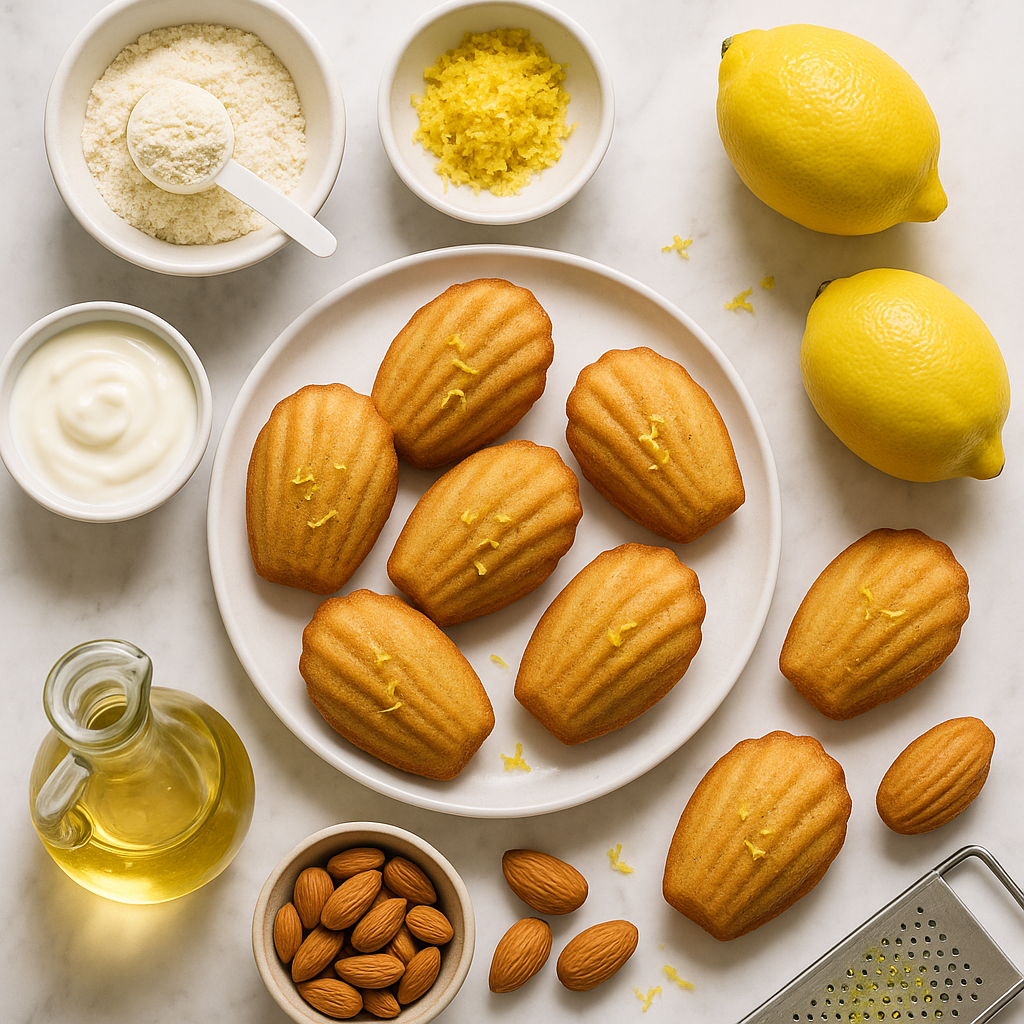
Authentic French Madeleines with Lemon Zest are a genuinely satisfying way to bring a classic French bakery staple into your morning routine without the sugar load that usually comes with it. Each little shell-shaped cake clocks in at just 95 calories with 3.8 grams of protein, which might not sound dramatic until you realise most traditional madeleines are built almost entirely on butter, sugar, and white flour. The protein boost here comes from a clever combination of Greek yoghurt and eggs, and the sugar has been pulled back without sacrificing the tender crumb or the golden crust that makes a madeleine worth eating. This is also a meal prep friendly recipe, meaning you can bake a full batch on Sunday and have a week of breakfasts sorted. If you have ever reached for a plain biscuit or a processed snack bar on a busy morning, having these sitting in a tin is a far better alternative. They travel well, they reheat beautifully, and they taste like something you bought from a proper French patisserie.
The ingredient list here is short but every item earns its place. The combination of 60 grams of whole wheat pastry flour and 40 grams of plain all-purpose flour is deliberate. Whole wheat pastry flour adds 0.9 grams of fibre per serving and contributes a slightly nutty depth, but it is milled finely enough that it does not make the crumb dense or heavy the way regular whole wheat flour would. The two large eggs provide structure and contribute to the protein count, with each egg bringing around 6 grams of protein to the full batch. The 60 grams of full-fat Greek yoghurt is the real workhorse here. It replaces a portion of the butter you would find in a classic recipe, adds protein, and keeps the interior moist for days. The 50 grams of caster sugar is lower than most madeleine recipes, and the tablespoon of raw honey fills in the sweetness gap while adding trace antioxidants. Fresh lemon zest, not bottled, is non-negotiable. The essential oils in the zest give a brightness that lemon juice alone cannot deliver. The 40 grams of unsalted butter keeps the characteristic rich flavour and helps produce that iconic golden shell.
When you pull these out of the oven, the smell hits you first: warm butter, lemon, and a faint vanilla note that makes the kitchen feel genuinely welcoming. The exterior is golden and slightly firm to the touch, with the scalloped shell pattern crisply defined on the bottom and the classic hump risen proudly on top. That hump is the mark of a properly made madeleine and it comes from resting the batter in the fridge before baking, which is a step you should not skip. The cold batter hitting the hot tin creates a rapid rise in the centre. Bite through the thin outer crust and the inside is soft, springy, and just barely sweet, with a clean lemon flavour that is present without being sharp. The yoghurt keeps things moist rather than greasy. Because whole wheat pastry flour is used instead of standard whole wheat, the texture is genuinely light. These are not a compromise version of a madeleine. They are a considered rewrite of one, and the result holds up on its own terms.
This recipe is a strong fit for anyone managing their calorie intake while still wanting food that feels satisfying and a bit special. With 12.4 grams of carbohydrates and only 6.2 grams of sugar per serving, these sit comfortably within a lower-sugar eating pattern. The combination of protein from eggs and Greek yoghurt alongside the fibre from whole wheat pastry flour means the energy release is steadier than you would get from a standard refined-flour bake, which helps with morning hunger. These madeleines are suitable for lacto-vegetarians and work well in a Mediterranean-style diet given the modest use of butter and the inclusion of yoghurt. People working on muscle maintenance or active recovery benefit from having accessible, portable snacks with a reasonable protein contribution. Athletes who train in the morning and need something light but sustaining before or after a session will find these practical. They also suit older adults who need nutrient density without large portion sizes, and children who need breakfast on the go without a sugar crash following shortly after.
For meal prep, make the batter the night before and leave it covered in the fridge overnight. The resting period actually improves the batter and produces a better hump, so overnight is genuinely ideal rather than just convenient. Once baked, these keep in an airtight tin at room temperature for up to three days without drying out, largely because the Greek yoghurt retains moisture. In the fridge they keep for five days. To freeze them, arrange on a tray until solid, then transfer to a freezer bag. They defrost at room temperature in about 20 minutes or can be warmed in a low oven for five minutes to revive the crust. For variations, you can swap the lemon zest for orange zest and add a small pinch of ground cardamom for a Scandinavian lean. A teaspoon of matcha powder added to the flour mix gives an earthy, slightly bitter note that works well with the honey. For a warmer spice profile, half a teaspoon of cinnamon and a tiny scrape of nutmeg are a good substitute for the citrus entirely. Scroll down to the recipe card for the full method and tin size guidance.
Ingredients
- 60 g whole wheat pastry flour (finely milled for a tender crumb)
- 40 g plain all-purpose flour
- 1 tsp baking powder
- 1 pinch fine sea salt
- 2 large eggs (at room temperature)
- 50 g caster sugar (reduced from traditional 100g)
- 1 tbsp raw honey (adds floral sweetness and moisture)
- 40 g unsalted butter (melted and cooled slightly)
- 60 g full-fat Greek yoghurt (replaces extra butter, boosts protein)
- 2 tsp fresh lemon zest (from 1 large unwaxed lemon)
- 1 tsp fresh lemon juice
- 1 tsp pure vanilla extract
- 1 tsp melted butter or coconut oil (for greasing the madeleine pan)
Instructions
- 1
Whisk together the whole wheat pastry flour, plain flour, baking powder and sea salt in a medium bowl. Set aside.
Sifting the flours together gives a slightly lighter result and removes any lumps.
- 2
In a large bowl, beat the eggs and caster sugar together using a hand whisk or electric mixer for about 3 to 4 minutes, until the mixture is pale, thick and has roughly doubled in volume.
This aeration step is crucial. It is what gives madeleines their light, spongy texture rather than a dense crumb.
- 3
Add the honey, lemon zest, lemon juice and vanilla extract to the egg mixture. Stir gently to combine.
- 4
Fold the flour mixture into the egg mixture in two additions, using a large spatula and a gentle folding motion. Do not overmix. Stop as soon as no dry streaks remain.
Overmixing develops gluten and can make your madeleines tough. Less is more here.
- 5
Add the melted butter and Greek yoghurt to the batter. Fold gently until the batter is smooth and glossy.
Make sure the butter is not hot when it goes in, or it risks deflating the eggs.
- 6
Cover the bowl tightly with cling film and refrigerate the batter for at least 30 minutes. For best results and the most prominent hump, chill overnight.
The cold batter hitting the hot oven creates the temperature shock that forms the iconic madeleine bump.
- 7
When you are ready to bake, preheat your oven to 200 degrees Celsius (180 degrees fan, 400 degrees Fahrenheit). Brush your madeleine pan generously with melted butter or coconut oil, then place it in the refrigerator to chill for 5 minutes.
Chilling the greased pan as well helps the butter set and prevents sticking.
- 8
Spoon or pipe the chilled batter into the prepared madeleine moulds, filling each cavity about three quarters full. Do not spread the batter.
A small piping bag or a zip-lock bag with the corner snipped makes filling the moulds much neater.
- 9
Bake for 10 to 12 minutes, until the edges are golden and the humps have risen and spring back when lightly touched. Do not open the oven in the first 8 minutes.
Every oven is different. Start checking at 10 minutes to avoid overbaking.
- 10
Remove from the oven and leave in the pan for 2 minutes, then carefully turn them out onto a wire rack. Serve warm for the best texture and flavour.
A light dusting of icing sugar is optional but adds a lovely finish for special occasions.
Nutrition per serving
95kcal
Calories
3.8g
Protein
12.4g
Carbs
3.6g
Fat
0.9g
Fibre
6.2g
Sugar
58mg
Sodium
Pro Tips
- ✓
Always use an unwaxed lemon for the zest. If only waxed lemons are available, scrub the skin thoroughly under hot water before zesting.
- ✓
Do not skip the batter resting step. The chill is the single most important technique for achieving the signature madeleine hump.
- ✓
Madeleines are at their absolute best within 30 minutes of coming out of the oven. The crisp edge and soft centre are worth the wait.
- ✓
Greek yoghurt can vary in thickness between brands. If your batter feels too thick after folding, add a teaspoon of milk to loosen it slightly.
- ✓
A 12-cavity standard madeleine pan is the right tool for this recipe. Non-stick pans work well but still need greasing.
Frequently Asked Questions
Variations
- •
Orange and Cardamom Madeleines
Replace the lemon zest with orange zest and add a quarter teaspoon of ground cardamom to the flour mixture. The warm spice pairs beautifully with the citrus and makes the kitchen smell incredible.
- •
Lemon and Poppy Seed
Fold one tablespoon of poppy seeds into the finished batter before chilling. This adds a mild nuttiness, extra texture and a small boost of calcium and iron to each madeleine.
- •
Almond and Lemon
Replace 20g of the plain flour with almond flour and add a quarter teaspoon of almond extract alongside the vanilla. This raises the protein content slightly and gives a wonderfully moist crumb.
Substitutions
- •Greek yoghurt → coconut yoghurt (Use a thick, full-fat coconut yoghurt for a dairy-free version. The texture stays very similar and the mild coconut flavour is barely noticeable alongside the lemon.)
- •unsalted butter → refined coconut oil (Melted refined coconut oil (not virgin, which has a strong flavour) works well as a dairy-free swap. The crumb may be very slightly less rich but the madeleines will still be delicious.)
- •caster sugar → coconut sugar (Coconut sugar has a lower glycaemic index than caster sugar and adds a mild caramel note. It will slightly darken the colour of your madeleines, which is perfectly fine.)
- •whole wheat pastry flour → oat flour (Oat flour creates a slightly softer, chewier crumb. Use the same quantity and ensure it is certified gluten-free oat flour if you need a gluten-free result, combined with a quarter teaspoon of xanthan gum.)
🧊 Storage
Store cooled madeleines in an airtight container at room temperature for up to 2 days. For longer storage, freeze in a single layer on a tray, then transfer to a freezer bag for up to 1 month. Warm briefly in a low oven at 150 degrees Celsius for 5 minutes before serving.
📅 Make Ahead
The batter can be prepared up to 24 hours ahead and kept covered in the refrigerator. Alternatively, baked madeleines can be frozen and warmed to order, making them a great meal-prep breakfast option for the week ahead.